Best Roofing Materials for Desert Climates: Phoenix Homeowner's Guide (2026)
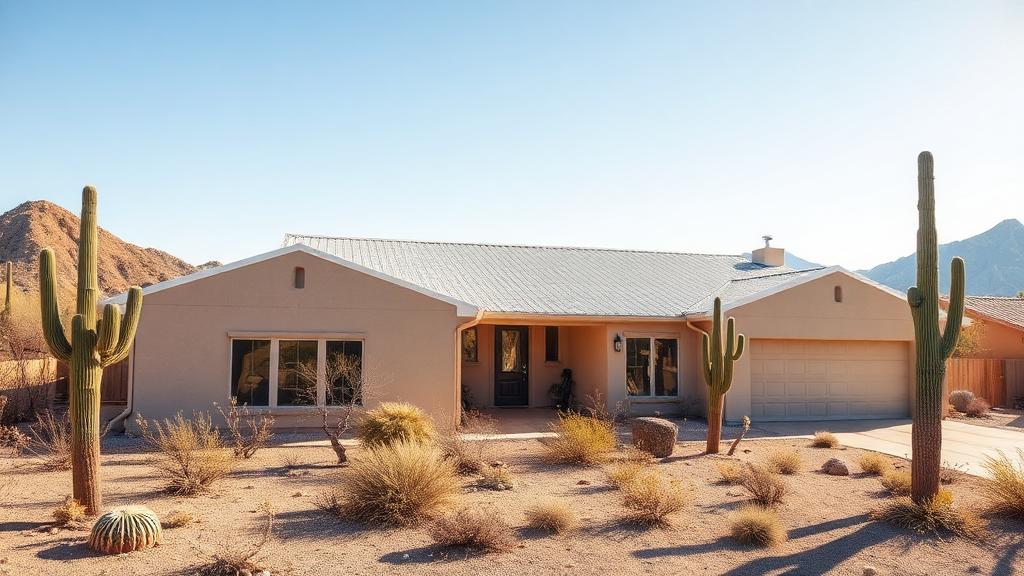
Best Roofing Materials for Desert Climates in Phoenix
Phoenix, Arizona experiences some of the most extreme temperatures in the United States. With summer highs regularly exceeding 115°F and intense UV radiation year-round, choosing the right roofing material isn't just about aesthetics—it's about survival, energy efficiency, and long-term cost savings.
This comprehensive guide examines the best roofing options for Phoenix homeowners in 2026, comparing performance, costs, and longevity in desert conditions.
Why Desert Climates Demand Specialized Roofing
The Sonoran Desert presents unique challenges that make standard roofing solutions inadequate:
Extreme heat:: Phoenix averages 107 days per year above 100°F. Surface temperatures on a dark roof can exceed 170°F, dramatically increasing cooling costs and accelerating material degradation.
UV radiation:: Arizona receives approximately 300 sunny days per year. Prolonged UV exposure breaks down roofing material adhesives, causes color fading, and degrades protective granules on asphalt shingles.
Thermal cycling:: Despite scorching days, desert nights can be 30–40°F cooler. This daily expansion and contraction cycle stresses roofing materials, causing cracking, warping, and seal failures.
Monsoon season:: From mid-June through September, Phoenix experiences sudden, intense rainstorms with high winds, hail, and occasional flash flooding. Roofing must withstand both extreme heat and sudden water events.
Low humidity:: Persistent dry conditions cause certain materials to become brittle and crack over time. Wood shakes and some sealants perform poorly in sustained low-humidity environments.
Top Roofing Materials for Phoenix Homes
1. Concrete and Clay Tiles
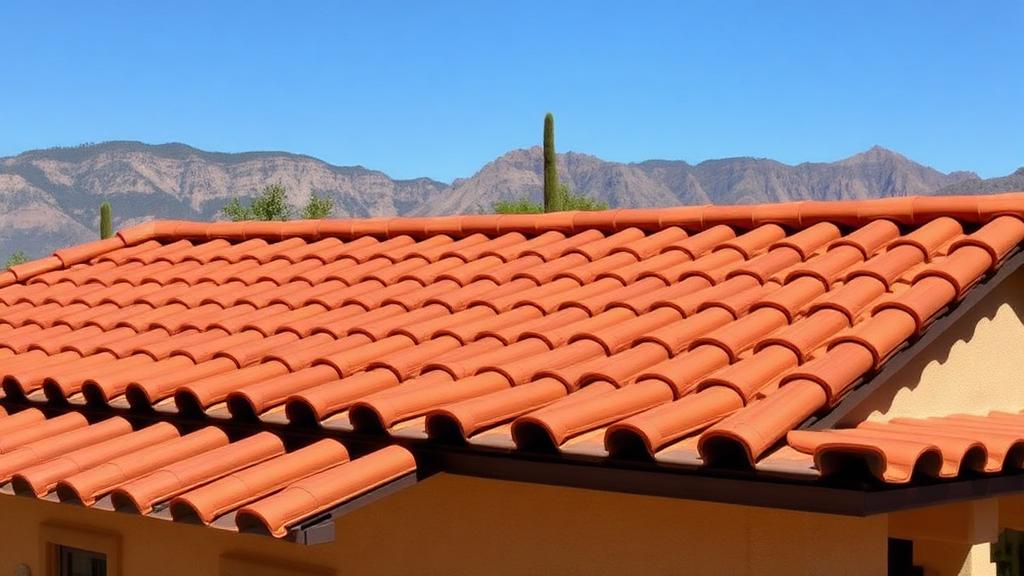
Clay and concrete tiles are the signature roofing material of the Southwest, and for good reason. They excel in desert conditions.
Advantages:: - Exceptional heat resistance—tile roofs keep homes 20–30% cooler than asphalt - Lifespan of 50–100+ years in desert climates - Natural thermal mass absorbs heat during the day and releases it slowly at night - Excellent wind resistance when properly installed (rated for 125+ mph) - Fire resistant (Class A rating) - Available in traditional barrel, flat, and S-shaped profiles
Considerations:: - Heavy weight requires structural reinforcement (900–1,200 lbs per 100 sq ft) - Higher initial installation cost ($12–$25 per square foot installed) - Individual tiles can crack from impact or foot traffic - Underlayment requires replacement every 20–30 years, even when tiles are still serviceable
Best for:: Homeowners planning to stay long-term who want the lowest lifecycle cost and best thermal performance.
2. Metal Roofing
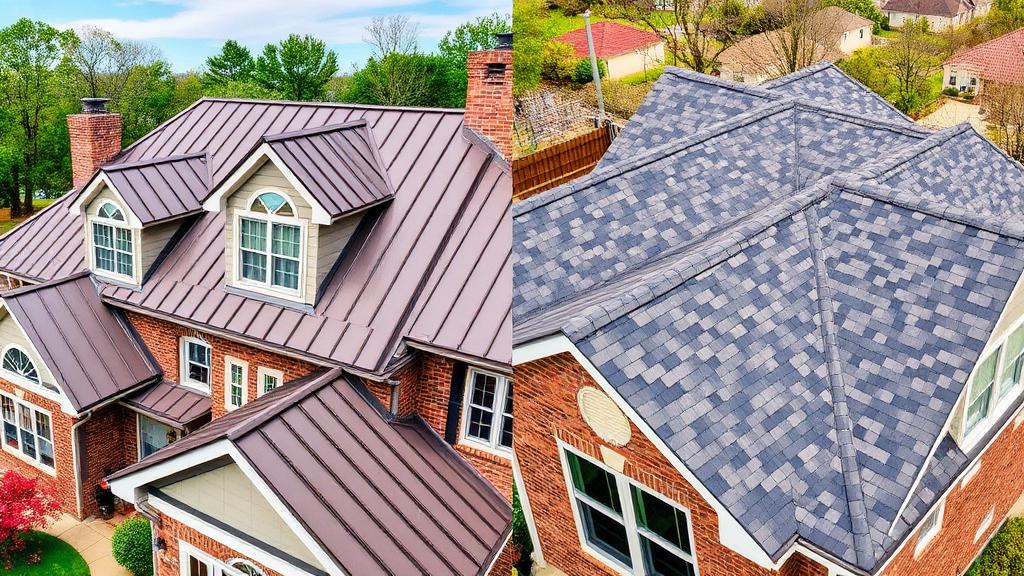
Standing seam and stone-coated metal roofing has become increasingly popular in Phoenix due to its exceptional performance in extreme heat.
Advantages:: - Reflects up to 70% of solar radiation with proper coatings (Energy Star rated) - Lightweight (100–150 lbs per 100 sq ft)—no structural reinforcement needed - 40–70 year lifespan - Excellent wind resistance (rated for 140+ mph) - Fully recyclable at end of life - Can be installed over existing roofing in many cases
Considerations:: - Metal expands and contracts significantly with temperature changes - Standing seam systems cost $10–$18 per square foot installed - Can be noisy during monsoon rain and hail (mitigated with proper insulation) - Stone-coated steel panels offer a tile-like appearance at lower weight
Best for:: Homeowners wanting maximum energy efficiency and low maintenance.
3. Cool Roof Coatings and Membranes
Cool roof technology uses highly reflective surfaces to minimize heat absorption. In Phoenix, this can make a dramatic difference in energy costs.
Advantages:: - Reduces roof surface temperatures by 50–60°F compared to standard materials - Can lower cooling costs by 15–25% - Applied over existing roofing systems (low cost upgrade) - Available as coatings, single-ply membranes, or reflective shingles - Extends the life of underlying roofing materials
Considerations:: - Coatings need reapplication every 5–10 years ($1.50–$3 per square foot) - White or light-colored surfaces show dirt and staining more readily - Not all products perform equally—look for CRRC (Cool Roof Rating Council) certified products
Best for:: Budget-conscious homeowners looking to improve energy efficiency without a full roof replacement.
4. Modified Bitumen (Flat Roofs)
Many Phoenix homes feature flat or low-slope roofs, making modified bitumen an important option.
Advantages:: - Designed specifically for low-slope applications - Multi-layer system provides excellent waterproofing - White or reflective cap sheets available for cool roof compliance - Cost-effective at $4–$8 per square foot installed - 20–30 year lifespan with proper maintenance
Considerations:: - Requires regular inspection and maintenance - Ponding water from monsoons can accelerate deterioration - Dark-colored versions absorb extreme heat - Should be installed by experienced flat roof specialists
5. Asphalt Shingles (with Caveats)
While asphalt shingles are the most common roofing material nationally, they face significant challenges in Phoenix.
Advantages:: - Lowest initial cost ($4–$7 per square foot installed) - Wide variety of colors and styles - Easy to repair and widely available - Modern impact-resistant varieties perform better in hail
Considerations:: - Shortest lifespan in desert climates (12–18 years vs. 20–30 in moderate climates) - UV radiation accelerates granule loss and thermal cracking - Poor thermal performance increases cooling costs - May void manufacturer warranty if not installed with proper ventilation
Best for:: Homeowners on tight budgets or planning to sell within 10–15 years.
Energy Efficiency Comparison
| Material | Solar Reflectance | Thermal Emittance | Estimated Annual Cooling Savings |
|---|---|---|---|
| White metal roof | 0.65–0.75 | 0.85–0.90 | $400–$800 |
| Clay tile (light color) | 0.40–0.55 | 0.85–0.90 | $300–$600 |
| Cool roof coating | 0.70–0.85 | 0.85–0.92 | $350–$700 |
| Concrete tile | 0.30–0.50 | 0.85–0.90 | $250–$500 |
| Standard asphalt shingles | 0.05–0.25 | 0.85–0.90 | Baseline |
Phoenix Building Codes and Roofing Requirements
Arizona building codes have specific requirements for roofing in the Phoenix metro area:
- Energy code compliance: New roofs must meet IECC energy code requirements, which include minimum solar reflectance values for low-slope roofs
- Fire rating: All roofing materials must carry a minimum Class B fire rating (Class A recommended)
- Wind uplift: Design wind speeds for Phoenix range from 90–115 mph depending on terrain exposure
- Permits required for all roof replacements and major repairs in the City of Phoenix
Cost Comparison for a Typical 2,000 Sq Ft Phoenix Home
| Material | Installation Cost | Expected Lifespan | Cost Per Year |
|---|---|---|---|
| Concrete tile | $16,000–$30,000 | 50–75 years | $320–$400 |
| Standing seam metal | $14,000–$26,000 | 40–60 years | $350–$433 |
| Stone-coated steel | $12,000–$22,000 | 40–50 years | $300–$440 |
| Cool roof membrane | $6,000–$12,000 | 15–25 years | $400–$480 |
| Asphalt shingles | $6,000–$10,000 | 12–18 years | $500–$833 |
Roof Ventilation in Desert Climates
Proper ventilation is critical in Phoenix. Without adequate airflow, attic temperatures can exceed 160°F, causing: - Premature material degradation from below - Increased cooling costs (heat radiates into living spaces) - Moisture problems during monsoon season - Reduced shingle lifespan by 20–30%
Recommended ventilation strategies:: - Ridge vents combined with soffit vents for continuous airflow - Solar-powered attic fans for active heat removal - Radiant barrier insulation on the underside of the roof deck - Minimum 1:150 ventilation ratio (1 sq ft of vent per 150 sq ft of attic floor)
Choosing the Right Contractor in Phoenix
When selecting a roofing contractor in Phoenix, verify: - Arizona ROC (Registrar of Contractors) license - Experience with your specific roofing material - Knowledge of local energy codes and permit requirements - Portfolio of desert climate installations - Workmanship warranty (minimum 5 years)
Find licensed roofing contractors in Phoenix who specialize in desert climate roofing systems.
Conclusion
The best roofing material for your Phoenix home depends on your budget, aesthetic preferences, and how long you plan to stay. For maximum value and performance in desert conditions, concrete or clay tiles and metal roofing stand out as the clear winners. Whatever material you choose, ensure it's installed by experienced professionals who understand the unique demands of Arizona's extreme climate.
Get a free roofing estimate from trusted Phoenix contractors and make the right investment for your desert home.