
Solar Roofing in California: Complete Installation Guide
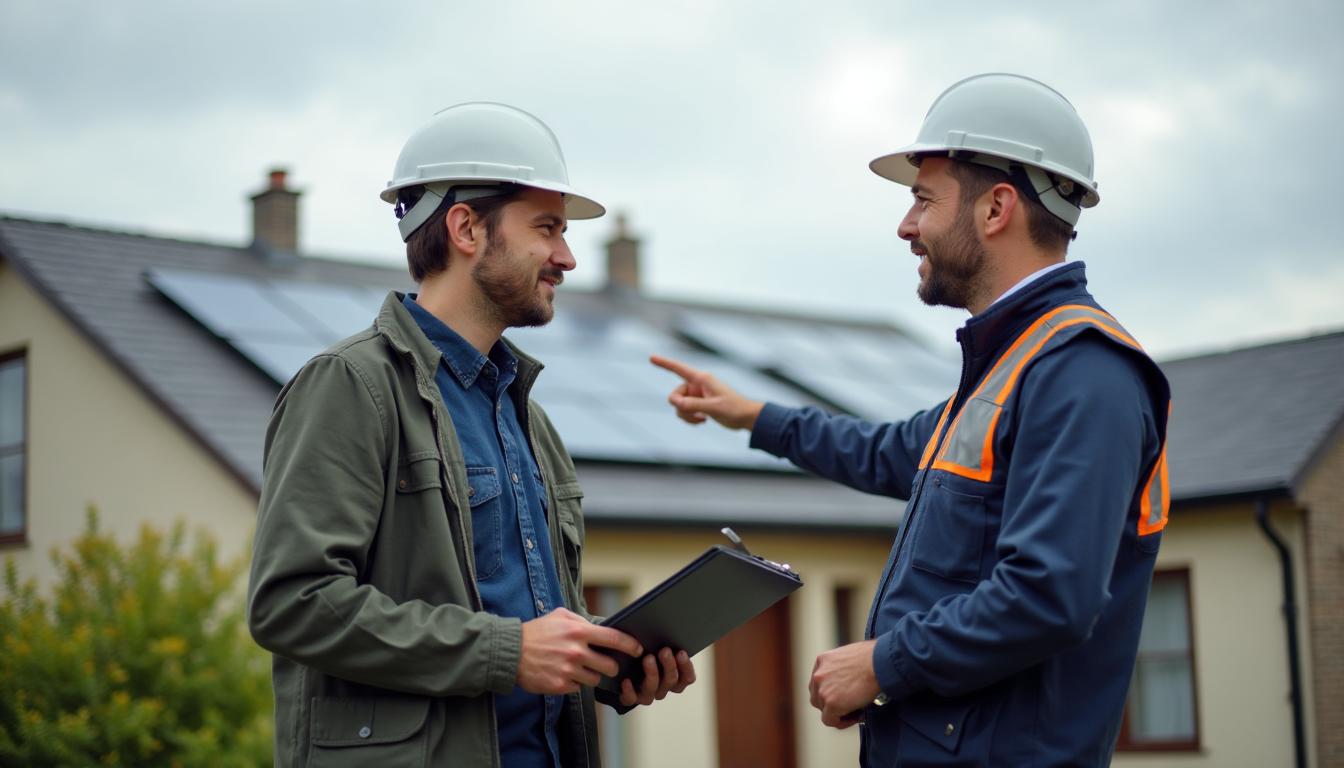
California leads the nation in solar adoption, with millions of homes already generating their own electricity. Solar roofing makes particular sense in the Golden State, with abundant sunshine, high electricity rates, and strong incentive programs. This guide covers everything California homeowners need to know about adding solar to their roofing project.
Why Solar Makes Sense in California
California offers exceptional conditions for solar energy. Average sunshine ranges from 260 to 300 days per year depending on region. Electricity rates are among the highest in the nation, making self-generation valuable. State and federal incentives reduce installation costs significantly.
The combination of high sunlight, high electricity costs, and available incentives creates compelling economics for solar roofing throughout California.
Solar Panels vs Solar Shingles
Two primary options exist for residential solar roofing. Traditional solar panels mount on racks above existing roofing. Solar shingles integrate solar cells into roofing materials.
Solar panels offer proven technology with decades of performance data. They typically provide higher efficiency per square foot. Costs have dropped dramatically, making panels the most economical choice for most applications.
Solar shingles provide integrated aesthetics for homeowners who prefer seamless appearance. Products like Tesla Solar Roof and similar offerings combine roofing and power generation. Costs are higher than panel systems, but the combined roof-plus-solar expense may be competitive when roof replacement is already needed.
Roof Assessment for Solar
Before installing solar, your roof must be evaluated for suitability. Age and condition determine whether solar can be installed on existing roofing or if replacement is needed first. Most solar systems last 25 to 30 years, so installing on a roof that will need replacement soon creates problems.
Roof orientation affects production. South-facing roofs produce maximum energy. West-facing roofs produce well during afternoon peak demand periods. East-facing roofs produce well in morning hours. North-facing roofs in California can still be viable but produce less energy.
Shading from trees, chimneys, or neighboring buildings reduces production. Site assessment identifies optimal panel placement and realistic production estimates.
California Solar Incentives
Multiple incentives reduce solar installation costs. The federal Investment Tax Credit provides a significant credit on federal income taxes for qualified solar installations. Current rates and phase-down schedules affect project timing.
California does not currently offer state tax credits, but net energy metering provides ongoing value by crediting excess generation against utility bills. Some local governments offer additional incentives or streamlined permitting.
Low-income households may qualify for additional programs providing free or reduced-cost solar installations.
Understanding Net Energy Metering
California's Net Energy Metering 3.0 rules determine how utilities credit solar generation. Under NEM 3.0, credits for exported electricity are lower than retail rates. The value varies by time of export, with afternoon exports worth less than evening exports.
These rules make battery storage more valuable than under previous programs. Systems with batteries can store daytime generation for evening use when both electricity rates and battery discharge values are higher.
Battery Storage Considerations
Home batteries complement solar by enabling use of generated power when needed most. Evening hours when solar stops producing but family activity peaks benefit from stored energy. Backup power during grid outages protects critical loads. Time-of-use optimization shifts usage to lowest-cost periods.
California's Self-Generation Incentive Program may offset battery costs. The incentive varies based on installation timing and customer eligibility.
Choosing a Solar Installer
Solar installation in California requires proper licensing. The A (General Engineering) or C-10 (Electrical) license authorizes solar installation. Some installers hold the specialized C-46 Solar Contractor license.
Look for installers with substantial California experience, as local knowledge of utilities, permitting, and site conditions affects project success. Verify licensing through the Contractors State License Board. Check reviews and request references for systems installed several years ago.
Coordinating with Roof Replacement
If your roof needs replacement, coordinating with solar installation offers advantages. Installing solar on a new roof eliminates concern about premature re-roofing. Some contractors offer combined pricing for roof and solar. Roof design can optimize for solar placement.
If replacing your roof within the next five to ten years, consider accelerating the timeline to install solar on the new roof from the start.
Permit and Utility Requirements
Solar installation requires building permits and utility approval. California has streamlined solar permitting, but requirements still apply. Structural review confirms roof can support panel weight. Electrical review verifies safe system design. Fire department setbacks may affect panel placement.
Utility interconnection agreements establish net metering arrangements. Processing times vary by utility, so plan for several weeks between installation and system activation.
Production Estimates and Monitoring
Reputable installers provide production estimates based on your specific site conditions. Estimates should account for roof orientation, tilt, shading, and local weather patterns. Compare production estimates from multiple installers to identify outliers.
Modern solar systems include monitoring that tracks production in real-time. Monitoring helps identify any performance issues quickly. Many homeowners enjoy watching their energy production and savings accumulate.
Maintenance Requirements
Solar systems require minimal maintenance. Panels have no moving parts and generally require only occasional cleaning. Annual inspection ensures all components function properly. Most warranties cover equipment for 25 years or more.
Roof maintenance beneath and around panels requires some planning. Panel removal for roof repairs adds cost and complexity, reinforcing the importance of installing on roofing with substantial remaining life.
Conclusion
Solar roofing represents an excellent investment for most California homeowners. The combination of abundant sunshine, high electricity rates, and available incentives creates compelling economics. Whether choosing traditional panels or integrated solar shingles, adding solar to your roofing project generates value for decades.
Ready to find California contractors experienced with solar roofing installations? Browse our verified contractor directory featuring professionals in San Diego, Los Angeles, Fresno, and communities throughout California.