
Solar Panels vs. Solar Shingles in Florida: Which Option Delivers Better Value for Your Home?
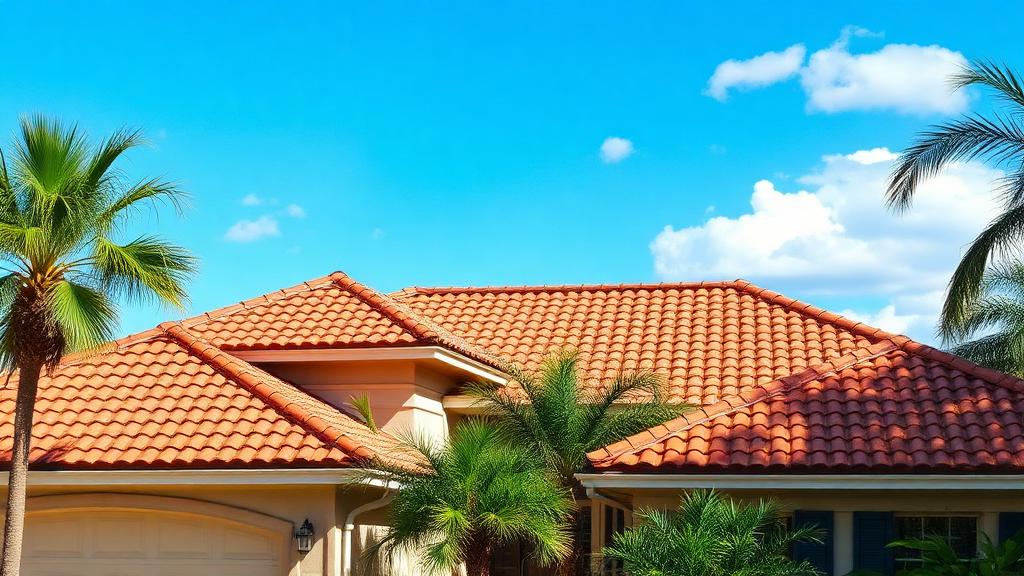
Florida homeowners exploring solar energy face an important decision between traditional solar panels and newer integrated solar shingles. Both technologies capture the Sunshine States abundant solar resource, but they differ significantly in cost, performance, aesthetics, and practicality for Florida conditions. This detailed comparison helps Florida homeowners understand which option best matches their priorities and property characteristics.
Understanding the Technology Differences
Before diving into Florida-specific considerations, understanding how these technologies work helps clarify their respective advantages.
Traditional Solar Panels Explained: Conventional solar panels consist of photovoltaic cells mounted in aluminum frames, installed on racks attached to your existing roof. Modern panels achieve 20-22% efficiency, converting roughly one-fifth of sunlight into electricity. Panels connect to inverters that convert DC power to AC electricity for home use. This mature technology offers proven performance backed by decades of real-world operation.
Solar Shingles Technology: Solar shingles integrate photovoltaic cells directly into roofing materials that replace conventional shingles. Products like Tesla Solar Roof, GAF Timberline Solar, and CertainTeed Apollo II combine energy generation with weather protection. Current solar shingles achieve 14-18% efficiency, lower than premium panels but continuously improving. These systems require complete roof installation rather than addition to existing roofing.
Hybrid Approaches: Some manufacturers offer solar tiles or modules that blend characteristics of both technologies, providing closer integration than rack-mounted panels while avoiding complete roof replacement. These options may suit specific situations where neither pure approach fits perfectly.
Cost Comparison for Florida Installations
Financial considerations typically drive technology selection for most Florida homeowners.
Traditional Panel Costs: Florida homeowners typically pay $2.50-$3.50 per watt for quality panel installations after incentives. A typical 8-kilowatt system costs $14,000-$20,000 after the federal tax credit. This pricing reflects competitive Florida markets with numerous experienced installers. Panel systems do not include roof replacement costs, which may add $8,000-$20,000 depending on roof size and material selection.
Solar Shingle Costs: Integrated solar shingle systems cost $6.00-$8.00 per watt for the solar portion, plus roofing costs for non-solar areas. Complete Tesla Solar Roof installations in Florida typically run $45,000-$75,000 for average homes, depending on roof complexity and system size. GAF Timberline Solar offers somewhat lower pricing at $4.50-$6.00 per watt but still exceeds panel costs significantly.
Total Cost of Ownership Analysis: When your Florida home needs roof replacement anyway, the cost comparison changes somewhat. Adding panel installation costs to roof replacement costs narrows the gap with solar shingles. However, even in replacement scenarios, traditional panels typically cost less per watt of installed capacity. Calculate your specific situation to determine actual cost differences.
Payback Period Implications: Higher solar shingle costs extend payback periods significantly. A panel system that pays back in 6-8 years might require 12-15 years for equivalent solar shingle capacity. For homeowners prioritizing financial returns, this difference matters considerably.
Efficiency and Energy Production
Energy production directly impacts financial returns and system sizing requirements.
Panel Efficiency Advantages: Premium solar panels achieve 20-22% efficiency, with some models exceeding 23%. This efficiency means smaller roof areas generate more power, important for Florida homes with limited south-facing roof space. Higher efficiency also means better performance on high-temperature days when all solar technologies lose some output.
Solar Shingle Efficiency Reality: Current solar shingles achieve 14-18% efficiency, requiring roughly 25-40% more roof area for equivalent output compared to premium panels. Tesla Solar Roof efficiency has improved but remains below conventional panel performance. This efficiency gap may narrow as technology advances but currently represents a meaningful difference.
Florida Heat Performance: High temperatures reduce output for all solar technologies, but the magnitude varies. Panels mounted with air gaps benefit from convective cooling that maintains efficiency. Solar shingles installed flush against roof decking experience higher temperatures and potentially greater efficiency losses on Floridas hottest days.
Shading Sensitivity: Traditional panels with module-level power electronics (microinverters or optimizers) handle partial shading better than some solar shingle systems. Florida properties with tree shading or complex roof geometries may achieve better production with properly configured panel systems.
Hurricane and Storm Performance
Floridas storm exposure makes durability a critical consideration for any roofing decision.
Panel Hurricane Ratings: Quality solar panels installed with Florida-compliant mounting systems achieve wind ratings exceeding 150 mph, meeting High-Velocity Hurricane Zone requirements. Flush-mount configurations reduce wind uplift compared to tilted rack systems. Properly installed panels have demonstrated excellent survival rates through major Florida hurricanes including Irma and Michael.
Solar Shingle Storm Performance: Building-integrated solar shingles undergo testing equivalent to conventional roofing materials plus solar equipment requirements. Tesla Solar Roof achieves Class 3 hail ratings and wind ratings appropriate for Florida installation. GAF Timberline Solar benefits from decades of conventional shingle development applied to solar products.
Debris Impact Considerations: Both technologies face debris impact risks during hurricanes. Some solar panels offer impact ratings protecting against hail and smaller debris. Solar shingles distribute cells across more individual units, potentially limiting damage from any single impact. Neither technology provides complete protection against major debris strikes.
Repair Complexity After Storms: Panel systems allow replacement of individual damaged panels without affecting surrounding equipment. Solar shingle repairs may require matching specific shingle generations or models that may become unavailable over 25-year system lifespans. Consider manufacturer stability and parts availability when evaluating long-term serviceability.
Aesthetic Considerations for Florida Homes
Appearance matters significantly for many homeowners and may influence HOA approval.
Traditional Panel Appearance: Conventional panels create a distinct technical appearance that some homeowners appreciate while others find unappealing. Black-on-black panels with dark frames minimize visual contrast but remain visible as added equipment. Panel placement flexibility allows positioning on less visible roof sections when roof geometry permits.
Solar Shingle Aesthetics: Integrated solar shingles provide sleek, uniform appearances that closely resemble conventional premium roofing. From street level, solar shingles may be nearly indistinguishable from traditional architectural shingles. This seamless integration appeals to design-conscious homeowners and often satisfies even restrictive HOAs.
HOA and Community Considerations: Florida law protects solar installation rights, but HOAs can impose reasonable aesthetic requirements. Panel systems may face more scrutiny than integrated shingles in communities with strict architectural standards. Solar shingles rarely encounter HOA objections due to their conventional appearance.
Resale Appeal: Both technologies appeal to environmentally conscious buyers, but solar shingles may attract broader interest due to superior aesthetics. However, buyers also evaluate cost-effectiveness, and higher solar shingle costs may not translate to proportionally higher resale values.
Installation Process Comparison
Installation requirements differ significantly between technologies.
Panel Installation Timeline: Traditional solar panel installation on existing roofs typically requires 1-3 days for residential systems. This quick installation minimizes disruption and allows rapid commissioning. Roof-mounted panels can be installed year-round during Floridas generally favorable weather conditions.
Solar Shingle Installation Requirements: Solar shingle systems require complete roof installation, equivalent to full re-roofing projects. Installation timelines extend to 1-3 weeks depending on roof size and complexity. This comprehensive project involves significant household disruption but addresses roofing and solar needs simultaneously.
Roof Condition Requirements: Panel installations require roofs in good condition with sufficient remaining lifespan (typically 10+ years). Installing panels on roofs requiring replacement within 10 years creates wasteful removal and reinstallation costs. Solar shingles eliminate this concern by replacing roofing entirely.
Installer Availability: Traditional panel installers operate throughout Florida, providing competitive options in most markets. Solar shingle installers remain more limited, particularly for Tesla Solar Roof installations outside major metro areas. GAF Timberline Solar offers broader installer networks through existing roofing contractor relationships.
Warranty and Long-Term Support
Long-term protection matters for 25-30 year investments.
Panel Warranty Structure: Quality solar panels typically carry 25-year production warranties guaranteeing 80-85% output retention. Separate equipment warranties cover defects for 10-25 years depending on manufacturer. Inverter warranties range from 10-25 years, with microinverters typically offering longer coverage than string inverters.
Solar Shingle Warranties: Tesla Solar Roof provides 25-year tile warranty, 25-year power output warranty, and 10-year weatherization warranty. GAF Timberline Solar offers similar protection backed by GAFs established roofing warranty program. CertainTeed provides comprehensive coverage through their building products warranty infrastructure.
Manufacturer Stability Considerations: Traditional solar panel warranties come from established manufacturers with decades of industry presence. Some solar shingle products come from newer companies with less proven longevity. Consider manufacturer financial stability when evaluating long-term warranty reliability.
Serviceability and Parts Availability: Panel systems use relatively standardized components available from multiple sources. Solar shingle repairs depend on manufacturer-specific products that may become unavailable if companies exit the market or discontinue models. This parts availability risk deserves consideration for 25+ year investments.
When Panels Make More Sense
Certain situations favor traditional panel installations for Florida homeowners.
Existing Roof in Good Condition: If your roof has 15+ years of remaining lifespan, adding panels preserves this asset while generating clean energy. Solar shingle installation would waste functional roofing while significantly increasing project costs.
Budget Constraints: When upfront costs matter, traditional panels deliver more solar capacity per dollar spent. The 40-60% cost difference allows larger system installation or faster payback periods for budget-conscious homeowners.
Maximum Energy Production Priority: If generating maximum power matters more than aesthetics, panel efficiency advantages translate to more kilowatt-hours from available roof space. Properties with limited optimal roof area particularly benefit from panel efficiency.
Flexibility and Future Options: Panel systems allow easier modification, expansion, or technology updates compared to building-integrated products. Homeowners anticipating future changes may prefer panel flexibility.
When Solar Shingles Make More Sense
Other situations favor integrated solar shingle selection.
Roof Replacement Needed: When your Florida roof requires replacement regardless, solar shingles address both needs simultaneously. The cost comparison becomes more favorable when roof replacement costs are already committed.
Aesthetic Priority: Homeowners prioritizing appearance or facing strict HOA requirements may find solar shingles worth the premium. The seamless integration justifies additional costs for design-focused properties.
New Construction: Building new homes offers ideal solar shingle opportunities, integrating solar from initial design without working around existing conditions. Builders increasingly offer solar shingle options for Florida developments.
Long-Term Ownership Horizon: Homeowners planning 20+ year ownership may value solar shingle integration and aesthetics more than faster payback periods. Lifetime ownership changes the economic calculus somewhat.
Making Your Florida Decision
Consider these factors when choosing between technologies for your Florida home.
Evaluate Roof Condition First: Have a qualified inspector assess your current roof condition and remaining lifespan. This evaluation determines whether panel installation makes sense or roof replacement creates solar shingle opportunity.
Calculate Total Project Costs: Compare complete costs for each scenario including any necessary roof work. Get quotes from qualified installers for both technologies to understand actual pricing differences in your market.
Consider Your Priorities: Rank the importance of cost, aesthetics, efficiency, and long-term flexibility for your situation. Different priority rankings lead to different optimal choices.
Evaluate Installer Options: Research available installers for each technology in your Florida market. Limited installer availability for certain products may influence practical decisions regardless of technical preferences.
Conclusion
Both traditional solar panels and integrated solar shingles offer viable paths to clean energy for Florida homeowners. Panels provide better economics and higher efficiency for most situations, while solar shingles deliver superior aesthetics at premium prices. Your specific circumstances including roof condition, budget, priorities, and ownership horizon determine which technology best serves your needs.
Explore your options. Browse Florida solar specialists for professional guidance on both technologies.