Roof Replacement in Dallas-Fort Worth: What Homeowners Need to Know
The Dallas-Fort Worth metroplex experiences some of the most challenging roofing conditions in America. Severe hail storms, tornadoes, and extreme temperature swings demand careful planning for roof replacement projects.
DFW Climate Challenges
North Texas weather creates unique roofing demands.
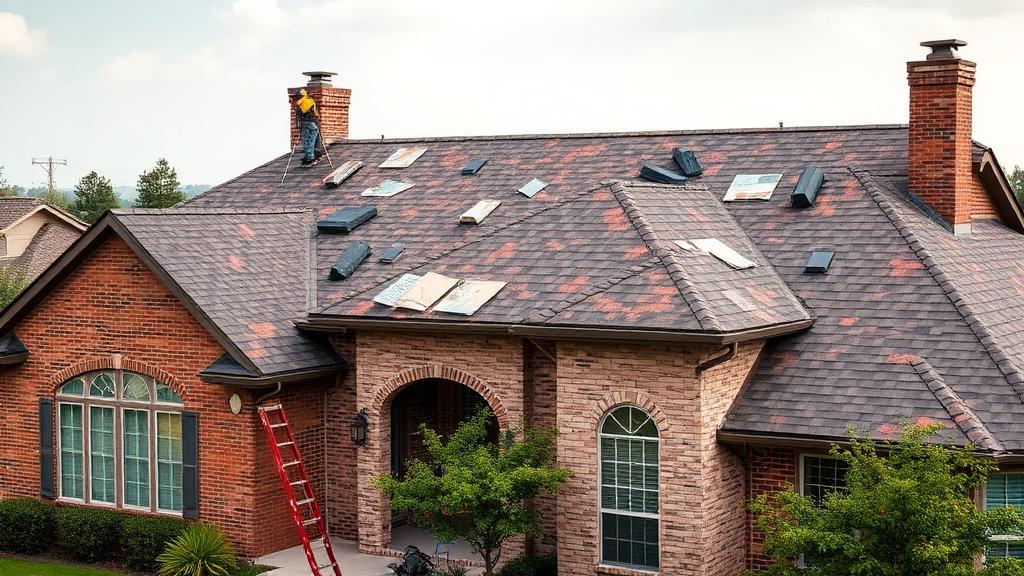
Hail Storms: DFW ranks among the nation's highest for hail damage claims. The region experiences multiple significant hail events annually, making impact resistance a priority.
Temperature Extremes: Summer temperatures regularly exceed 100°F while winter can bring ice storms. Materials must handle this 100+ degree temperature range.
Severe Storms: Tornado season brings high winds, large hail, and heavy rain. Wind ratings of 110+ mph are recommended.
Impact-Resistant Materials for DFW
Class 4 Shingles: UL 2218 Class 4 rated shingles withstand 2-inch hailstones. Major manufacturers offer these with enhanced warranties.
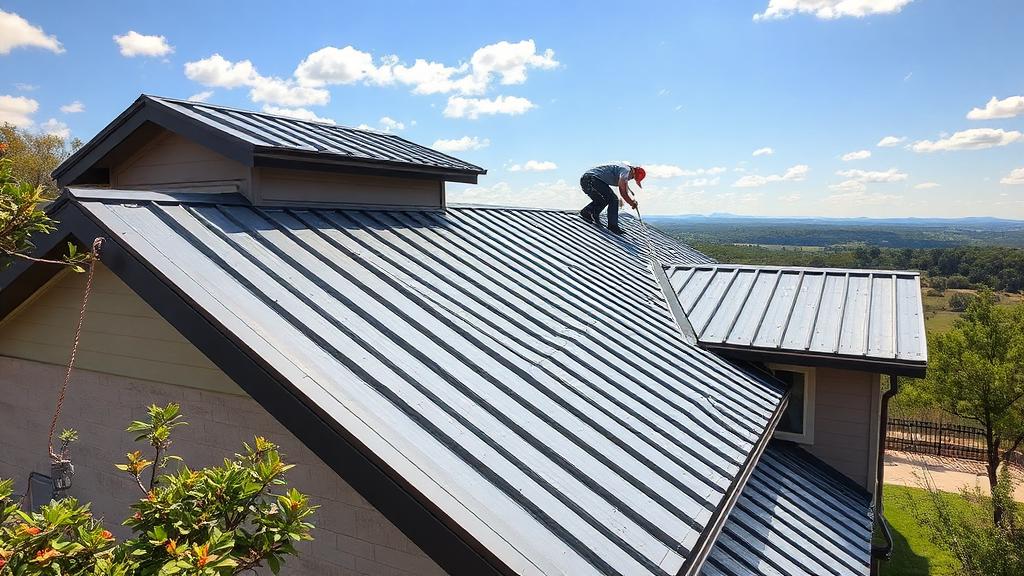
Metal Roofing: Standing seam metal resists hail damage better than most materials and handles high winds effectively.
Synthetic Slate: Impact-resistant composites provide slate aesthetics with superior hail resistance.
Stone-Coated Steel: Combines metal durability with traditional shingle appearance and Class 4 ratings.
Dallas-Fort Worth Replacement Costs
Current 2026 pricing:
- Standard Architectural Shingles: $9,000-$16,000
- Impact-Resistant Shingles: $11,000-$20,000
- Metal Roofing: $16,000-$32,000
- Tile or Synthetic: $22,000-$45,000
Insurance Benefits for Impact-Resistant Roofing
Texas law requires insurance discounts for qualified roofing materials.
Discount Requirements: Homes with UL 2218 Class 3 or 4 rated roofing qualify for premium discounts.
Typical Savings: Discounts range from 5-35% on the wind/hail portion of premiums.
Documentation Needed: Your contractor should provide certification of materials and installation for insurance submissions.
Choosing a DFW Roofing Contractor
Local Established Contractors: Choose companies with 5+ years in the DFW market and verifiable local references.
Post-Storm Verification: After major hail events, verify contractor credentials carefully. Storm chasers often provide substandard work.
Manufacturer Certifications: GAF Master Elite, Owens Corning Platinum, or CertainTeed SELECT certifications indicate quality training.
Warranty Review: Compare workmanship warranty terms carefully. 10-year workmanship warranties are standard for quality contractors.
Building Code Considerations
DFW municipalities have adopted updated wind and energy codes.
Wind Resistance: Most areas require enhanced wind resistance for new installations.
Ventilation Requirements: Proper attic ventilation is code-required and affects warranty validity.
Energy Codes: Some materials qualify for energy efficiency incentives.
Timing Your DFW Replacement
Optimal Seasons: Early spring (March-April) and late fall (October-November) offer best conditions.
Avoid: Peak summer heat affects adhesive performance; active storm season can delay projects.
Post-Storm Timing: After major hail events, contractor availability decreases. Book quickly or wait for market normalization.
Conclusion
DFW homeowners should prioritize impact-resistant materials given the region's hail exposure. Insurance discounts often offset the premium cost of Class 4 materials. Work with established local contractors who understand North Texas conditions.
Find Dallas-Fort Worth roofing contractors for impact-resistant roofing options.