Colorado Springs Roofing Contractors: Complete 2026 Hiring Guide
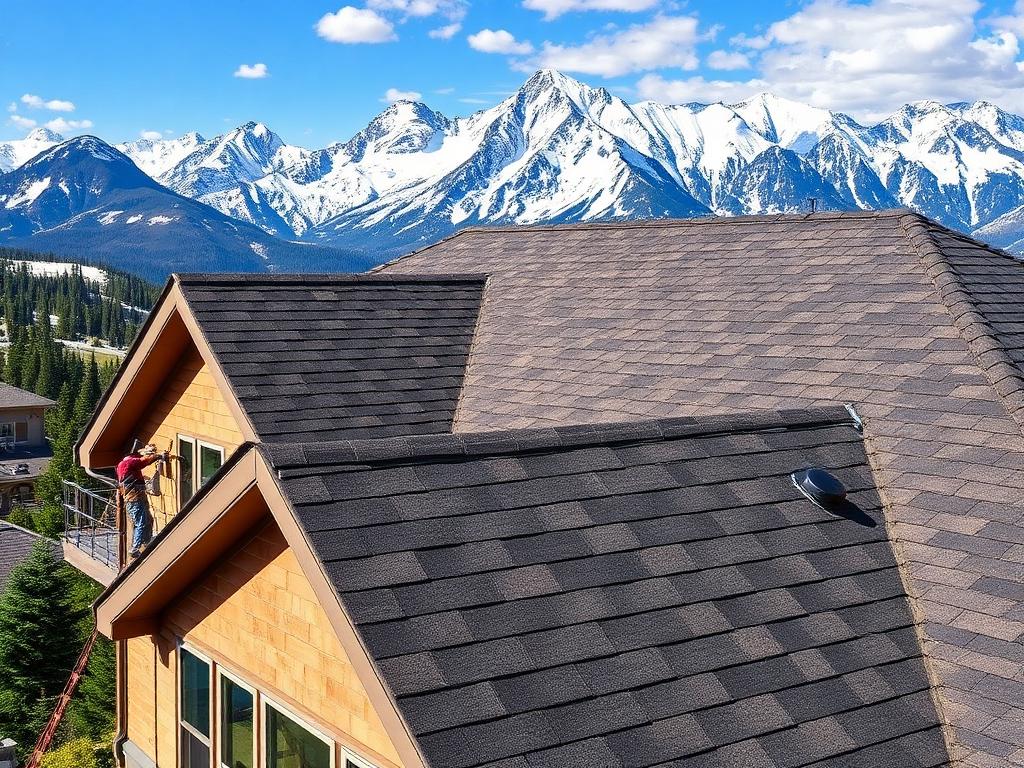
Colorado Springs faces some of the most challenging roofing conditions in the nation, combining severe hail, heavy mountain snow, intense high-altitude UV, and dramatic temperature swings. This guide helps Colorado Springs homeowners understand local requirements, select appropriate materials, and find qualified contractors for their roofing projects.
Colorado Springs Weather Challenges
The Pikes Peak region creates unique weather patterns affecting roof performance.
Severe Hail: Colorado Springs regularly experiences significant hail events during spring and summer months. Large hail can devastate conventional roofing materials, making impact resistance a primary consideration.
High-Altitude UV Exposure: At over 6,000 feet elevation, Colorado Springs roofs receive more intense UV radiation than lower-altitude locations. This accelerates material degradation and color fading.
Heavy Snowfall: Winter storms can deposit significant snow loads on roofs. Proper structural capacity and design that promotes snow shedding are important considerations.
Temperature Extremes: Daily temperature swings of 40-50°F are common, creating continuous expansion and contraction cycles that stress roofing materials and fasteners.
Chinook Winds: Warm, dry Chinook winds descending from the mountains can create sudden temperature changes and high wind speeds affecting roof integrity.
Impact-Resistant Roofing Options
Given hail frequency, impact resistance is paramount for Colorado Springs roofs.
Class 4 Shingles: Class 4 impact-resistant shingles undergo UL 2218 testing demonstrating resistance to simulated hail impact. These shingles contain polymer-modified asphalt and often reinforced backing that absorbs impact energy.
Insurance Benefits: Most Colorado insurers offer significant premium discounts (often 20-30%) for Class 4 rated roofing. These savings can offset higher material costs over time.
Metal Roofing: Quality metal roofing systems resist hail damage effectively. Standing seam metal provides superior impact resistance compared to exposed-fastener systems.
Synthetic Slate and Shake: Composite materials mimicking natural slate or wood shake appearance provide impact resistance unavailable from natural materials.
Stone-Coated Steel: Stone-coated steel tiles combine metal's impact resistance with traditional tile appearance popular in some Colorado Springs neighborhoods.
El Paso County Permit Requirements
Understanding local requirements helps projects proceed smoothly.
Building Permits: El Paso County and Colorado Springs require permits for roofing projects. Permit applications include scope of work and contractor information.
No State Licensing: Colorado does not require state contractor licensing for residential roofing. This makes contractor research particularly important to verify qualifications.
Insurance Verification: Since no license requirement exists, verifying contractor insurance becomes essential. Confirm general liability and workers compensation coverage before work begins.
HOA Requirements: Many Colorado Springs neighborhoods have HOA requirements affecting material and color choices. Verify requirements before final material selection.
Recommended Materials
Material selection should prioritize durability under local conditions.
Impact-Resistant Shingles: Class 4 architectural shingles from major manufacturers provide proven performance in Colorado Springs. Popular options include CertainTeed Landmark IR, Owens Corning Duration FLEX, and GAF Timberline HDZ.
Standing Seam Metal: Standing seam metal roofing handles hail, snow, and UV exposure exceptionally well. Material costs are higher, but longevity often exceeds 50 years.
Concrete Tile: High-quality concrete tile can provide good hail resistance and lasting performance when properly installed with appropriate underlayment.
Wood Shake Alternatives: While natural wood shake was historically common, fire concerns and hail damage vulnerability have led many to choose synthetic alternatives that maintain appearance with better performance.
Colorado Springs Roofing Costs
Local costs reflect material requirements and market conditions.
Standard Shingle Roofs: Complete replacement with standard architectural shingles costs $9,500-$19,000 for typical homes.
Class 4 Impact-Resistant: Impact-resistant shingle roofs cost $11,000-$22,000, with insurance premium savings offsetting the premium over time.
Metal Roofing: Quality metal roofing installations run $15,000-$35,000 depending on material and complexity.
Repairs: General repairs range $375-$1,300. Hail damage repairs vary significantly based on damage extent.
Insurance Claims: Many roofing projects follow hail damage with insurance covering replacement. Work with contractors experienced in insurance claim processes.
Finding Qualified Contractors
Without state licensing, due diligence is especially important.
Insurance Verification: Always verify general liability (minimum $1 million) and workers compensation coverage. Request certificates of insurance.
References and Portfolio: Request references from recent Colorado Springs projects. Drive by completed work to assess quality.
Storm Chaser Awareness: After major hail events, out-of-state contractors arrive seeking work. While some are legitimate, many disappear after projects, leaving warranty issues. Prioritize established local contractors.
Written Contracts: Ensure comprehensive written contracts covering scope, materials, timeline, payment terms, and warranty information.
Manufacturer Certifications: Contractors certified by major manufacturers often provide enhanced warranties. GAF Master Elite, Owens Corning Platinum Preferred, and similar certifications indicate training and quality standards.
Seasonal Considerations
Colorado Springs weather affects project timing.
Ideal Seasons: Late spring (after hail season) and early fall provide good conditions. Summer work proceeds well with early starts to manage afternoon thunderstorms.
Hail Season: April through August brings highest hail risk. Many homeowners wait until fall to avoid immediate damage to new roofs. However, damaged roofs need timely repair regardless of season.
Winter Work: Winter roofing is possible during dry periods but more challenging. Material handling and installation must account for temperature limitations.
Conclusion
Colorado Springs roofing requires materials and installation quality suited to the region's demanding conditions. Impact-resistant materials, proper installation, and qualified contractors with local experience ensure lasting protection for your home. Take advantage of insurance discounts for Class 4 materials that recognize the real protection they provide.
Find verified Colorado Springs roofing contractors serving the Pikes Peak region.