Virginia Historic Roofing: Preservation Guide for Colonial and Victorian Homes
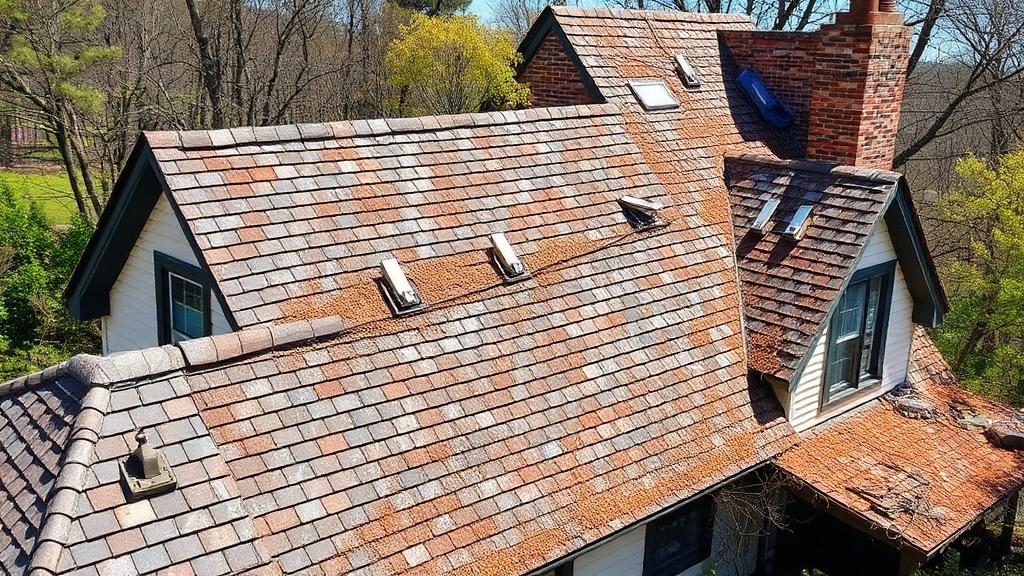
Virginia rich history includes thousands of properties with significant architectural heritage. Understanding historic roofing preservation helps homeowners maintain these valuable assets appropriately.
Virginia Historic Architecture
Colonial Period: Virginia has extensive Colonial architecture dating to the 1600s-1700s. Original roofing materials included wood shingles, slate, and in some cases, early metal.
Federal and Georgian: Early American architectural styles from 1780-1830 are well represented. These often featured slate or wood roofing.
Victorian Era: Late 19th-century homes in Virginia cities often have elaborate rooflines and slate roofing.
Early 20th Century: Craftsman, Colonial Revival, and other styles may have original slate, tile, or early composition roofing.
Historic District Requirements
Many Virginia communities have historic preservation regulations:
Local Historic Districts: Cities like Richmond, Alexandria, Fredericksburg, and Williamsburg have local historic districts with design review requirements.
National Register Properties: Properties listed on the National Register may have additional considerations, particularly if using tax credits.
Certificate of Appropriateness: Many districts require approval before roofing changes. Applications typically require material and color specifications.
Appropriate Materials
Slate Roofing: Original slate can last 100+ years. Repair with matching slate when possible. Full replacement should match original specifications.
Wood Shingles: Some historic properties originally had wood roofing. Modern fire-treated options are available where appropriate.
Standing Seam Metal: Historic metal roofing is appropriate for some periods and styles. Terne-coated steel was historically common.
Synthetic Alternatives: Some districts accept high-quality synthetic slate or shake that closely replicates original materials.
Finding Qualified Contractors
Historic work requires specialized expertise:
Experience: Choose contractors with documented experience on historic properties.
Material Knowledge: Contractors should understand historic materials and appropriate replacements.
Regulatory Understanding: Experience navigating historic review processes is valuable.
Gentle Methods: Contractors should use methods that do not damage historic fabric.
Tax Credits
Historic rehabilitation may qualify for tax benefits:
Federal Credits: Substantial rehabilitation of National Register properties may qualify for 20% federal tax credit.
Virginia State Credits: Virginia offers additional historic rehabilitation tax credits.
Requirements: Credits require following Secretary of the Interior Standards and approval before work begins.
Professional Guidance: Consult with historic preservation professionals before beginning credit-eligible work.
Maintenance Priority
Historic roofs benefit from proactive maintenance:
Regular Inspection: Annual professional inspection identifies problems early.
Prompt Repairs: Address damage immediately to prevent deterioration of historic materials.
Gentle Cleaning: Use appropriate methods that do not damage historic materials.
Conclusion
Virginia historic roofing preservation maintains architectural heritage and property value. Work with qualified professionals who understand historic requirements.
Need historic roofing expertise? Find Virginia roofing contractors experienced with preservation.