10 Signs Your Roof Needs Replacement, Not Just Repairs
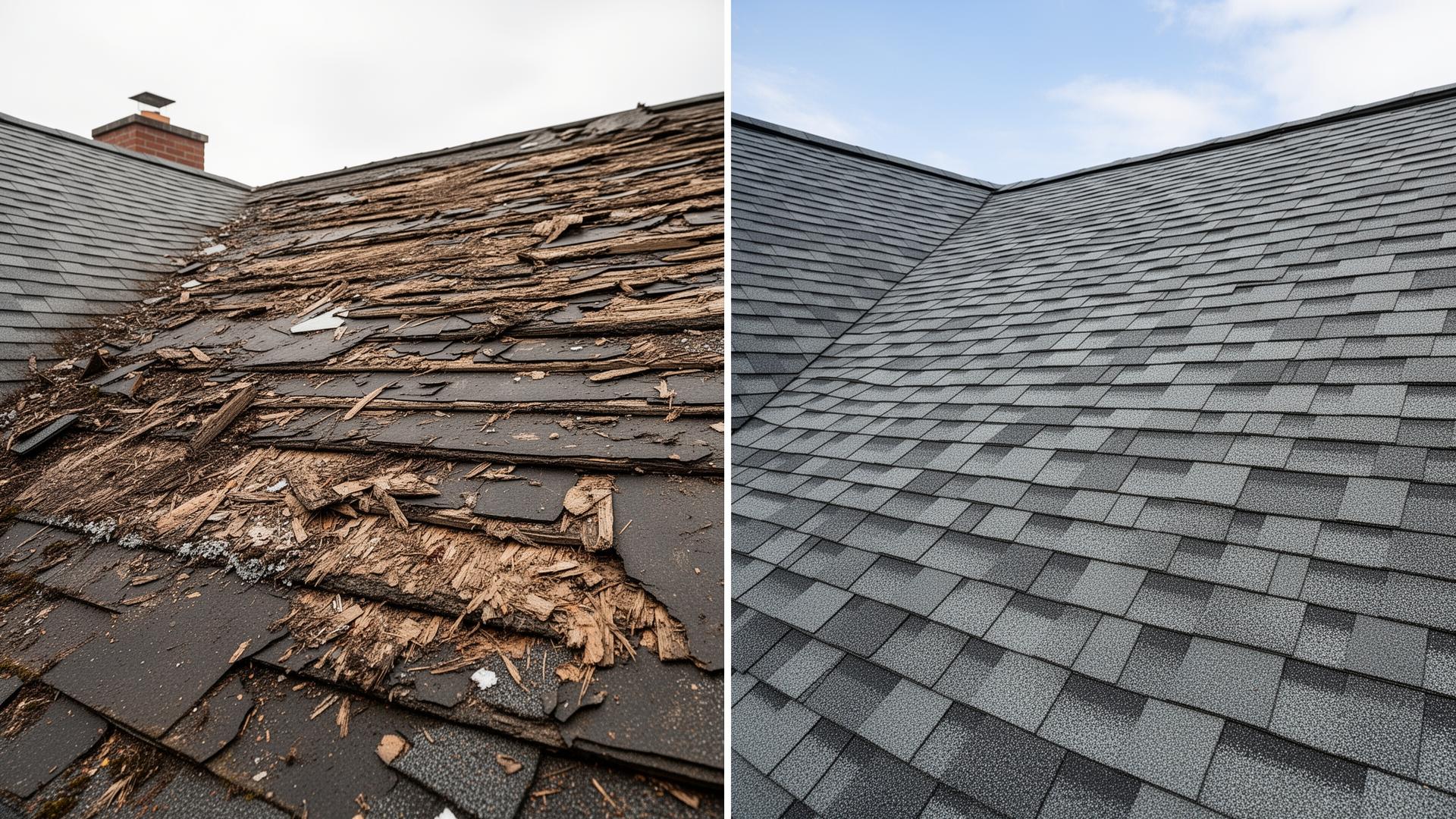
Every roof eventually reaches the point where repairs no longer make sense and replacement becomes the practical choice. Recognizing the signs that your roof has crossed this threshold saves money, prevents damage, and helps you plan proactively rather than reacting to emergencies.
1. Age Approaching Expected Lifespan
Different roofing materials have predictable lifespans that indicate when replacement becomes likely.
Asphalt Shingles: Standard three-tab shingles typically last 15 to 20 years. Architectural shingles last 20 to 30 years. Premium products may last 30 to 40 years. If your asphalt roof is within five years of these ranges, start planning for replacement.
Metal Roofing: Quality metal roofs last 40 to 70 years. Approaching this range suggests inspection for condition assessment.
Tile and Slate: These materials can last 50 to 100 years or more, but underlayment beneath them fails sooner. Age-related replacement often involves underlayment rather than the surface material.
Climate Impact: Harsh climates accelerate aging. Intense sun, severe winters, coastal salt air, and frequent storms can reduce expected lifespans by 20 to 30 percent.
2. Widespread Shingle Damage
When shingle problems appear across your entire roof rather than in isolated areas, replacement becomes practical.
Curling and Cupping: Edges that curl upward or corners that cup indicate advanced weathering. When this appears throughout the roof, shingles have lost their flexibility and waterproofing capability.
Cracking: Widespread cracking signals brittleness from age and UV exposure. Brittle shingles cannot withstand normal weather stresses.
Missing Granules: Some granule loss is normal, but when shingles appear bald or show large bare areas, their protective layer is gone. Heavy granules in gutters after rain indicate active deterioration.
Missing Shingles: If shingles are blowing off regularly rather than in isolated storm incidents, the adhesive system has failed and remaining shingles will follow.
3. Sagging Roof Sections
A sagging roof indicates structural problems that go beyond surface materials.
What Causes Sagging: Sagging typically results from water damage to decking or rafters, inadequate structural design for accumulated loads, or long-term stress from improper support.
Safety Concerns: Sagging sections may be at risk of collapse. Do not walk on or work on sagging roof areas.
Required Response: Sagging requires professional structural assessment. Replacement must include underlying repairs, not just new shingles over damaged structure.
4. Recurring Leaks After Repairs
When the same areas leak repeatedly despite repairs, something more fundamental is wrong.
Why Repairs Fail: Repeated leaks often indicate underlayment failure, deck damage allowing water to migrate, systematic problems with installation or design, or materials too deteriorated to properly integrate repairs.
Cost Comparison: Multiple repairs in the same areas quickly exceed replacement costs while leaving you with ongoing problems. When repair costs approach 50 percent of replacement, replacement becomes the better investment.
5. Visible Daylight in Attic
Light visible through your roof boards indicates significant problems.
What It Means: Gaps allowing light also allow water, pests, and weather. The integrity of your roof system is compromised.
Inspection Approach: On a bright day, enter your attic with lights off. Look for any points of light. Also look for staining that indicates past water entry.
Severity: Scattered points of light suggest failed flashing or localized damage. Widespread light indicates systematic failure requiring replacement.
6. Extensive Moss, Algae, or Rot
While some biological growth is cosmetic, extensive infestation indicates underlying problems.
Moss Damage: Moss holds moisture against shingles, accelerating deterioration. Extensive moss that has been present for years may have already caused significant damage beneath.
Algae Concerns: Algae (those dark streaks) is primarily cosmetic but may indicate consistently moist conditions that also promote decay.
Wood Rot: Any visible rot in deck boards, fascia, or trim visible from the attic suggests water intrusion that has been occurring for some time. Extent of rot determines repair versus replacement needs.
7. Rising Energy Bills
Unexpected increases in heating and cooling costs may indicate roof problems.
How Roofs Affect Energy: Failing roofing allows hot air escape in winter and heat penetration in summer. Poor ventilation compounds these issues.
What to Check: Look for insulation problems in the attic that may have been caused by water intrusion. Check that ventilation systems are functioning properly.
Replacement Benefit: Modern roofing systems with proper insulation and ventilation can significantly reduce energy costs, offsetting replacement investment over time.
8. Failed Flashing Throughout
When flashing failures appear in multiple locations, systematic replacement is warranted.
Flashing Purpose: Flashing protects every joint, penetration, and transition on your roof. When flashing fails in multiple locations, water enters at multiple points.
Repair Limitations: Replacing flashing typically requires removing surrounding shingles. When this is needed in multiple areas on an older roof, combined with new shingles needed for the disturbed areas, replacement of the entire roof becomes more economical.
9. Insurance or Sale Requirements
Sometimes external factors make replacement necessary regardless of remaining life.
Insurance Issues: Some insurers will not cover roofs beyond certain ages or in certain conditions. If your insurance is cancelled or premiums become prohibitive due to roof condition, replacement may be required for continued coverage.
Sale Requirements: Buyers and their inspectors often require roof replacement as a condition of sale. If you are planning to sell, proactive replacement may improve sale price and reduce negotiation issues.
Wind Mitigation: In hurricane-prone areas, modern roofing systems that meet current wind codes can significantly reduce insurance premiums, potentially offsetting replacement costs.
10. Multiple Problems Combined
Individual issues may warrant repairs, but combined problems indicate systematic failure.
The Combination Factor: A roof with moderate shingle wear, some flashing issues, a few soft spots in decking, and occasional leaks is at the end of its useful life even if no single problem seems critical.
Professional Assessment: If you have concerns about multiple issues, get a professional inspection and honest assessment. Quality contractors will tell you when repairs make sense and when they are just postponing inevitable replacement. Find qualified roofing professionals in your area.
Repair Versus Replacement Economics
Understanding the financial comparison helps make the right decision.
The 50 Percent Rule: When repair costs approach 50 percent of replacement costs, replacement typically makes more sense. You get a completely new roof rather than a patched old one.
Remaining Life Value: Consider how much remaining life repairs will provide. Spending $2,000 on repairs for a roof with only three years left is worse economics than investing in replacement now.
Disruption Factor: Each repair involves contractor visits, temporary fixes, and uncertainty. Replacement provides certainty and typically a substantial warranty period.
Hidden Damage Risk: Repairs to old roofs often reveal additional problems once work begins. Replacement addresses all issues at once.
Planning for Replacement
Once you recognize replacement is needed, plan rather than react.
Budget Preparation: Start saving for replacement before emergency forces the decision. Spread the cost over time rather than facing sudden major expense.
Material Research: Research material options and their tradeoffs of cost, longevity, and appearance. Make informed choices rather than rushed decisions.
Contractor Selection: Take time to find and vet quality contractors. Emergency situations limit your options and negotiating position.
Timing Selection: Choose a season that works for your schedule and offers the best contractor availability and pricing in your area.
Conclusion
Recognizing when your roof has moved beyond repair helps you make smart financial decisions and prevents emergency situations. Age, widespread damage, structural issues, and recurring problems all signal that replacement makes more sense than continued repairs. By planning proactively, you can budget appropriately, select quality contractors, and replace on your schedule rather than in crisis mode.