
Optimizing Solar Panel Performance in Arizona Heat: Strategies for Maximum Desert Efficiency
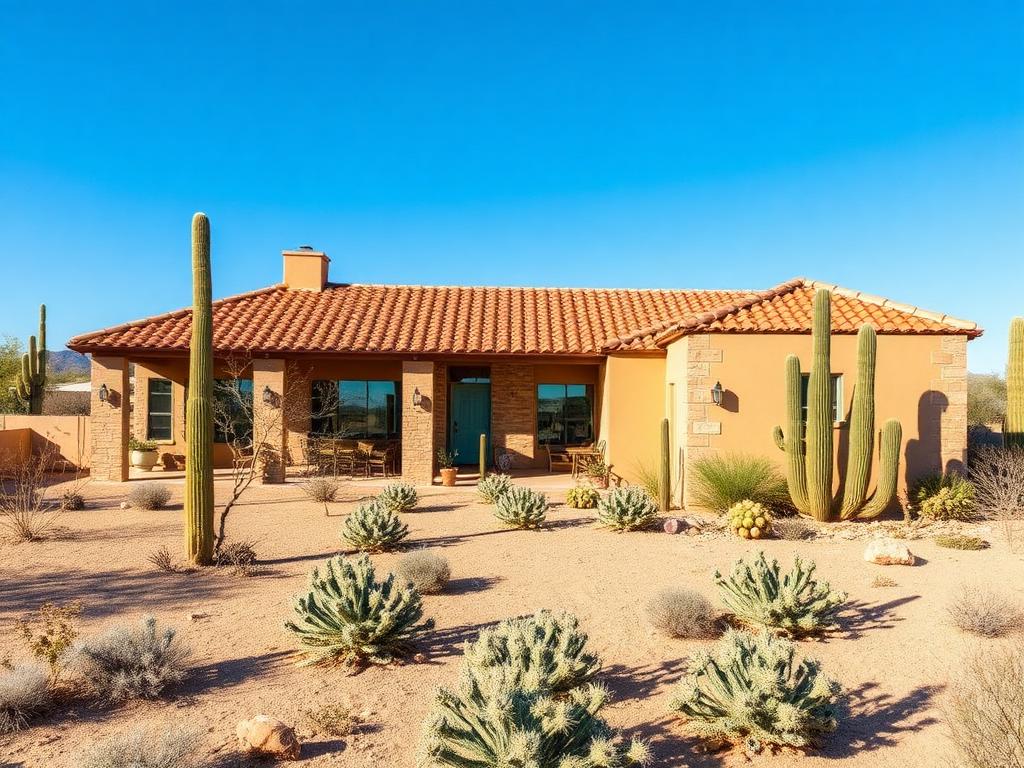
Arizona solar installations face extreme heat conditions that significantly impact panel performance and system output. While the Grand Canyon States exceptional sunshine creates outstanding solar potential, temperatures that push roof surfaces above 160 degrees Fahrenheit reduce panel efficiency substantially. Understanding and addressing heat effects allows Arizona homeowners to maximize production from their solar investments. This comprehensive guide details heat impact mechanisms and strategies for optimizing desert solar performance.
Understanding Heat Effects on Solar Panels
All solar panels lose efficiency as temperatures rise, but understanding the mechanisms helps address them.
Temperature Coefficient Basics: Solar panel specifications include temperature coefficients expressing efficiency loss per degree of temperature increase above 25 degrees Celsius (77 degrees Fahrenheit). Standard panels show coefficients around -0.40% to -0.45% per degree C, meaning each degree above 77 degrees F reduces output by roughly 0.4-0.45%.
Arizona Temperature Reality: Arizona roof surfaces commonly reach 150-180 degrees Fahrenheit (65-82 degrees C) during summer afternoons. Panel operating temperatures run roughly 20-30 degrees C above ambient air temperature. With ambient temps of 45 degrees C (113 degrees F), panel temps can exceed 70 degrees C (158 degrees F).
Efficiency Impact Calculation: If panel temperature reaches 70 degrees C (45 degrees above the 25 degree C standard test condition), a panel with -0.40% coefficient loses approximately 18% efficiency during peak heat hours. A panel with -0.45% coefficient loses approximately 20% efficiency under the same conditions.
Annual Production Impact: While peak heat hours represent only a portion of annual production, the cumulative impact of heat-related efficiency losses significantly affects total annual output. Arizona systems may produce 10-15% less than the same systems would in cooler climates, partially offset by higher irradiance levels.
Seasonal Variation: Heat impacts concentrate during summer months when temperatures peak. Spring and fall production often exceeds summer production despite shorter days because moderate temperatures allow panels to operate more efficiently.
Premium Panel Selection for Desert Performance
Panel selection provides the most significant opportunity to address heat effects.
Temperature Coefficient Comparison: Premium panels achieve temperature coefficients around -0.28% to -0.32% per degree C, while economy panels may reach -0.45% or higher. In Arizona conditions, this difference translates to 5-10% more production from premium panels during hot periods and meaningful lifetime production gains.
Efficiency Retention Calculation: Consider two panels operating at 70 degrees C (45 degrees above standard). Panel A with -0.30% coefficient loses 13.5% efficiency. Panel B with -0.45% coefficient loses 20.25% efficiency. Panel A produces roughly 8% more power than Panel B during this hot period.
Lifetime Production Difference: Over 25-30 year system lifespans, the cumulative production advantage of premium panels in Arizona conditions often justifies their 15-25% higher initial costs. Calculate lifetime production values when comparing options.
Technology Considerations: Different cell technologies respond differently to heat. N-type cells generally show better temperature coefficients than P-type cells. Heterojunction (HJT) technology typically demonstrates excellent heat performance. Evaluate technology characteristics when selecting panels.
Manufacturer Recommendations: Some manufacturers specifically engineer panels for hot-climate performance or recommend particular models for desert installations. Seek manufacturer guidance on Arizona-appropriate products.
Mounting and Ventilation Strategies
How panels are mounted affects operating temperatures.
Air Gap Importance: Mounting systems that allow air circulation beneath panels help convective cooling reduce operating temperatures. Adequate air gaps between panels and roof surfaces enable heat dissipation that flush-mount systems cannot achieve.
Standoff Height Considerations: Increasing standoff height (distance between panels and roof) enhances airflow and cooling. However, increased standoff also increases wind loading and may affect aesthetics. Balance cooling benefits against structural and visual considerations.
Rack vs. Flush Mounting: Rack-mounted systems with significant standoff run cooler than flush-mounted systems pressed against roof surfaces. However, flush mounting offers aesthetic advantages and reduced wind loading. The temperature difference typically ranges 5-15 degrees C depending on specific configurations.
Ventilation-Enhanced Products: Some mounting systems incorporate ventilation features specifically designed to enhance cooling. These products may cost more than standard mounting but provide thermal benefits in hot climates.
Roof Surface Temperature: Roof surface color and material affect temperatures beneath panels. Light-colored or reflective roofing runs cooler than dark shingles, potentially reducing panel operating temperatures by several degrees.
Production Monitoring and Optimization
Active monitoring helps identify and address performance issues.
Monitoring System Value: Inverters and monitoring systems that track individual panel performance help identify problems quickly. Production drops may indicate cleaning needs, equipment issues, or other problems requiring attention.
Expected Production Curves: Understand normal production patterns for your installation including seasonal variations, daily curves, and temperature effects. Deviations from expected patterns warrant investigation.
Cleaning Impact Tracking: Monitor production before and after cleaning to understand soiling impact. If cleaning produces significant production increases, more frequent cleaning may be economically justified.
Shading Detection: Unexpected production reductions during specific hours may indicate new shading from vegetation growth, construction, or other factors. Identify and address shading sources promptly.
Equipment Degradation Detection: Gradual production declines beyond expected degradation rates may indicate equipment problems. Compare actual degradation against manufacturer specifications and investigate significant variances.
Cleaning for Desert Conditions
Arizonas dusty environment requires regular cleaning attention.
Soiling Impact Reality: Arizona dust, pollen, and particulate matter accumulate on panel surfaces continuously. Depending on location and conditions, soiling can reduce production by 5-15% or more between cleanings. Regular cleaning maintains optimal performance.
Cleaning Frequency Recommendations: Most Arizona installations benefit from cleaning 3-4 times annually. Properties near construction, agriculture, or dust-generating activities may require monthly cleaning. Adjust frequency based on observed soiling and production impact.
Cleaning Timing: Early morning cleaning when panels are cool and dew is present works best. Avoid cleaning hot panels with cold water, which can cause thermal shock and potential damage. Monsoon season may require additional cleaning after storms.
Cleaning Methods: Use soft brushes, squeegees, and deionized or purified water for best results. Avoid harsh chemicals, abrasives, or high-pressure spraying that can damage panels or coatings. Many Arizona homeowners use professional cleaning services.
DIY vs. Professional Cleaning: Rooftop access safety considerations often favor professional cleaning services. Professional cleaners also bring appropriate equipment and techniques. However, capable homeowners with safe roof access can perform effective cleaning with proper methods.
Inverter and Electrical Optimization
Electrical components also require heat-appropriate approaches.
Inverter Placement: Inverters perform better in shaded, cooler locations. North-facing walls, garage interiors, or shaded exterior locations help inverters maintain efficiency and longevity. Direct sun exposure accelerates inverter wear.
Inverter Derating: Inverters reduce output when temperatures exceed rated limits, protecting equipment but reducing production. Proper inverter placement helps avoid derating during hot periods.
Microinverter vs. String Inverter Heat Considerations: Module-level power electronics (microinverters or DC optimizers) mount on the roof in direct heat exposure. Quality components designed for hot climates handle these conditions, but cheaper products may experience accelerated degradation.
Electrical Connection Quality: High-quality electrical connections resist heat-related degradation better than cheaper alternatives. Premium connectors and properly torqued terminals maintain performance over time.
Rapid Shutdown Equipment: Required rapid shutdown systems must function reliably in Arizona heat. Verify equipment ratings meet Arizona temperature extremes.
System Design for Arizona Optimization
Overall system design affects heat-related performance.
Orientation Considerations: While south-facing installations maximize total production, west-facing orientations produce more during late afternoon when Arizona hits peak temperatures. West-facing systems operate at higher temperatures during peak production but may better match consumption patterns.
String Design: In string inverter systems, proper string design accounts for temperature-related voltage variations. Arizona temperature extremes require attention to voltage windows across operating temperature ranges.
Oversizing Considerations: Installing slightly more panel capacity than minimum requirements helps compensate for heat-related production losses. This oversizing costs more upfront but improves production during challenging conditions.
Future Panel Efficiency: Solar panel efficiency continues improving, with future panels likely achieving better temperature coefficients. However, waiting for future improvements delays savings. Current premium panels provide excellent Arizona performance.
Warranty and Long-Term Considerations
Arizona conditions affect equipment longevity and warranty claims.
Warranty Coverage Review: Review panel and inverter warranties carefully regarding heat-related issues. Some warranties specifically address degradation rates and performance guarantees that matter in Arizona conditions.
Degradation Guarantees: Panel warranties typically guarantee production remains above specified levels (often 80-85%) after 25 years. Verify these guarantees are meaningful and backed by financially stable manufacturers.
Documentation for Claims: Maintain production records and documentation supporting any future warranty claims. Monitoring data helps demonstrate performance issues versus expected degradation.
Installer Warranty Support: Choose installers with established Arizona presence and demonstrated commitment to warranty support. Long-term service capability matters for 25-30 year investments.
Conclusion
Arizona solar systems face significant heat challenges that affect production and equipment longevity. By selecting premium panels with excellent temperature coefficients, implementing appropriate mounting and cooling strategies, maintaining regular cleaning schedules, and properly locating inverters, Arizona homeowners can maximize production from their solar investments despite extreme conditions. The combination of exceptional Arizona sunshine and optimized system design creates outstanding solar energy potential.
Optimize for Arizona. Browse Arizona solar installers for professionals experienced with desert performance optimization.