
Arizona Solar Roofing Guide: Desert Installation Strategies for Maximum Performance
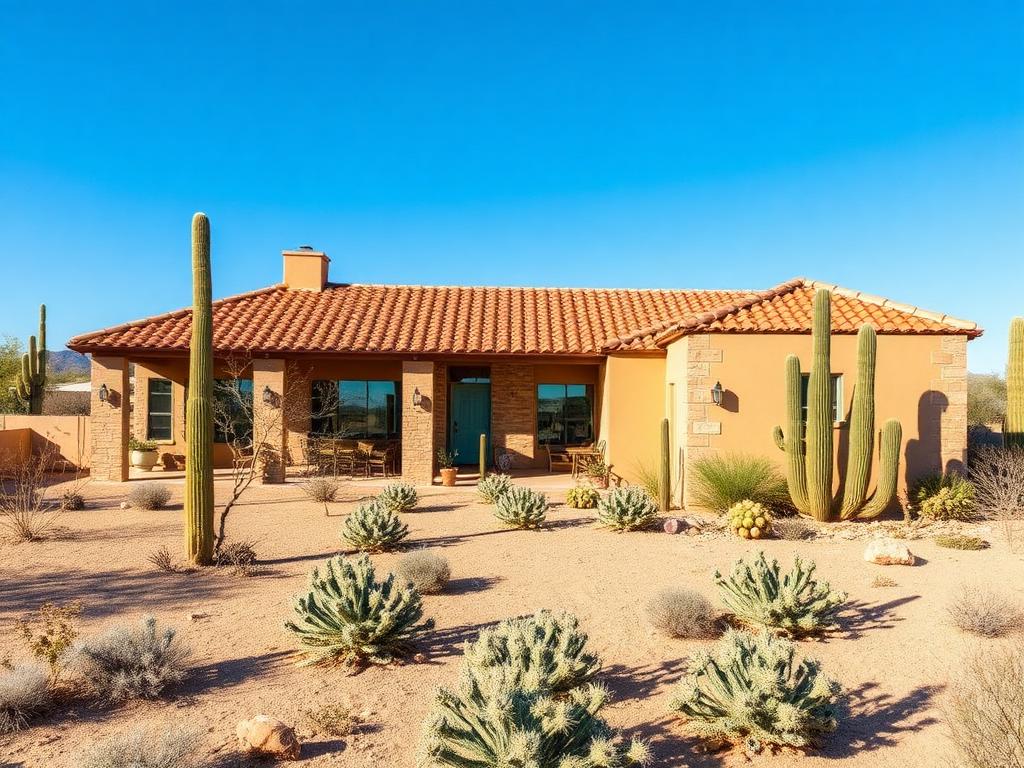
Arizona homeowners considering solar roofing enter one of Americas most favorable environments for solar energy production. The Grand Canyon States exceptional sunshine, combined with high electricity consumption for cooling, creates compelling economics for residential solar investment. However, Arizonas extreme desert conditions require specific approaches to maximize system performance and longevity. This comprehensive guide walks Arizona homeowners through every aspect of solar roofing installation optimized for desert conditions.
Why Arizona Excels for Solar Energy
Arizona consistently ranks among the top states for solar energy potential and adoption.
Exceptional Solar Resource: Arizona receives 6.0 to 7.0 peak sun hours daily depending on location, among the highest in the nation. Phoenix, Tucson, and Yuma areas regularly exceed 6.5 hours, with some locations approaching 7.0 hours annually. This abundant sunshine translates directly into more energy production per installed panel than almost anywhere else in the country.
High Electricity Consumption: Arizonas extreme summer heat drives substantial air conditioning use, creating electricity bills exceeding $400-$600 monthly for many households during peak summer. Solar installations can offset these substantial costs, creating meaningful savings that justify investment and accelerate payback periods.
Sunshine and Demand Correlation: Solar production peaks during sunny summer days when Arizona homes consume the most electricity for cooling. This correlation means solar panels generate maximum power precisely when you need it most, maximizing the value of every kilowatt produced.
Property Value Enhancement: Studies show Arizona solar installations increase home values by 3-4% on average. In competitive markets like Phoenix and Scottsdale, solar provides meaningful property differentiation while appealing to buyers seeking lower operating costs.
Desert Climate Considerations
Arizonas extreme environment creates specific requirements for solar system design.
Extreme Temperature Effects: Arizona roof surfaces regularly exceed 160-180 degrees Fahrenheit during summer, significantly higher than most other locations. All solar panels lose efficiency at high temperatures, typically 0.3-0.5% per degree Celsius above 25 degrees C (77 degrees F). Premium panels with better temperature coefficients perform notably better in Arizona heat.
Temperature Coefficient Importance: Panel specifications include temperature coefficients indicating efficiency loss per degree of temperature increase. In Arizona, choosing panels with coefficients around -0.30%/degree C rather than -0.45%/degree C can mean 10-15% more production over system lifetime. This difference justifies premium panel investment in Arizona.
Dust and Particulate Accumulation: Arizonas desert environment deposits significant dust on panel surfaces, particularly during dust storm season. This soiling reduces production by 2-5% or more between cleanings. Regular cleaning maintains optimal performance in Arizona conditions.
Monsoon Season Impacts: Summer monsoon season (July-September) brings intense storms with high winds, heavy rain, hail, and dust. These storms can damage solar equipment and create significant soiling. Monsoon considerations affect installation timing and maintenance scheduling.
UV Exposure Intensity: Arizonas intense UV radiation accelerates material degradation in some solar components. Quality inverters, cables, and mounting hardware designed for UV exposure outlast economy components that degrade quickly in Arizona sun.
Arizona Utility Landscape
Understanding Arizonas utility structure is essential for solar planning.
Arizona Public Service (APS): APS serves the largest customer base in Arizona, covering metro Phoenix and many other areas. APS has implemented rate structures that significantly affect solar economics, including demand charges and reduced export compensation. Understanding current APS programs is essential for Phoenix-area homeowners.
Salt River Project (SRP): SRP serves significant portions of metro Phoenix with different rate structures than APS. SRP demand charge policies have particularly affected solar economics for their customers. Research current SRP programs carefully before installation.
Tucson Electric Power (TEP): TEP serves the Tucson area with its own rate structures and solar programs. Tucson homeowners should research TEP-specific policies, which differ from Phoenix-area utilities.
Other Utilities: Various municipal utilities, cooperatives, and smaller utilities serve portions of Arizona with varying solar policies. Research your specific utilitys programs before planning installation.
Net Metering Evolution: Arizona has experienced significant changes to net metering and solar compensation programs over recent years. What once offered retail-rate credits has evolved to more complex rate structures in many service territories. Understanding current policies affects system design decisions.
Optimizing Panel Selection for Arizona
Panel selection particularly matters in Arizonas extreme conditions.
Premium Panel Performance: High-efficiency panels with excellent temperature coefficients significantly outperform economy panels in Arizona. The extra production over 25-30 years often justifies 10-20% higher initial costs. Invest in quality for Arizona installations.
Monocrystalline Advantages: Modern monocrystalline panels typically offer better temperature performance than polycrystalline alternatives. Their higher efficiency also means fewer panels required, potentially fitting more capacity on available roof space.
Quality Manufacturer Selection: Choose manufacturers with proven track records in hot-climate installations. Some brands have demonstrated better long-term performance in desert conditions through years of Arizona installations.
Warranty Evaluation: Review warranty terms carefully, particularly regarding heat-related degradation claims. Strong manufacturer backing protects your investment against performance issues.
Installation Best Practices for Desert Conditions
Arizona installations require specific techniques for optimal performance.
Ventilation and Cooling: Mounting systems that allow airflow beneath panels help moderate operating temperatures. Some Arizona installations use slightly raised mounting to enhance convective cooling, though this must be balanced against wind loading and aesthetic considerations.
Morning-Weighted Orientation: While south-facing installations maximize total production, some Arizona homeowners benefit from west-facing or southwest-facing orientations that produce more during late afternoon when electricity rates may be higher and cooling demands peak.
Roof Preparation Considerations: Arizonas intense UV and heat stress roofing materials. Ensure your roof is in good condition before solar installation. Consider roof coating or replacement if significant life remains questionable, as removing panels for later roof work creates unnecessary costs.
Quality Mounting Hardware: Premium mounting hardware designed for UV and heat exposure outlasts economy components. Cheap plastic components crack and fail in Arizona sun, while quality materials maintain integrity for decades.
Electrical Component Protection: Inverters and electrical components perform better with protection from direct sun exposure. Shaded installation locations for inverters and other heat-sensitive components extend equipment life.
Financial Incentives for Arizona Solar
Multiple incentives improve Arizona solar economics.
Federal Investment Tax Credit: The 30% federal ITC applies fully to Arizona installations, providing $6,000-$10,000 in tax credits for typical residential systems. This credit remains available through 2032 at the current rate.
Arizona State Tax Credit: Arizona offers a state tax credit of 25% of installation costs up to $1,000. While smaller than the federal credit, this provides additional state-level savings.
Property Tax Exemption: Arizona exempts the added value of solar installations from property taxes, meaning your system increases home value without increasing property tax liability.
Sales Tax Exemption: Solar equipment purchases are exempt from Arizona state sales tax (currently 5.6%) plus any applicable local taxes, reducing installed costs.
Utility Programs: Some Arizona utilities offer additional programs including rebates, though availability varies and programs change. Check with your specific utility for current offerings.
System Sizing for Arizona Consumption
Arizona consumption patterns affect optimal system sizing.
Seasonal Consumption Analysis: Review 12 months of electricity bills to understand your usage patterns. Arizona homes typically show dramatic summer peaks (June-September) with much lower consumption in mild spring and fall months. Winter may show secondary peaks for heating in cooler areas.
Utility Rate Structure Impact: Different Arizona utilities use different rate structures including time-of-use rates and demand charges. These structures affect how much solar offsets your bills and influence optimal system design.
Demand Charge Considerations: Some Arizona utilities impose demand charges based on peak power draw during billing periods. Solar alone may not reduce demand charges effectively unless combined with battery storage or load management strategies.
Battery Storage Value: Given rate structures in some Arizona territories, battery storage may provide economic benefits by shifting solar production to higher-value hours or reducing demand charges. Evaluate storage economics based on your specific utility situation.
Choosing Arizona Solar Installers
Installer selection significantly impacts system performance in desert conditions.
Arizona Experience Critical: Prioritize installers with substantial Arizona experience who understand desert conditions, local utility requirements, and regional installation challenges. National installers without Arizona-specific expertise may miss important desert-specific considerations.
Licensing Verification: Arizona requires solar contractors to hold appropriate state licenses. Verify license status through the Arizona Registrar of Contractors before contracting.
Utility Relationship Knowledge: Experienced Arizona installers understand utility interconnection processes and rate structure implications, helping you navigate complex program requirements efficiently.
Warranty and Service Commitment: Ensure installers have established Arizona service presence for ongoing maintenance and warranty support. Desert conditions create service needs, and local presence matters.
Long-Term Maintenance in Arizona
Arizona conditions require specific maintenance attention.
Cleaning Requirements: Arizona dust accumulation reduces production significantly. Most Arizona systems benefit from cleaning 2-4 times annually, with additional cleaning after major dust storms. Professional cleaning services or proper DIY techniques maintain optimal performance.
Monsoon Damage Assessment: After monsoon storms, inspect for damage from wind, rain, or debris. Check panel surfaces for cracks or chips, verify mounting hardware integrity, and ensure no debris has accumulated on or under panels.
Performance Monitoring: Monitor production data to identify performance problems. Significant production drops may indicate cleaning needs, equipment issues, or other problems requiring attention.
Equipment Inspection: Annual professional inspection of electrical connections, mounting hardware, and other components helps identify problems before they cause significant production losses or safety issues.
Conclusion
Arizona offers exceptional conditions for solar roofing success, with unmatched sunshine creating outstanding energy production potential. By addressing desert-specific challenges through proper equipment selection, installation techniques, and maintenance practices, Arizona homeowners can achieve excellent returns on their solar investments while contributing to clean energy goals.
Ready to harness Arizona sunshine? Browse Arizona solar installers for professional Grand Canyon State solar roofing services.