Asphalt vs. Metal Roofing: Plan for Future Repairs, Solar, and Additions
Choosing between asphalt shingles and metal roofing becomes more useful when you ask a different question: What happens when this roof needs to change?
A roof installed today may eventually need a replacement vent, solar equipment, a repaired storm-damaged section, or a connection to a new addition. Those projects can affect the roof differently depending on its materials, fastening system, layout, and available service contractors.
For homeowners planning a replacement in late 2026, future serviceability deserves a place beside appearance and initial cost. Neither material wins every scenario. Asphalt shingles often allow relatively localized work, while some standing-seam metal systems offer useful attachment options without penetrating the panels. Both advantages come with qualifications.
This guide compares the systems through future household projects rather than another broad price or lifespan ranking. Use it to request a roof that fits your likely renovations—and to identify expensive assumptions before signing a contract.
Start With Your Next Home Projects, Not a Material Sample
Before selecting roofing, write down changes you realistically expect to make. Prioritize committed projects over possibilities that may never happen.
Common examples include:
- Installing rooftop solar after upgrading electrical service.
- Replacing an aging skylight or removing an unused chimney.
- Adding a bathroom that requires new plumbing ventilation.
- Building an addition that connects to an existing roof slope.
- Replacing equipment with rooftop exhaust or intake components.
- Staying in the house long enough to handle several maintenance cycles.
Ask whether any associated roof work should happen during replacement. Removing an abandoned penetration or replacing an aging skylight may be simpler while the covering is already off. Equipment decisions still need coordination with the appropriate trades; a roofer should not independently redesign plumbing or combustion venting.
Have a licensed and insured roofing professional, where licensing is required, evaluate the existing deck, roof geometry, and drainage. Future flexibility cannot compensate for an unsuitable system on the wrong slope. Our roofing basics guide explains the underlying roof components that remain important with either covering.
Distinguish the Systems Before Comparing Them
“Asphalt” and “metal” are broad categories. Future service requirements depend on the actual product and assembly.
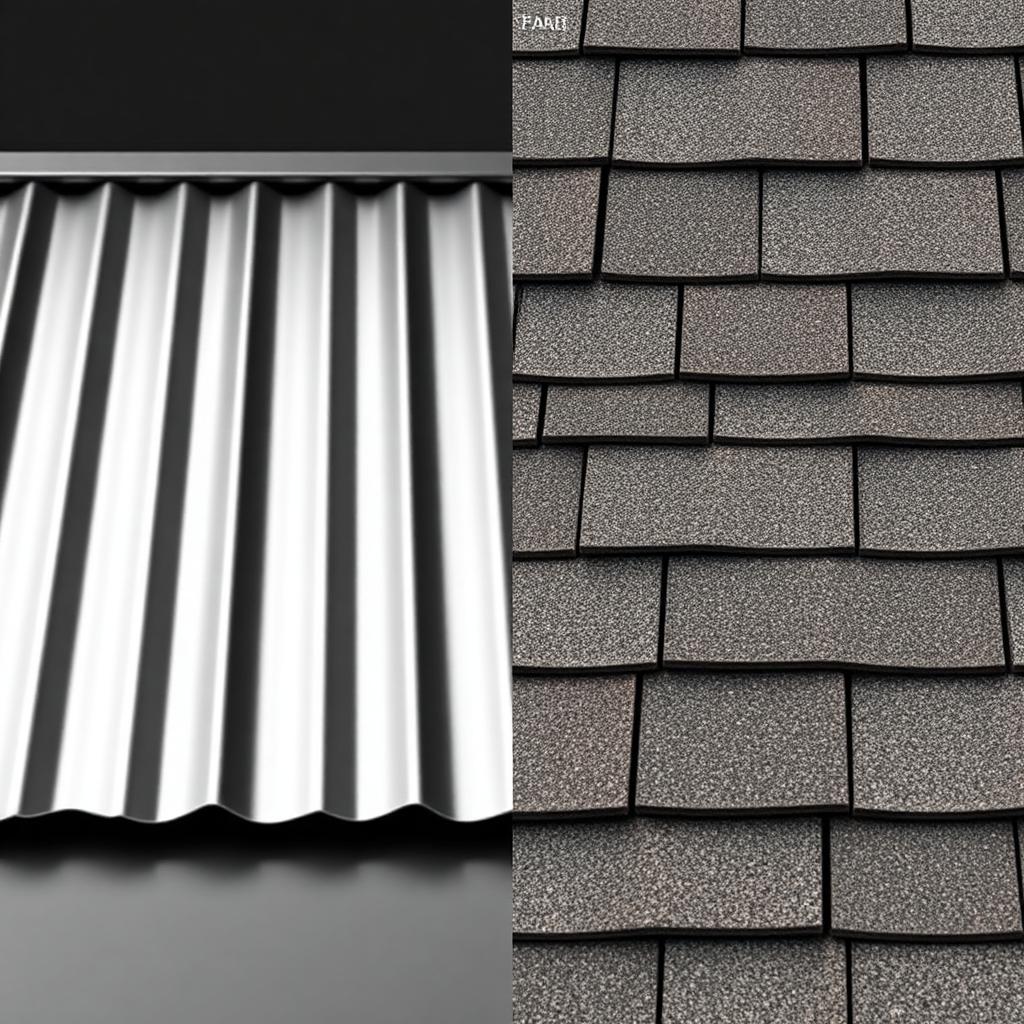
Asphalt shingles
Individual shingles overlap and are mechanically fastened, with adhesive sealing features that help resist wind. A repair may involve removing affected shingles and installing replacements without dismantling an entire slope.
However, surrounding shingles must remain workable. Older, brittle, heavily bonded, or weather-damaged shingles can break during lifting. A repair that appears small from the ground may need a larger working area.
Standing-seam metal
Standing-seam panels connect at raised seams. Many systems conceal their fasteners, and some use clips that accommodate thermal movement. Seam designs, panel widths, metal thicknesses, substrates, and installation methods vary.
Certain profiles accept engineered seam clamps for solar or other accessories. That does not mean every seam can carry every attachment, or that a panel can always be removed independently.
Exposed-fastener metal
These systems typically use visible screws with sealing washers through the panels. They can be appropriate for some residential applications, but their maintenance and attachment details differ from concealed-fastener standing seam.
Do not accept a comparison that groups all metal roofs under one maintenance claim. Have each bidder identify the exact system. If terminology gets confusing, consult the roofing glossary.
Compare What a Small Repair Actually Requires
The important repair question is not simply whether a material can be repaired. It is how much surrounding work the repair requires and who can perform it correctly.
With asphalt shingles, a contractor may replace a limited damaged area when the surrounding roof remains sound. Matching replacement shingles, properly placed fasteners, and suitable weather conditions matter. Installing new shingles into an aged field does not make the surrounding roof new or restore its original performance.
With standing-seam metal, replacing a damaged panel can require opening seams, releasing trim, or disturbing adjacent panels. Mechanically seamed systems may need specialized tools and techniques. Panel length, access, and the order of original installation affect repair complexity.
With exposed-fastener metal, a professional may be able to address a particular fastener or panel locally. But a leaking screw is not always solved by adding sealant or tightening it. A stripped substrate, enlarged hole, degraded washer, or movement problem requires an appropriate repair detail.
Ask each bidder to explain two realistic scenarios: a damaged area near the eave and a failed vent near the middle of the slope. Their answers should describe access, replacement materials, and likely disruption—not merely promise that repairs are easy.
Plan Solar Around the Roof Assembly
Solar is one of the clearest examples of why future projects should influence roofing decisions.
On asphalt shingles, solar mounting commonly involves attachments through the roofing into suitable structural support. Those penetrations need a compatible flashing system installed according to the mounting and roofing requirements. Properly designed attachments can perform well; penetrations are not automatically defects.
Some standing-seam roofs allow solar racks to attach with seam clamps without new panel penetrations. That can be a meaningful advantage, but only when the clamp is approved for the exact seam and the complete load path is verified. The panels, clips, fasteners, decking or framing, and attachment layout must support the applicable loads.
Exposed-fastener roofing should not be assumed to offer the same clamp-on options. Its solar attachments need a system-specific design.
Before choosing a roof for eventual solar, ask:
- Is the proposed panel or shingle system compatible with the intended mounting approach?
- Who will verify structural capacity and wind or snow loads?
- Will solar work affect either contractor’s warranty?
- Who pays for removal and reinstallation if roofing beneath the array needs service?
- How will installers protect the roof while working?
If solar is a committed near-term project, involve the solar designer before roofing details are finalized. Do not select a roof solely on the assumption that any future installer can attach to it.
Treat New Penetrations as Design Changes
A new bathroom fan, plumbing vent, skylight, or mechanical component can require more than cutting an opening and sealing around it.
On a shingle roof, a qualified roofer can often integrate appropriate flashing into the overlapping layers. The condition of surrounding shingles and underlayment determines how much roofing must be removed. The contractor also needs to preserve drainage above and around the opening.
Metal requires close attention to panel ribs, seams, movement, and water flow. A penetration positioned without regard to panel layout may need a specialized curb or other engineered detail. Larger equipment openings can create more complicated drainage conditions than a small pipe penetration.
For either system, ask for a manufacturer-compatible detail rather than a generic promise to “seal it.” Sealants may be part of an approved assembly, but they should not substitute for necessary flashing and water-shedding design.
Keep a roof plan with photographs and product information. If you later hire an HVAC contractor or plumber, require coordination with a qualified roofer before anyone alters the covering.
Think Through Additions and Roofline Changes
An addition can turn a simple roof into a complicated intersection. Valleys, sidewalls, transitions, and different slopes may matter more than whether the covering is asphalt or metal.
Asphalt shingles can be relatively adaptable when integrating new sections, provided the existing shingles are serviceable and the new slopes meet product requirements. A visible color difference may remain even when nominally matching shingles are available.
Metal additions require attention to panel dimensions, seam alignment, trim, expansion, and coating compatibility. Matching a discontinued profile may be difficult. Even a current finish can look different beside weathered panels.
Before replacing a roof shortly ahead of an addition, ask the designer and roofer whether sequencing the projects differently would avoid removing new materials. If the addition is several years away, do not overdesign around a sketch that may change. Instead, preserve documentation and understand which slopes would likely be affected.
Mixed-material roofs can work, but transitions need deliberate detailing. A porch or low-slope section may require a different roof system regardless of what covers the main house.
Evaluate Local Service Availability
A roof can be technically repairable yet inconvenient to service if few nearby contractors work with its specific system.
Asphalt shingles are familiar to many residential roofing crews, but familiarity alone does not prove competence. Metal expertise can be more specialized, especially for particular mechanically seamed profiles or custom-fabricated components.
Before buying, ask who handles repairs if the installing company is unavailable. Look for more than a single name. Confirm that other qualified local contractors can identify and service the proposed system.
Local conditions also influence details:
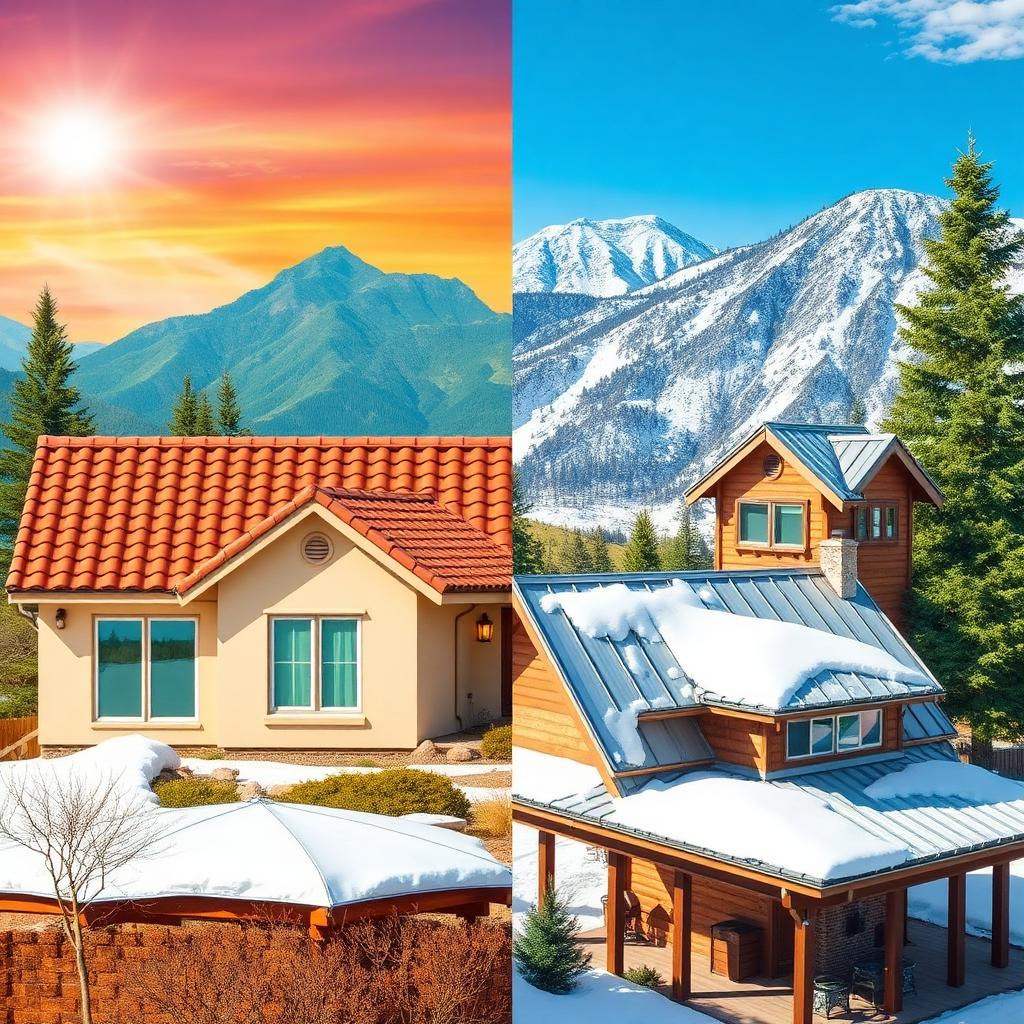
- Snow regions: Metal roofs may need engineered snow-retention measures to protect entrances, walkways, and property below. Attachment and load design matter.
- Coastal areas: Metal selection, coatings, compatible fasteners, and exposure limitations require particular attention.
- High-wind locations: Both systems need suitable tested assemblies and installation details for local requirements.
- Hail-prone areas: Ask how functional damage and cosmetic changes are evaluated. Insurance treatment depends on the policy.
- Hot or mixed climates: Color, insulation, ventilation, and the full assembly affect performance; material alone does not determine comfort.
Use our state roofing resources as a starting point, then verify local permit requirements and contractor licensing with the relevant authorities. HOA and historic-district approvals may also constrain material or appearance choices.
Build a Documentation Package for the Next Contractor
A well-documented roof is easier to evaluate and modify. Ask for records before the job closes, while product labels and installation details are still readily available.
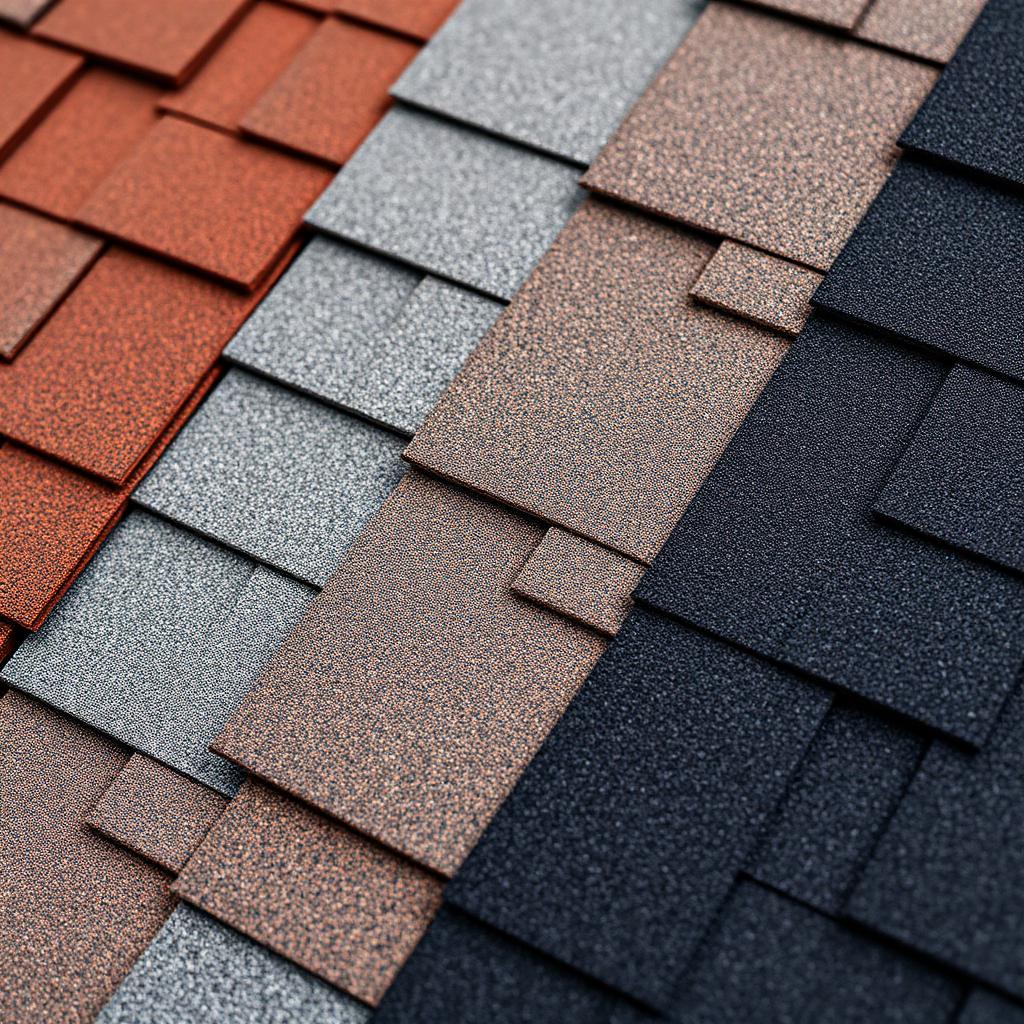
Keep the manufacturer, product name, color, installation date, warranty documents, permit records where applicable, and contractor contact information. For shingles, save packaging information that identifies the installed product.
For metal, request the panel profile, base metal, thickness designation, finish, fastening or clip system, and accessory details. A color name alone is not enough to reproduce a panel.
Also request professional photographs of concealed work, including relevant underlayment, deck repairs, and flashing stages. These photographs will not replace a future inspection, but they can reduce uncertainty.
Ask whether retaining spare material is worthwhile and how it should be stored. Spare shingles still age, and spare metal panels need suitable storage and handling. Neither guarantees an invisible future repair.
Warranty terms deserve special attention. Material, finish, workmanship, and weather-tightness coverage—if offered—may protect against different problems. Get written instructions for reporting defects and approving later alterations.
Practical Checklist: Compare Future-Service Readiness
Use this checklist alongside your estimates, not in place of a professional evaluation. Our homeowner checklist can help organize the broader replacement process.
- [ ] List likely solar, skylight, ventilation, and addition projects.
- [ ] Identify work best completed while the old roof is removed.
- [ ] Confirm the proposed covering suits every roof slope where it will be installed.
- [ ] Record the exact shingle product or metal panel system.
- [ ] Ask how a mid-slope penetration and damaged eave area would be repaired.
- [ ] Confirm who can service the system locally besides the installer.
- [ ] Obtain written solar-attachment compatibility guidance if solar is planned.
- [ ] Clarify maintenance responsibilities for fasteners, sealants, flashings, and accessories.
- [ ] Review snow, wind, corrosion, and hail considerations relevant to your location.
- [ ] Request product records and installation photographs.
- [ ] Check warranty conditions for later alterations and ownership transfer.
- [ ] Verify licensing where required, insurance, permits, and inspection responsibilities.
Perform your own observations only from the ground or safely accessible indoor areas. Do not climb onto the roof to assess repairability or collect product details. Arrange a professional roof inspection when conditions or existing damage are uncertain.
FAQ
Is asphalt easier to repair than metal?
Often, localized shingle replacement is more straightforward than replacing an interlocked metal panel. However, brittle shingles, discontinued products, and extensive underlying damage can complicate the work. Metal repair complexity depends heavily on panel profile, fastening method, and damage location. Compare actual repair scenarios rather than relying on a universal ranking.
Should I choose standing-seam metal if I want solar later?
It is worth considering because compatible seam clamps may avoid new panel penetrations. That benefit depends on the precise roof and mounting system, structural capacity, and load requirements. Properly flashed solar attachments can also work on asphalt roofs. Coordinate roofing and solar design before committing when possible.
Does a metal roof eliminate routine maintenance?
No. Metal roofs still need appropriate professional evaluation of flashings, penetrations, drainage, accessories, and other system-specific components. Exposed-fastener systems also require attention to fasteners and sealing washers. Follow the manufacturer’s maintenance guidance and have a professional investigate changes after damaging weather or nearby construction.
Can I replace only one section after building an addition?
Possibly, but the connection must preserve drainage and comply with the requirements of the roof system and local jurisdiction. Existing material condition, roof geometry, and product availability affect how much work is needed. A structurally sound partial replacement may still leave a noticeable appearance difference.
Which choice makes more sense if I may move?
Choose a suitable, well-installed system you can document and maintain, rather than assuming one material guarantees resale value. Consider your local market, budget, planned projects, transferable warranty terms, and access to service. Buyers may value clear records and sound condition more than an unsupported promise of exceptional longevity.
The practical choice is the roof whose installation, maintenance, and future modifications you can realistically support. Compare those details now, and your next home project is less likely to begin with an avoidable roofing complication.