How to Choose the Right Roofing Material for Your Climate
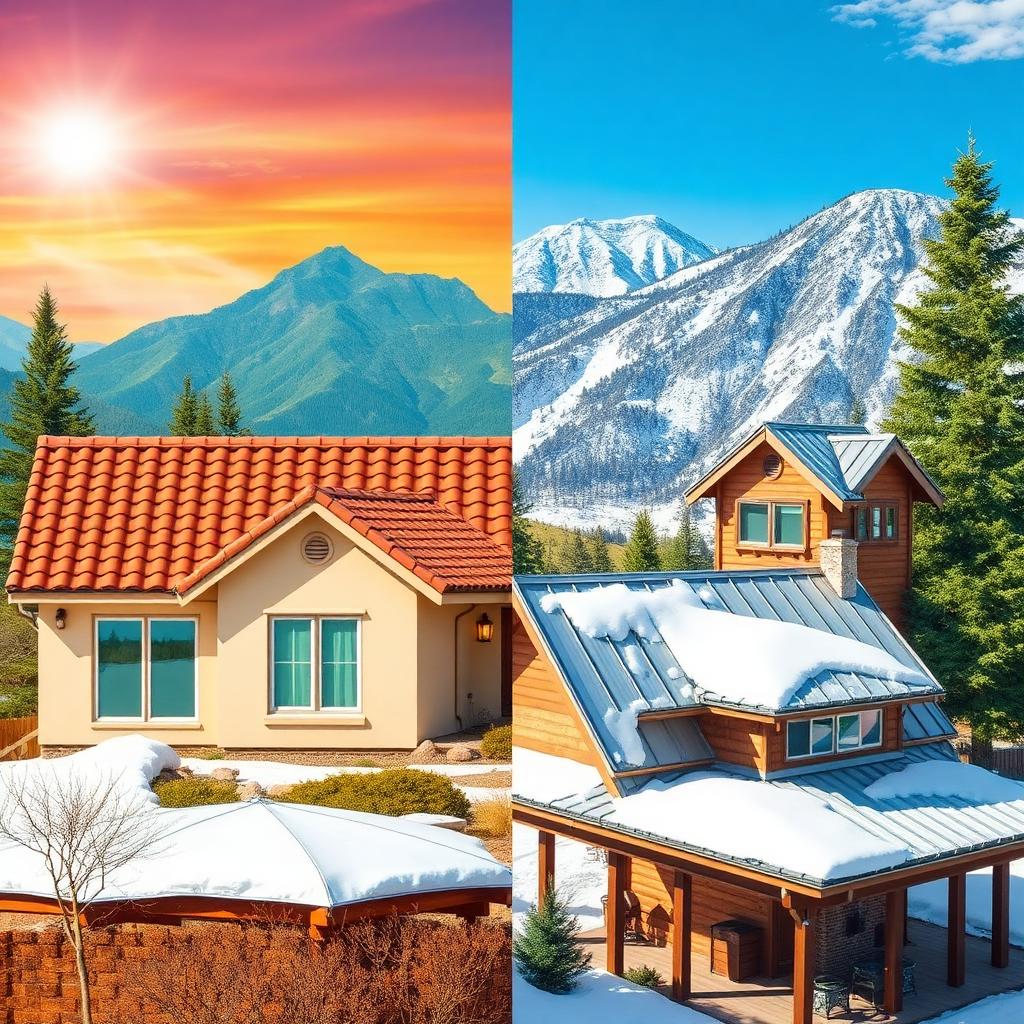
Choosing the right roofing material is one of the most important decisions you'll make as a homeowner. Your roof needs to protect your home from the elements while also looking great and lasting for decades. Perhaps no factor influences roofing performance more than your local climate—the weather patterns your roof will face day after day, year after year. This comprehensive guide explores how different climates affect roofing materials and which options perform best in various conditions.
Understanding Climate Impact on Roofing
Before examining specific materials, it's essential to understand how different climate factors stress roofing systems. Each weather element creates unique challenges that certain materials handle better than others.
Heat and UV Exposure
In hot climates, roofs face intense solar radiation that can degrade materials and transfer heat into your home. Key considerations include:
Material Degradation:: - Asphalt shingles lose granules and become brittle faster in extreme heat - Some plastics and synthetic materials may warp or soften - Dark colors absorb more heat, accelerating aging - UV radiation breaks down organic components over time
Heat Transfer:: - Traditional dark roofs can reach 150-170°F on hot days - This heat transfers into attic spaces, increasing cooling costs - Reflective materials can reduce surface temperatures by 50-60°F - Material thermal mass affects how quickly heat moves through the roof
Cold and Freeze-Thaw Cycling
Cold climates present different challenges, particularly related to ice, snow, and temperature fluctuations.
Ice Dam Formation:: When heat escapes through the roof, it melts snow that refreezes at the cold eaves, creating ice dams. Water backs up under shingles, causing leaks and damage. Proper insulation and ventilation are essential regardless of material choice.
Freeze-Thaw Damage:: Water that penetrates roofing materials expands when frozen, causing cracking and separation. Materials must resist water absorption to survive repeated freeze-thaw cycles.
Snow Load:: Heavy snow accumulation stresses roof structures and materials. Smooth surfaces shed snow better than textured materials, but snow guards may be needed to control dangerous snow slides.
Moisture and Humidity
Wet climates create ongoing moisture challenges that require specific material characteristics.
Algae and Moss Growth:: Humid environments promote biological growth that can damage roofing and create unsightly staining. Materials with algae-resistant treatments or naturally resistant properties perform better in these conditions.
Persistent Moisture:: Regular rain exposure demands excellent water shedding and resistance to moisture penetration. Proper drainage and fast-drying characteristics extend roof life in wet climates.
Condensation:: High humidity can cause condensation in attic spaces. Proper ventilation and vapor barriers become critical components of any roofing system in humid regions.
Wind Exposure
Coastal areas, open plains, and mountain regions experience high wind loads that stress roofing attachment systems.
Uplift Forces:: Strong winds create negative pressure that can lift and remove roofing materials. Proper attachment methods and wind-resistant designs are essential in exposed locations.
Wind-Driven Rain:: Horizontal rain driven by wind can penetrate joints and seams that resist vertical rainfall. Materials and installation methods must address this additional exposure.
Hot Climate Roofing Recommendations
If you live in states like Florida, Texas, Arizona, Nevada, or Southern California, heat resistance and energy efficiency should be primary considerations.
Best Materials for Hot Climates
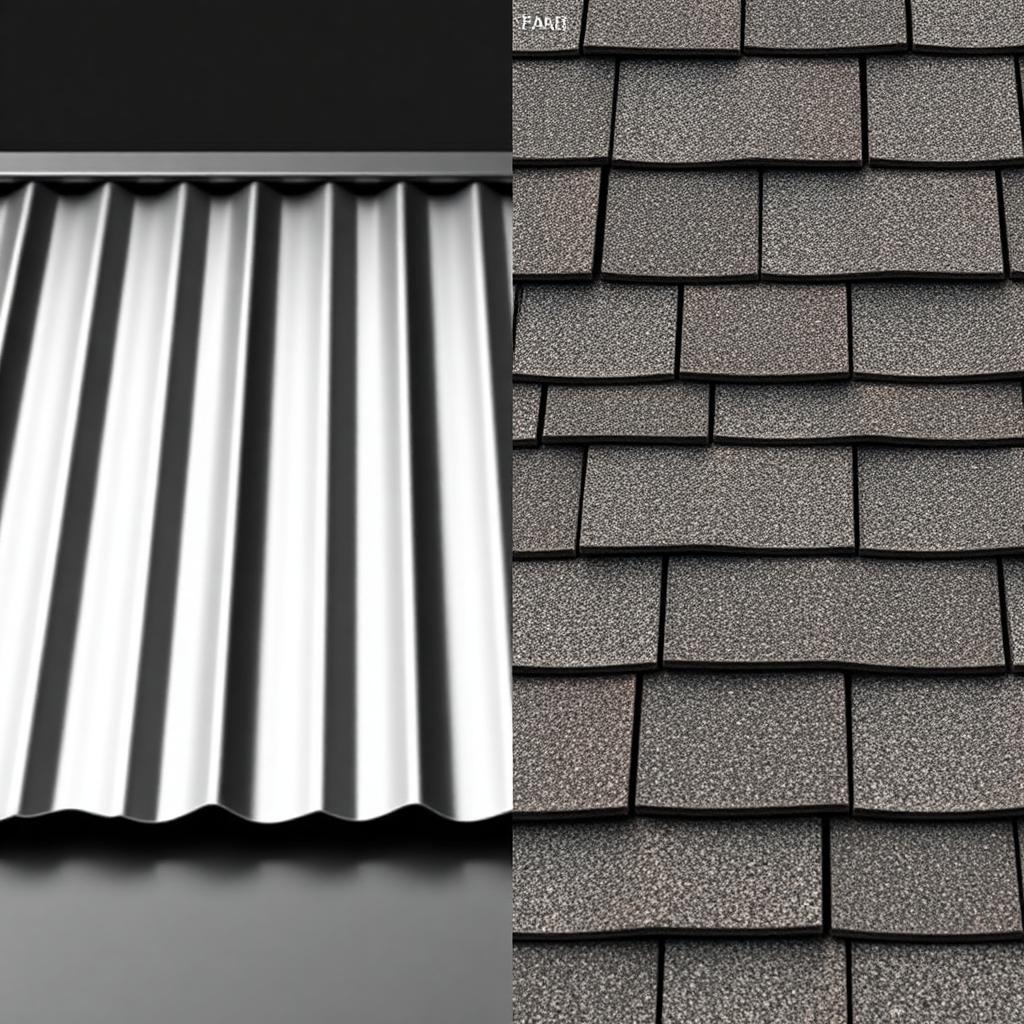
Metal Roofing:: Metal roofing excels in hot climates for several reasons: - Reflective coatings reduce heat absorption by 40-70% - Minimal heat storage due to low thermal mass - 40-70 year lifespan means fewer replacements - Excellent wind resistance for coastal areas - Fast drying after rain prevents moisture problems
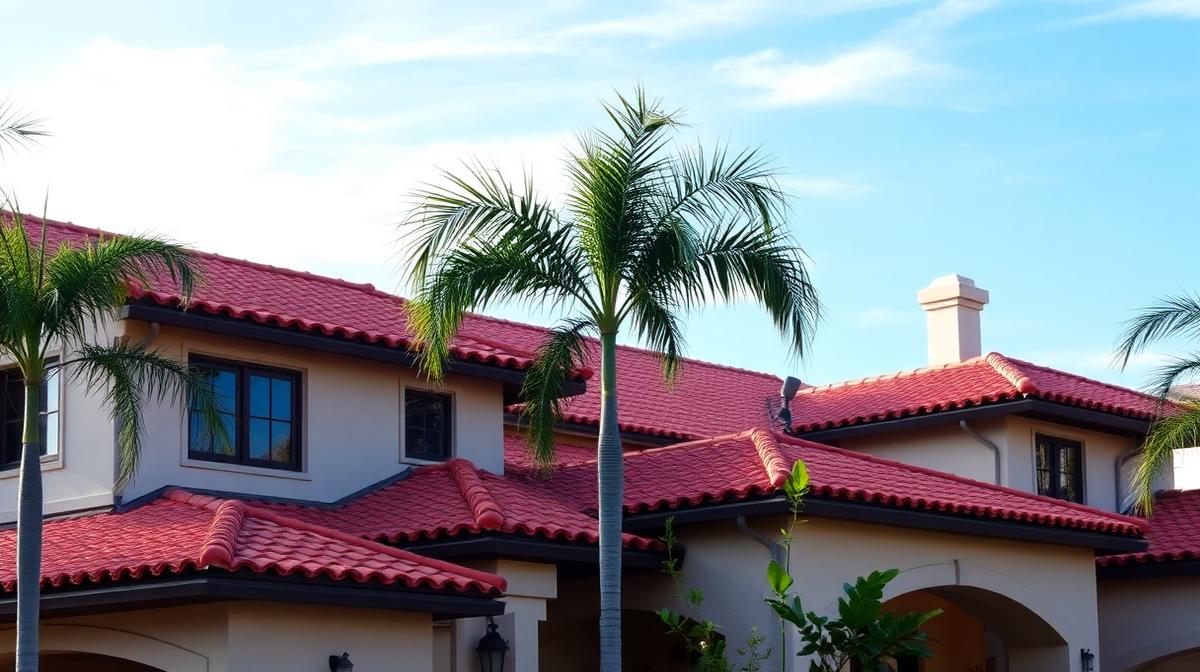
Clay and Concrete Tile:: Clay tiles and concrete tiles offer outstanding hot-climate performance: - Natural thermal mass moderates temperature swings - Air space beneath tiles provides insulation - Class A fire rating important for dry climates - 50-100+ year lifespan for quality clay tiles - Traditional aesthetic suits regional architecture
Cool Roof Shingles:: Modern cool roofing shingles incorporate reflective granules: - Available in various colors including medium tones - 10-25% reduction in cooling costs - Affordable option compared to tile or metal - Meet Energy Star requirements - Similar installation to standard shingles
Materials to Avoid in Hot Climates
Standard Dark Shingles:: Dark colors absorb maximum heat, increasing cooling costs and accelerating shingle aging.
Wood Shakes:: Wood roofing struggles in hot, dry climates where fire risk is high and UV exposure is intense.
Cold Climate Roofing Recommendations
Homeowners in Minnesota, Wisconsin, Michigan, New York, Maine, and mountain regions need materials that handle snow, ice, and extreme cold.
Best Materials for Cold Climates
Metal Roofing:: Metal's smooth surface efficiently sheds snow and prevents ice dam formation: - Snow slides off before accumulating dangerous weight - No water absorption means no freeze-thaw damage - Withstands extreme cold without becoming brittle - Long lifespan means fewer winter roof replacements - Consider snow guards to control snow release
Slate Roofing:: Natural slate has protected buildings through harsh winters for centuries: - Non-porous surface resists water absorption - Extremely durable through freeze-thaw cycles - 100+ year lifespan proven in cold climates - Natural stone withstands any temperature - Premium appearance enhances home value
Architectural Asphalt Shingles:: Quality asphalt shingles perform well in cold climates with proper installation: - SBS-modified products stay flexible in extreme cold - Impact-resistant options handle ice and frozen debris - Affordable option for most budgets - Wide availability and easy repairs - 30-50 year warranties available
Cold Climate Installation Requirements
Regardless of material, cold climate installations require:
Ice and Water Shield:: Self-adhering membrane covering eaves at minimum 24 inches past the exterior wall line (more in severe climates).
Proper Ventilation:: Balanced intake and exhaust ventilation prevents heat buildup that causes ice dams. Follow 1:150 ratio for vented attics.
Adequate Insulation:: Sufficient attic insulation keeps heat inside your home rather than melting roof snow.
Wet Climate Roofing Recommendations
Pacific Northwest residents and others in high-rainfall areas need materials that handle persistent moisture.
Best Materials for Wet Climates
Metal Roofing:: Metal's inherent water resistance makes it ideal for rainy regions: - Sheds water quickly with no absorption - Smooth surface discourages moss and algae - No rot, rust (with proper coatings), or deterioration - Fast drying prevents moisture problems - 50+ year lifespan even in wet conditions
Composite Shingles with Algae Resistance:: Modern asphalt shingles with copper or zinc algae-resistant granules: - Prevent black streaking from algae growth - Maintain appearance longer in humid conditions - Available from all major manufacturers - Modest cost premium over standard shingles
Slate and Tile:: Natural stone and clay resist moisture absorption: - Non-porous surfaces shed water completely - No organic content to support biological growth - Clean easily when moss does accumulate - Century-long performance in wet European climates
Materials to Approach Cautiously in Wet Climates
Wood Shakes:: While beautiful, wood roofing in wet climates requires significant maintenance: - Constant moisture promotes decay - Moss and algae thrive on wood surfaces - Requires frequent treatment and cleaning - Shorter lifespan than in dry climates - Fire treatment may be required
Severe Weather Considerations
Some regions face specific severe weather threats requiring specialized roofing approaches.
Hurricane Zones (Florida, Gulf Coast, Atlantic Coast)
Florida hurricane requirements demonstrate the stringent standards for high-wind areas: - Materials must meet specific wind ratings (130-180+ mph) - Enhanced attachment methods required - Impact-resistant materials recommended - Secondary water barriers often mandatory - Insurance considerations favor resistant materials
Hail Corridors (Texas, Oklahoma, Colorado, Kansas)
Frequent hail requires impact-resistant materials: - Class 4 impact-rated shingles resist denting and cracking - Metal roofing handles impact well (may show cosmetic dents) - Slate and tile may crack from severe hail - Insurance discounts available for impact-resistant roofs - Consider local hail history when selecting materials
Wildfire Regions (California, Colorado, Pacific Northwest)
Fire-resistant materials are essential—often required by code: - Class A fire-rated materials mandatory in many areas - Metal roofing provides excellent fire protection - Tile and slate are non-combustible - Treated wood shakes available where wood is permitted - Ember-resistant designs prevent ignition
Material Comparison by Climate
| Material | Hot Climate | Cold Climate | Wet Climate | High Wind | Hail Prone |
|---|---|---|---|---|---|
| Metal | Excellent | Excellent | Excellent | Excellent | Good |
| Clay Tile | Excellent | Good | Good | Good (attached) | Fair |
| Slate | Good | Excellent | Excellent | Good | Fair |
| Asphalt | Good (cool) | Good (SBS) | Good (AR) | Good | Excellent (Class 4) |
| Wood Shake | Poor | Fair | Poor | Fair | Poor |
| Concrete Tile | Excellent | Good | Good | Good | Good |
Cost Considerations Across Climates
While climate should guide material selection, budget reality affects decisions.
Long-Term Value Calculation
Consider total cost of ownership, not just initial installation:
Premium Materials in Harsh Climates:: A metal roof costing $20,000 that lasts 60 years costs $333/year. Three asphalt roofs at $10,000 each over 60 years costs $500/year. The premium material provides better value plus superior performance.
Insurance Savings:: Impact-resistant and wind-resistant materials often qualify for premium discounts of 10-35%, significantly offsetting higher material costs over time.
Energy Savings:: Cool roofing in hot climates can reduce cooling costs 10-25%, providing ongoing savings that help justify premium material investments.
Regional Cost Variations
| Region | Cost Factor | Reason |
|---|---|---|
| Northeast | +10-15% | Higher labor costs, shorter installation season |
| Southeast | Near average | Moderate costs, year-round installation |
| Midwest | -5-10% | Lower labor costs |
| West Coast | +15-25% | High labor costs, strict codes |
| Mountain West | +10-20% | Shorter season, accessibility challenges |
Finding Climate-Appropriate Contractors
Local contractors understand regional requirements better than national information:
Questions to Ask:: - What materials do you recommend for our climate? - What warranties are appropriate for our weather conditions? - What installation features address local weather challenges? - Which products do you see perform best over time here?
Connect with experienced local contractors who understand your region's specific climate challenges and can recommend proven solutions.
Conclusion
Your climate is perhaps the most important factor in roofing material selection. Materials that perform beautifully in Arizona may fail prematurely in Minnesota, and products perfect for Seattle may struggle in Phoenix. By understanding how your specific climate challenges roofing materials and selecting products engineered to meet those challenges, you'll maximize both performance and longevity.
Consider not just your primary climate classification but also local factors: coastal salt air, mountain altitude, urban heat islands, and specific severe weather risks. Consult with local roofing professionals who see how various materials perform in your exact conditions. With proper material selection and professional installation, your roof will protect your home through whatever weather your climate delivers.