Concrete Tile Roofing: The Durable Alternative to Clay
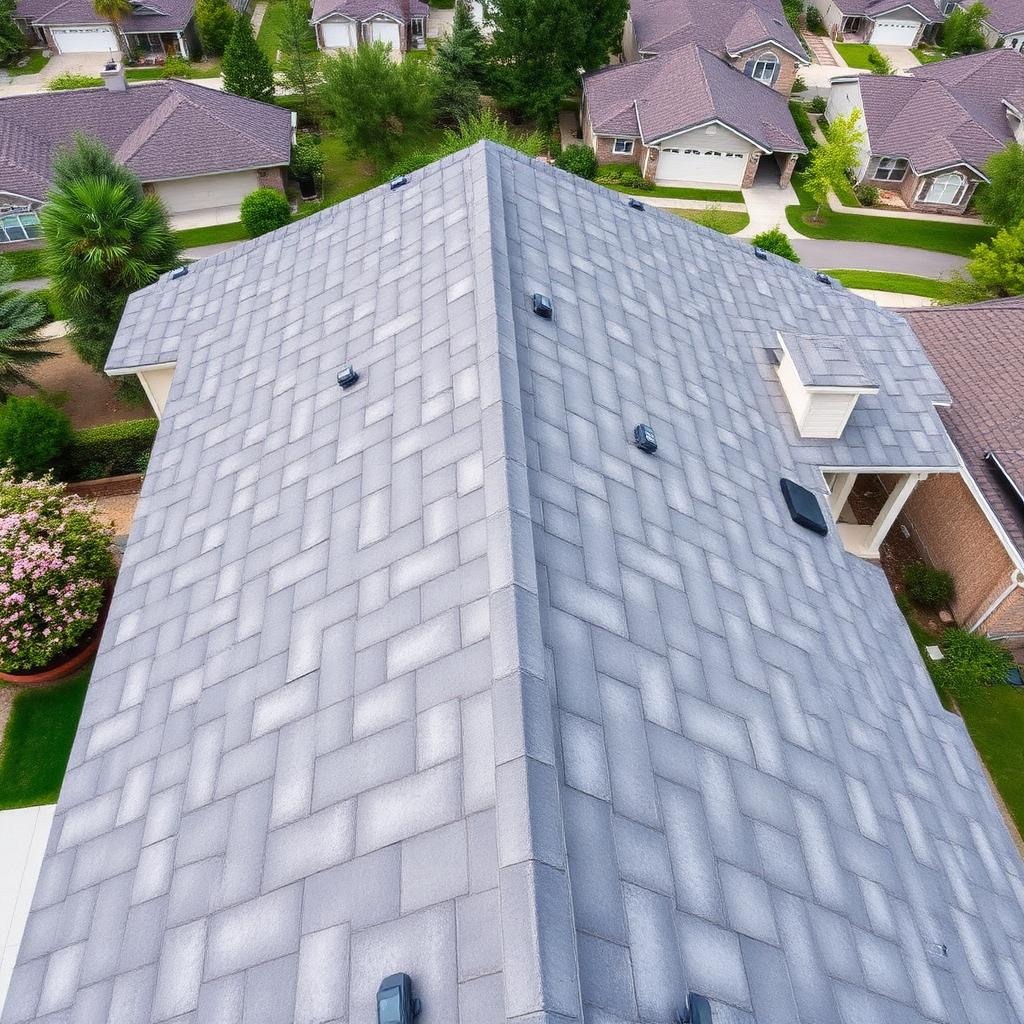
Concrete tile roofing offers an attractive balance of durability, aesthetics, and value that has made it a popular choice across diverse climates and architectural styles. While sharing many visual characteristics with clay tile roofing, concrete provides practical advantages including lower cost, greater impact resistance, and consistent quality. This comprehensive guide explores everything you need to know about concrete tile roofing.
Understanding Concrete Tile Roofing
Concrete roof tiles are manufactured from portland cement, sand, and water, shaped into various profiles and colored using pigments and surface treatments.
Manufacturing Process
Raw Materials:: - Portland cement (provides binding strength) - Fine-grade sand (aggregate) - Water (hydration) - Iron oxide pigments (color) - Acrylic or cementitious coatings (surface protection)
Production Steps:: 1. Materials mixed in precise proportions 2. Mixture extruded or cast into tile shapes 3. Tiles cured under controlled conditions 4. Surface treatments and coatings applied 5. Quality inspection and packaging
Quality Variations
Concrete tile quality varies significantly based on manufacturing standards:
Premium Manufacturers:: - Precise mixture formulations - Extended curing periods - Multiple coating applications - Rigorous quality control - 50+ year warranties
Economy Products:: - Basic formulations - Minimal curing time - Single coat finishes - Limited quality control - Shorter warranty coverage
The difference significantly impacts longevity and color retention.
Concrete Tile Profiles
Concrete tiles are available in numerous profiles replicating various roofing traditions.
Flat (Shake) Profile
Smooth, flat tiles resembling wood shakes or slate. Clean, contemporary appearance suitable for modern and traditional architecture.
Characteristics:: - Low profile on roof - Minimal shadow lines - Contemporary aesthetic - Lighter weight than curved profiles - Easier installation
Spanish S-Tile Profile
Curved tiles replicating traditional Spanish clay tiles. Creates iconic rolling appearance associated with Mediterranean and Mission architecture.
Characteristics:: - Dramatic shadow lines - Classic Mediterranean appearance - Higher profile - Requires careful installation - Excellent ventilation under tiles
Barrel (Mission) Profile
Semi-cylindrical tiles creating bold curved rows. Historic appearance popular in Southwestern and California architecture.
Characteristics:: - Distinctive rounded appearance - Requires specialized installation - Heavier weight per square - Dramatic visual impact
Low-Profile S-Tile
Modified S-tile with reduced curve height for lower profile appearance while maintaining some dimensional interest.
Standard Weight vs. Lightweight
Standard Weight:: 9-12 lbs per tile (950-1,100 lbs per square)
Lightweight:: 5.5-7 lbs per tile (600-750 lbs per square)
Lightweight options expand applications to structures that can't support standard weight tiles.
Benefits of Concrete Tile Roofing
Concrete tiles offer substantial advantages for appropriate applications.
Exceptional Durability
Quality concrete tiles last 40-60+ years with proper installation and maintenance. The material withstands:
Weather Resistance:: - Freeze-thaw cycling - Extreme heat - Salt air exposure - Wind (when properly attached) - Rain and moisture
Fire Resistance:: Concrete achieves Class A fire rating—the highest available. Non-combustible material provides excellent fire protection.
Cost Efficiency vs. Clay
Concrete offers clay tile aesthetics at reduced cost:
| Factor | Concrete | Clay |
|---|---|---|
| Material Cost | $350-$600/sq | $600-$1,200/sq |
| Labor Cost | $400-$700/sq | $500-$800/sq |
| Total Installed | $750-$1,300/sq | $1,200-$2,500/sq |
For a 2,000 square foot roof, concrete saves $9,000-$24,000 compared to comparable clay tiles.
Design Flexibility
Concrete manufacturing allows extensive design options:
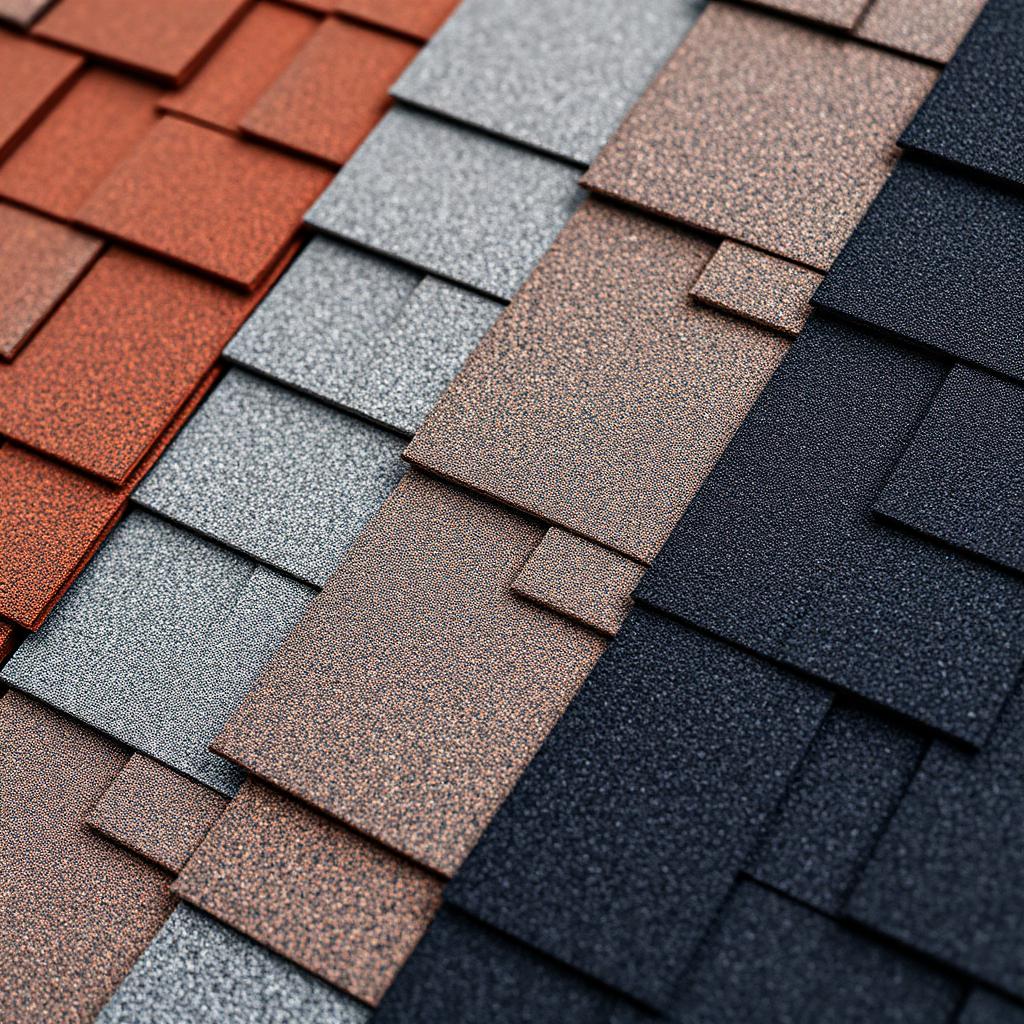
Color Range:: Unlimited color options through integral pigments and surface coatings. Custom colors available for large projects.
Profile Variety:: Multiple profiles replicate diverse roofing traditions from a single material.
Texture Options:: Smooth, textured, and aged-look finishes available.
Impact Resistance
Concrete tiles resist impact better than clay:
Hail Resistance:: Quality concrete tiles withstand moderate hail without cracking. Some products achieve Class 3 or Class 4 impact ratings.
Foot Traffic:: Concrete handles careful walking better than clay, though proper walking techniques remain important.
Energy Efficiency
Concrete tile roofing provides energy benefits:
Thermal Mass:: Concrete's mass moderates temperature fluctuations, reducing peak cooling loads.
Ventilation:: Curved tile profiles allow air circulation beneath tiles, reducing heat transfer to the building.
Reflective Options:: Cool roof concrete tiles in light colors achieve significant solar reflectivity.
Concrete Tile Considerations
Understanding concrete tile limitations helps ensure appropriate application.
Weight Requirements
Concrete tiles weigh substantially more than most alternatives:
Standard Weight Comparison:: - Asphalt shingles: 200-350 lbs/square - Metal roofing: 100-150 lbs/square - Concrete tiles: 600-1,100 lbs/square - Clay tiles: 600-1,500 lbs/square
Structural Evaluation:: Homes not originally designed for tile may require structural reinforcement. Professional assessment should precede tile specification.
Color Changes Over Time
Unlike clay tiles where color is permanent (fired into the material), concrete tile color comes from surface coatings and pigments:
Expected Changes:: - Initial color fading (5-15 years) - Efflorescence (white mineral deposits) - Moss or algae growth in humid climates - Surface erosion over decades
Maintenance Response:: - Periodic cleaning removes biological growth - Recoating restores color and protection - Quality coatings reduce fading rate
Maintenance Requirements
While durable, concrete tiles require more maintenance than clay:
Annual Inspection:: - Check for cracked or broken tiles - Clear debris from valleys - Examine flashing condition - Look for biological growth
Periodic Maintenance:: - Professional cleaning (every 3-7 years) - Moss/algae treatment as needed - Recoating (10-20 year intervals) - Individual tile replacement
Climate Considerations
Concrete performance varies by climate:
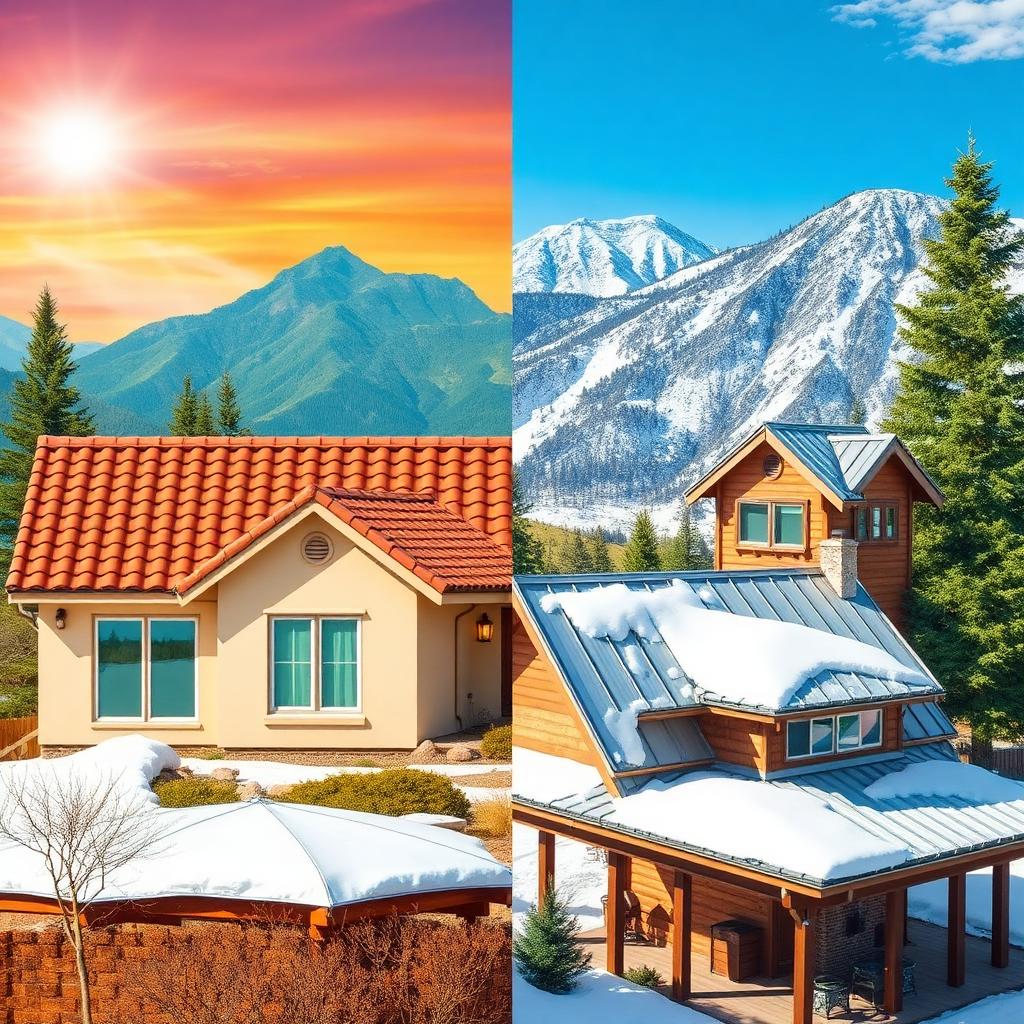
Hot, Dry Climates:: Excellent performance. Tiles withstand extreme heat without degradation. Light colors provide cooling benefits.
Hot, Humid Climates:: Good performance with attention to biological growth. Regular cleaning prevents moss and algae establishment.
Freeze-Thaw Regions:: Quality tiles handle freeze-thaw cycling, but water absorption over time can cause deterioration. Premium tiles with lower absorption rates perform better.
Coastal Areas:: Concrete resists salt air well. Ensure stainless steel or appropriate fasteners are used.
Installation Requirements
Proper concrete tile installation requires specialized knowledge and techniques.
Structural Verification
Before installation, verify: - Roof framing capacity for tile weight - Deck material and condition - Building code compliance - Engineering approval if required
Underlayment Systems
Modern concrete tile installations use comprehensive underlayment:
Standard System:: - Self-adhering membrane at eaves and valleys - Synthetic underlayment over deck - Batten system for tile attachment
Enhanced System:: - Full self-adhering membrane in harsh climates - Counter-battens for enhanced ventilation - Premium accessory materials
Attachment Methods
Mechanical Fastening:: Tiles secured with corrosion-resistant fasteners. Number and placement per manufacturer specifications and local codes.
Wire Tie:: Copper or stainless wire secures tiles in high-wind areas.
Adhesive Systems:: Foam or adhesive provides enhanced wind resistance in hurricane zones.
Critical Installation Details
Headlap:: Proper overlap of tiles by the course above ensures water doesn't penetrate.
Flashing Integration:: Quality metal flashing at all penetrations, valleys, and transitions.
Ventilation:: Proper under-tile and attic ventilation prevents moisture problems.
Edge Details:: Proper starter tiles, drip edges, and edge treatments prevent wind infiltration.
Concrete vs. Alternative Roofing Materials
Understanding how concrete compares helps inform decisions.
Concrete vs. Clay Tiles
| Factor | Concrete | Clay |
|---|---|---|
| Lifespan | 40-60 years | 75-100+ years |
| Initial Cost | Lower (40-60% of clay) | Higher |
| Weight | 600-1,100 lbs/sq | 600-1,500 lbs/sq |
| Color Retention | Fades over time | Permanent |
| Impact Resistance | Better | More brittle |
| Maintenance | More required | Less required |
Choose Concrete When:: - Budget is a priority - Desire tile aesthetics at lower cost - Replacement in 40-60 years is acceptable
Choose Clay When:: - Maximum longevity required - Permanent color essential - Historic authenticity desired
Concrete vs. Asphalt Shingles
| Factor | Concrete | Asphalt |
|---|---|---|
| Lifespan | 40-60 years | 20-30 years |
| Initial Cost | 2-4x higher | Lower |
| Fire Rating | Class A | Class A available |
| Impact Resistance | Good | Moderate |
| Appearance | Premium | Standard |
| Weight | Much heavier | Lighter |
Choose Concrete When:: - Premium appearance desired - Long-term value emphasized - Structure supports weight - Fire protection important
Choose Asphalt When:: - Budget limited - Structure can't support tile weight - Planning to move soon
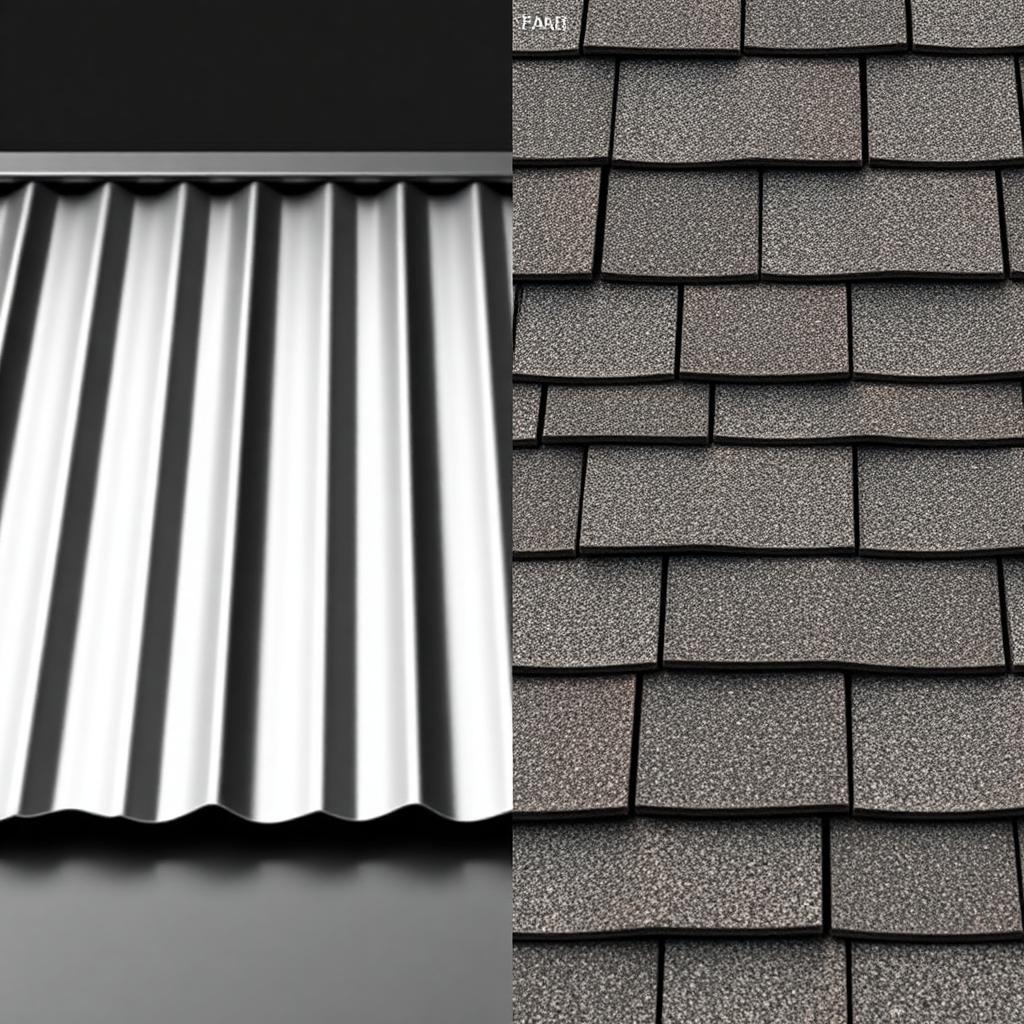
Concrete vs. Metal Roofing
| Factor | Concrete | Metal |
|---|---|---|
| Lifespan | 40-60 years | 50-75 years |
| Cost | Similar | Similar to higher |
| Weight | Much heavier | Very light |
| Fire Rating | Class A | Class A |
| Appearance | Traditional | Modern or traditional |
| Maintenance | Moderate | Low |
Decisions between these often depend on architectural style and personal preference.
Selecting Quality Concrete Tiles
Not all concrete tiles perform equally. Selection criteria matter.
Manufacturer Reputation
Established Brands:: - Boral (Eagle Roofing Products) - Entegra - Westile - MonierLifetile - US Tile
These manufacturers maintain consistent quality standards and support warranty claims.
Specifications to Verify
ASTM C1492:: Standard specification for concrete roof tiles covering physical properties, dimensional tolerances, and testing requirements.
Water Absorption:: Lower absorption rates (under 10%) indicate denser, more durable tiles that resist freeze-thaw damage.
Breaking Strength:: Higher breaking strength indicates better impact resistance and durability.
Color Warranty:: Premium tiles carry 10-year or longer color fade warranties.
Coating Systems
Acrylic Coatings:: Standard coating providing UV protection and color. May require recoating in 15-25 years.
Slurry Coatings:: Cement-based coatings providing texture and color. More durable than acrylic but limited color options.
Clear Sealers:: Applied over colored tiles to enhance color retention and reduce water absorption.
Maintenance and Longevity
Proper maintenance extends concrete tile roof life and maintains appearance.
Annual Maintenance Tasks
Visual Inspection:: - Identify cracked or broken tiles - Check for sliding tiles - Examine ridge and hip tiles - Look for debris accumulation
Gutter Maintenance:: - Clear gutters and downspouts - Verify proper drainage - Check for granule accumulation
Periodic Professional Service
Every 3-5 Years:: - Professional roof inspection - Cleaning of biological growth - Flashing evaluation - Minor repairs as needed
Every 10-20 Years:: - Consider recoating for color restoration - Comprehensive flashing evaluation - Underlayment condition assessment (if visible)
Repair Considerations
Individual Tile Replacement:: Cracked or broken tiles can be replaced individually. Matching tiles from original installation or available replacement tiles.
Ridge and Hip Repair:: Mortar caps may require periodic repointing. Modern dry ridge systems reduce this maintenance.
Flashing Replacement:: Quality flashing should match tile life. Budget for flashing replacement if using galvanized or painted metals that deteriorate faster than tiles.
Contractor Selection
Concrete tile installation requires specialized expertise.
Essential Qualifications
Experience:: - Minimum 5 years concrete tile specific experience - Portfolio of completed tile projects - Understanding of local wind and structural requirements
Manufacturer Relationships:: - Certified installer status with major manufacturers - Access to warranty programs - Training in current installation techniques
Verification Steps
- Request and check references
- View completed installations
- Verify license and insurance
- Confirm manufacturer certification
- Obtain detailed written proposals
Connect with qualified tile roofing contractors in your area for professional consultations.
Conclusion
Concrete tile roofing delivers impressive durability, aesthetics, and value for homeowners seeking premium roofing without clay tile's extreme cost. The 40-60 year lifespan, fire resistance, and design flexibility make concrete tiles an excellent choice for appropriate applications.
Carefully evaluate structural capacity, climate considerations, and long-term maintenance requirements before specification. Work with experienced, manufacturer-certified contractors to ensure proper installation that maximizes product performance and warranty coverage.
With appropriate selection and professional installation, concrete tile roofing provides decades of beautiful, reliable protection while enhancing your home's architectural character and value.