The Complete Guide to Roof Inspections: What Every Homeowner Must Know

Your roof is one of the most critical components of your home, protecting everything beneath it from the elements. Yet many homeowners overlook the importance of regular roof maintenance and professional inspections until a problem becomes severe. This comprehensive guide will walk you through everything you need to know about roof inspections, helping you protect your investment and avoid costly surprises.
Why Roof Inspections Are Essential
A professional roof inspection is like a health checkup for your home's first line of defense. Regular inspections can identify potential issues before they become major problems, saving you thousands of dollars in emergency repairs. According to industry experts, addressing roofing issues early can reduce repair costs by up to 80% compared to waiting until damage becomes severe.
Key Benefits of Regular Roof Inspections:: - Early detection of leaks and water damage - Identification of structural issues before they worsen - Documentation for insurance claims and home sales - Extended roof lifespan through preventive maintenance - Peace of mind knowing your home is protected
Many homeowners don't realize that small issues like a few missing shingles or minor flashing damage can lead to significant water infiltration over time. Water damage is particularly insidious because it often spreads behind walls and into structural components before becoming visible, leading to mold growth, rotted wood, and compromised structural integrity.
What Professional Inspectors Look For
When a qualified roofing contractor inspects your roof, they follow a systematic approach to evaluate every component. Understanding what they examine helps you appreciate the thoroughness of a proper inspection.
Exterior Roof Components:
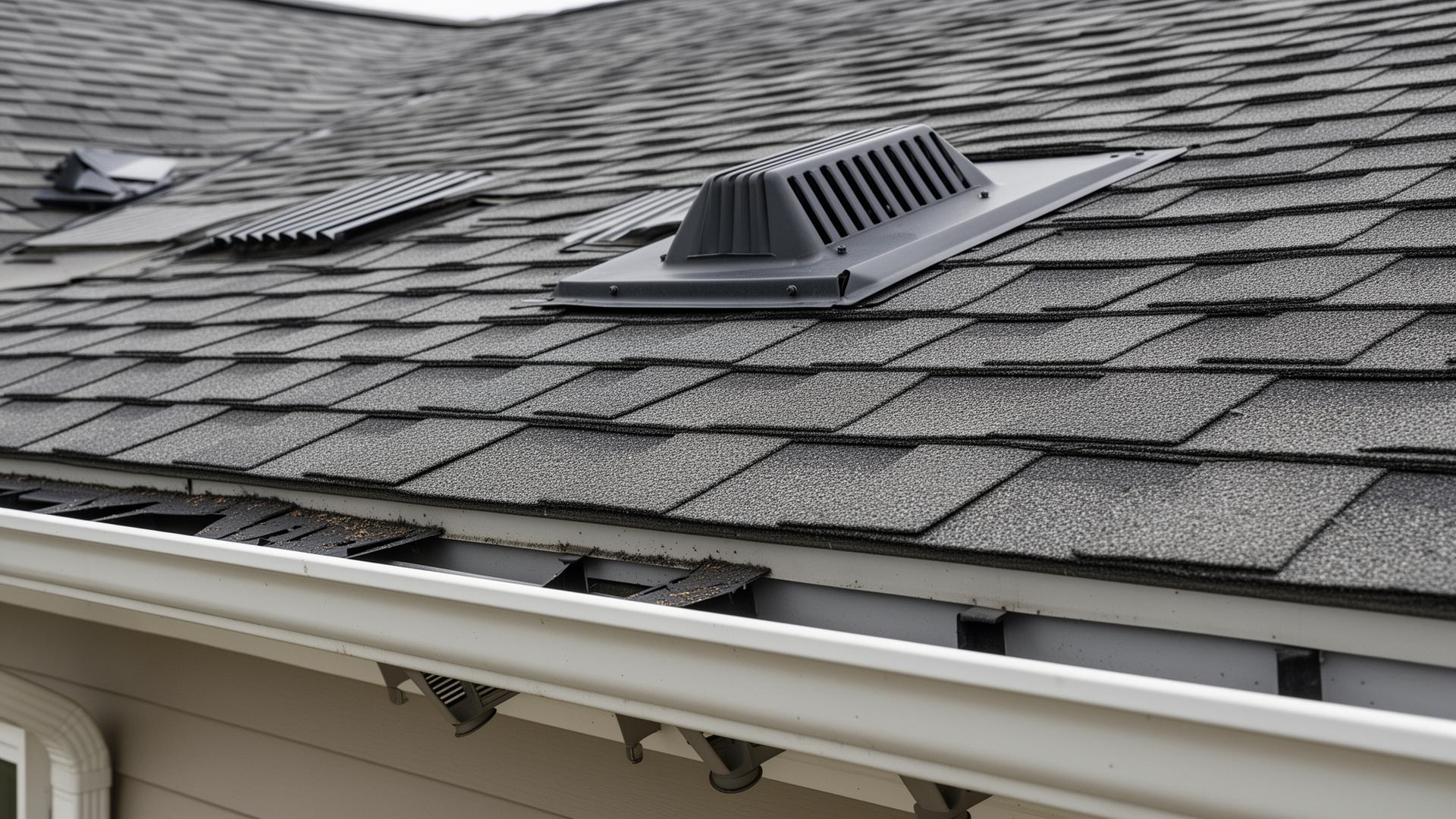
- Shingles and Roofing Material - Inspectors check for curling, cracking, buckling, or missing shingles. They look for granule loss on asphalt shingles, which indicates aging, and examine the overall condition of the roofing material whether it's metal, tile, or slate.
- Flashing - The metal pieces around chimneys, vents, skylights, and roof edges are critical water barriers. Inspectors check for rust, separation, improper sealing, and deterioration. Damaged flashing is one of the most common causes of roof leaks.
- Gutters and Downspouts - Proper drainage is essential for roof longevity. Inspectors examine gutters for clogs, damage, proper pitch, and secure attachment. They also check that downspouts direct water away from the foundation.
- Ventilation Systems - Adequate attic ventilation prevents moisture buildup and regulates temperature. Inspectors verify that soffit vents, ridge vents, and other ventilation components are functioning properly.
- Chimneys and Skylights - These roof penetrations require special attention. Inspectors check masonry for cracks, examine skylights for seal integrity, and verify that all related flashing is intact.
Interior Inspection Points:
- Attic Examination - A thorough inspection includes the attic space. Inspectors look for water stains, mold, inadequate insulation, daylight coming through the roof deck, and proper ventilation.
- Ceiling Inspection - Water stains, sagging areas, or discoloration on interior ceilings often indicate roof problems that need immediate attention.
- Structural Assessment - Inspectors check for sagging roof lines, damaged rafters or trusses, and any signs of structural compromise.
When to Schedule a Roof Inspection
Timing matters when it comes to roof inspections. Here are the key occasions when you should have your roof professionally examined:
Seasonal Inspections:: - Spring - After winter weather has passed, inspect for damage from ice, snow, and freezing temperatures. This is also an ideal time to clean gutters and remove debris that accumulated over winter. - Fall - Before winter arrives, ensure your roof is ready to handle harsh weather. Address any issues before they're compounded by snow and ice.
Event-Triggered Inspections:: - After severe storms, especially those with hail, high winds, or heavy rain - Following any impact from falling trees or debris - When you notice interior signs of leaks such as water stains or dripping - Before purchasing a new home (part of the home inspection) - When your roof reaches 15-20 years of age - Before filing an insurance claim for roof damage
Routine Schedule:: For most homes, a professional inspection every two to three years is sufficient, combined with regular homeowner visual checks. However, older roofs or those in harsh climates may benefit from annual professional inspections.
The Inspection Process: What to Expect
Understanding the inspection process helps you prepare and ensures you get the most value from the service.
Before the Inspection:: - Clear access to your attic if possible - Trim back any overhanging tree branches - Note any concerns or problem areas you've observed - Gather documentation about your roof's age, materials, and any previous repairs - Ensure pets are secured so they don't interfere with the inspection
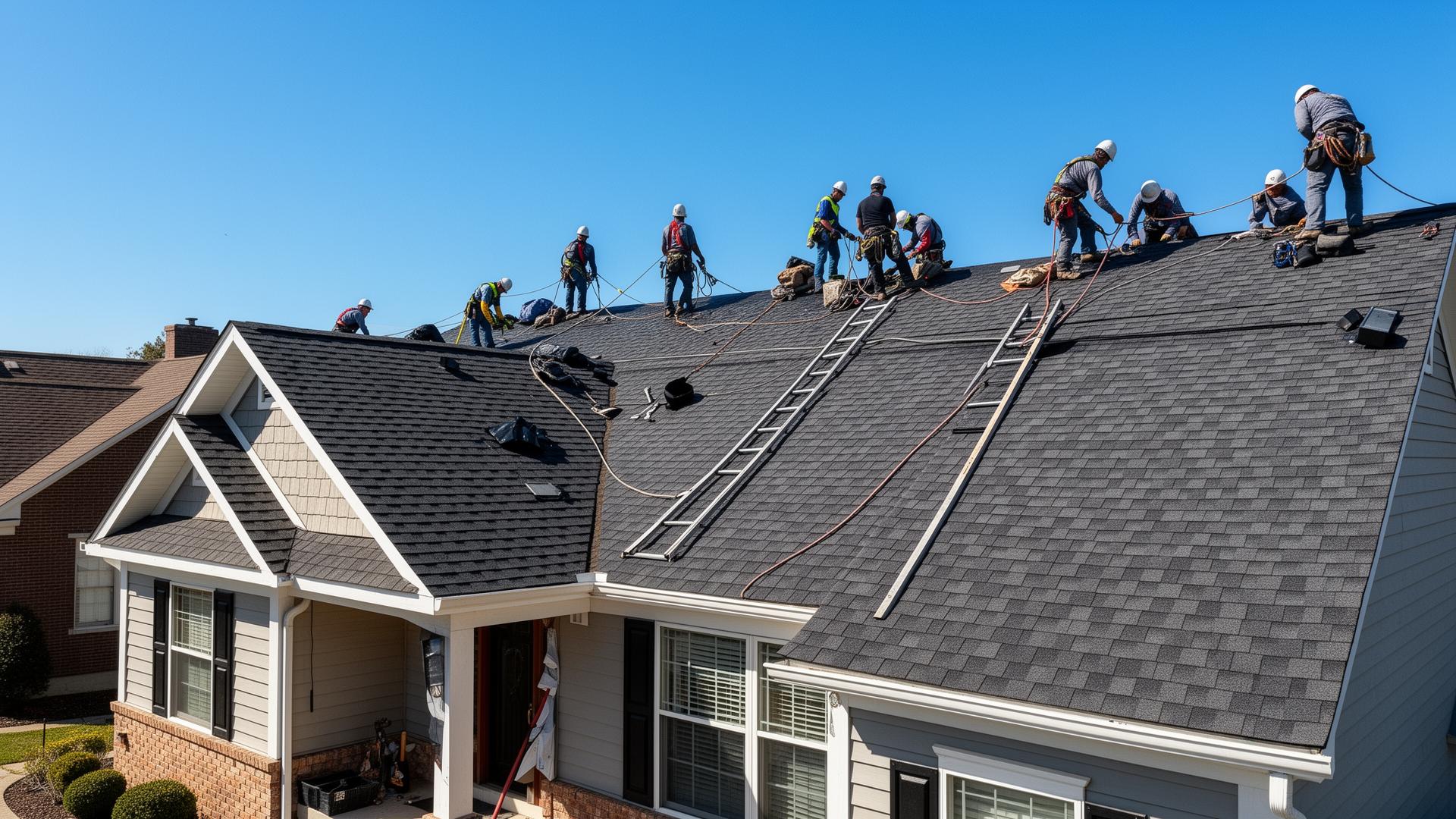
During the Inspection:: A typical residential roof inspection takes 45 minutes to two hours, depending on the roof's size and complexity. The inspector will:
- Walk the perimeter of your home, examining the roof from ground level
- Climb onto the roof (if safely accessible) or use a drone for difficult-to-access areas
- Examine all roofing components systematically
- Inspect the attic space and interior areas for water damage
- Take photos to document conditions and any issues found
- Answer your questions and explain findings
After the Inspection:: You should receive a detailed written report that includes: - Overall roof condition assessment - Photographs of any issues discovered - Estimated remaining lifespan of the roof - Recommended repairs, listed by priority - Estimated costs for addressing identified issues - Recommendations for ongoing maintenance
Understanding Inspection Costs
Roof inspection costs vary based on several factors, but understanding typical pricing helps you budget appropriately and recognize fair pricing.
Average Inspection Costs:
| Inspection Type | Typical Cost Range |
|---|---|
| Basic visual inspection | $75 - $200 |
| Comprehensive inspection | $200 - $400 |
| Drone inspection | $150 - $350 |
| Infrared/thermal inspection | $400 - $600 |
Factors Affecting Price:: - Roof size and complexity (multiple levels, steep pitch) - Geographic location and local labor rates - Type of roofing material - Accessibility challenges - Extent of documentation required - Additional services like gutter inspection
Many roofing contractors offer free inspections, particularly when you're considering them for repair work. However, independent inspections from certified home inspectors provide unbiased assessments without sales pressure.
DIY Roof Checks Between Professional Inspections
While professional inspections are irreplaceable, homeowners can perform regular visual checks to catch obvious issues early.
Safe Ground-Level Observations:: - Use binoculars to examine the roof surface without climbing - Look for missing, damaged, or discolored shingles - Check for sagging areas along the roofline - Examine visible flashing around chimneys and vents - Inspect gutters for debris, damage, or improper drainage
Interior Checks:: - Regularly examine ceilings for water stains or discoloration - Check attic spaces (if accessible) after storms - Monitor for musty odors that might indicate hidden moisture - Note any increases in energy bills that might suggest insulation problems
When to Call a Professional:: If you notice any of the following during your checks, schedule a professional inspection promptly: - Multiple missing or damaged shingles - Visible sagging in the roof structure - Active leaks or fresh water stains - Daylight visible through the roof deck - Significant granule accumulation in gutters
Preparing for Different Weather Conditions
Different seasons and weather events require specific inspection considerations.
After Winter:: Ice dams can cause significant damage in cold climates. Look for signs of ice dam damage including lifted shingles, damaged gutters, and interior water stains near eaves. Check that ventilation prevented excessive ice buildup.
After Summer Storms:: Hail damage isn't always obvious. Professional inspectors know to look for subtle signs like dented flashing, small punctures, and compromised shingle integrity that might not be visible to untrained eyes.
Hurricane and Tornado Zones:: Homes in storm-prone areas require special attention. Inspections should verify that roofing meets local building codes and that any storm damage is properly documented for insurance purposes.
Working with Insurance Companies
Roof inspections play a crucial role in insurance claims and maintaining coverage.
Pre-Claim Inspections:: Document your roof's condition regularly. Having dated inspection reports creates a baseline that proves when damage occurred, strengthening insurance claims.
Claim-Related Inspections:: When filing a claim, your insurance company will send their own adjuster. Having an independent inspection report gives you leverage to ensure you receive fair compensation for actual damage.
Coverage Requirements:: Some insurance policies require regular roof inspections or have coverage limitations based on roof age. Understanding your policy requirements helps you maintain adequate coverage and avoid claim denials.
Choosing a Qualified Roof Inspector
Not all roof inspections are created equal. Selecting the right inspector ensures you receive accurate, unbiased information.
Qualifications to Look For:: - Proper licensing for your state - Insurance (liability and workers' compensation) - Industry certifications (HAAG, RCI, NRCIA) - Experience with your specific roof type - Positive reviews and references - Willingness to provide detailed written reports
Red Flags to Avoid:: - Inspectors who only want to provide verbal findings - High-pressure sales tactics immediately following inspection - Unwillingness to explain their findings - Lack of proper insurance or licensing - Prices significantly below market rates (may indicate shortcuts)
Conclusion
Regular roof inspections are an essential part of responsible homeownership. By understanding what inspectors look for, when to schedule inspections, and how to interpret results, you can protect your home's most important protective barrier. Whether you're dealing with an aging roof, recovering from storm damage, or simply practicing preventive maintenance, professional inspections provide the knowledge you need to make informed decisions about your roof's care.
Remember that the cost of regular inspections is minimal compared to the expense of emergency repairs or premature roof replacement. Make roof inspections a priority in your home maintenance routine, and find a trusted local contractor to ensure your roof continues protecting your home for years to come.