Storm Damage: What Every Homeowner Should Know
Severe weather can strike at any time, and knowing how to handle roof damage is crucial for protecting your home and your wallet. Every year, storms cause billions of dollars in residential roof damage across the United States. Understanding how to respond effectively can mean the difference between a smooth recovery and a prolonged, costly ordeal. This comprehensive guide covers everything homeowners need to know about storm damage, from immediate response to long-term recovery.
Understanding Storm Damage Types
Different storms cause different types of damage to your roof. Recognizing the specific damage type helps you communicate effectively with contractors and insurance adjusters.
Hail Damage
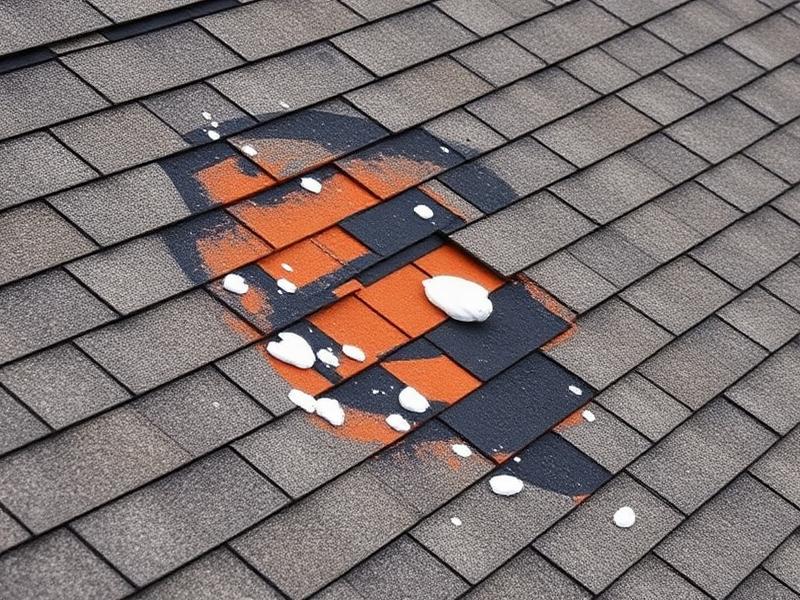
Hail is one of the most common causes of roof damage, and its effects can range from cosmetic to catastrophic depending on stone size.
Signs of Hail Damage:: - Random pattern of dark spots on shingles (granule loss) - Dents in metal flashing, vents, and gutters - Cracked or broken shingles - Soft spots when shingles are pressed - Dents in air conditioning units, vehicles, and other outdoor items
Hail damage can be subtle and may not cause immediate leaks, but it compromises your roof's integrity and shortens its lifespan significantly. Even marble-sized hail can damage roofing materials when driven by strong winds.
Wind Damage
High winds create uplift forces that can tear shingles from your roof or compromise their seal strips.
Signs of Wind Damage:: - Missing shingles or tiles - Lifted, curled, or creased shingles - Exposed underlayment or roof deck - Damaged or missing ridge caps - Debris impact marks
Wind damage often concentrates at roof edges, corners, and ridges where uplift forces are strongest. Even if your shingles remain in place, wind stress can break their seal strips, leaving them vulnerable to future storms.
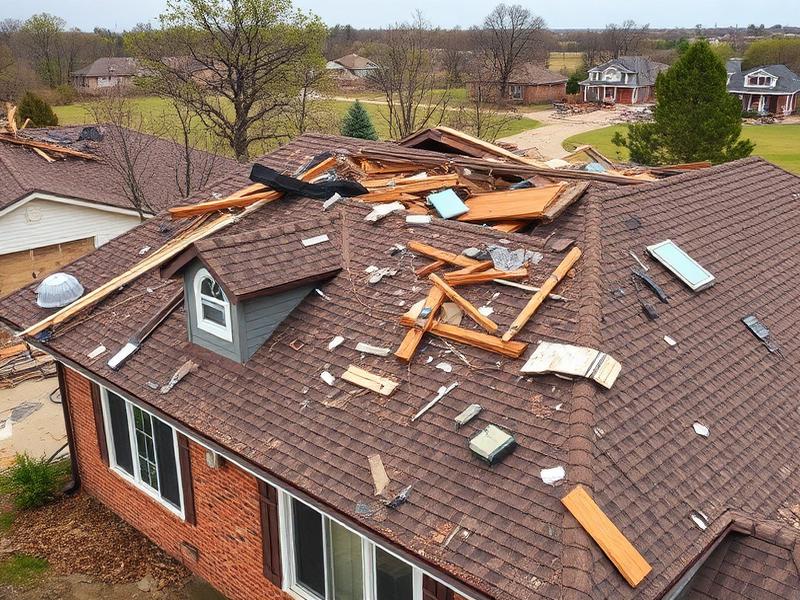
Tree and Debris Damage
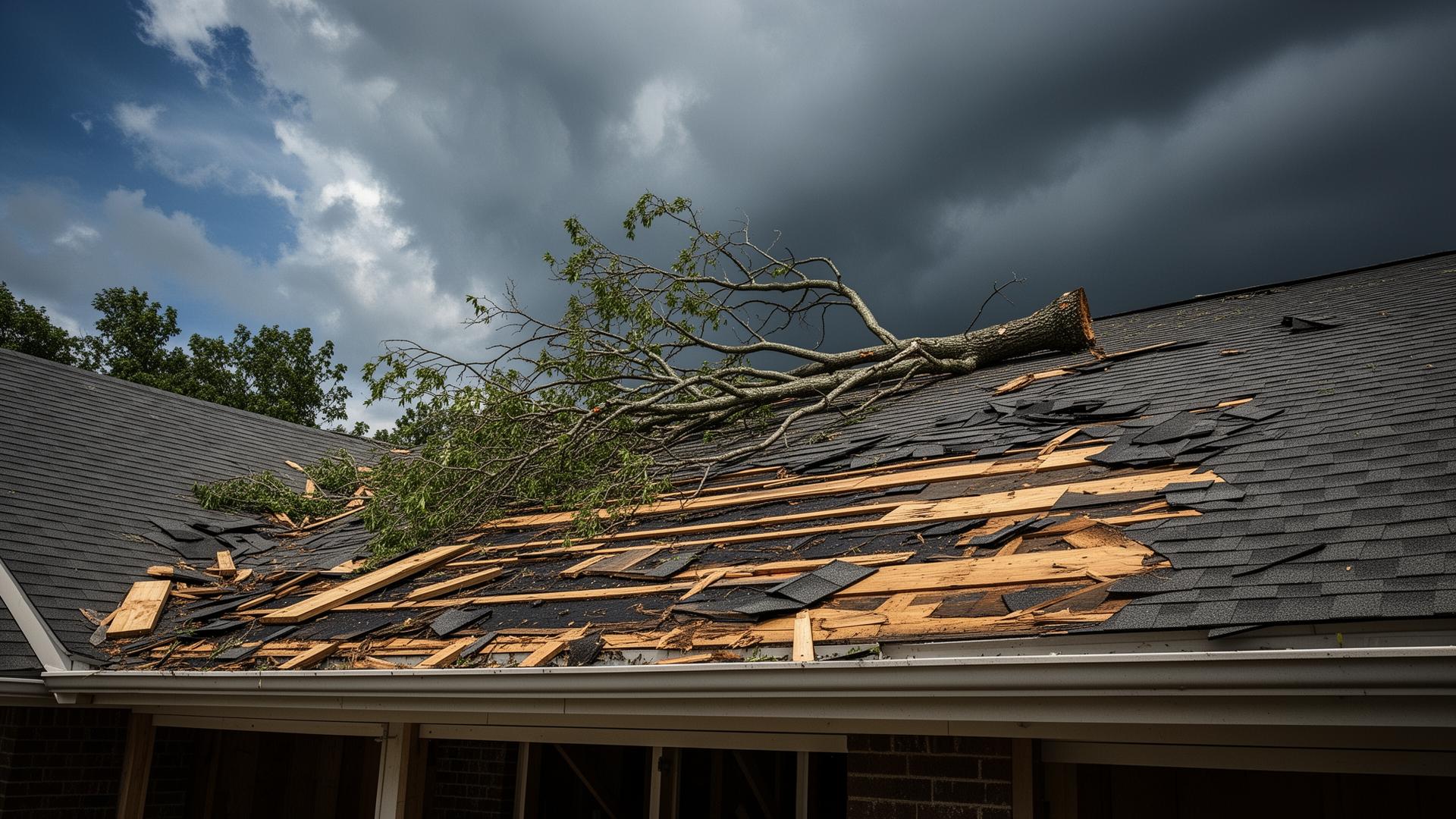
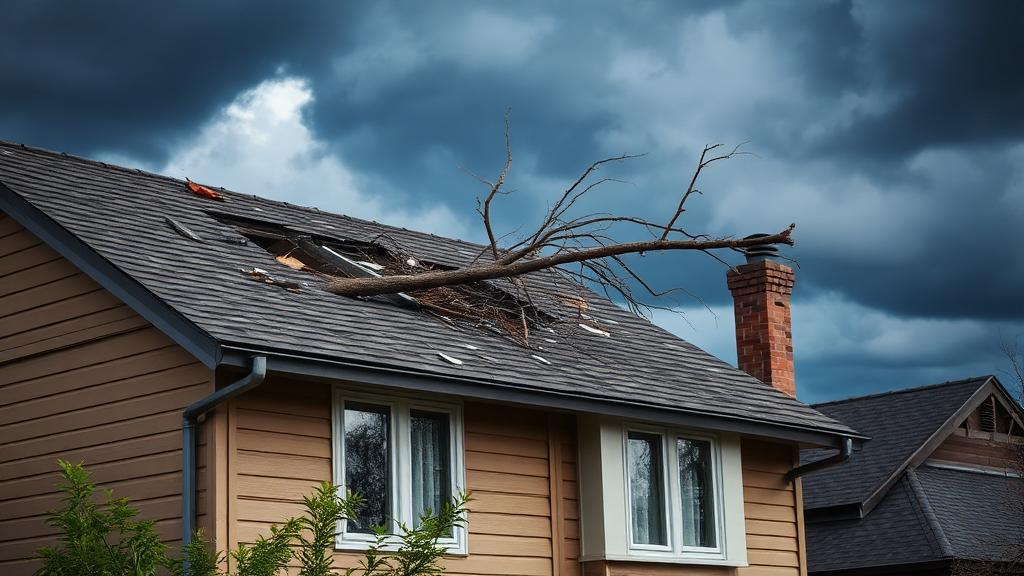
Falling trees and windborne debris can cause immediate, obvious damage requiring emergency response.
Signs of Tree/Debris Damage:: - Punctures or holes in roofing material - Structural damage to rafters or trusses - Crushed or displaced gutters - Visible impact marks or embedded debris
Immediate Steps After a Storm
The actions you take in the first 24-48 hours after storm damage significantly impact your recovery outcome.
Step 1: Ensure Safety First
Before assessing any damage, prioritize safety: - Stay away from downed power lines (assume all lines are live) - Don't enter areas with significant structural damage - Watch for gas leaks if damage is severe - Never climb on a wet or damaged roof
If you smell gas or see electrical hazards, evacuate and contact emergency services immediately.
Step 2: Document Everything Thoroughly
Proper documentation is essential for insurance claims and contractor estimates.
Photography Guidelines:: - Take wide shots showing overall damage context - Capture close-ups of specific damage points - Include timestamps (visible in photos or noted separately) - Document damage to surrounding property (vehicles, fencing) - Photograph interior damage from leaks
Video Documentation:: - Walk around the property narrating what you see - Include date and time in your narration - Show the relationship between exterior and interior damage
Step 3: Prevent Further Damage
Insurance policies require you to mitigate additional damage. This might include: - Covering exposed areas with tarps - Moving furniture away from active leaks - Placing containers under dripping areas - Arranging emergency board-up if needed
Keep all receipts for emergency supplies and services—these are typically reimbursable.
Step 4: Contact Your Insurance Company
Notify your insurer promptly (most policies require timely notification): - Have your policy number ready - Provide basic damage description - Ask about claim procedures and timelines - Request information about temporary repair coverage
Working with Insurance Companies
Insurance claims can be complex. Understanding the process helps you secure fair compensation.
The Adjuster Visit
Insurance adjusters assess damage and create repair estimates. Prepare by: - Having your documentation organized - Being present during the inspection - Walking through all damage with the adjuster - Asking questions about their assessment methods - Requesting a copy of their report
Getting Contractor Estimates
Obtain independent estimates from licensed roofing contractors: - Get 3-5 estimates for comparison - Ensure estimates detail all necessary repairs - Verify contractors check all roof areas, not just visible damage - Ask about code upgrade requirements
Negotiating Fair Settlements
If the initial settlement seems low: - Review the adjuster's scope against contractor findings - Document any missed damage - Submit a formal supplement request - Consider hiring a public adjuster for significant claims
Choosing a Storm Damage Contractor
Storm damage repair requires choosing contractors carefully to avoid scammers.
Red Flags to Avoid
- Door-to-door solicitation immediately after storms
- Pressure to sign contracts quickly
- Requests for full payment upfront
- Out-of-state contractors without local references
- Offers to pay your deductible (this is insurance fraud)
Essential Contractor Qualifications
Verify before hiring: - Current state and local licenses - Adequate liability insurance - Workers' compensation coverage - Established local business presence - Positive references from recent storm damage work - Manufacturer certifications
Find qualified local roofing contractors who specialize in storm damage repair.
Long-Term Considerations
Ongoing Roof Monitoring
After repairs, monitor for: - New leak signs during subsequent rain - Shifting or settling of repaired areas - Warranty issues that need addressing
Preparing for Future Storms
Reduce future damage risk: - Trim trees near your roof - Consider impact-resistant roofing materials - Maintain proper roof condition through regular inspections - Review insurance coverage annually
Conclusion
Storm damage is stressful, but knowing the proper response procedures helps you navigate recovery effectively. Document thoroughly, work with reputable contractors, understand your insurance coverage, and don't rush decisions. With the right approach, you can restore your roof's protection and be better prepared for future storms.