Florida Hurricane Roofing Requirements: 2026 Update
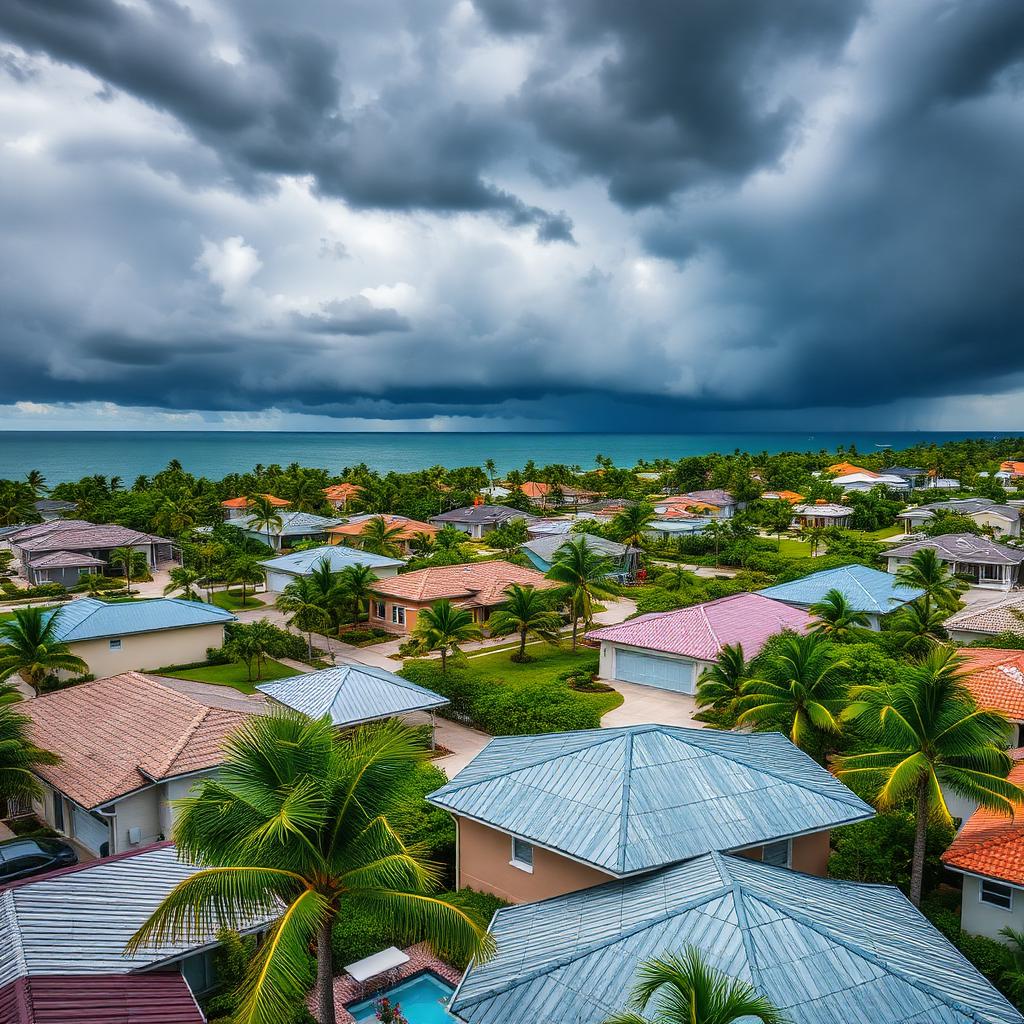
Florida has some of the strictest roofing requirements in the nation due to the state vulnerability to hurricanes. If you are a Florida homeowner considering roof replacement or repairs, understanding these requirements is essential for protecting your home, maintaining insurance coverage, and ensuring code compliance. This comprehensive guide covers everything you need to know about Florida 2026 roofing standards, from wind resistance ratings to approved materials and insurance considerations.
Understanding Florida Hurricane Risk and Building Code Evolution
Florida position in the Atlantic hurricane belt makes it one of the most hurricane-prone states in the nation. Since Hurricane Andrew devastated South Florida in 1992, causing over $27 billion in damage, the state has continuously strengthened its building codes to better protect homes and residents from catastrophic wind events.
The Florida Building Code (FBC) is updated on a three-year cycle, with the latest version incorporating lessons learned from recent storms including Hurricanes Michael, Irma, and Ian. These updates reflect advances in roofing technology, new understanding of wind dynamics, and the reality that climate change is producing stronger and more frequent hurricanes.
Current Florida Building Code Requirements for Roofing
The Florida Building Code establishes minimum standards that all new roofs and major renovations must meet. These requirements vary by location, with the most stringent standards applying to High-Velocity Hurricane Zones (HVHZ), which include Miami-Dade and Broward counties.
Wind Resistance Requirements
Florida wind resistance requirements are based on the location of the property and the building risk category. The state uses a wind speed map that divides the state into various zones.
Roof Deck and Sheathing Requirements
The roof deck - the plywood or OSB sheathing attached to your rafters - forms the foundation of your roofing system. Florida requires specific standards for this critical component.
Secondary Water Barrier Requirements
One of Florida most important roofing requirements is the secondary water barrier - an additional layer of protection that prevents water intrusion even if the primary roofing material is compromised during a storm.
Approved Roofing Materials for Florida
Florida maintains a rigorous product approval system administered by the Florida Building Commission. All roofing products installed in Florida must have either a Florida Product Approval or a Miami-Dade Notice of Acceptance (NOA) for use in HVHZ zones.
Standing Seam Metal Roofing
Metal roofing has become increasingly popular in Florida due to its exceptional wind resistance and longevity. Standing seam systems, where panels connect via raised seams without exposed fasteners, offer particular advantages.
Concrete and Clay Tile Roofing
Tile roofs are iconic in Florida, particularly in Spanish-influenced architecture. Modern tile systems can meet even HVHZ requirements when properly installed.
Impact-Resistant Asphalt Shingles
For homeowners seeking a more affordable hurricane-resistant option, impact-resistant asphalt shingles provide excellent protection at a moderate price point.
Insurance Considerations and Premium Reductions
Florida challenging insurance market makes roof condition and hurricane resistance particularly important for homeowners. Many carriers now require roof inspections before issuing or renewing policies, and roof age or condition can significantly impact availability and pricing of coverage.
My Safe Florida Home Program
Florida offers the My Safe Florida Home program, which provides free wind inspections and matching grants for hurricane mitigation improvements. Eligible homeowners can receive up to $10,000 toward qualifying upgrades.
Wind Mitigation Discounts
Florida law requires insurance companies to provide premium discounts for homes with hurricane-resistant features. A wind mitigation inspection documents these features and can result in savings of 30-50% or more on the wind portion of your homeowners premium.
Permitting and Inspection Requirements
All roof work in Florida requires permits except for minor repairs under certain thresholds. The permitting process ensures your new roof meets code requirements and protects you from substandard work.
Choosing a Qualified Florida Roofing Contractor
Given Florida stringent requirements, selecting a properly licensed and experienced contractor is crucial for a successful roofing project.
Conclusion
Florida hurricane roofing requirements exist because history has proven their necessity. From the devastation of Hurricane Andrew to the recent impacts of Ian and Michael, properly built roofs have consistently protected Florida families when storms strike.
Whether you are building a new home, replacing an existing roof, or preparing for hurricane season, understanding these requirements helps you make informed decisions. Invest in a code-compliant, properly installed roof with hurricane-resistant features, and you will protect not only your property but your family safety and your financial investment in your home.
For specific requirements in your area and recommendations tailored to your situation, connect with a licensed Florida roofing contractor who understands local codes and can help you navigate the permitting process while ensuring your roof provides maximum protection.