Wind Damage Roof Insurance Claims: Complete Documentation and Filing Guide
High winds can devastate residential roofs in seconds, tearing away shingles, lifting flashing, and creating entry points for water damage. When wind damage strikes your home, understanding how to properly document, file, and negotiate your insurance claim can mean the difference between adequate repairs and thousands of dollars in out-of-pocket expenses. This comprehensive guide covers everything homeowners need to know about wind damage insurance claims.
Understanding Wind Damage to Residential Roofs
Wind doesn't affect roofs uniformly. Understanding how wind damages roofing systems helps you identify problems that might otherwise go unnoticed and document them effectively for your insurance claim.
How Wind Damages Roofs:
Wind creates both positive and negative pressure on roof surfaces. As wind flows over a roof, it creates lift similar to an airplane wing, pulling roofing materials upward. Edges, corners, and ridges experience the greatest forces, which is why wind damage often begins at these vulnerable areas.
Common Types of Wind Damage:
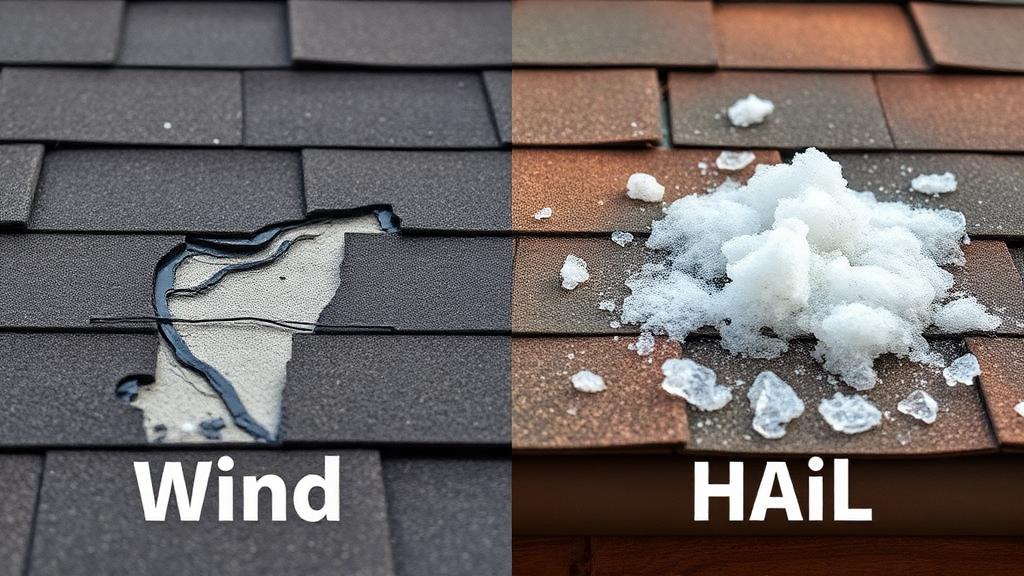
- Lifted Shingles - Wind catches shingle edges and lifts them, breaking sealant strips and allowing water infiltration.
- Missing Shingles - Severe winds can completely remove shingles, leaving the underlayment or deck exposed.
- Creased Shingles - Wind bending creates permanent fold lines that compromise shingle integrity.
- Exposed Nails - Lifting can expose fasteners, creating leak points even if shingles remain attached.
- Damaged Flashing - Wind can lift, bend, or remove metal flashing around penetrations.
- Ridge Cap Damage - Ridge caps are highly vulnerable to wind uplift due to their exposed position.
Wind Damage Patterns:
| Wind Speed | Typical Damage | Insurance Implications |
|---|---|---|
| 50-60 mph | Minor lifting, loose shingles | May be below deductible |
| 60-75 mph | Missing shingles, minor flashing damage | Usually covered damage |
| 75-100 mph | Significant shingle loss, structural stress | Major claims likely |
| 100+ mph | Severe damage, possible structural failure | Total roof replacement common |
Immediate Response to Wind Damage
Your response in the hours following a wind event significantly impacts your claim's success. Quick action protects your home from additional damage while creating documentation that supports your claim.
Safety First Protocol:
Before investigating any damage: - Wait until storm conditions have completely passed - Check for downed power lines around your property - Watch for unstable structures or hanging debris - Never climb onto a potentially damaged roof
Initial Assessment Steps:
- Ground-Level Survey - Walk your property perimeter noting visible damage to roofing, siding, fencing, and landscaping.
- Check Indoors - Look for water stains, wet spots, or daylight visible through the roof.
- Document Weather Conditions - Note wind speed estimates, storm duration, and direction.
- Photograph Comprehensively - Capture all visible damage plus the overall property condition.
- Note Timeline - Record when the storm occurred and when you discovered damage.
Emergency Protective Measures:
Insurance policies require reasonable steps to prevent additional damage:
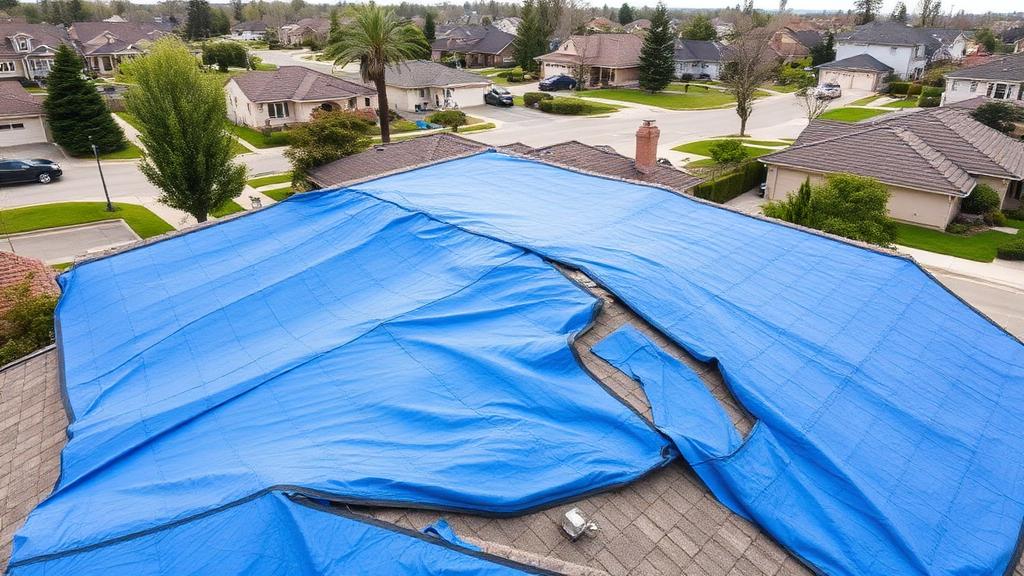
- Cover openings with tarps secured properly
- Remove debris that could cause further damage
- Document all emergency measures with photos and receipts
- Keep temporary repairs minimal—don't make permanent changes yet
Filing Your Wind Damage Claim
Prompt, thorough claim filing establishes your damage is storm-related and begins the formal process toward compensation.
Timing Your Claim:
File as soon as reasonably possible after discovering damage. While policies typically allow time for filing, prompt claims: - Clearly link damage to specific storm events - Allow faster adjuster scheduling - Begin the settlement process sooner - Demonstrate responsible homeownership
What to Report:
When contacting your insurance company: - Policy number and contact information - Date and time of the storm event - Description of visible damage - Whether emergency repairs were necessary - Your availability for adjuster inspection
Documentation to Prepare:
Gather these items before the adjuster arrives: - All photographs and videos of damage - Weather reports confirming high winds - Any previous roof inspection reports - Receipts for emergency repairs - List of damaged items beyond roofing
Wind Damage Insurance Coverage Details
Understanding your specific coverage helps you know what to expect and identify any discrepancies in your settlement offer.
Standard Coverage Elements:
Most homeowner's policies cover wind damage under dwelling coverage, which pays for: - Roof repair or replacement - Damaged structural components - Water damage resulting from wind breach - Debris removal from your property
Coverage Limitations:
Be aware of potential exclusions or limitations: - Wind/Hail Deductibles - Many policies have higher deductibles specifically for wind damage - Percentage Deductibles - Some policies calculate wind deductibles as a percentage of dwelling coverage - Cosmetic Exclusions - Policies may exclude damage that doesn't affect functionality - Age Restrictions - Older roofs may only receive actual cash value rather than replacement cost
Deductible Calculation Example:
For a home with $400,000 dwelling coverage and 2% wind deductible: - Standard deductible: $1,000 - Wind deductible: $8,000 (2% of $400,000) - Significant difference in out-of-pocket costs
Working with Insurance Adjusters on Wind Claims
The adjuster's assessment largely determines your settlement. Understanding their perspective and process helps you advocate effectively for fair compensation.
What Adjusters Look For:
Wind damage adjusters typically examine: - Pattern of damage consistent with wind direction - Damage concentrated at edges, corners, and ridges - Evidence of recent versus pre-existing damage - Condition of undamaged roof sections - Related damage to other structures
Preparing for the Inspection:
Before the adjuster arrives: - Review all your documentation - Note specific damage areas to point out - Have any contractor estimates available - Schedule a professional inspection if time permits
During the Assessment:
Accompany the adjuster and: - Point out all damage you've documented - Ask questions about their methodology - Request explanation of anything unclear - Take notes on their observations - Express concerns professionally if damage is missed
Common Adjuster Challenges:
Be prepared for potential issues: - Attribution of damage to wear rather than wind - Underestimation of affected areas - Missing hidden or secondary damage - Inadequate repair cost calculations
Documenting Wind Damage Effectively
Comprehensive documentation is your strongest tool for supporting your claim and challenging inadequate settlements.
Photographic Evidence:
Capture extensive visual documentation: - Wide shots showing overall damage extent - Close-ups of individual damaged areas - Contextual shots showing location on roof - Before photos if available from prior inspections - Damage to gutters, siding, and other components
Video Documentation:
Videos can capture context photos miss: - Narrated walkthrough of damage - Movement of loose components in wind - Active leaks or water intrusion - Scale and relationship of damaged areas
Written Records:
Maintain detailed written documentation: - Timeline of storm and damage discovery - All communications with insurance company - Adjuster findings and your responses - Contractor estimates and recommendations - Weather reports and news coverage
Getting Independent Contractor Assessments
Professional roofing assessments provide crucial support for your claim, especially if adjuster findings seem inadequate.
When to Get Estimates:
- Before the adjuster visits (provides comparison baseline)
- After receiving initial settlement offer
- When you believe damage was underestimated
- Before accepting any settlement
Selecting the Right Contractor:
Look for contractors who: - Have experience with insurance claims - Provide detailed, itemized estimates - Will work with adjusters professionally - Are properly licensed and insured - Have strong local references
Find qualified contractors in your area who understand wind damage and insurance processes.
Using Estimates Effectively:
Quality estimates can support requests for: - Higher settlement amounts - Supplemental claim payments - Reconsideration of denied claims - Appeal of inadequate offers
Handling Settlement Disputes
Not every wind damage claim proceeds smoothly. Knowing your options when disputes arise helps you pursue fair compensation.
Common Dispute Scenarios:
- Damage Attribution - Insurer claims damage is from wear, not wind
- Scope Disagreements - Adjuster misses or underestimates affected areas
- Cost Disputes - Settlement offer doesn't cover actual repair costs
- Denial - Claim rejected entirely
Dispute Resolution Steps:
- Request Written Explanation - Get specific reasons in writing
- Gather Supporting Evidence - Obtain contractor opinions, inspection reports, and weather documentation
- Submit Formal Appeal - Present your case with supporting evidence
- Request Re-Inspection - Ask for a different adjuster's assessment
- Consider Public Adjusters - Professional advocates can often improve settlements
- Contact State Insurance Department - Regulatory review may be appropriate
- Legal Consultation - Attorneys specializing in insurance disputes can advise on options
Supplemental Claims for Wind Damage
Wind damage often reveals additional problems once repairs begin. Supplemental claims allow you to recover costs for newly discovered damage.
Triggering Supplemental Claims:
- Hidden deck damage beneath shingles
- Interior damage appearing after initial repairs
- Additional affected areas discovered during work
- Code upgrade requirements identified during permitting
- Flashing or structural issues hidden by roofing materials
Filing Process:
- Stop work and document the new damage
- Notify your insurance company immediately
- Submit photographs and contractor documentation
- Request additional adjuster inspection if needed
- Await supplemental settlement before proceeding
Preventing Future Wind Damage
While processing your current claim, consider improvements that can reduce future wind vulnerability.
Impact-Resistant Upgrades:
- High-wind-rated shingles
- Enhanced nailing patterns
- Roof deck attachment improvements
- Impact-resistant ridge caps
- Hurricane straps for structural connections
Insurance Benefits:
Many insurers offer premium discounts for: - Wind-resistant roofing materials - Roof-to-wall connection improvements - Impact-resistant skylights - Fortified Home certification
State-Specific Wind Damage Considerations
Wind damage claim regulations vary significantly by state, especially in hurricane and tornado-prone regions.
Coastal State Provisions:
States like Florida, Texas, and Louisiana often have: - Mandatory wind pool coverage in high-risk areas - Specific percentage deductibles for named storms - Required hurricane shutters or impact glazing - Special claim filing requirements
Tornado Alley Considerations:
Midwestern states frequently feature: - Higher wind/hail deductibles - Specific coverage limitations - Shorter claim filing windows - Anti-fraud protections affecting contractors
Research your state's specific requirements or consult with a local insurance professional familiar with your region.
Conclusion
Wind damage insurance claims require prompt action, thorough documentation, and persistent advocacy. By understanding how wind damages roofs, what your policy covers, and how to work effectively with adjusters, you can secure fair compensation for repairs and protect your home's value.
Remember that you've paid for this protection, and you're entitled to coverage for legitimate storm damage. Don't accept inadequate settlements without exploring your options, and don't hesitate to seek professional help when needed.
Find trusted contractors in your area who can assess wind damage, provide detailed estimates, and help ensure your home is properly repaired.