Hail Damage Roof Insurance Claims: How to Document, File, and Maximize Your Settlement
Hail storms can strike with little warning, leaving behind damaged roofs throughout entire neighborhoods. For homeowners, the aftermath often involves navigating the complex world of insurance claims while racing against time to protect their homes from further damage. This guide provides everything you need to know about hail damage insurance claims, from identifying damage to collecting your final settlement payment.
Understanding Hail Damage to Roofing Materials
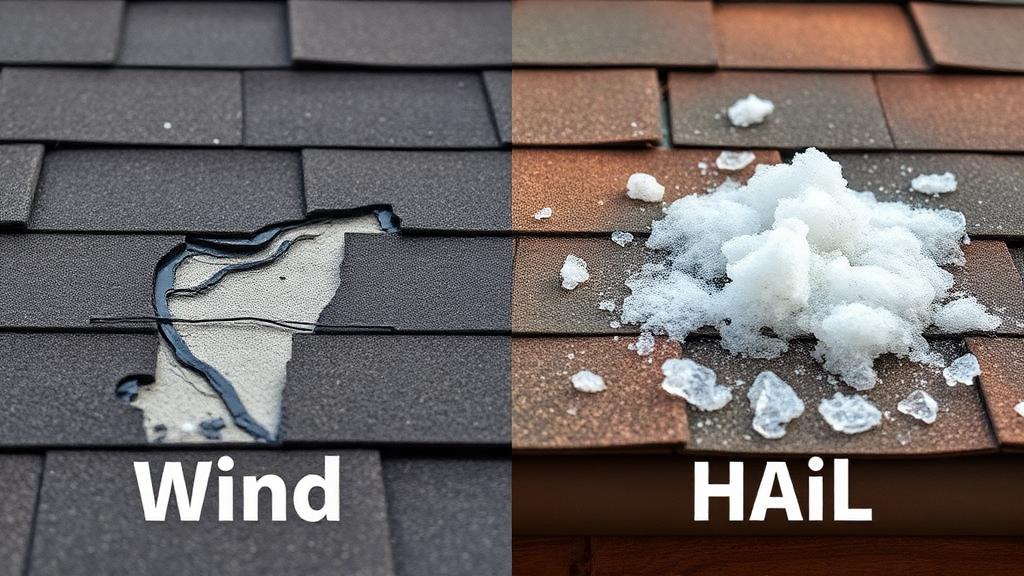
Hail damage varies significantly based on the size of hailstones, wind speed during the storm, roofing material type, and your roof's age and condition. Understanding what constitutes legitimate hail damage helps you document effectively and work with adjusters more confidently.
Hail Damage on Asphalt Shingles:
Asphalt shingles, the most common roofing material in America, show distinctive damage patterns from hail impact:
- Random impact patterns across the roof surface
- Dark spots where granules have been knocked off
- Soft spots that feel like a bruised apple when pressed
- Exposed asphalt mat where granules are missing
- Cracked or broken shingles from severe impacts
- Dents in metal flashing, gutters, and vents
The degree of damage depends on hailstone size and the age of your shingles. Newer shingles may withstand smaller hail better, while aged shingles with less flexible asphalt coating may crack or shatter upon impact.
Hail Damage on Other Roofing Materials:
| Material | Damage Signs | Severity Threshold |
|---|---|---|
| Metal Roofing | Dents, cosmetic dimpling | Usually cosmetic unless penetrated |
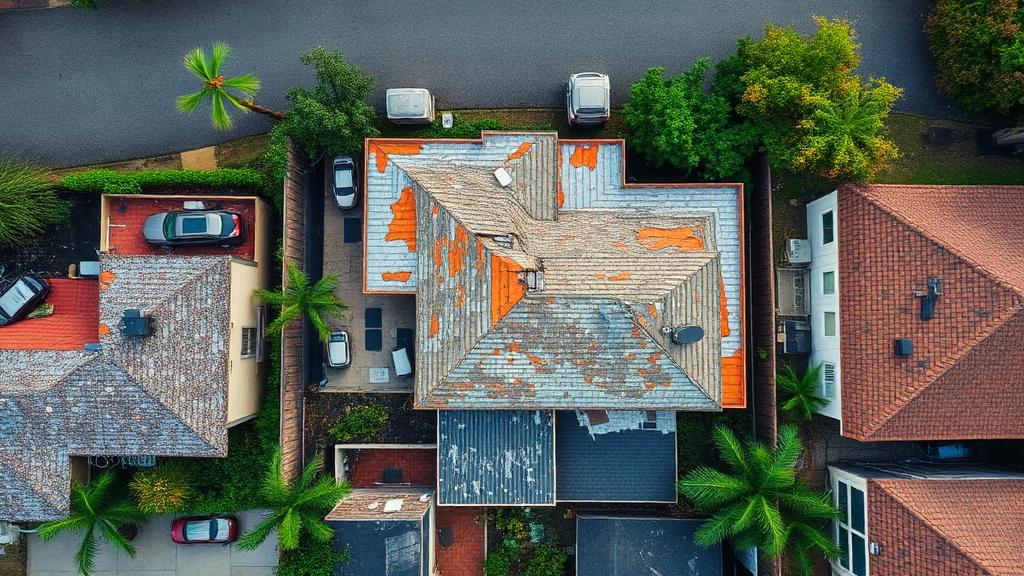
| Wood Shakes | Splits, fractures, orange-colored impacts | Orange marks indicate fresh damage |
| Tile Roofing | Cracks, chips, broken tiles | Visible cracks usually warrant replacement |
| Slate Roofing | Fractures, punctures | Any crack compromises slate integrity |
The Critical First 24-48 Hours After a Hail Storm
Your actions immediately following a hail storm can significantly impact your claim's success. Insurance companies expect prompt notification and reasonable protective measures, while thorough initial documentation creates the foundation for fair compensation.
Immediate Assessment Steps:
- Wait for Safety - Don't rush outside during or immediately after a storm. Wait until conditions are clearly safe.
- Ground-Level Survey - Walk your property perimeter noting any visible damage to gutters, downspouts, siding, windows, and air conditioning units.
- Document Hailstones - If safe, photograph any remaining hailstones next to a ruler or common object for size reference.
- Check for Interior Signs - Look for water intrusion, wet spots on ceilings, or active leaks.
- Photo Documentation - Take comprehensive photos and videos of all visible damage.
Critical Documentation Checklist:
- Date, time, and duration of the storm
- Size of hailstones (compare to coins, golf balls, etc.)
- Direction of wind during the storm
- Photos of damage from multiple angles
- Video walkthrough of property damage
- Neighbor accounts (hail damage often affects multiple homes)
- Weather reports confirming hail in your area
Filing Your Hail Damage Claim
Once you've documented the initial damage, filing your claim promptly begins the official process. Understanding what to expect helps ensure nothing falls through the cracks.
When to File:
File your claim as soon as reasonably possible after the storm. While most policies allow significant time for filing, prompt claims demonstrate that damage is recent and related to the specific storm event. Delays can lead to questions about when damage actually occurred.
Information to Provide:
When calling your insurance company, have ready: - Your policy number - Date and time of the hail storm - Brief description of visible damage - Your availability for adjuster inspection - Contact information for scheduling
Request Confirmation:
Ask for written confirmation of: - Your claim number - Assigned adjuster's name and contact information - Expected timeline for inspection - Any immediate coverage for emergency repairs - Your policy's deductible amount
Understanding Your Hail Damage Coverage
Homeowner's insurance policies generally cover hail damage as a named peril, but understanding the specifics of your coverage prevents surprises during the claim process.
Coverage Types:
Replacement Cost Value (RCV):: - Pays full cost to replace damaged materials with new ones - No deduction for depreciation - May require completing repairs to receive full payment - More expensive premium but better protection
Actual Cash Value (ACV):: - Pays replacement cost minus depreciation - You receive less for older roofs - No additional recovery after repairs - Lower premium but potentially significant out-of-pocket costs
Special Hail Deductibles:
Many policies, especially in hail-prone regions, include separate deductibles specifically for hail damage. These may be: - Higher than your standard deductible - Calculated as a percentage of your dwelling coverage - Triggered only for hail-specific claims
Review your declarations page carefully to understand which deductible applies to your claim.
Working with the Insurance Adjuster
The insurance adjuster's assessment largely determines your settlement amount. Knowing how to work effectively with adjusters while protecting your interests is essential.
Before the Inspection:
- Gather all your documentation
- Review what damage you've identified
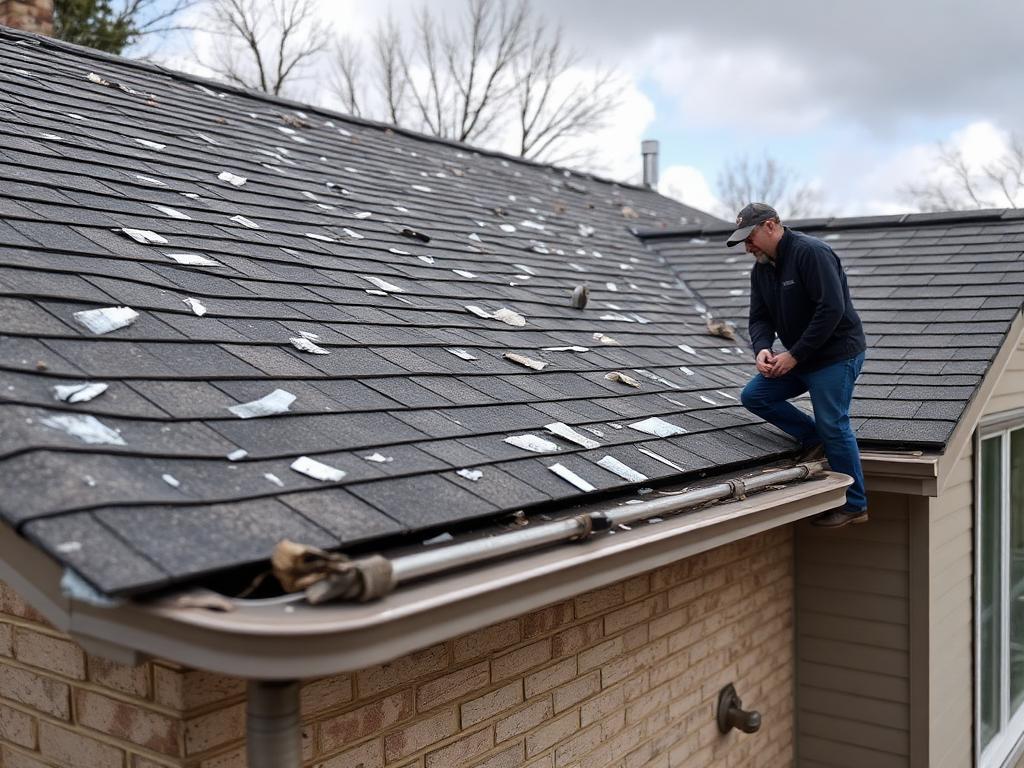
- Have your roof professionally inspected if possible
- Create a list of damaged areas to discuss
- Know your policy coverage details
During the Inspection:
Accompany the adjuster if possible: - Point out all damage you've documented - Ask them to explain what they're looking for - Request they note damage to all roof components - Take notes on their findings - Get contact information for follow-up questions
After the Inspection:
- Request a copy of their report
- Compare findings to your documentation
- Note any damage they may have missed
- Document any disagreements in writing
Getting Independent Roofing Estimates
Professional roofing estimates serve as crucial verification of adjuster findings and can support supplemental claims if initial assessments miss damage.
Why Independent Estimates Matter:
Insurance adjusters, while trained, may miss subtle damage or underestimate repair costs. A qualified local roofer experienced with hail damage can:
- Identify damage patterns adjusters might miss
- Provide detailed material and labor estimates
- Document code compliance requirements
- Support requests for supplemental funds
What to Look for in an Estimate:
Comprehensive estimates should include: - Full scope of work required - Material specifications and quantities - Labor costs broken down by task - Permit fees and disposal costs - Timeline for completion - Company licensing and insurance information
Get at least two or three estimates from reputable contractors to establish a reasonable repair cost range.
Common Issues with Hail Damage Claims
Understanding common problems helps you anticipate challenges and prepare effective responses.
Pre-Existing Damage Disputes:
Adjusters sometimes attribute damage to pre-existing conditions rather than the recent hail storm. Counter this by: - Providing prior roof inspection reports - Showing maintenance records - Documenting storm intensity in your area - Getting contractor opinions on damage age
Cosmetic vs. Functional Damage:
Some policies exclude "cosmetic damage" that doesn't affect roof performance. Understand that: - Granule loss accelerates shingle deterioration - Dented metal can affect coating integrity - Any breach of the roof surface threatens water protection
If your claim is reduced as cosmetic, request written explanation and consider professional opinions supporting functional impact.
Lowball Settlement Offers:
If your settlement seems insufficient: - Request detailed breakdown of their calculations - Provide contractor estimates showing higher costs - Document any damage they may have missed - File a formal appeal with supporting evidence
Supplemental Claims for Hidden Hail Damage
Initial inspections often can't reveal all damage. As repairs progress, additional issues frequently emerge that warrant supplemental claim requests.
Common Supplemental Situations:
- Deck damage discovered during shingle removal
- Damaged decking or sheathing hidden beneath intact shingles
- Flashing damage not visible from ground level
- Interior damage appearing after initial repair
- Code upgrade requirements identified during permitting
Filing Supplement Claims:
When additional damage is discovered: 1. Stop work and document the new damage 2. Contact your insurance company immediately 3. Request adjuster re-inspection if significant 4. Provide contractor documentation of additional needs 5. Submit formal supplemental request with supporting evidence
Choosing the Right Contractor for Hail Damage Repairs
Selecting a qualified contractor for insurance-funded repairs protects both your home and your settlement. The right contractor understands insurance processes and can help maximize your recovery.
What to Look For:
- Local presence with verifiable history
- Experience with insurance restoration
- Proper licensing and insurance coverage
- Willingness to work with adjusters
- Quality manufacturer certifications
- Positive references from insurance work
Warning Signs to Avoid:
- Storm chasers appearing immediately after hail events
- Requests to sign documents assigning insurance benefits
- Offers to waive or reduce your deductible (often illegal)
- Pressure for immediate contract signing
- No local references or business address
- Unusually low estimates that may indicate cut corners
Maximizing Your Hail Damage Settlement
Several strategies help ensure you receive fair compensation for storm damage.
Document Everything Continuously:
Maintain comprehensive records throughout the process: - All communications with insurance company - Adjuster reports and correspondence - Contractor estimates and invoices - Photographs of damage and repairs - Permit applications and inspections
Understand Depreciation Recovery:
If you have an RCV policy, recoverable depreciation can significantly increase your final payment. To claim it: - Complete repairs using approved materials - Submit final invoices showing work completed - Request recoverable depreciation payment promptly - Keep copies of all documentation
Know When to Escalate:
If negotiations stall: - Request supervisor review - File formal complaint with your insurer - Contact your state insurance department - Consider hiring a public adjuster - Consult an attorney for significant disputes
After the Claim: Protecting Your Investment
Once repairs are complete, take steps to protect your investment and prepare for future events.
Maintaining Records:
Keep permanently: - Complete claim file - Repair invoices and warranties - Before/after photographs - Material specifications used
Future Storm Preparation:
- Schedule regular roof inspections
- Maintain documentation of roof condition
- Consider impact-resistant materials for your next roof
- Review your insurance coverage annually
State-Specific Considerations
Insurance regulations vary by state, affecting claim procedures and homeowner rights. Research your state's specific rules regarding: - Claim filing deadlines - Required response timeframes - Depreciation recovery rules - Dispute resolution procedures - Anti-storm chasing regulations
Conclusion
Hail damage insurance claims require prompt action, thorough documentation, and persistent follow-through. By understanding the process and your rights as a policyholder, you can navigate claims confidently and secure fair compensation for your roof repairs.
Remember that you've paid premiums for this protection, and you're entitled to coverage for legitimate storm damage. Don't hesitate to advocate for yourself, seek professional assistance when needed, and ensure your home receives proper repairs.
Find experienced local contractors who can help assess hail damage and work effectively with your insurance company to restore your roof properly.