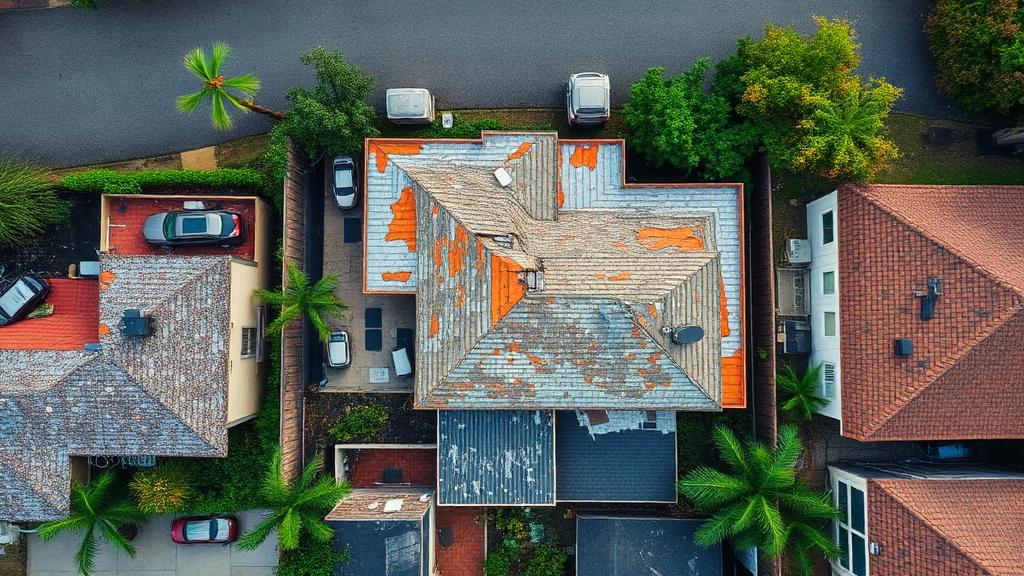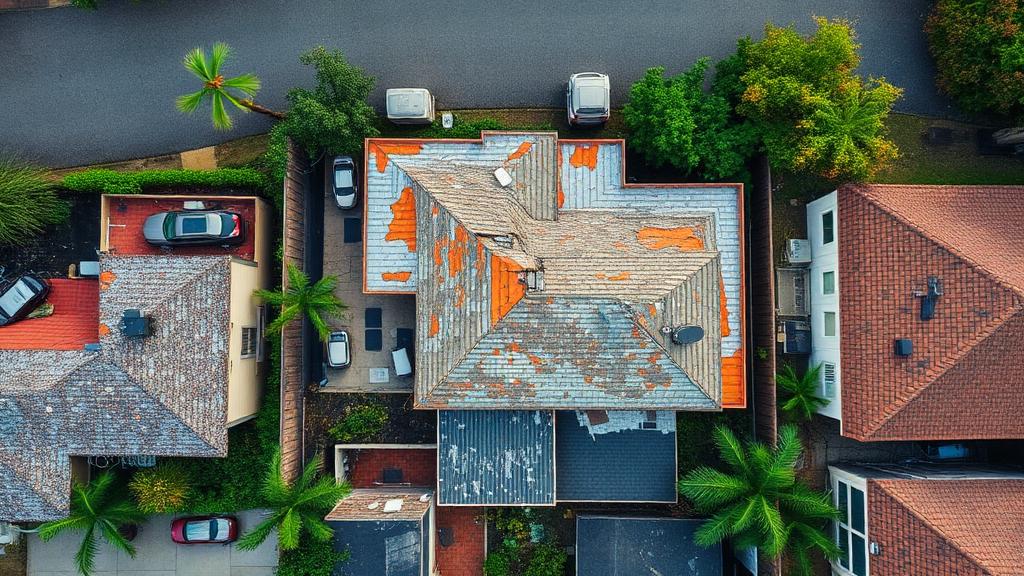
Colorado Hail Damage: Roof Assessment and Insurance Claims Guide
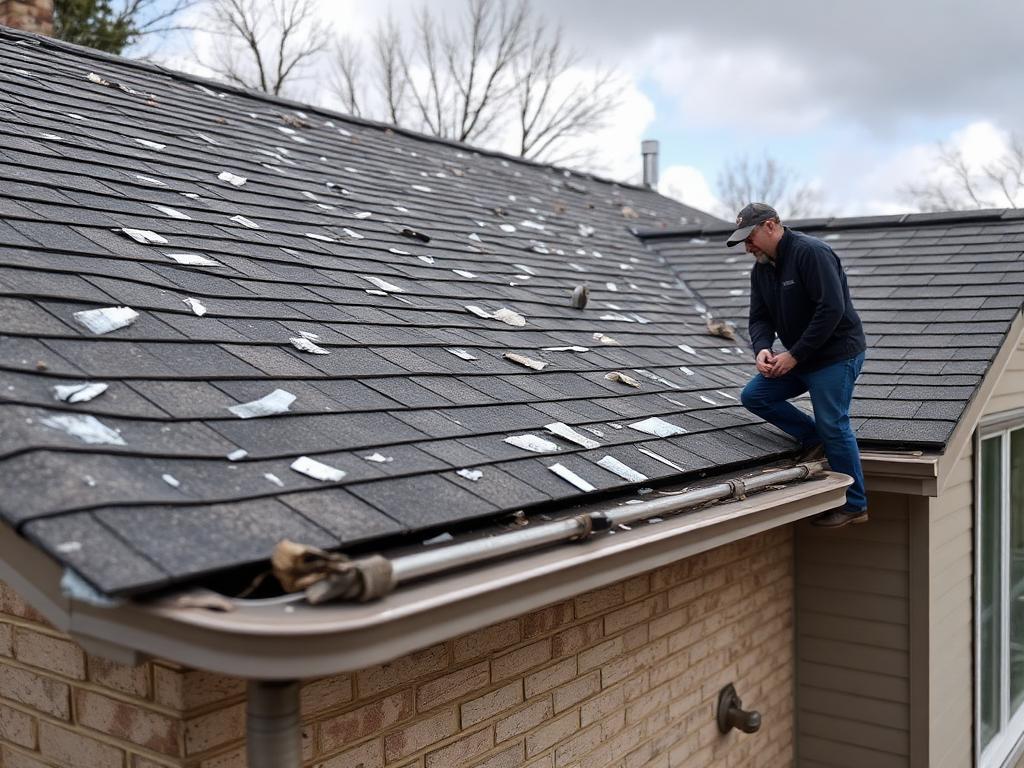
Colorado experiences more hail damage claims than almost any other state. The Front Range corridor from Colorado Springs through Fort Collins sees multiple significant hail events annually, causing millions in residential roof damage. This guide covers hail damage assessment and insurance claims for Colorado homeowners.
Understanding Colorado Hail
Colorados geography creates ideal conditions for severe hail. Warm, moist air from the Gulf combines with cool mountain air and strong updrafts to produce intense thunderstorms with large hail. The Front Range urban corridor sits directly in this hail zone.
Hail size varies from pea-sized to softball-sized or larger. Even marble-sized hail can damage aging roofing materials. Golf ball and larger hail causes obvious damage to most roofing systems.
Identifying Hail Damage
Hail damage varies by roofing material. Understanding what to look for helps homeowners assess whether damage warrants insurance claims.
Asphalt Shingles: Look for random patterns of dark spots where hail impact displaced granules. Feel for soft spots indicating mat damage beneath granules. Check gutters for excessive granule accumulation.
Metal Roofing: Look for dents in panel surfaces. While cosmetic dents may not affect function, extensive denting can compromise protective coatings and lead to premature failure.
Tile Roofing: Look for cracked or broken tiles. Impact damage may create hairline cracks not immediately obvious. Damaged tiles should be replaced to prevent water infiltration.
Document all damage thoroughly with photographs before making repairs. Multiple angles and close-up shots support insurance claims.
Insurance Claims Process
Most Colorado homeowners policies cover hail damage with standard deductibles. Contact your insurer promptly after significant hail events, even if damage is not immediately obvious.
Insurance adjusters inspect damage and prepare repair estimates. Obtain multiple contractor estimates to compare with adjuster assessments. Supplemental claims address damage missed in initial inspections.
Colorado law provides specific protections for homeowners in insurance claims. Contractors cannot pay deductibles or offer incentives tied to insurance proceeds. Be wary of contractors offering such arrangements.
Repair vs Replacement
Localized hail damage may require only spot repairs replacing damaged materials. Widespread damage typically warrants full replacement, especially on roofs already past mid-life.
Insurance typically covers replacement with comparable materials. Upgrades to impact-resistant materials may require homeowner co-payment for the price difference.
Choosing Hail Damage Contractors
Colorado attracts many out-of-state contractors following major hail events. While some are legitimate, storm-chasing contractors may provide substandard work or disappear after collecting payment.
Choose local contractors with established presence and verifiable references. Verify insurance coverage and local licensing. Check Better Business Bureau ratings and online reviews.
Prevention Strategies
While hail cannot be prevented, impact-resistant roofing reduces damage frequency. Class 4 impact-resistant shingles and metal roofing provide the best protection. Many Colorado insurers offer significant premium discounts for impact-resistant roofing.
Conclusion
Hail damage is a fact of life for Colorado homeowners. Understanding the assessment and claims process helps homeowners navigate damage situations effectively and choose qualified repair contractors.
Need hail damage assessment? Find qualified Colorado roofing contractors experienced with hail damage restoration.