Understanding Your Homeowner's Roof Insurance Coverage: Complete Policy Guide

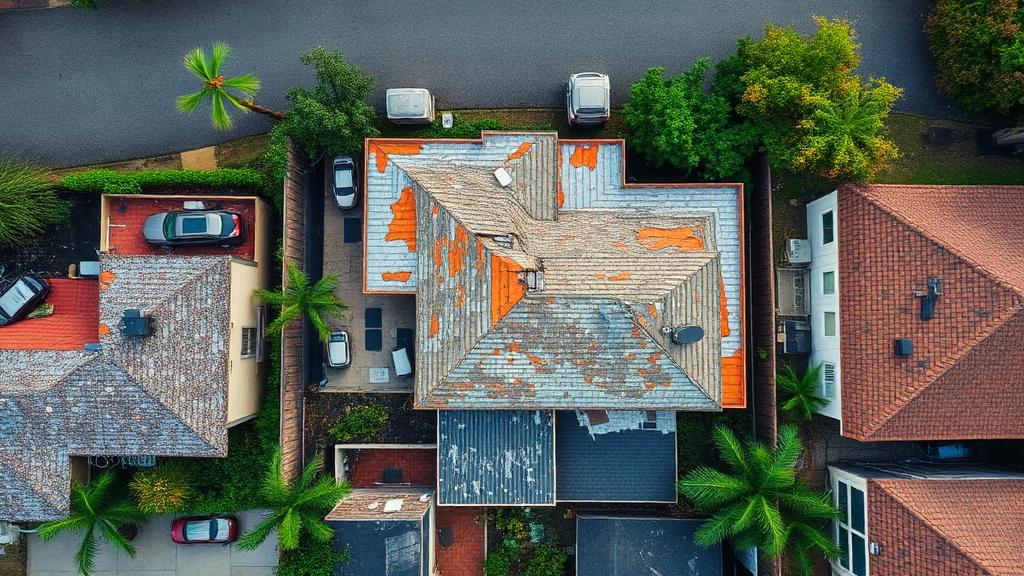
Your roof represents one of the most expensive components of your home, and understanding how your homeowner's insurance protects it can save you thousands of dollars when damage occurs. Many homeowners don't fully understand their roof coverage until they need to file a claim, often discovering unexpected limitations or requirements. This guide explains everything you need to know about homeowner's roof insurance coverage.
How Homeowner's Insurance Covers Your Roof
Standard homeowner's insurance policies include dwelling coverage that protects your roof as part of your home's structure. However, the specifics of this coverage vary significantly between policies and insurers.
Dwelling Coverage Basics:
Your dwelling coverage limit represents the maximum your insurance will pay to repair or rebuild your home's structure, including the roof. This coverage typically protects against:
- Wind and hail damage
- Fire and smoke damage
- Lightning strikes
- Weight of ice, snow, or sleet
- Falling objects (trees, debris)
- Vandalism and malicious mischief
- Sudden water damage
What's Generally NOT Covered:
- Normal wear and deterioration
- Gradual damage over time
- Lack of maintenance
- Flood damage (requires separate policy)
- Earthquake damage (requires separate rider)
- Pest or animal damage (varies by policy)
- Cosmetic-only damage (some policies)
Replacement Cost vs. Actual Cash Value Coverage
The single most important factor in your roof coverage is whether your policy provides Replacement Cost Value (RCV) or Actual Cash Value (ACV) coverage. This distinction can mean thousands of dollars difference in your settlement.
Replacement Cost Value (RCV):
RCV policies pay what it costs to replace your roof with materials of similar kind and quality, without deduction for depreciation.
| Advantages | Considerations |
|---|---|
| Full replacement cost paid | Higher premium costs |
| No depreciation deduction | May require completing repairs |
| Better protection for older roofs | Recoverable depreciation process |
RCV Settlement Example:: - Roof replacement cost: $18,000 - Minus deductible: -$1,500 - Initial payment (minus depreciation): $13,500 - After repairs, recoverable depreciation: $3,000 - Total received: $16,500
Actual Cash Value (ACV):
ACV policies pay replacement cost minus depreciation, accounting for your roof's age and condition.
| Advantages | Considerations |
|---|---|
| Lower premium costs | Significant out-of-pocket for older roofs |
| Simpler settlement process | Depreciation can be substantial |
| No repair completion required | May not cover full replacement |
ACV Settlement Example:: - Roof replacement cost: $18,000 - Minus 10-year depreciation (33%): -$6,000 - Actual cash value: $12,000 - Minus deductible: -$1,500 - Total received: $10,500
The Bottom Line:
For a 15-year-old roof, the difference between RCV and ACV coverage could mean $5,000 or more in out-of-pocket costs. Review your policy carefully to understand which type you have.
Understanding Roof Deductibles
Deductibles represent your out-of-pocket cost before insurance coverage kicks in. Many homeowners are surprised to discover their roof-related claims have different deductible requirements.
Standard Deductibles:
Your policy's general deductible applies to most claims, typically: - $500 to $2,500 for standard policies - Flat dollar amount - Applied to each claim
Wind/Hail Deductibles:
Many policies, especially in storm-prone regions, have separate, higher deductibles for wind and hail damage:
- Flat Amount - Higher fixed dollar amount (e.g., $5,000)
- Percentage-Based - Calculated as percentage of dwelling coverage
Percentage Deductible Calculation:
| Dwelling Coverage | 1% Deductible | 2% Deductible | 5% Deductible |
|---|---|---|---|
| $200,000 | $2,000 | $4,000 | $10,000 |
| $350,000 | $3,500 | $7,000 | $17,500 |
| $500,000 | $5,000 | $10,000 | $25,000 |
Understanding your deductible helps you evaluate when filing a claim makes financial sense.
Roof Age and Insurance Coverage
Your roof's age significantly impacts both coverage availability and claim settlements. Many insurers have specific provisions based on roof age.
Common Age-Related Provisions:
Roofs Under 10 Years:: - Generally eligible for full RCV coverage - Lower likelihood of coverage restrictions - Fewer questions during claims process
Roofs 10-15 Years:: - May face inspection requirements - Some insurers switch to ACV coverage - Could see premium increases
Roofs 15-20 Years:: - Often only ACV coverage available - May require inspection before renewal - Higher premiums or coverage restrictions
Roofs Over 20 Years:: - Difficulty obtaining or renewing coverage - ACV-only coverage common - Some insurers won't cover at all - May need specialized markets
Insurance Tip:
Schedule regular professional inspections and maintain documentation showing your roof's condition. This evidence supports claims and may help maintain better coverage terms.
Special Coverage Considerations
Beyond basic dwelling coverage, several special provisions may affect your roof protection.
Named Storm Deductibles:
In coastal areas, named hurricanes or tropical storms often trigger separate, usually higher deductibles. These may be: - Percentage of dwelling coverage (often 2-5%) - Applied only during declared named storms - Different from standard wind deductibles
Cosmetic Damage Exclusions:
Some policies exclude "cosmetic damage" that doesn't affect roof function: - Dents that don't penetrate surfaces - Discoloration without structural impact - Granule loss within normal limits
However, what insurers consider "cosmetic" may actually affect long-term roof performance. Understand your policy's definition carefully.
Matching Provisions:
When damage affects only part of your roof, policies vary on whether they'll cover: - Matching replacement of undamaged sections - Materials no longer available - Color or style matching for appearance
Some states require matching coverage, while others leave it to policy terms.
Reading Your Policy: Key Sections
Understanding your actual policy requires reviewing several key sections. Here's where to find critical information.
Declarations Page:
This summary page shows: - Dwelling coverage limit - Deductible amounts (standard and special) - Coverage type (RCV or ACV) - Policy period and premium
Coverage Sections:
Look for specific language about: - Covered perils (what's protected) - Exclusions (what's not covered) - Conditions (requirements for coverage) - Limitations (caps on specific coverage)
Endorsements:
Additional pages that modify standard coverage: - May add or remove coverage - Can change deductible structures - Often include wind/hail provisions - May contain roof-specific terms
Roof Schedule (if present):
Some policies include specific roof provisions: - Material type requirements - Age-based depreciation schedules - Inspection requirements - Replacement triggers
Factors That Affect Your Roof Insurance Rates
Understanding what influences your premiums helps you make informed decisions about coverage and home improvements.
Roof Material:
| Material | Premium Impact | Why |
|---|---|---|
| Asphalt shingles | Standard | Most common, moderate durability |
| Metal roofing | Often lower | Excellent durability, fire resistance |
| Clay/Concrete tile | Varies | Durable but heavy, replacement costly |
| Wood shakes | Often higher | Fire risk, maintenance needs |
| Slate | Varies | Expensive to repair, very durable |
Roof Age:
Older roofs generally mean higher premiums due to: - Increased likelihood of claims - Reduced remaining useful life - Greater vulnerability to damage
Roof Condition:
Poor condition can result in: - Higher premiums - Coverage limitations - Non-renewal notices - Required repairs before coverage
Geographic Location:
Location-based factors include: - Storm frequency (hail, hurricanes, tornadoes) - Climate effects (ice dams, heat damage) - Building code requirements - Local repair costs
Improving Your Coverage and Reducing Premiums
Several strategies can enhance your roof coverage while potentially lowering costs.
Impact-Resistant Materials:
Installing impact-resistant shingles (Class 4) may qualify for: - Premium discounts (5-35% in some states) - Better coverage terms - Fewer claim complications
Roof Upgrades:
Improvements that may lower premiums: - New roof installation - Enhanced materials - Improved ventilation - Storm-resistant features
Bundling and Loyalty:
- Bundle home and auto insurance
- Ask about loyalty discounts
- Maintain claims-free record
- Consider higher deductibles for lower premiums
Regular Maintenance:
Documented maintenance helps by: - Supporting claims when damage occurs - Potentially maintaining better terms - Demonstrating responsible ownership - Following recommended schedules
When to Review Your Coverage
Certain events should trigger a policy review to ensure adequate protection.
Life Events:
- New roof installation
- Major home improvements
- Significant value increases
- Moving to new property
Annual Review:
Each renewal period, verify: - Coverage limits remain adequate - Deductibles are manageable - Premium changes are reasonable - No unwanted changes in terms
Market Changes:
Watch for industry shifts: - New coverage options - Changing rate structures - Competitive alternatives - State regulatory changes
Filing Claims: Coverage in Action
When you need to use your coverage, understanding the process helps ensure you receive appropriate compensation.
Before You File:
- Document all damage thoroughly
- Review your policy coverage
- Understand your deductible
- Consider damage versus deductible
Claim Process:
- Report damage promptly
- Document all evidence
- Cooperate with adjuster inspection
- Review settlement offer carefully
- Request clarification on any concerns
- Appeal or supplement if needed
Maximize Your Settlement:
- Provide comprehensive documentation
- Get independent contractor estimates
- Understand your policy provisions
- Don't accept inadequate offers
- Know your appeal rights
Conclusion
Understanding your homeowner's roof insurance coverage before you need it puts you in the strongest position to protect your home and financial interests. Review your policy carefully, understand the difference between RCV and ACV coverage, know your deductibles, and maintain documentation that supports claims when they arise.
If you're unsure about your coverage, consider consulting with an independent insurance agent who can explain your policy and help identify any gaps in protection. Your roof is too important to leave to assumptions.
Find qualified roofing contractors who can help assess your roof's condition and provide documentation supporting your insurance coverage.