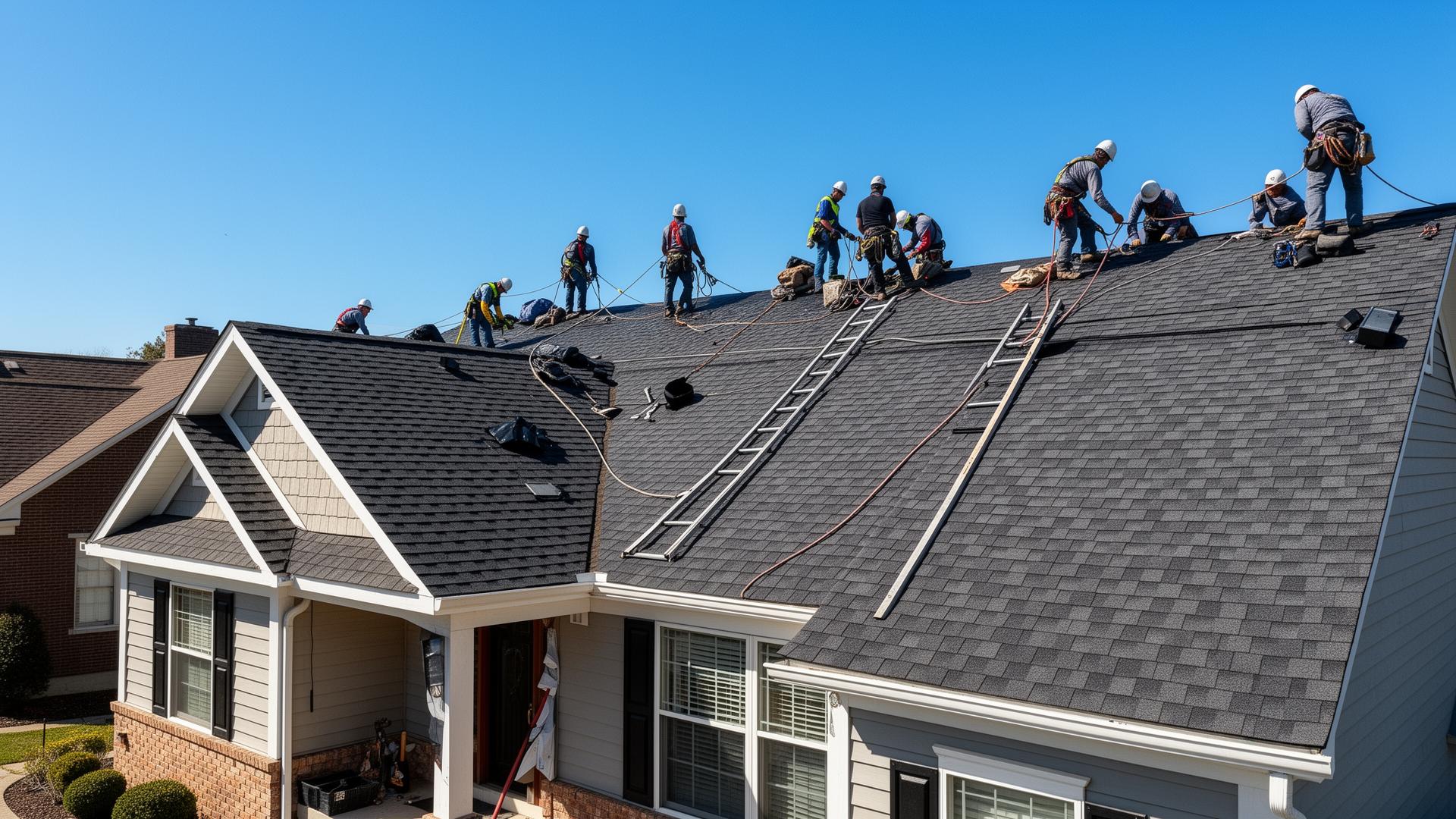
10 Signs You Need a Roof Replacement: When Repairs Aren't Enough
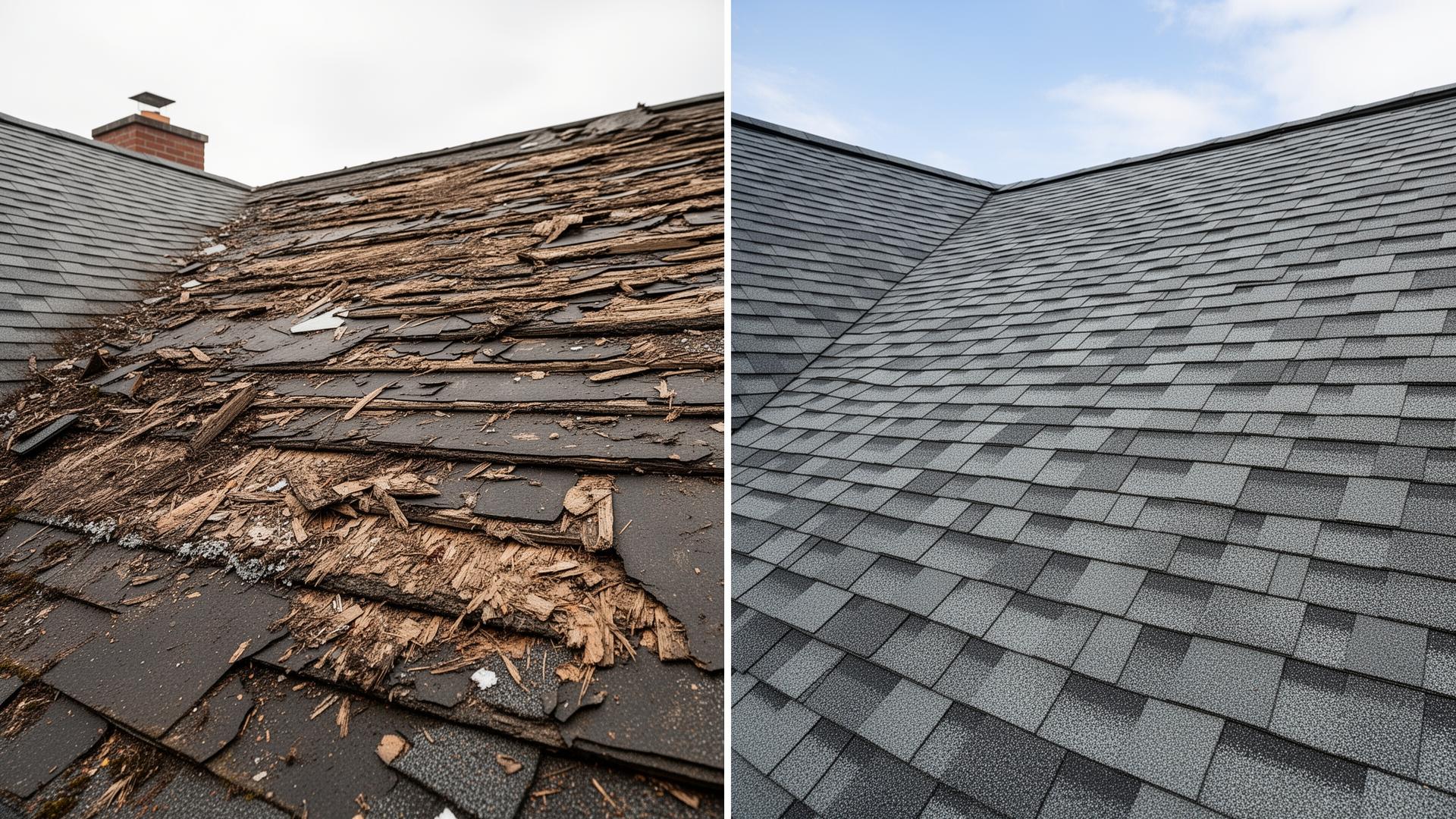
Every roof has a limited lifespan, and eventually, repairs become a losing proposition. Knowing when to stop patching and start planning for replacement saves money in the long run and prevents catastrophic failures. This guide reveals the clear signs that your roof needs replacement, not just another repair.
The Repair vs. Replace Decision
Understanding when replacement makes more sense than repair is a crucial homeownership skill. Continuing to repair a failing roof is like putting a bandage on a wound that needs surgery—it might provide temporary relief, but it doesn't address the fundamental problem.
When Repairs Make Sense:: - Damage is localized to a small area - Roof is less than halfway through its expected lifespan - No systemic issues affecting the overall roof - Cost of repairs is less than 30% of replacement cost - No plans to sell the home in the near future
When Replacement Makes Sense:: - Multiple areas showing damage or deterioration - Roof is approaching or past its expected lifespan - Underlying structural issues present - Repair costs are escalating with each occurrence - Selling the home soon (buyers scrutinize old roofs)
Now let's examine the specific signs that indicate your roof needs replacement.
Sign #1: Your Roof's Age
Age is the most straightforward indicator of when replacement is needed.
Expected Lifespans by Material:
| Material | Typical Lifespan | Time to Consider Replacement |
|---|---|---|
| 3-Tab Asphalt Shingles | 15-20 years | 12-15 years |
| Architectural Shingles | 25-30 years | 20-25 years |
| [Metal Roofing](/blog/metal-roofing-vs-asphalt-shingles-comparison) | 40-70 years | 35-50 years |
| Wood Shakes | 25-30 years | 20-25 years |
| Clay/Concrete Tiles | 50-100 years | 40-60 years |
| Slate | 75-150 years | 60-100 years |
Age Assessment Tips:: - Check home inspection reports or closing documents for installation dates - Look for permits in local building department records - Ask previous owners if you're recently moved in - Professional inspectors can estimate age from material condition
If your roof is within 5 years of its expected lifespan end, start planning and budgeting for replacement even if no obvious problems exist.
Sign #2: Widespread Granule Loss
For asphalt shingle roofs, granule loss is a significant aging indicator.
What to Look For:: - Granules accumulating in gutters and downspouts - Bare or shiny spots on shingles where granules have worn away - Inconsistent coloring across the roof surface - Dark patches where granule coating has eroded
Why Granule Loss Matters:: Granules protect shingles from UV radiation and impact. As they wear away, the asphalt beneath becomes exposed, accelerating deterioration and reducing water resistance. Once significant granule loss occurs, shingles lose their protective capability quickly.
The Tipping Point:: Some granule loss is normal, especially with new roofs (excess manufacturing granules wash off initially). However, if you're finding substantial granules in gutters regularly and can see bare spots on shingles, the roof is nearing the end of its service life.
Sign #3: Curling, Buckling, or Cupping Shingles
Shingle deformation indicates material failure that repairs cannot address.
Types of Deformation:
- Curling - Shingle edges turn upward, exposing underlying material. This happens as asphalt dries out and the shingle contracts unevenly.
- Buckling - Shingles develop wavy, distorted appearance. Often caused by moisture underneath or improper installation.
- Cupping - The center of shingles rises while edges turn down, creating a cup shape. Indicates aging and loss of flexibility.
Implications:: Deformed shingles cannot effectively shed water, and the deformation will only worsen. While you might replace individual damaged shingles, widespread deformation indicates the entire roof is failing and needs replacement.
Distribution Assessment:: - Isolated deformation: May warrant repair - 20% or more of shingles affected: Replacement recommended - Uniform deformation across roof: Definite replacement needed
Sign #4: Missing or Damaged Shingles
Occasional missing shingles can be replaced, but patterns of loss indicate bigger problems.
When Missing Shingles Signal Replacement:: - Frequent losses requiring repeated repairs - Shingles crumbling or breaking when handled - Widespread brittleness making removal of damaged shingles difficult - Underlying felt or deck visible in multiple areas - Pattern of loss related to wind exposure or other consistent factor
Investigation Questions:: - How often are shingles being replaced? - Are replacement shingles also failing quickly? - Is the underlying deck in good condition? - What's causing the shingle loss?
If you're replacing shingles every year or two, the cost of repairs eventually exceeds what replacement would have cost while leaving you with an aging roof that continues to fail.
Sign #5: Daylight Visible Through Roof Boards
If you can see daylight when you're in the attic, your roof needs immediate attention.
What This Indicates:: - Holes or gaps in the roofing material - Deteriorated or missing decking - Serious water infiltration risk - Potential pest entry points - Structural concerns
Emergency Nature:: Daylight through the roof deck is not a wait-and-see situation. Water follows the same paths, meaning active leaks are likely or imminent. Schedule an inspection immediately and prepare for replacement.
Sign #6: Sagging Roof Deck or Structure
Visible sagging is a serious warning sign indicating structural problems.
Causes of Sagging:: - Long-term water damage to rafters or trusses - Inadequate structural design for the roof load - Excessive weight (multiple roofing layers, heavy snow) - Wood rot from moisture intrusion - Foundation or wall settling affecting roof structure
What Sagging Means:: A sagging roof cannot be fixed by simply installing new roofing material. The underlying structure must be repaired or reinforced before new roofing is installed. This makes the project more complex and expensive, but ignoring it risks catastrophic failure.
Urgency Assessment:: - Minor waviness over time: Plan for eventual replacement - Noticeable dips or sags: Get professional assessment immediately - Progressive worsening: Emergency situation
Sign #7: Chronic Leaks
Roofs that leak repeatedly have fundamental problems that repairs cannot solve.
The Leak Cycle:: Many homeowners experience a frustrating pattern: a leak is "fixed," works for a while, then leaks again (same spot or nearby). This cycle indicates that repairs are addressing symptoms, not causes.
Why Chronic Leaks Indicate Replacement Need:: - Multiple failure points throughout the system - Flashing deterioration that requires complete replacement - Underlayment failure beneath the surface - Water damage to decking that allows continued infiltration
Calculating the Cost:: Add up what you've spent on leak repairs over the past five years. If it's more than 25-30% of replacement cost, you've likely exceeded the break-even point where replacement makes more financial sense.
Sign #8: Moss, Algae, or Fungal Growth
While some biological growth is cosmetic, extensive infestation indicates moisture problems that compromise roofing materials.
Types of Growth:
- Algae - Black or green streaks, primarily cosmetic but can hold moisture against shingles.
- Moss - Thick green growth that lifts shingle edges and traps moisture. More damaging than algae.
- Lichen - Crusty growth that can be very difficult to remove and indicates chronic moisture.
- Fungal Growth - May indicate rotting beneath the surface.
When Growth Indicates Replacement:: - Moss has lifted shingle edges throughout the roof - Underlying wood is soft or rotting - Growth returns quickly after cleaning - Combined with other aging indicators
Professional cleaning can address many growth issues, but if growth has damaged the roofing materials themselves, replacement may be the only lasting solution.
Sign #9: Increasing Energy Bills
Your roof significantly affects your home's energy efficiency. Unexplained increases in heating or cooling costs may indicate roofing problems.
How Roof Problems Affect Energy:: - Inadequate ventilation traps heat, raising cooling costs - Damaged insulation from leaks reduces thermal protection - Gaps and air infiltration allow conditioned air to escape - Deteriorated materials lose reflective properties
Investigation Steps:: 1. Compare utility bills year over year 2. Have HVAC system inspected to rule out equipment issues 3. Check attic insulation condition 4. Assess ventilation effectiveness 5. Get a professional energy audit
If your roof is the culprit, replacement with modern, energy-efficient materials can pay dividends through reduced utility costs.
Sign #10: You're Selling Your Home
Real estate transactions often prompt roof replacements, and sometimes that's the right decision.
Buyer Concerns:: Home buyers and their inspectors scrutinize roofs carefully. An aging or problematic roof: - Reduces home value - Can delay or kill deals - Leads to price negotiations or credits - Makes buyers hesitant about hidden problems
Pre-Sale Replacement Benefits:: - Attracts more buyers - Supports asking price - Eliminates negotiation leverage - Speeds transaction timeline - Provides transferable warranty
When to Replace Before Selling:: - Roof is more than 15 years old - Visible problems will appear in inspection - Multiple repairs have been made recently - Comparable homes have newer roofs - Market is competitive
The Roof Replacement Process
When signs point to replacement, understanding the process helps you prepare.
Step 1: Professional Inspection Have a qualified contractor thoroughly inspect your roof and provide a detailed assessment. Get multiple opinions for major projects.
Step 2: Material Selection Choose roofing materials based on: - Climate and weather exposure - Budget (initial vs. lifetime cost) - Aesthetic preferences - Home's structural capacity - Local building codes
Step 3: Get Multiple Quotes Obtain at least three written estimates from licensed contractors. Compare scope, materials, timeline, and warranties.
Step 4: Plan the Project Consider timing, budget, and logistics: - Weather considerations for installation - Temporary living arrangements if needed - HOA approvals if applicable - Financing options
Step 5: Installation Typical replacement takes 1-5 days depending on size and complexity. Expect noise, debris, and some disruption.
Step 6: Final Inspection Verify work quality, clean up, and obtain all warranty documentation.
Conclusion
Recognizing when your roof needs replacement rather than repair protects your home and your budget. While no one wants to face a major expense, the alternative—continued repairs on a failing roof—often costs more in the long run while leaving your home vulnerable.
If you're seeing multiple signs discussed in this guide, schedule a professional inspection to assess your roof's condition. A qualified contractor can help you understand your options and plan for replacement when the time is right.