Energy-Efficient Roofing Guide: Save Money and Reduce Your Carbon Footprint
Your roof plays a crucial role in your home's energy efficiency, affecting heating and cooling costs, comfort levels, and environmental impact. With energy prices rising and environmental awareness growing, understanding energy-efficient roofing options is more important than ever. This guide explores how to maximize your roof's energy performance while reducing both utility bills and carbon footprint.
How Your Roof Affects Energy Consumption
Your roof is your home's first line of defense against the elements, and its characteristics directly impact indoor temperatures and energy use.
Heat Transfer Mechanisms:
- Radiation - The sun's rays strike your roof, and dark materials absorb this heat while light colors reflect it. This absorbed heat radiates into your attic and living spaces.
- Conduction - Heat moves through roofing materials by direct contact. Poor insulation allows this heat (or cold) to transfer into your home.
- Convection - Air movement carries heat. Without proper ventilation, hot air accumulates in attics, increasing cooling loads.
Energy Impact Statistics:: - In summer, attic temperatures can reach 150°F or higher - Up to 25% of cooling costs can come from roof-related heat gain - Improper insulation can increase heating costs by 20-30% - A well-designed energy-efficient roof system can reduce HVAC costs by 10-40%
Understanding these dynamics helps you make informed decisions about roofing investments.
Cool Roofing Technology
"Cool roofs" are designed to reflect more sunlight and absorb less heat than standard roofing materials.
How Cool Roofs Work:
Cool roofs use two key properties: - Solar Reflectance - The ability to reflect sunlight (measured 0-1, with 1 being 100% reflective) - Thermal Emittance - The ability to radiate absorbed heat back into the atmosphere (also 0-1)
Cool Roof Performance:: Standard dark asphalt shingles have a solar reflectance of about 0.05-0.15, meaning they absorb 85-95% of solar energy. Cool roof products can achieve reflectance of 0.25-0.70 or higher.
Types of Cool Roofing:
- Cool-Color Shingles - Asphalt shingles with special granule pigments that reflect infrared radiation while appearing as normal colors. Available in many colors beyond white.
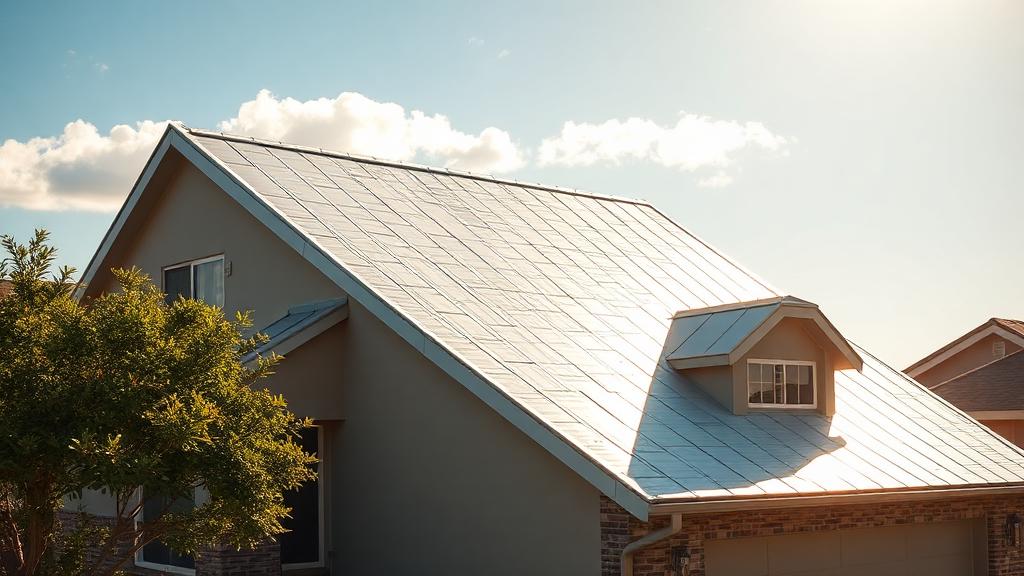
- Metal Roofing - Naturally reflective, especially with factory-applied cool coatings. Metal reflects significant solar energy and cools quickly after sunset.
- Cool Roof Coatings - Applied to existing roofs (flat or low-slope) to improve reflectivity. Options include:
- - White elastomeric coatings
- - Reflective aluminum coatings
- - Specialty cool roof products
- Single-Ply Membranes - TPO, PVC, and similar materials for flat roofs often have high reflectivity built in.
- Tile Roofing - Clay and concrete tiles, especially in lighter colors, provide good reflectivity and thermal mass.
Cool Roof Benefits:
| Benefit | Impact |
|---|---|
| Lower cooling costs | 10-30% reduction |
| Extended roof life | Less thermal stress |
| Reduced urban heat island | Community benefit |
| Lower peak energy demand | Grid benefit |
| Improved comfort | Cooler indoor temperatures |
Roof Insulation Fundamentals
Insulation is the barrier that slows heat transfer between your roof and living spaces.
Understanding R-Value:: R-value measures insulation's resistance to heat flow. Higher R-values provide better insulating performance.
Recommended Insulation Levels:
Climate zone requirements (per Department of Energy):
| Climate Zone | Attic R-Value |
|---|---|
| Zones 1-3 (South) | R-30 to R-60 |
| Zone 4 (Middle) | R-38 to R-60 |
| Zones 5-8 (North) | R-49 to R-60 |
Types of Roof Insulation:
- Blown-In Insulation
- - Fiberglass or cellulose
- - Fills irregular spaces well
- - R-2.5 to R-3.8 per inch
- - Good for existing homes
- Batt Insulation
- - Fiberglass or mineral wool
- - Pre-cut sizes for standard spacing
- - R-2.9 to R-4.3 per inch
- - Easy DIY installation
- Spray Foam Insulation
- - Open-cell: R-3.5 to R-4 per inch
- - Closed-cell: R-6 to R-7 per inch
- - Seals air leaks simultaneously
- - Higher cost but excellent performance
- Rigid Foam Boards
- - EPS, XPS, or polyiso materials
- - R-3.8 to R-6.5 per inch
- - Good for roof deck applications
- - Adds structural strength
Insulation Installation Considerations:: - Avoid compressing insulation (reduces R-value) - Maintain ventilation pathways with rafter baffles - Seal air leaks before adding insulation - Consider vapor barriers in cold climates
The Role of Ventilation in Energy Efficiency
Proper attic ventilation is essential for energy efficiency, though its role is sometimes misunderstood.
Ventilation Benefits:
- Summer Cooling - Exhausting hot attic air reduces the temperature gradient between attic and living space, easing cooling loads.
- Winter Moisture Control - Removing moisture-laden air prevents condensation that can damage insulation and reduce its effectiveness.
- Extended Roof Life - Reducing temperature extremes lessens thermal stress on roofing materials.
- Ice Dam Prevention - Proper ventilation keeps roof deck cold, preventing snow melt and refreeze cycles.
Balanced Ventilation:: The key to effective ventilation is balance between intake (soffit vents) and exhaust (ridge or roof vents). The standard ratio is 1 square foot of net free area per 150 square feet of attic floor.
Ventilation and Insulation Working Together:: These systems complement each other: - Insulation slows heat transfer - Ventilation removes heat that does penetrate - Together, they minimize energy loss
Ensure insulation doesn't block soffit vents—use rafter baffles to maintain clear air channels.
Roofing Material Comparisons
Different roofing materials have varying energy efficiency characteristics.
Asphalt Shingles:: - Standard: Low reflectivity (0.05-0.15) - Cool-color shingles: Moderate reflectivity (0.25-0.40) - Affordable but shorter lifespan than alternatives - Energy Star rated options available
Metal Roofing:: - High reflectivity (0.25-0.70) - Quick cooling after sunset - Long lifespan reduces lifecycle energy impact - Can be installed over existing roofing (reducing disposal) - Comparison with asphalt
Tile Roofing:: - Moderate to high reflectivity depending on color - Thermal mass provides buffering effect - Very long lifespan - Good choice for hot climates
Slate Roofing:: - Moderate reflectivity - Extremely long lifespan - Natural material with low embodied energy per year of life - Heavy; requires strong structure
Green Roofs:: - Living plant layers provide insulation and cooling - Significant energy savings (25-80% for cooling) - Environmental benefits (stormwater, air quality) - Higher installation and maintenance costs
Energy-Efficient Roofing Upgrades
Whether you're replacing your roof or improving what you have, several upgrades boost efficiency.
During Roof Replacement:
- Choose Energy Star Products - Look for Energy Star certified roofing materials that meet EPA efficiency standards.
- Add Radiant Barrier - Reflective material under the roof deck that blocks radiant heat transfer to the attic. Most effective in hot climates.
- Upgrade Insulation - While the roof is off, it's an ideal time to improve attic insulation.
- Install Proper Ventilation - Add or upgrade to ridge vents and ensure adequate soffit intake.
- Consider Roof Deck Insulation - Some systems install insulation above the roof deck for excellent performance.
For Existing Roofs:
- Apply Cool Roof Coating - For flat or low-slope roofs, reflective coatings can significantly improve performance.
- Add Attic Insulation - Increase insulation to recommended levels for your climate zone.
- Seal Air Leaks - Address gaps around attic access, electrical penetrations, and plumbing stacks.
- Improve Ventilation - Add vents or install solar-powered attic fans to reduce heat buildup.
- Install Attic Radiant Barrier - Can reduce cooling costs by 5-10% in hot climates.
Financial Incentives for Energy-Efficient Roofing
Various programs can offset the cost of energy-efficient roofing improvements.
Federal Tax Credits:: The Inflation Reduction Act provides tax credits for energy-efficient home improvements: - 30% credit for qualifying cool roofs - Metal roofs and asphalt roofs meeting Energy Star standards may qualify - Check current IRS guidelines for specific requirements
State and Local Incentives:: Many states and utilities offer: - Rebates for cool roof installation - Weatherization assistance programs - Property tax exemptions for efficiency improvements - Low-interest financing for energy upgrades
How to Find Incentives:: - Database of State Incentives for Renewables & Efficiency (DSIRE) - Utility company websites - State energy office resources - Energy Star rebate finder
Return on Investment:: Energy-efficient roofing upgrades typically pay back through: - Reduced utility bills (ongoing savings) - Extended roof lifespan (avoided replacement costs) - Increased home value - Tax credits and rebates (immediate value)
Solar Integration Considerations
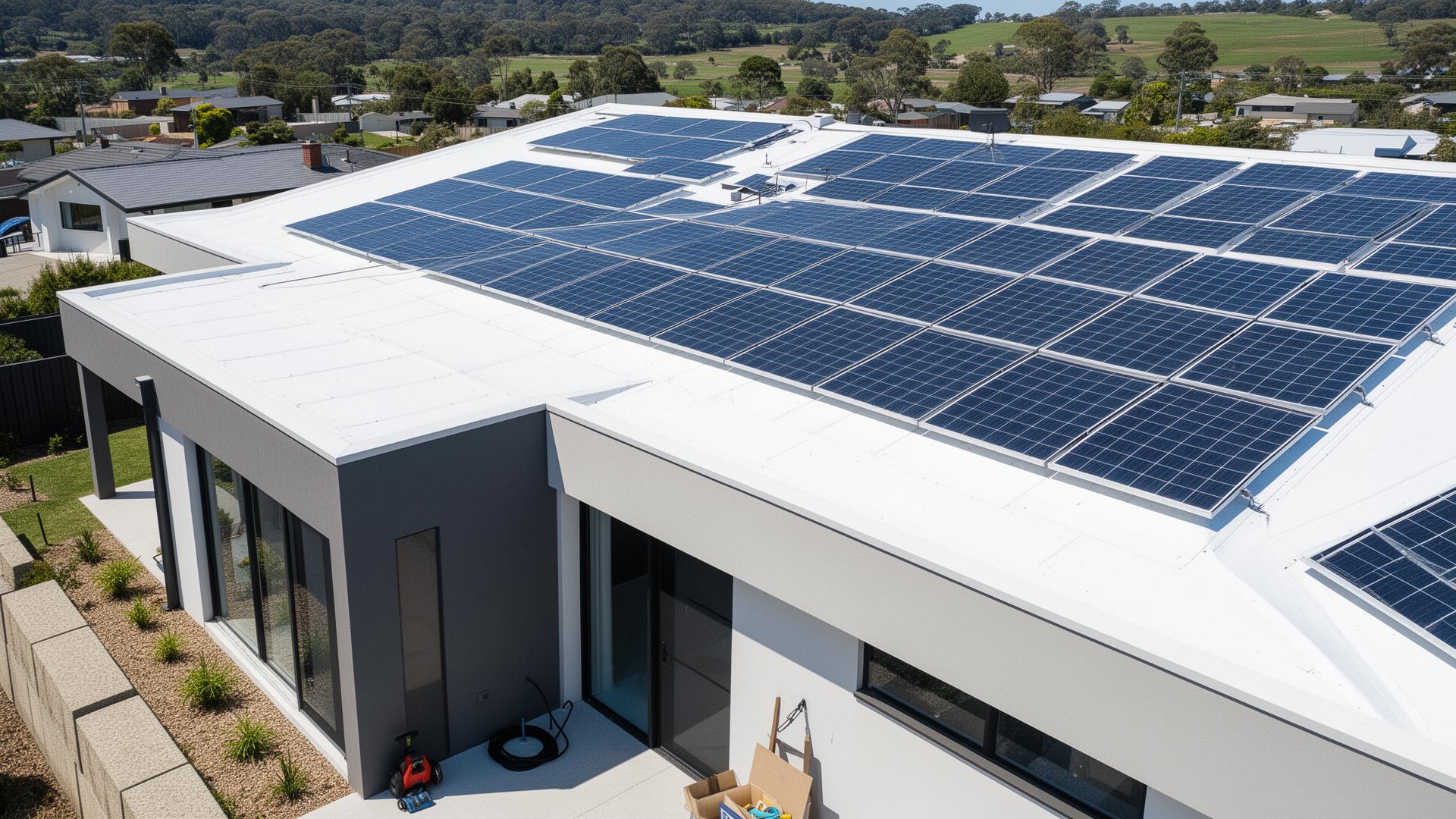
Solar panels and roofing can work together for maximum energy benefit.
Roofing for Solar Readiness:: If you're considering solar panels in the future: - Ensure roof structure can support additional weight - Choose long-lasting roofing materials (solar panels last 25+ years) - Consider roof orientation and shading - Allow for proper panel mounting without compromising waterproofing
Integrated Solar Roofing:: Products like Tesla Solar Roof combine roofing and solar generation: - Seamless appearance - Dual purpose (protection + generation) - Higher initial cost than separate systems - Best for new construction or complete roof replacement
Traditional Solar Panels:: Mounted on existing roofs: - Lower cost per watt than integrated options - Easier to replace individual components - May require roof repair before installation - Consider roof condition and remaining life
Climate-Specific Recommendations
Energy efficiency priorities vary by climate.
Hot Climates (Florida, Arizona, Texas):: - Cool roofing is most beneficial - Light colors preferred - Radiant barriers highly effective - Good ventilation essential - Focus on reducing solar heat gain
Cold Climates (Minnesota, Wisconsin, New England):: - Insulation is top priority - Ventilation prevents ice dams and moisture - Darker roofing may help with passive heating - Air sealing critical for efficiency - Focus on preventing heat loss
Mixed Climates:: - Balance cooling and heating needs - Good insulation important year-round - Moderate reflectivity roofing - Proper ventilation for all seasons
Humid Climates:: - Moisture control crucial - Ventilation prevents condensation - Consider algae-resistant materials - Vapor barriers may be needed
Measuring Your Results
Track improvements to verify your investment's effectiveness.
Baseline Measurements:: Before upgrades, document: - Monthly utility bills (at least 12 months) - Indoor temperature variations - Attic temperatures in summer and winter - Areas of discomfort
Post-Upgrade Monitoring:: After improvements: - Compare utility bills year-over-year - Note temperature improvements - Check attic conditions - Assess comfort levels
Professional Energy Audits:: Consider before and after professional audits: - Blower door tests measure air leakage - Thermal imaging reveals insulation gaps - Comprehensive assessment of all systems - Prioritized recommendations
Conclusion
Energy-efficient roofing is an investment that pays dividends through reduced utility bills, improved comfort, and environmental benefits. Whether you're planning a complete roof replacement or looking to improve your existing roof's performance, options exist for every budget and situation.
Start by assessing your current roof's energy performance, understanding your climate's specific needs, and prioritizing improvements that offer the best return. Consider working with qualified contractors who understand energy-efficient installation practices and can help you maximize the benefits of your roofing investment.