How to Choose the Best Roofing Contractor in Texas: Complete 2025-2026 Guide
Choosing the right roofing contractor in Texas requires careful consideration of factors unique to the Lone Star State. From extreme heat and humidity along the Gulf Coast to severe hailstorms in North Texas, your choice of contractor can mean the difference between a roof that lasts decades and one that fails prematurely. This comprehensive guide will walk you through everything Texas homeowners need to know about selecting, vetting, and hiring the best roofing contractors for their specific needs.
Understanding Texas Roofing Regulations
Unlike many states, Texas does not require a statewide roofing license. This lack of state regulation means homeowners must be especially vigilant when selecting a contractor. However, many Texas cities and counties have their own licensing requirements that contractors must follow.
Local Licensing Requirements:
| City | License Required | Registration Process |
|---|---|---|
| Houston | Yes | City registration required |
| Dallas | Yes | General contractor license |
| Austin | Yes | Trade registration |
| San Antonio | Yes | City permit system |
| Fort Worth | Yes | Contractor registration |
The absence of statewide licensing makes your due diligence even more critical. Always verify that any contractor you consider has proper local licensing, adequate insurance, and a solid track record in your community.
Why Local Licensing Matters:
Local licenses ensure that contractors understand and follow local building codes, which vary significantly across Texas. A contractor licensed in Houston may not be familiar with the specific requirements in Dallas or Austin, even though they can legally work there without additional credentials.
Essential Credentials to Verify
Before hiring any Texas roofing contractor, verify these essential credentials to protect yourself and your investment.
Insurance Requirements:
Texas roofing contractors should carry at minimum:
- General Liability Insurance - Protects your property from damage during the project. Look for coverage of at least one million dollars per occurrence and two million dollars aggregate. This covers accidental damage to your home, landscaping, or neighboring properties.
- Workers Compensation Insurance - Protects you from liability if a worker is injured on your property. Texas is one of few states where workers compensation is optional for private employers, making it even more important to verify. Without this coverage, you could be held responsible for medical costs and lost wages if a worker is injured.
- Roofing-Specific Coverage - Some general policies exclude roofing work due to its inherent risks. Ask specifically whether their policy covers roofing operations including tear-off and new installation.
Request Certificates of Insurance directly from the insurance company, not just the contractor. Some unscrupulous contractors provide falsified or expired documentation.
Professional Certifications:
While not required, manufacturer certifications indicate a higher level of training and expertise:
- GAF Master Elite - Only awarded to the top 3% of roofing contractors nationally
- CertainTeed SELECT ShingleMaster - Requires extensive training and quality standards
- Owens Corning Preferred Contractor - Demonstrated expertise with Owens Corning products
- TAMKO Pro Certified - Specialized training in TAMKO roofing systems
These certifications often allow contractors to offer enhanced warranty coverage that non-certified contractors cannot provide. A certified contractor installing GAF materials, for example, can offer the Golden Pledge warranty covering materials and workmanship for up to 50 years.
Understanding Texas Climate Considerations
Texas presents unique roofing challenges that require specialized knowledge and materials. The state spans multiple climate zones, from the humid Gulf Coast to the arid West Texas desert.
Regional Climate Challenges:
Gulf Coast (Houston, Galveston, Beaumont):: - High humidity causing moisture-related issues - Hurricane and tropical storm exposure - Salt air corrosion concerns - Algae and mold growth - Average summer temperatures above 95 degrees Fahrenheit
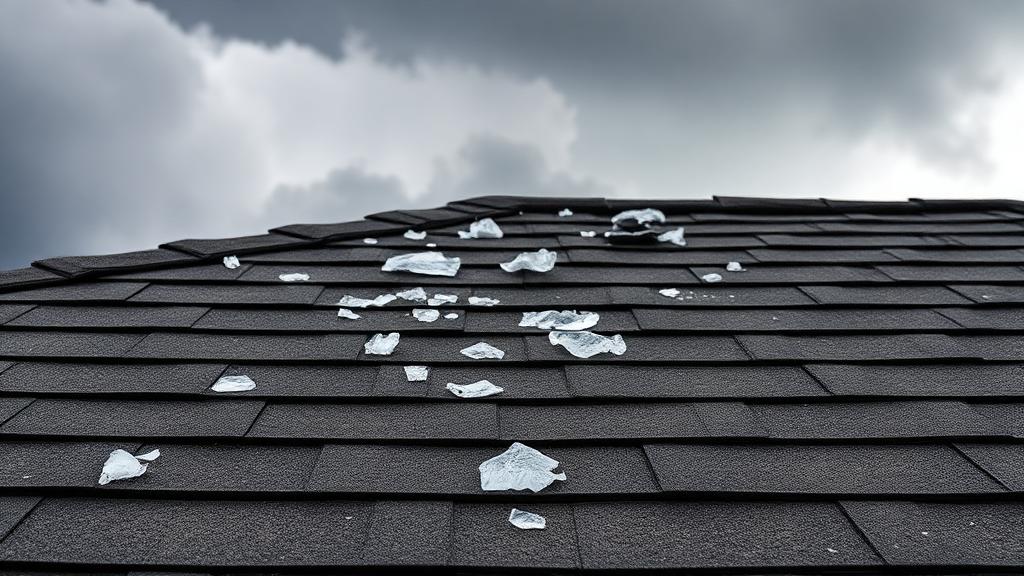
North Texas (Dallas, Fort Worth, Wichita Falls):: - Severe hailstorms during spring and summer - Extreme temperature fluctuations - Strong winds and occasional tornadoes - Ice storms during winter months - Thermal cycling stress on roofing materials
Central Texas (Austin, San Antonio, Waco):: - Intense UV exposure year-round - Hot summers exceeding 100 degrees regularly - Flash flooding risks - Moderate storm activity - Significant thermal expansion and contraction
West Texas (El Paso, Midland, Lubbock):: - Extreme heat and UV exposure - Low humidity causing material brittleness - Dust storms and windborne debris - Large daily temperature swings - Limited water for proper installation timing
A qualified Texas contractor should understand these regional differences and recommend materials and installation techniques appropriate for your specific location.
Red Flags to Watch For
Protect yourself by recognizing warning signs that indicate a potentially problematic contractor.
Immediate Disqualifiers:
- Door-to-Door Storm Chasers - Contractors who appear immediately after storms, often going door-to-door, are frequently out-of-state companies with no local presence. They may complete substandard work and disappear before problems emerge.
- No Physical Business Address - Legitimate contractors have established offices or warehouses. A P.O. Box or unmarked vehicle should raise concerns about their permanence and accountability.
- Requests for Large Upfront Payments - Texas law limits deposits contractors can request. Any demand for more than 10% upfront or full payment before work begins violates industry standards and often indicates fraud risk.
- Pressure to Sign Immediately - Legitimate contractors provide written estimates and give you time to compare options. High-pressure tactics or limited-time offers suggest desperation or dishonesty.
- Unwillingness to Pull Permits - Most Texas jurisdictions require permits for roofing work. Contractors who suggest skipping permits are cutting corners that could void your insurance coverage and create legal problems when you sell your home.
Additional Warning Signs:
- No company email or website (Gmail or Yahoo addresses only)
- Unmarked vehicles without company logos
- Cannot provide local references
- Offers unusually low prices compared to competitors
- Refuses to provide a written contract
- Asks you to obtain the building permit yourself
- Cannot explain their warranty in detail
- No presence in Better Business Bureau or Google reviews
Questions to Ask Every Contractor
Before making any hiring decision, ask these essential questions to evaluate each contractor thoroughly.
Company Background Questions:
- How long have you been in business in Texas specifically?
- What is your physical business address?
- Are you locally owned or a franchise?
- How many roofs have you installed in my specific area?
- Can you provide at least five local references from the past year?
- What is your Better Business Bureau rating?
Insurance and Licensing Questions:
- Can you provide current certificates of insurance directly from your insurer?
- What is your workers compensation policy number?
- Do you hold any local contractor licenses?
- Are you certified by any roofing manufacturers?
- What extended warranties can you offer?
Project-Specific Questions:
- What materials do you recommend for my specific situation and why?
- Will you handle the building permit or should I?
- How long will the project take from start to completion?
- Who will supervise the work on-site?
- What happens if you discover additional damage during tear-off?
- How do you handle cleanup and debris removal?
- What is your payment schedule?
Post-Installation Questions:
- What warranty coverage do you provide on workmanship?
- How do I file a warranty claim if needed?
- Will you provide documentation of all materials used?
- How should I maintain my new roof?
- Will you register my warranty with the manufacturer?
Getting and Comparing Estimates
Obtain at least three written estimates before making your decision. Understanding how to evaluate these estimates ensures you make an informed choice.
What a Complete Estimate Should Include:
- Detailed Scope of Work - Specific description of all work to be performed, including removal of existing roofing, installation methods, and cleanup procedures.
- Material Specifications - Brand, model, and color of all materials including shingles, underlayment, flashing, and ventilation components. Generic descriptions like architectural shingles are insufficient.
- Project Timeline - Expected start date, duration, and completion date with contingencies for weather delays.
- Payment Terms - Clear breakdown of deposits, progress payments, and final payment with specific milestones.
- Warranty Information - Both manufacturer material warranty and contractor workmanship warranty with specific terms and durations.
- Permit Information - Confirmation that contractor will obtain necessary permits and schedule inspections.
Comparing Estimates Effectively:
Avoid simply choosing the lowest price. Instead, evaluate:
- Materials quality - Are they comparing equivalent materials?
- Labor detail - Are installation methods specified?
- Inclusions - What exactly is included vs. extra?
- Warranty differences - Longer warranties may justify higher costs
- Timeline reasonableness - Very fast timelines may indicate cut corners
Texas-Specific Contract Provisions
Your roofing contract should include provisions specific to Texas requirements and conditions.
Essential Contract Elements:
- Complete Company Information - Legal business name, physical address, phone number, email, and contractor registration numbers.
- Detailed Scope of Work - Comprehensive description matching the estimate with no vague language.
- Payment Schedule - Texas allows reasonable deposits but excessive upfront payments should be avoided. Never pay more than 10% as initial deposit.
- Change Order Process - Clear procedure for handling unexpected conditions or changes with pricing specified.
- Lien Waiver Provisions - Protection against subcontractor liens for unpaid work or materials.
- Insurance Certificate Requirements - Attach current certificates to the contract.
- Warranty Documentation - Both workmanship and material warranties with registration procedures.
- Dispute Resolution - Method for handling disagreements, ideally through mediation before litigation.
Working with Insurance Claims
If you need roofing work due to storm damage, understanding how Texas contractors should work with your insurance company protects your interests.
Proper Insurance Claim Process:
- Contact your insurance company to file a claim before committing to any contractor
- Get your own estimate from a trusted contractor independent of the insurance adjuster
- Be present during the insurance adjuster inspection if possible
- Review the insurance estimate carefully before accepting
- If the estimate seems low, your contractor can help document additional damage
Assignment of Benefits Caution:
Some contractors ask homeowners to sign an Assignment of Benefits (AOB) document giving the contractor authority to negotiate directly with your insurer. While this can be convenient, it also removes your control over the claims process. Proceed with caution and understand exactly what rights you are transferring.
For more on working with insurance, see our complete insurance claims guide.
Top Texas Cities for Finding Quality Contractors
Each major Texas metro area has established roofing contractor networks. Here are considerations for the largest markets:
Houston Metro Area:: The fourth-largest city in America has hundreds of roofing contractors. Focus on those with hurricane experience and understanding of coastal building codes. The humid climate requires materials and installation techniques that resist moisture penetration. Find Houston contractors.
Dallas-Fort Worth Metroplex:: Hail is the primary concern in DFW. Look for contractors experienced with hail damage assessment and familiar with insurance claim procedures. Impact-resistant shingles are common recommendations in this area. Find Dallas contractors.
San Antonio:: The historic districts have specific roofing requirements. Contractors should understand both modern materials and historic preservation standards where applicable. Summer heat makes cool roof technology valuable in this market. Find San Antonio contractors.
Austin:: The rapidly growing capital has contractors ranging from established firms to newer companies. Verify longevity and local experience carefully. Energy efficiency is a priority for many Austin homeowners. Find Austin contractors.
Making Your Final Decision
After gathering information, use this framework to make your final contractor selection:
Decision Criteria (Ranked by Importance):
- Verified Insurance and Credentials (Required)
- Positive Local References (Required)
- Clear Written Contract (Required)
- Reasonable Price (Within 15% of average bids)
- Manufacturer Certifications (Preferred)
- Years in Business (5+ years preferred)
- Communication Quality (Responsive and clear)
- Timeline Compatibility (Fits your schedule)
Conclusion
Selecting the right roofing contractor in Texas requires thorough research and due diligence, especially given the lack of statewide licensing requirements. By verifying credentials, understanding regional climate considerations, asking the right questions, and carefully reviewing contracts, you can protect your investment and ensure your new roof performs for decades.
Remember that the cheapest option is rarely the best value. A quality contractor may cost slightly more upfront but will save you money through proper installation, quality materials, and reliable warranty support.
Ready to find qualified roofing contractors in your Texas city? Browse our directory of vetted Texas roofing professionals to get started on your roofing project today.