Texas Hail Damage Roof Repair: Complete Insurance and Contractor Guide
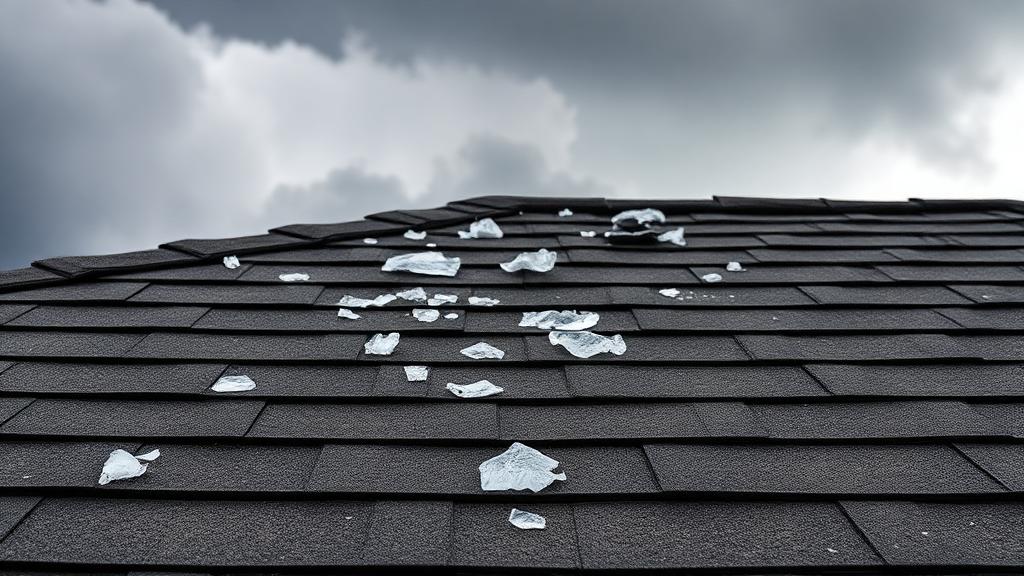
Texas ranks among the top states for hail damage claims, with billions of dollars in insured losses annually. North Texas, Central Texas, and the Texas Panhandle experience particularly severe hailstorms that can devastate roofing systems in minutes. This comprehensive guide helps Texas homeowners navigate the entire process from damage assessment through repair completion, ensuring you receive fair insurance compensation and quality repairs.
Understanding Hail Damage in Texas
Texas experiences more hail events than any other state, with the spring months of March through May being the most active. Understanding how hail damages roofs helps you assess your situation and communicate effectively with insurance adjusters and contractors.
How Hail Damages Different Roofing Materials:
Asphalt Shingles (Most Common in Texas):: - Granule displacement leaving dark spots - Bruising or soft spots in the shingle mat - Cracking along stress points - Exposed fiberglass mat material - Broken or missing shingle edges
Metal Roofing:: - Denting in the metal panels - Damaged paint or finish - Loosened fasteners from impact stress - Bent or deformed panel seams - Compromised weather seals
Tile Roofing (Common in South Texas):: - Cracked or broken tiles - Chipped edges and corners - Hairline fractures invisible from the ground - Damaged underlayment beneath tiles - Broken or displaced tile clips
Wood Shakes:: - Splits along the grain - Broken shake corners - Impact marks or gouges - Loosened shakes from repeated impacts - Exposed underlayment
Damage Severity by Hail Size:
| Hail Diameter | Common Description | Typical Roof Damage |
|---|---|---|
| 1 inch | Quarter-sized | Minor granule loss, cosmetic damage |
| 1.5 inches | Golf ball-sized | Moderate damage, soft spots |
| 2 inches | Tennis ball-sized | Significant damage, possible penetration |
| 3 inches | Baseball-sized | Severe damage, likely replacement needed |
| 4+ inches | Softball or larger | Catastrophic damage, holes possible |
Even smaller hailstones can cause significant damage when driven by high winds, a common occurrence during Texas thunderstorms.
Immediate Steps After a Hailstorm
Taking the right actions immediately after a hailstorm protects your rights and ensures proper documentation for insurance claims.
Within 24-48 Hours:
- Document Date and Time - Record exactly when the storm occurred. Insurance companies require proof that damage resulted from a specific weather event. Check weather service records for official documentation.
- Photograph All Visible Damage - Take photos from the ground of any visible damage including dented gutters, damaged siding, broken windows, and any roofing debris in your yard. Do not climb onto your roof.
- Collect Physical Evidence - If safe, gather samples of hail from your yard before it melts. Photograph them next to a ruler or common object for scale reference.
- Check for Interior Damage - Inspect your attic and ceiling areas for any signs of water intrusion. Look for wet spots, stains, or active dripping.
- Prevent Further Damage - If you have active leaks, take reasonable steps to prevent additional interior damage. Document these emergency measures with photos and keep all receipts.
- Contact Your Insurance Company - Report the damage promptly. Texas law requires timely notification, typically within 30 days, though sooner is always better.
What NOT to Do:
- Do not climb on a potentially damaged roof
- Do not sign any contracts with door-to-door storm chasers
- Do not sign an Assignment of Benefits without careful consideration
- Do not authorize permanent repairs before insurance inspection
- Do not accept the first insurance estimate without review
Filing Your Texas Hail Damage Claim
Navigating the insurance claim process correctly maximizes your chance of fair compensation. Texas has specific regulations protecting homeowners during this process.
Step-by-Step Claim Process:
Step 1: Initial Claim Filing
Contact your insurance company via phone and follow up with written notification. Obtain a claim number and document the name of every person you speak with. Request a copy of your complete policy if you do not have one.
Step 2: Schedule Adjuster Inspection
The insurance company will send an adjuster to inspect your property. Texas law requires insurers to acknowledge claims within 15 days and begin investigation promptly. You have the right to be present during this inspection.
Step 3: Prepare for the Adjuster Visit
- Have your documentation organized and ready
- Be present during the inspection
- Request that the adjuster inspect from the roof, not just ground level
- Point out all damage you have documented
- Ask questions about the adjustment process
- Request a copy of the adjusters report
Step 4: Obtain Independent Estimates
Before accepting the insurance companys estimate, get independent estimates from at least two reputable local contractors. These estimates help you understand the true repair scope and cost.
Step 5: Review the Insurance Estimate
Insurance estimates often miss damage or use pricing below actual local rates. Compare their estimate to your contractor estimates line by line. Common discrepancies include:
- Missing damaged components
- Lower material grades than installed
- Labor rates below local market
- Excluded items that should be covered
- Overlooked collateral damage
Step 6: Supplement if Necessary
If your contractor finds damage beyond the insurance estimate or the estimate uses incorrect pricing, file a supplement. This is a formal request for additional compensation with supporting documentation.
Understanding Texas Insurance Regulations
Texas has specific laws protecting homeowners in insurance disputes. Knowing your rights helps you advocate effectively for fair treatment.
Key Texas Insurance Protections:
Prompt Payment Act:: Texas requires insurance companies to pay or deny claims within specific timeframes. For weather damage claims, insurers must: - Acknowledge receipt within 15 days - Accept or reject claims within 15 business days of receiving all documentation - Pay accepted claims within 5 business days of notification
Violations of these timelines can result in interest penalties and additional damages.
Appraisal Process:: When you and your insurer cannot agree on the damage amount, Texas policies typically include an appraisal clause. Each party selects an appraiser, and the two appraisers select an umpire. Agreement by any two of these three is binding. This process often resolves disputes faster than litigation.
Bad Faith Provisions:: Texas Insurance Code Chapter 542 prohibits unfair claim practices. If an insurer unreasonably delays or denies a valid claim, you may be entitled to: - 18% annual interest on the claim amount - Attorney fees - Additional damages up to three times the original claim
Working with Contractors on Hail Damage Repairs
Selecting the right contractor for hail damage repairs requires extra caution due to the prevalence of storm chasers in Texas.
Identifying Legitimate Storm Restoration Contractors:
Legitimate contractors typically: - Have established local presence for years - Do not go door-to-door soliciting work - Have verifiable local references - Carry proper insurance including workers compensation - Provide detailed written estimates - Do not require large upfront payments - Can explain the insurance process without pressuring quick decisions
Red Flags Specific to Storm Work:
- Appeared in your neighborhood immediately after the storm
- Claims to be working with your insurance company
- Offers to waive your deductible (illegal in Texas)
- Pressures you to sign before the insurance inspection
- Cannot provide a local physical address
- Asks for full payment before work begins
- Offers unusually low prices to secure quick agreement
Contractor Involvement in Insurance Process:
A quality contractor can assist with your insurance claim by: - Providing detailed repair estimates for comparison - Documenting damage with photos and written descriptions - Meeting with adjusters to explain repair needs - Preparing supplements for additional damage - Answering technical questions about materials and methods
However, be cautious of contractors who want to take over the entire claims process or pressure you to sign Assignment of Benefits documents.
Common Insurance Disputes and Solutions
Understanding typical disputes helps you prepare for potential challenges in getting fair compensation.
Dispute: Pre-existing Damage Claims
Insurance companies sometimes attribute damage to pre-existing conditions rather than the recent storm. Combat this by: - Providing dated photos showing roof condition before the storm - Obtaining prior inspection reports - Getting expert opinions from certified contractors - Documenting the specific storm event with weather service data
Dispute: Cosmetic vs. Functional Damage
Some policies limit coverage for cosmetic damage. However, granule loss and other seemingly cosmetic damage affects roof performance over time. Document how the damage impacts: - Weather resistance - Expected lifespan - Fire rating - Energy efficiency - Manufacturer warranty validity
Dispute: Repair vs. Replacement
Insurers may authorize repairs when replacement is actually needed. Texas courts have generally held that: - If repairs will not return the roof to pre-loss condition, replacement is warranted - Matching materials may require more extensive work - Age-related depreciation should be applied fairly
Dispute: Depreciation Application
Insurance policies typically depreciate roof value based on age. However, some insurers over-depreciate or apply depreciation incorrectly. Review: - Accurate age calculation - Appropriate depreciation rates for your material type - Recovery of depreciation after repairs (recoverable depreciation) - Proper application to materials vs. labor
Repair Options for Hail-Damaged Roofs
The extent of hail damage determines whether repair or replacement is the appropriate solution.
When Repair Is Appropriate:
- Damage is limited to a small section of the roof
- No signs of underlying deck damage
- Materials are still available for matching
- Repairs will restore full weather protection
- Cost is significantly less than replacement
- Remaining roof has substantial useful life
When Replacement Is Necessary:
- Damage is widespread across multiple roof sections
- Multiple layers of damage exist from current and past storms
- Matching materials are unavailable
- Deck damage is discovered during inspection
- Roof was already near end of useful life
- Repairs would exceed a significant percentage of replacement cost
Material Upgrades to Consider:
If replacement is needed, consider upgrading to impact-resistant materials:
- Class 4 Impact-Resistant Shingles - Rated to withstand 2-inch hail. Many Texas insurers offer premium discounts for these materials.
- Metal Roofing - Excellent impact resistance with potential insurance savings.
- Synthetic Materials - Polymer-based products often outperform natural materials in impact testing.
Geographic Considerations Across Texas
Different Texas regions experience varying hail patterns and require different approaches.
North Texas (Dallas-Fort Worth-Denton):
This region experiences the most severe and frequent hailstorms in Texas. Large hail exceeding 2 inches is common during spring severe weather season. Contractors here should have extensive hail damage experience, and impact-resistant materials are particularly valuable. Find DFW contractors.
Texas Panhandle (Amarillo, Lubbock):
The Panhandle sees frequent hail during supercell thunderstorm season. Contractors must understand high-wind installation requirements in addition to hail damage. Find Amarillo contractors.
Central Texas (Austin, Waco, San Marcos):
Severe storms track through Central Texas regularly. The mix of older and newer construction requires contractors familiar with various roofing systems. Find Austin contractors.
Coastal Areas (Houston, Corpus Christi):
While less prone to large hail, coastal areas still experience hailstorms. Contractors should also understand hurricane requirements for comprehensive storm preparation. Find Houston contractors.
Preventing Future Hail Damage
After repairs or replacement, consider these strategies to minimize future hail damage.
Impact-Resistant Materials:
Class 4 impact-resistant shingles can withstand 2-inch diameter hail per UL 2218 testing standards. Benefits include: - Reduced damage from moderate hailstorms - Insurance premium discounts of 10-30% in many areas - Extended material warranties - Peace of mind during storm season
Protective Features:
- Install protective covers over skylights
- Add padded gutter guards to prevent denting
- Consider protective screening for exposed equipment
- Plant trees strategically for natural hail barriers
Insurance Optimization:
- Review your policy annually before storm season
- Understand your deductible options and their premium impacts
- Document your roof condition regularly
- Maintain records of all improvements and repairs
Conclusion
Hail damage is an unfortunate reality for Texas homeowners, but understanding the damage assessment, insurance claim, and repair processes helps you navigate this challenge effectively. By documenting damage properly, working with legitimate contractors, and understanding your insurance rights, you can ensure fair compensation and quality repairs.
Do not let storm chasers take advantage of your situation. Take time to verify contractor credentials, understand your policy coverage, and advocate for fair treatment from your insurance company. The investment in doing this correctly protects your home for years to come.
Ready to find a trustworthy hail damage contractor? Browse our directory of vetted Texas roofing professionals with proven storm damage repair experience.