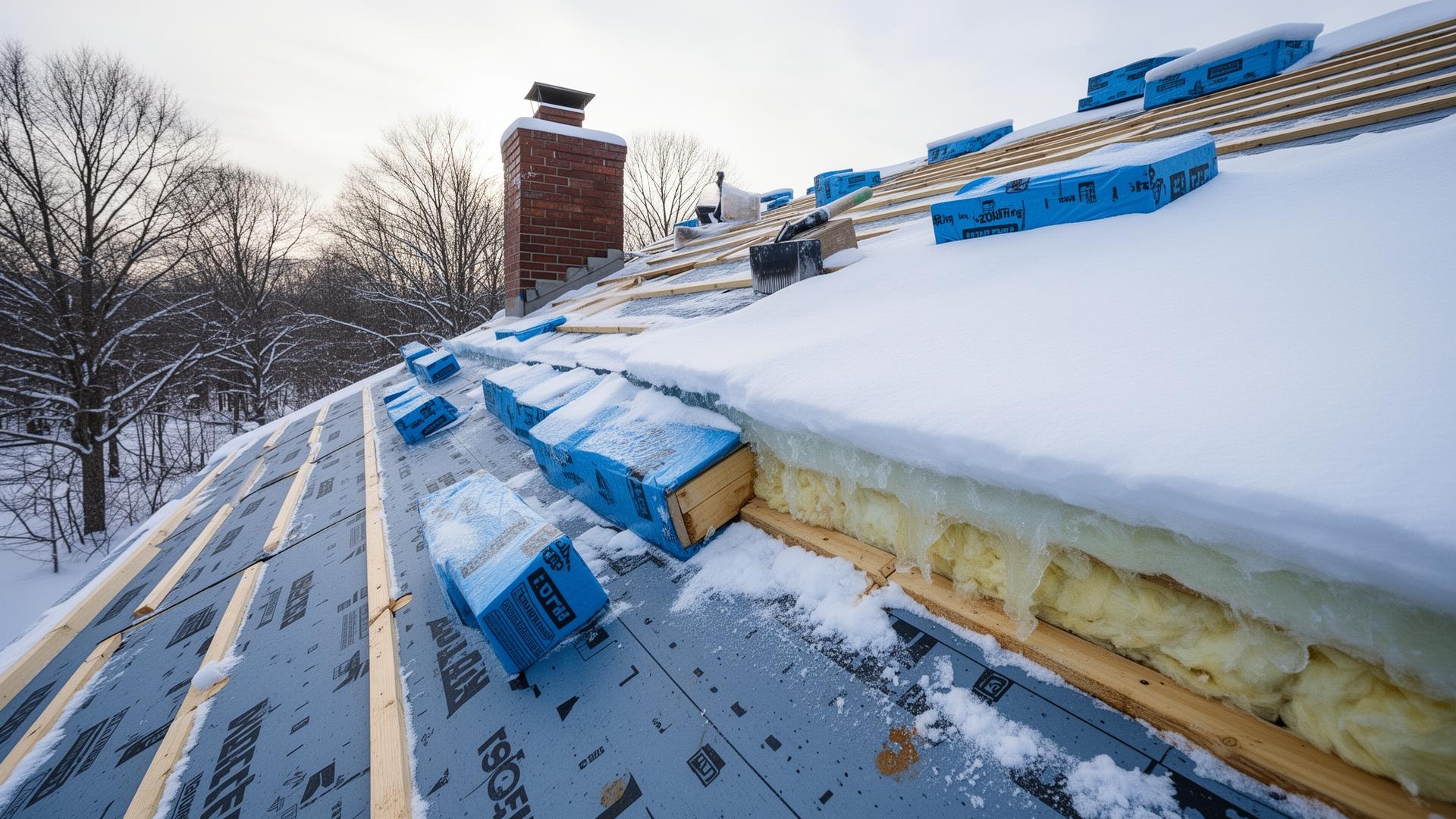
Roof Ventilation Guide: Why It Matters and How to Get It Right
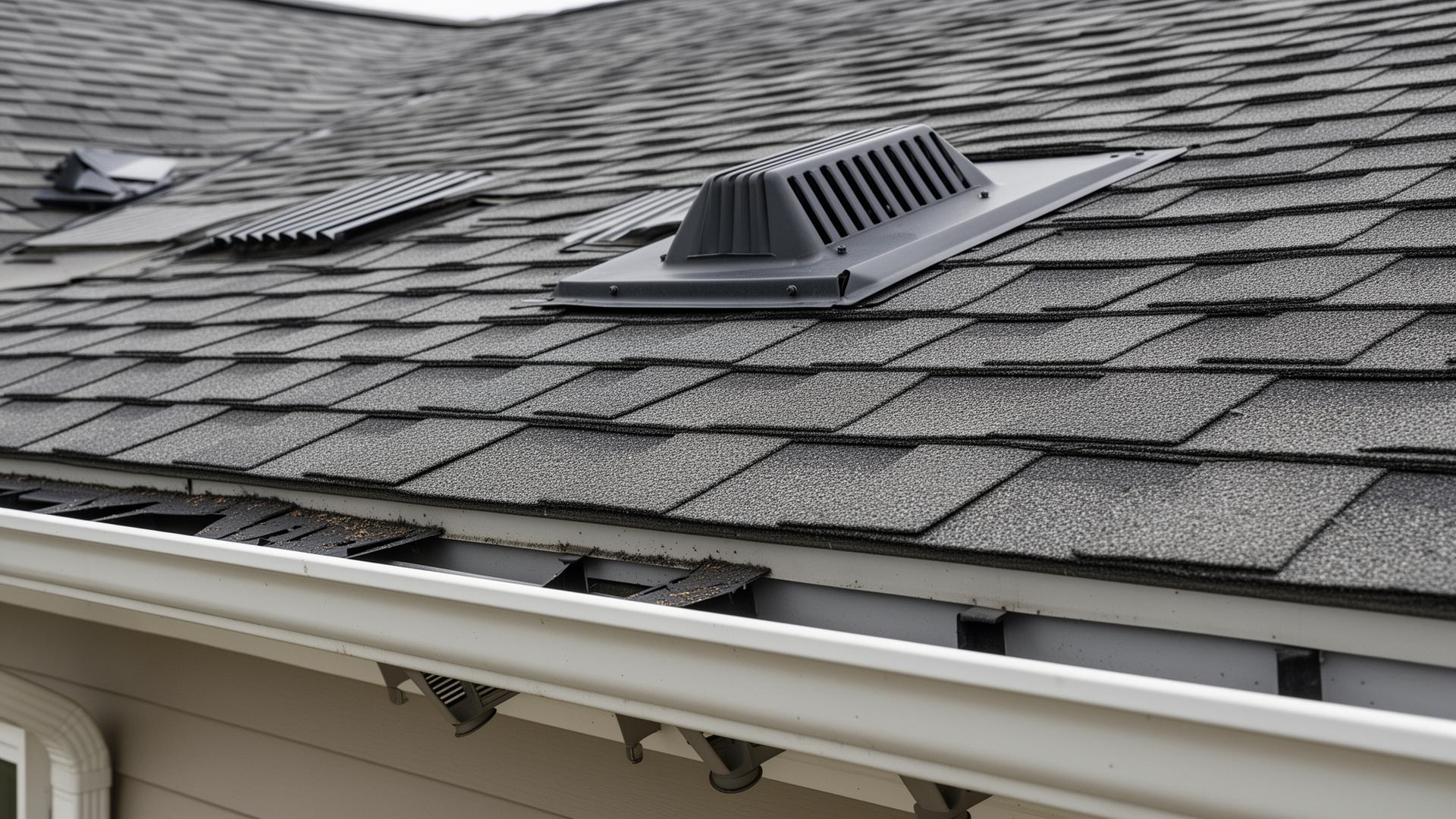
Roof ventilation is one of the most overlooked aspects of home maintenance, yet it plays a crucial role in protecting your home, extending your roof's lifespan, and maintaining comfortable indoor temperatures. This comprehensive guide explains why ventilation matters and how to ensure your system works effectively.
Understanding Roof Ventilation Basics
Roof ventilation refers to the system that allows air to flow through your attic space. It's based on a simple principle: hot air rises and needs somewhere to escape, while fresh cooler air needs an entry point to replace it.
The Science Behind Ventilation:: Your attic naturally accumulates heat and moisture from various sources. In summer, the sun beating on your roof can raise attic temperatures to 150°F or more. In winter, warm moist air from your living space rises into the attic. Without proper ventilation, this heat and moisture become trapped, causing numerous problems.
How Ventilation Works:: A balanced ventilation system includes: - Intake Vents - Usually located at or near the soffits (the underside of roof overhangs), allowing cooler outside air to enter - Exhaust Vents - Positioned at or near the roof's ridge, allowing hot air to escape
Natural convection drives this process: warm air rises and exits through exhaust vents, creating negative pressure that draws cool air in through intake vents. This continuous cycle keeps your attic at appropriate temperatures and moisture levels.
Why Proper Ventilation is Critical
Inadequate ventilation causes problems that extend far beyond your attic, affecting your entire home and wallet.
In Hot Weather:
- Roof Damage - Excessive heat accelerates shingle deterioration. Asphalt shingles bake from both above (sun) and below (trapped heat), reducing their lifespan significantly.
- Increased Cooling Costs - Heat radiates from a super-hot attic into your living space, forcing your air conditioning to work harder. Proper ventilation can reduce attic temperatures by 20-30°F.
- HVAC Strain - Ductwork in hot attics loses cooling efficiency, wasting energy and shortening equipment life.
In Cold Weather:
- Ice Dams - When attic heat melts roof snow unevenly, water refreezes at the cold eaves, creating ice dams that damage shingles and cause leaks.
- Moisture Condensation - Warm moist air from your home rises into a cold attic, condensing on surfaces. This moisture leads to mold, mildew, rotted wood, and damaged insulation.
- Structural Damage - Prolonged moisture exposure deteriorates roof decking, rafters, and other structural components.
Year-Round Concerns:
- Mold Growth - Dark, moist attics provide ideal conditions for mold, affecting indoor air quality and potentially causing health issues.
- Warranty Voiding - Many roofing material warranties require adequate ventilation. Failure to maintain it can void your coverage.
- Premature Roof Failure - Studies show proper ventilation can extend roof life by 25% or more.
Types of Roof Ventilation Systems
Several ventilation options exist, and the best choice depends on your roof design, climate, and budget.
Intake Vents:
- Soffit Vents - The most common intake method, installed in the soffit (overhang) area. Options include:
- - Continuous soffit vents (strips running along the soffit)
- - Individual soffit vents (spaced at intervals)
- - Perforated soffit panels (entire soffit serves as vent)
- Drip Edge Vents - Installed where the roof meets the fascia, useful when soffit space is limited.
- Gable Vents - Triangular or rectangular vents in gable ends can serve as intake when positioned lower than exhaust vents.
Exhaust Vents:
- Ridge Vents - Continuous vents installed along the roof's peak, often covered by ridge cap shingles. Benefits include:
- - Most effective exhaust method
- - Invisible from ground level
- - Works naturally without power
- - Provides even ventilation across attic
- Box Vents (Static Vents) - Square or round vents installed near the ridge. Less effective than ridge vents but suitable for certain applications.
- Turbine Vents - Wind-powered spinning vents that create additional suction. Effective but can be noisy and require maintenance.
- Power Attic Ventilators (PAVs) - Electric or solar-powered fans that actively exhaust hot air. More powerful but add complexity and energy use.
- Gable Fans - Fans mounted in gable vents, effective for certain attic configurations.
Ventilation Comparison:
| Type | Effectiveness | Cost | Maintenance |
|---|---|---|---|
| Ridge + Soffit | Excellent | Moderate | Very Low |
| Box Vents + Soffit | Good | Low | Low |
| Power Ventilators | Very Good | Higher | Moderate |
| Turbine Vents | Good | Moderate | Low |
| Gable Vents Only | Fair | Low | Very Low |
Calculating Your Ventilation Needs
The general rule for attic ventilation is known as the "1/150 rule" - you need 1 square foot of net free ventilation area (NFA) for every 150 square feet of attic floor space. With balanced intake and exhaust, this can be reduced to 1/300.
Example Calculation:: - Attic floor area: 1,500 square feet - Minimum ventilation: 1,500 ÷ 150 = 10 square feet NFA - With balanced system: 1,500 ÷ 300 = 5 square feet NFA - Distribution: Half intake (2.5 sq ft) + half exhaust (2.5 sq ft)
Important Considerations:: - "Net free area" accounts for screening and louvers; actual vent size must be larger - Complex roofs may need additional ventilation in separate sections - Local building codes may have specific requirements - High-moisture areas (humid climates, indoor pools) may need enhanced ventilation
Signs of Ventilation Problems
Learn to recognize the symptoms of inadequate ventilation before they cause major damage.
Attic Indicators:: - Extreme heat in summer (significantly hotter than outdoor temperature) - Visible mold or mildew on surfaces - Wet or damp insulation - Rotted or deteriorating wood - Frost on roof sheathing in winter - Strong musty odors
Roof Symptoms:: - Premature shingle deterioration or curling - Ice dams along eaves - Rusty nails or metal components - Wavy or uneven roof surface - Buckled or damaged shingles
Interior Signs:: - Unexpectedly high cooling bills - Second-floor rooms significantly hotter than first floor - Mold or mildew smell from ceiling areas - Water stains on ceilings (from condensation, not leaks) - Peeling paint near attic access
Common Ventilation Mistakes
Avoid these frequent errors that compromise ventilation effectiveness.
Design Mistakes:
- Mixing Exhaust Types - Using ridge vents and power ventilators together creates "short-circuiting," where the power vent pulls air from the ridge vent rather than from intake vents.
- Insufficient Intake - Many systems have adequate exhaust but lack sufficient intake. Exhaust is only as effective as intake allows.
- Blocking Soffit Vents - Insulation pushed against soffit vents blocks airflow. Proper baffles are essential.
- Ignoring Roof Sections - Complex roofs with multiple sections may need independent ventilation for each area.
Installation Errors:
- Improper Ridge Vent Installation - Cutting too narrow or clogging with sealant reduces effectiveness.
- Missing Baffles - Without baffles, insulation can block airflow even when vents are technically open.
- Sealed Attic Access - Weatherstripping attic doors prevents moisture escape from living areas.
Maintenance Oversights:
- Blocked Exterior Vents - Paint, debris, or damage can obstruct vent openings.
- Failed Components - Turbine vents that stop spinning or power ventilators with dead motors.
- Pest Infiltration - Animals nesting in vents or damage to screening.
Improving Your Ventilation System
If your home has ventilation issues, several solutions can help.
Assessment First:: Before making changes, have a roofing professional or home energy auditor evaluate your current system. They can: - Calculate your ventilation needs - Identify current components and their condition - Recommend specific improvements - Ensure changes comply with building codes
Common Upgrades:
- Add Ridge Vents - If you have only box vents or gable vents, adding a continuous ridge vent significantly improves exhaust.
- Increase Soffit Vents - Add vents or upgrade to continuous strips for better intake.
- Install Baffles - Ensure insulation doesn't block airflow from soffits to attic space.
- Seal Attic Bypasses - Reduce moisture sources by sealing gaps around light fixtures, plumbing stacks, and other penetrations.
- Consider Solar Fans - For problem areas, solar-powered attic fans add active ventilation without increasing electric bills.
Cost Estimates:
| Improvement | Typical Cost Range |
|---|---|
| Add soffit vents | $250 - $500 |
| Install ridge vent | $400 - $800 |
| Install rafter baffles | $150 - $400 |
| Power ventilator | $300 - $600 |
| Complete ventilation upgrade | $1,000 - $3,000 |
Ventilation and Roof Warranties
Proper ventilation isn't just about comfort—it's often a warranty requirement.
Manufacturer Requirements:: Most roofing material manufacturers require adequate ventilation to maintain warranty coverage. Check your warranty documents for specific requirements regarding: - Minimum ventilation ratios - Approved ventilation methods - Inspection and documentation requirements
Documentation Practices:: Keep records of: - Ventilation inspection reports - Any upgrades or repairs made - Photos of venting components - Building permits for ventilation work
Warranty claims can be denied if the manufacturer determines ventilation was inadequate, regardless of the issue's actual cause.
Ventilation Considerations by Climate
Your climate affects ventilation priorities and approaches.
Hot Climates:: - Prioritize heat reduction - Consider reflective roof materials - Ensure generous ventilation ratios - Solar-powered fans are especially effective
Cold Climates:: - Focus on preventing ice dams - Balance ventilation with insulation - Vapor barriers may be necessary - Ensure continuous airflow prevents warm spots
Humid Climates:: - Moisture control is paramount - May need enhanced ventilation ratios - Consider dehumidification options - Watch for mold and mildew carefully
Mixed Climates:: - System must handle seasonal extremes - Balanced intake and exhaust essential - Regular seasonal inspections recommended
Working with Professionals
While some ventilation improvements are DIY-friendly, others require professional expertise.
When to Hire a Professional:: - Installing or modifying ridge vents - Adding vents that require roof penetrations - Evaluating complex roof structures - Addressing existing mold or damage - Major system overhauls - Any work requiring permits
Finding Qualified Help:: - Roofing contractors for roof-related ventilation work - HVAC professionals for whole-house ventilation - Home energy auditors for comprehensive assessments - Certified inspectors for evaluations
Conclusion
Proper roof ventilation is essential for protecting your home, extending your roof's life, and maintaining comfortable indoor temperatures. Whether you're addressing existing problems or ensuring a new roof is properly ventilated, understanding these principles helps you make informed decisions.
Don't overlook this crucial system. Regular inspection and maintenance of your ventilation components pays dividends in avoided repairs, lower energy bills, and a longer-lasting roof. If you suspect ventilation issues, consult a qualified roofing professional to evaluate your system and recommend improvements.