First-Time Homeowner's Essential Roofing Guide: Everything You Need to Know
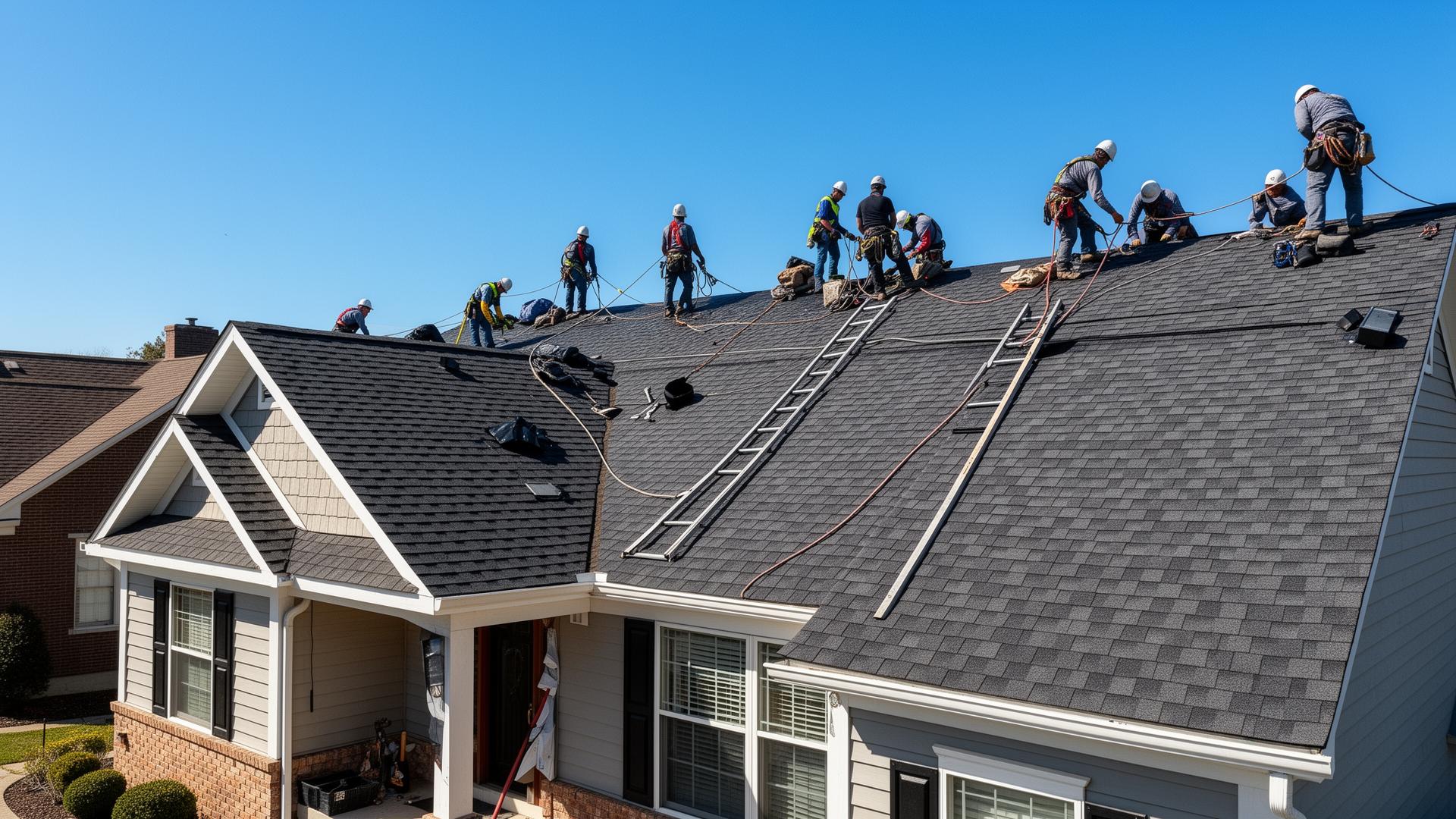
Congratulations on becoming a homeowner! Along with the excitement of owning your first home comes the responsibility of maintaining it, and your roof is one of the most important systems requiring your attention. Unlike renting, where the landlord handles repairs, you're now responsible for understanding and caring for your roof. This guide will give you the knowledge you need to confidently manage this crucial aspect of homeownership.
Understanding Your Roof's Basic Anatomy
Before you can properly maintain your roof, you need to understand its components. Every roof consists of multiple layers and elements that work together to protect your home.
The Roof Structure:: - Rafters/Trusses - The structural framework that supports everything above it. These are the "bones" of your roof. - Roof Deck (Sheathing) - Typically plywood or OSB boards attached to the rafters, forming the base for all other roofing components. - Underlayment - A water-resistant barrier installed over the deck before the final roofing material. - Roofing Material - The visible outer layer, whether asphalt shingles, metal, tile, or other materials.
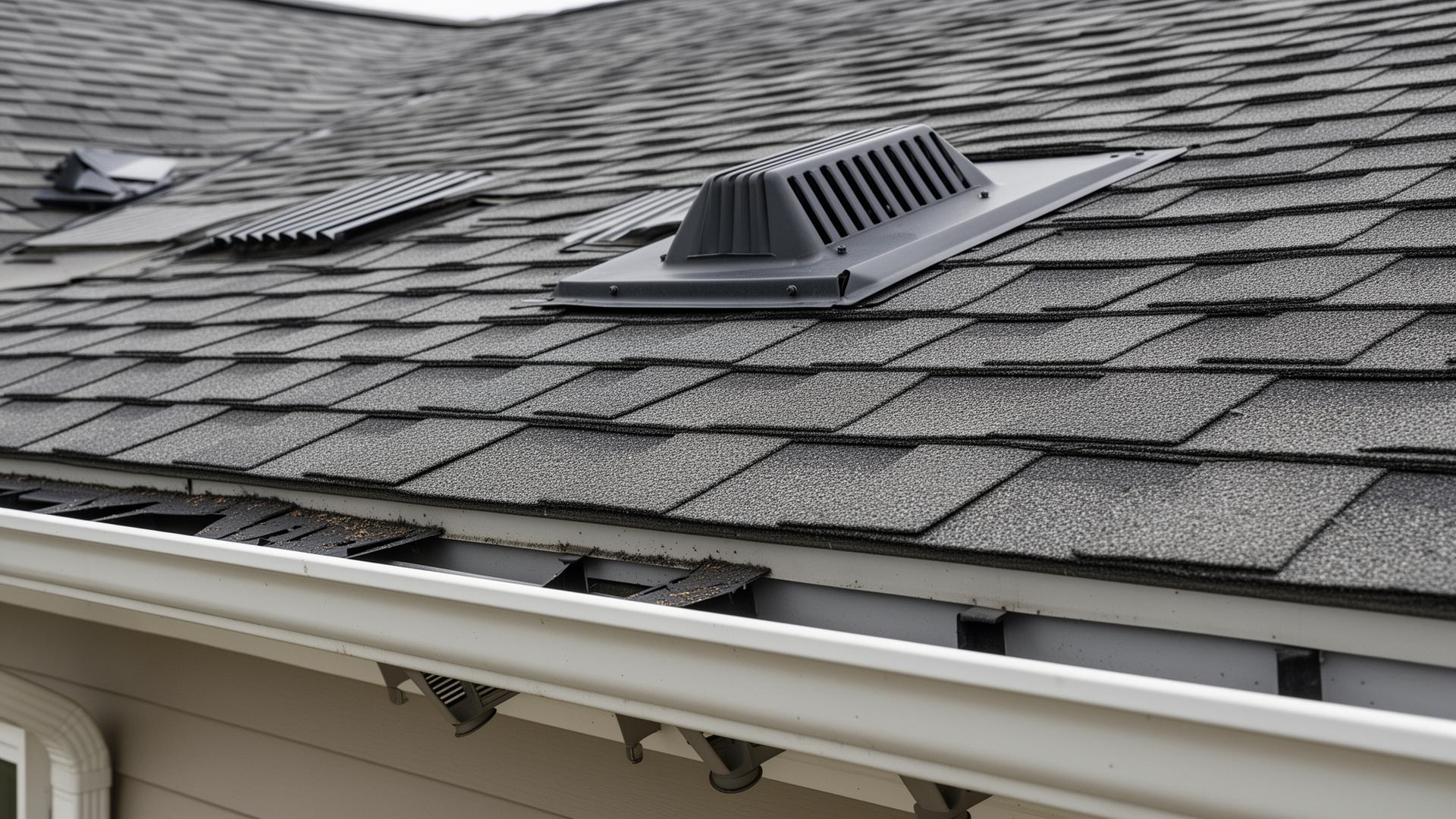
Critical Accessories:: - Flashing - Metal pieces that seal joints and transitions, preventing water intrusion around chimneys, vents, and walls. - Drip Edge - Metal installed along roof edges to direct water away from the fascia. - Ridge Cap - Special shingles or metal covering the roof's peak. - Ventilation - Intake vents (usually at soffits) and exhaust vents (at or near the ridge) that regulate attic temperature and moisture. - Gutters and Downspouts - The drainage system that channels water away from your home.
Understanding these components helps you communicate effectively with roofing contractors and identify potential problems before they become emergencies.
Common Roofing Materials and Their Lifespans
Different roofing materials have varying characteristics, costs, and maintenance needs. Knowing what's on your home helps you plan for the future.
Asphalt Shingles (Most Common) Asphalt shingles cover approximately 80% of American homes. They're affordable, easy to install, and available in many colors and styles. - Lifespan: 15-30 years (depending on quality) - Maintenance: Moderate - Cost: $3.50-$5.50 per square foot - Climate suitability: Most climates, though extreme heat can accelerate aging
Architectural (Dimensional) Shingles A premium version of asphalt shingles with a layered, three-dimensional appearance. - Lifespan: 25-35 years - Maintenance: Moderate - Cost: $4.50-$7.00 per square foot - Better wind resistance than standard shingles
Metal Roofing Growing in popularity for residential use, metal roofs offer exceptional durability and energy efficiency. - Lifespan: 40-70 years - Maintenance: Low - Cost: $7.00-$14.00 per square foot - Excellent for energy efficiency and harsh weather
Clay and Concrete Tiles Popular in Mediterranean and Spanish-style homes, particularly in the Southwest. - Lifespan: 50-100 years - Maintenance: Low to moderate - Cost: $10.00-$18.00 per square foot - Excellent for hot, dry climates
Slate Roofing The premium choice offering unmatched durability and beauty. - Lifespan: 75-150+ years - Maintenance: Low (but requires specialized repairs) - Cost: $15.00-$30.00+ per square foot - Extremely heavy; requires reinforced structure
Your First-Year Roof Maintenance Checklist
As a new homeowner, establishing good maintenance habits early protects your investment. Here's what to do in your first year.
Immediate Actions (First Month):
- Locate Documentation - Find any warranties, installation records, or inspection reports from the previous owner. This information is invaluable for understanding your roof's history and remaining warranty coverage.
- Conduct a Visual Assessment - From the ground, examine your roof's overall condition. Note any obvious issues like missing shingles, damaged flashing, or sagging areas.
- Check the Attic - If accessible, look for water stains, daylight coming through, adequate insulation, and proper ventilation.
- Clean Gutters - Clear all debris from gutters and downspouts. Verify they're securely attached and draining properly.
- Schedule a Professional Inspection - Unless the home inspection was very recent, have a professional roof inspection performed to establish a baseline condition.
Seasonal Tasks:
Spring:: - Inspect for winter damage - Clean gutters thoroughly - Look for loose or missing shingles - Check flashing around chimneys and vents - Trim overhanging tree branches
Summer:: - Monitor attic temperature - Check for adequate ventilation - Inspect after severe storms - Look for signs of algae or moss growth
Fall:: - Pre-winter gutter cleaning - Address any needed repairs before cold weather - Inspect flashing and seals - Clear leaves and debris from roof surface
Winter:: - Monitor for ice dams - Keep gutters clear of ice - Safely remove heavy snow loads if accessible - Watch for interior signs of leaks
Warning Signs That Need Immediate Attention
Learning to recognize roofing problems early can save you thousands in repair costs. Here are the red flags every homeowner should know.
Exterior Warning Signs:: - Missing, cracked, or curling shingles - Significant granule loss (visible in gutters) - Damaged or missing flashing - Sagging roof sections - Moss, algae, or vegetation growth - Damaged or clogged gutters - Visible daylight through roof boards (from attic)
Interior Warning Signs:: - Water stains on ceilings or walls - Peeling paint near rooflines - Mold or mildew in attic - Musty odors - Increasing energy bills (may indicate insulation/ventilation issues) - Drips during or after rain
Emergency Situations Requiring Immediate Action:: - Active leaks during rain - Major storm damage - Fallen trees or large debris on roof - Visible structural sagging - Large areas of missing roofing material
When you notice any emergency situation, cover exposed areas temporarily if safely possible, document with photos, and contact a roofing professional immediately.
Budgeting for Roof Maintenance and Replacement
Smart financial planning prevents roofing costs from becoming overwhelming. Understanding typical costs helps you budget appropriately.
Annual Maintenance Budget:: Plan to spend $200-$500 annually on routine maintenance including: - Gutter cleaning (2-4 times yearly) - Minor repairs - Professional inspections every 2-3 years - Preventive treatments as needed
Repair Cost Estimates:
| Repair Type | Typical Cost Range |
|---|---|
| Replace few shingles | $150 - $400 |
| Fix small leak | $300 - $1,000 |
| Flashing repair | $200 - $600 |
| Gutter repair/cleaning | $100 - $400 |
| Vent pipe boot replacement | $150 - $300 |
Replacement Planning:: The biggest roofing expense you'll face is eventual replacement. Average costs for full replacement range from $8,000 to $25,000+ depending on size, material, and complexity.
Financial Strategies:: - Create a dedicated roof fund, saving $100-$200 monthly - Know your roof's approximate age and expected lifespan - Consider a home warranty that covers roof repairs - Understand your homeowner's insurance coverage for storm damage - Get multiple quotes for major work - Don't delay repairs; small issues become expensive problems
Understanding Roof Warranties
Your roof likely came with warranties that may still be in effect. Understanding them protects your investment.
Types of Roofing Warranties:
- Manufacturer's Material Warranty - Covers defects in the roofing material itself. Length varies from 20 years to lifetime, with different terms for labor vs. materials.
- Workmanship Warranty - Provided by the installing contractor, covering installation-related issues. Typically 2-10 years.
- Extended or Enhanced Warranties - Premium options offering better coverage, often requiring installation by certified contractors.
Warranty Maintenance Requirements:: Most warranties require: - Regular professional inspections - Prompt repair of any damage - Proper ventilation - No unauthorized modifications - Documentation of maintenance
What Voids Warranties:: - Failure to maintain the roof - Improper repairs by uncertified contractors - Adding rooftop equipment without proper installation - Walking on certain roof types - Pressure washing (on some materials) - Failure to address known issues
Working with Roofing Contractors
Knowing how to select and work with contractors is essential for every homeowner.
Finding Qualified Contractors:: - Use our contractor directory to find verified professionals - Seek recommendations from neighbors and friends - Verify licensing, insurance, and bonding - Check reviews and references - Look for manufacturer certifications
Getting Quotes:: - Always get 3-5 written estimates - Ensure quotes cover the same scope of work - Ask about material quality and warranty details - Clarify what's included (permits, cleanup, etc.) - Be wary of quotes significantly lower than others
Questions to Ask:: - How long have you been in business? - Are you licensed, bonded, and insured? - Who will supervise the work? - What warranty do you offer on labor? - What happens if problems arise after completion? - Can you provide recent references?
Insurance Considerations for New Homeowners
Understanding how your homeowner's insurance interacts with your roof is critical.
What's Typically Covered:: - Damage from storms, hail, wind, and fire - Fallen trees and debris damage - Some types of water damage
What's Usually Not Covered:: - Normal wear and aging - Maintenance issues - Pre-existing damage - Neglect-related problems - Flood damage (requires separate policy)
Insurance Tips for New Homeowners:: - Document your roof's condition when you move in - Keep records of all maintenance and repairs - Understand your deductible - Know your policy's roof-specific provisions - Consider actual cash value vs. replacement cost coverage - Report damage promptly
Energy Efficiency and Your Roof
Your roof significantly impacts your home's energy efficiency and utility costs.
How Roofs Affect Energy Use:: - Proper insulation reduces heating and cooling loads - Adequate ventilation prevents heat buildup - Reflective roofing materials reduce cooling costs - Air leaks around roof penetrations waste energy
Improving Efficiency:: - Ensure attic insulation meets current recommendations (R-38 to R-60 depending on climate) - Verify ventilation is adequate (1 sq. ft. of vent per 150 sq. ft. of attic space) - Consider reflective or cool roofing materials in hot climates - Seal air leaks around roof penetrations - Add radiant barriers in hot climates
Energy-Related Warning Signs:: - Unusually high heating or cooling bills - Uneven temperatures throughout the house - Ice dams in winter (indicates heat loss) - Extremely hot attic in summer
Building Your Roofing Knowledge
As a homeowner, continuing to learn about your roof empowers you to make better decisions.
Resources for Ongoing Learning:: - Follow reputable roofing blogs and publications - Attend home improvement workshops - Connect with local contractor associations - Use our comprehensive guides for specific topics
Important Terms to Know:: - Square - 100 square feet of roofing area - Pitch/Slope - The steepness of your roof - Valley - Where two roof slopes meet, creating a channel - Eave - The roof edge that extends beyond walls - Fascia - The board behind gutters at roof edges - Soffit - The underside of roof overhangs
Conclusion
Your roof is a significant investment that protects everything beneath it. As a first-time homeowner, establishing good maintenance habits, understanding warning signs, and building relationships with qualified contractors sets you up for successful homeownership. Regular attention to your roof prevents small issues from becoming major expenses and ensures your home remains a safe, comfortable haven for years to come.
Start implementing these practices today, and don't hesitate to reach out to local roofing professionals when you need expert guidance. Your future self will thank you for the care you take now.