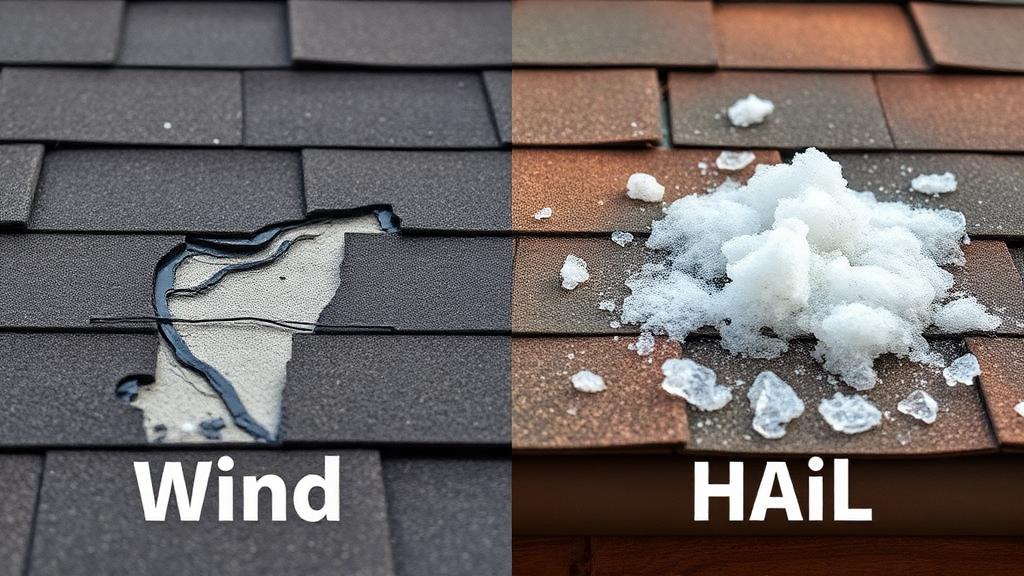
The Complete Guide to Filing a Roof Insurance Claim: Step-by-Step Process for Homeowners

Filing a roof insurance claim can feel overwhelming, especially when you're already dealing with the stress of storm damage or unexpected roof problems. Understanding the process before you need to use it gives you a significant advantage in securing fair compensation for your roofing repairs or replacement. This comprehensive guide walks you through every step of the insurance claim process, from initial damage discovery to final settlement.
Understanding Your Homeowner's Insurance Policy
Before any damage occurs, it's crucial to understand exactly what your homeowner's insurance policy covers regarding your roof. Most standard policies cover damage from sudden, accidental events like storms, hail, wind, fire, and falling objects. However, they typically exclude damage from normal wear and tear, neglect, or lack of maintenance.
What's Typically Covered:: - Storm damage including hail, wind, and lightning - Damage from falling trees or branches - Fire damage to roofing materials - Vandalism and malicious mischief - Weight of ice, snow, or sleet (in most policies)
What's Usually Not Covered:: - Normal wear and deterioration - Damage from lack of maintenance - Cosmetic damage that doesn't affect function - Flood damage (requires separate policy) - Earthquake damage (requires separate rider)
Take time to review your policy's declarations page, which outlines your coverage limits, deductibles, and any special endorsements. Pay particular attention to any roof-specific provisions, as some policies have separate deductibles or coverage limitations for roofing claims.
The Immediate Response: What to Do After Discovering Damage
When you discover potential roof damage, your response in the first 24-48 hours can significantly impact your claim's success. Insurance companies expect policyholders to take reasonable steps to prevent further damage, and documenting everything thoroughly from the start creates a strong foundation for your claim.
Step 1: Ensure Safety First
Before examining any damage, ensure everyone in your household is safe. If you notice active leaks, sagging areas, or structural concerns, contact a qualified roofing professional immediately for emergency assessment. Never climb onto a damaged roof yourself, as the structural integrity may be compromised.
Step 2: Document Everything Immediately
Begin comprehensive documentation as soon as safely possible. This initial evidence often proves invaluable during the claims process.
- Take extensive photographs from multiple angles, including wide shots and close-ups
- Record videos showing the extent of damage, narrating what you're documenting
- Note the date, time, and weather conditions when damage occurred
- Photograph any interior damage such as water stains, wet insulation, or damaged belongings
- Save any debris that fell from the roof if safely accessible
Step 3: Prevent Further Damage
Insurance policies require you to take reasonable steps to prevent additional damage. This might include:
- Placing tarps over damaged areas to prevent water intrusion
- Moving furniture and belongings away from leaking areas
- Arranging for emergency board-up services if necessary
- Documenting all emergency repairs with photos and receipts
Keep all receipts for emergency repairs and temporary measures, as these are typically reimbursable under your policy.
Filing Your Insurance Claim
Once you've secured your property and gathered initial documentation, it's time to formally file your claim. Understanding this process helps ensure nothing falls through the cracks.
Contacting Your Insurance Company
Call your insurance company's claims hotline as soon as possible after discovering damage. Most policies require prompt notification, and delays can complicate your claim. During this initial call:
- Provide your policy number and contact information
- Describe the damage briefly but thoroughly
- Ask about the claims process and timeline
- Request a claim number for your records
- Ask about coverage for temporary repairs
What Information You'll Need:
| Document/Information | Why It's Important |
|---|---|
| Policy number | Identifies your coverage |
| Date of damage | Establishes timeline |
| Description of damage | Initiates claim process |
| Photos/videos | Supports your claim |
| Emergency repair receipts | Reimbursement documentation |
| Previous inspection reports | Shows pre-damage condition |
Understanding Your Claim Number
Your claim number becomes your reference point for all communication with your insurance company. Keep it readily accessible and reference it in all correspondence, phone calls, and emails related to your claim.
Working with the Insurance Adjuster
The insurance adjuster plays a critical role in determining your claim's outcome. These professionals assess damage and determine what the insurance company will pay. Understanding how to work effectively with adjusters can significantly impact your settlement.
Types of Adjusters:
- Company Adjusters - Employees of your insurance company who handle claims on their behalf. While professional, remember their employer pays their salary.
- Independent Adjusters - Contractors hired by insurance companies, especially during high-claim periods after major storms. They're paid by insurers but work independently.
- Public Adjusters - Licensed professionals who work exclusively for policyholders. They're paid a percentage of your settlement but advocate solely for your interests.
Preparing for the Adjuster's Visit
When the insurance adjuster schedules their inspection, preparation is key:
- Review all your documentation before they arrive
- Be present during the inspection if possible
- Prepare a list of all damage you've identified
- Have your roof inspection records available
- Keep a notepad handy to record their observations
During the Inspection
Stay engaged throughout the adjuster's visit:
- Point out all damage you've documented
- Ask questions about anything they examine
- Request they explain their assessment methodology
- Take notes on their findings
- Ask for a copy of their report
If you disagree with any findings, express your concerns professionally and ask them to document alternative viewpoints.
Getting Professional Roofing Estimates
Independent roofing estimates provide crucial support for your insurance claim. A qualified roofing contractor can identify damage the adjuster might miss and provide detailed repair or replacement costs.
When to Get Estimates:
- Before the adjuster's visit (provides talking points)
- After the adjuster's visit (verifies their assessment)
- When you receive your settlement offer (compares costs)
What Quality Estimates Include:
- Detailed scope of work
- Material specifications and quantities
- Labor costs breakdown
- Permit fees
- Cleanup and disposal costs
- Timeline for completion
- Warranty information
Get estimates from at least two or three reputable contractors. Significant variations in estimates may indicate some contractors are missing damage or others are overcharging.
Understanding Your Settlement Offer
When your insurance company issues a settlement offer, understanding its components helps you evaluate whether it's fair and adequate for your repairs.
Components of a Settlement:
- Actual Cash Value (ACV) - The replacement cost minus depreciation. You'll receive this amount initially.
- Recoverable Depreciation - The depreciation amount you can claim after completing repairs, if you have a Replacement Cost Value (RCV) policy.
- Deductible - Your out-of-pocket amount before insurance kicks in.
Settlement Calculation Example:
| Component | Amount |
|---|---|
| Replacement Cost | $15,000 |
| Minus Depreciation | -$3,000 |
| Actual Cash Value | $12,000 |
| Minus Deductible | -$1,500 |
| Initial Payment | $10,500 |
| Recoverable Depreciation | $3,000 |
| Final Total | $13,500 |
Dealing with Claim Denials or Low Settlements
Unfortunately, not every claim proceeds smoothly. If your claim is denied or the settlement seems inadequate, you have options.
Common Denial Reasons:
- Damage attributed to wear and tear rather than covered event
- Pre-existing damage not caused by recent event
- Policy exclusions for specific damage types
- Missed filing deadlines
- Insufficient documentation
Steps When You Disagree:
- Request Written Explanation - Get detailed reasons for the denial or low offer in writing.
- Review Your Policy - Compare the denial reasons against your actual coverage.
- Gather Additional Evidence - Get independent assessments supporting your position.
- File a Formal Appeal - Submit a written appeal with supporting documentation.
- Consider a Public Adjuster - Professional advocates can often negotiate better settlements.
- Contact Your State Insurance Department - They can review whether your claim was handled properly.
- Consult an Attorney - For significant disputes, legal representation may be necessary.
Supplemental Claims
After initial repairs begin, additional damage often becomes apparent. Supplemental claims allow you to request additional funds for newly discovered issues.
When to File a Supplement:
- Hidden damage revealed during tear-off
- Code upgrade requirements identified during permitting
- Additional structural damage found beneath surface materials
- Scope changes required by your municipality
Work with your roofing contractor to document all additional damage thoroughly, including photographs, material lists, and cost breakdowns. Submit supplements promptly with clear documentation linking new damage to the original covered event.
Selecting a Contractor for Insurance Work
Choosing the right contractor for insurance-funded repairs protects both your home and your settlement. Look for contractors experienced with insurance claims who understand the documentation and process requirements.
Qualities to Seek:
- Experience with insurance restoration work
- Knowledge of local building codes
- Proper licensing and insurance
- Willingness to work with your adjuster
- No pressure to sign contracts immediately
- Transparent pricing aligned with insurance estimates
Red Flags to Avoid:
- Contractors who appear immediately after storms (storm chasers)
- Requests to sign over insurance benefits
- Pressure to pay deductible in alternative ways
- Unwillingness to provide written estimates
- No local references or permanent business address
Maximizing Your Claim Settlement
Several strategies can help ensure you receive fair compensation for your roof damage.
Document Comprehensively
Thorough documentation from the start supports every subsequent step. Keep organized files of all photographs, correspondence, estimates, and receipts.
Understand Depreciation Recovery
If you have an RCV policy, complete repairs using approved contractors to recover withheld depreciation. Submit final invoices and proof of completion promptly.
Know Your Rights
Insurance regulations vary by state, but policyholders generally have rights to: - Timely claim processing - Clear explanations of decisions - Fair evaluation of damage - Appeal processes for disputes
Communicate in Writing
Document all significant communications in writing. Follow up phone conversations with emails summarizing what was discussed and agreed upon.
After the Claim: Protecting Your Future Coverage
How your claim is resolved can affect your future insurance relationship. Understanding these implications helps you make informed decisions.
Impact on Premiums:
Filing claims may increase your premiums, though this varies by company and claim circumstances. Some insurers offer claim forgiveness for first claims or minor incidents.
Maintaining Documentation:
Keep all claim-related documents indefinitely, including: - Complete correspondence - Settlement agreements - Repair invoices and warranties - Before and after photographs - Contractor information
Scheduling Future Inspections:
Regular roof maintenance and professional inspections create documentation demonstrating proper care, which can support future claims and maintain coverage eligibility.
Conclusion
Navigating a roof insurance claim requires preparation, documentation, and persistence. By understanding the process before you need it, you position yourself to handle damage efficiently and secure fair compensation. Remember that you're entitled to the coverage you've paid for, and don't hesitate to advocate for yourself or seek professional help when needed.
Whether you're dealing with hail damage, wind damage, or other covered events, the principles remain consistent: document thoroughly, communicate clearly, and understand your policy. With this knowledge, you can approach the claims process with confidence and protect your most valuable asset—your home.
Find trusted local contractors in your area who can help assess damage and work with your insurance company to ensure proper repairs.