Clay Tile Roofing: The Timeless Choice for Beauty and Durability
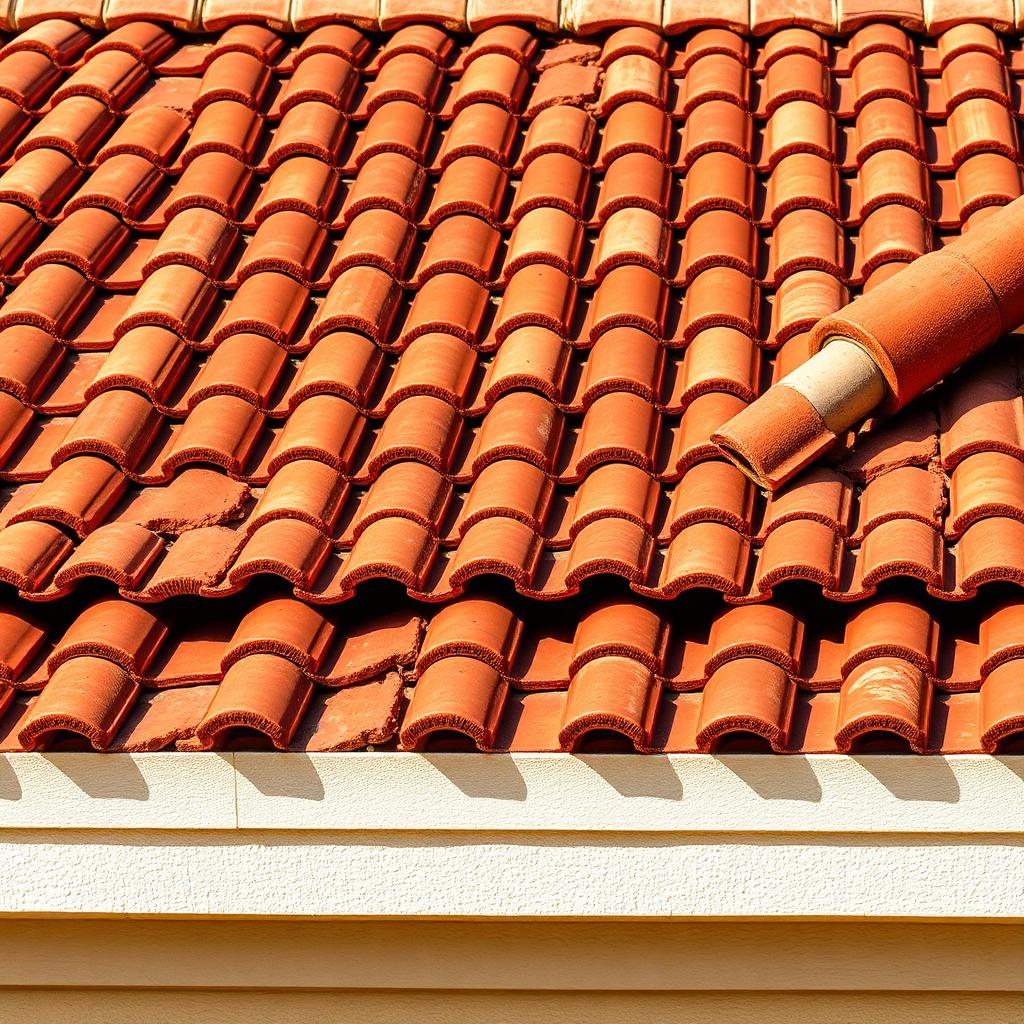
Clay tile roofing represents one of humanity's oldest building materials, with examples still intact after centuries of service. From ancient Mediterranean villas to modern California estates, clay tiles offer unmatched beauty, exceptional durability, and proven performance that continues attracting homeowners seeking the finest roofing available. This comprehensive guide explores everything you need to know about clay tile roofing.
The History and Heritage of Clay Tiles
Clay tiles have protected buildings for over 10,000 years, making them one of the most time-tested roofing materials in existence. The technology developed independently across multiple civilizations, from ancient China to Rome to the Middle East, demonstrating the universal appeal of this remarkable material.
Historical Milestones:: - 10,000 BCE: Earliest known clay tile fragments in China - 4,000 BCE: Widespread use throughout Mediterranean civilizations - 800 BCE: Greek temples feature terra cotta tile roofs - 100 CE: Roman Empire standardizes tile production methods - 1500 CE: Spanish colonizers introduce tiles to the Americas - 1900 CE: Concrete tile alternatives developed
The longevity of historical clay tile installations demonstrates the material's remarkable durability. Many European churches and castles retain their original clay tiles after 500+ years of service—an accomplishment no modern roofing material can match.
Understanding Clay Tile Types
Modern clay tiles come in numerous profiles, each offering distinct aesthetic and performance characteristics.
Spanish (S-Tile) Profile
The iconic curved Spanish tile (also called barrel tile or S-tile) features alternating convex and concave curves that interlock to create a distinctive rolling pattern. This profile became synonymous with Mediterranean, Spanish Colonial, and Mission architectural styles.
Characteristics:: - Dramatic shadow lines and dimensional appearance - Excellent water channeling capacity - Higher weight than flat profiles - Requires specialized installation techniques - Works best on roof pitches 4:12 or steeper
Mission (Barrel) Profile
Similar to Spanish tiles but with slightly different curve geometry, Mission tiles often feature a more pronounced barrel shape. These tiles are particularly popular in Southwestern architecture and coastal California.
Flat (Interlocking) Profile
Flat clay tiles offer a more subtle, refined appearance suitable for contemporary and European-inspired architecture. They typically feature interlocking designs that simplify installation and improve wind resistance.
Characteristics:: - Sleek, modern aesthetic - Lower profile than curved tiles - Often lighter weight per square - Better suited for lower pitches - More options for color and texture
French (Shingle) Profile
French-style tiles combine aspects of flat and curved profiles, creating an elegant appearance popular in French Provincial and Tudor architecture. Their distinctive shape provides visual interest without the dramatic curves of Spanish tiles.
Pantile Profile
Pantiles feature an S-shaped cross-section that creates a wavy appearance across the roof surface. Popular in Northern European architecture, they offer excellent drainage and distinctive character.
Benefits of Clay Tile Roofing
Clay tiles offer numerous advantages that justify their premium price point for homeowners seeking the best available roofing.
Exceptional Longevity
The primary advantage of clay tiles is their remarkable lifespan. Quality clay tile roofs routinely last 75-100+ years with proper installation and minimal maintenance. Many manufacturers now offer 50-year warranties, though actual service life typically far exceeds warranty periods.
Durability Factors:: - Clay doesn't rot, rust, or deteriorate like organic materials - Color is integral (fired into the clay), so it won't fade - Impervious to insect damage - Resistant to salt air corrosion - Maintains structural integrity through centuries of thermal cycling
Unmatched Aesthetics
Nothing replicates the warm, organic beauty of genuine clay tiles. The natural material exhibits subtle color variations, texture, and character impossible to achieve with synthetic alternatives. Clay tiles enhance architectural style and significantly boost curb appeal.
Visual Benefits:: - Natural color depth and variation - Ages gracefully with beautiful patina - Available in hundreds of colors and profiles - Complements high-end architecture - Increases perceived home value
Environmental Sustainability
Clay represents one of the most environmentally responsible roofing choices available.
Sustainability Features:: - Made from abundant natural clay (earth) - Fully recyclable at end of life - No toxic manufacturing processes - Long lifespan reduces replacement waste - Reduces cooling energy through natural ventilation - Contains no petroleum products
Superior Performance
Beyond aesthetics and longevity, clay tiles deliver excellent functional performance.
Performance Advantages:: - Class A fire rating (non-combustible) - Excellent wind resistance when properly installed - Natural thermal mass regulates temperature - Breathable underlayment systems prevent moisture buildup - Withstands freeze-thaw cycling in cold climates
Clay Tile Costs and Considerations
The exceptional benefits of clay tile roofing come with correspondingly premium costs that homeowners must carefully evaluate.
Material Costs
Clay tile material costs vary significantly based on profile, manufacturer, and region:
| Tile Type | Cost Per Square (Materials) |
|---|---|
| Basic Flat Tiles | $600-$900 |
| Standard S-Tiles | $800-$1,200 |
| Premium Profiles | $1,000-$1,500 |
| Hand-Formed/Artisan | $1,500-$3,000+ |
Installation Costs
Installation of clay tiles requires specialized skills and typically costs more than standard roofing materials:
| Component | Cost Range |
|---|---|
| Underlayment System | $100-$200 per square |
| Installation Labor | $400-$800 per square |
| Battens/Deck Prep | $100-$200 per square |
| Flashing (Premium) | $50-$100 per square |
| **Total Installed** | **$1,250-$2,300 per square** |
For a 2,500 square foot roof (25 squares), total clay tile installation typically ranges from $31,000 to $57,000—significantly more than asphalt alternatives but potentially less than natural slate.
Structural Considerations
Clay tiles weigh substantially more than other roofing materials, requiring careful structural evaluation:
Weight Comparison (per square):: - Asphalt Shingles: 200-400 pounds - Concrete Tiles: 600-1,100 pounds - Clay Tiles: 600-1,500 pounds - Natural Slate: 800-1,500 pounds
Homes not originally designed for tile roofs may require structural reinforcement before installation. A professional inspection should assess roof framing capacity before specifying clay tiles.
Climate Suitability and Regional Considerations
Clay tiles perform excellently in most climates but require specific considerations in different regions.
Hot, Dry Climates (Southwest, Mediterranean)
This is clay tile's natural environment—the material excels here: - Natural thermal mass keeps homes cooler - Colors won't fade in intense UV exposure - No moisture-related deterioration concerns - Barrel profiles allow air circulation beneath tiles - Matches regional architectural traditions
Hot, Humid Climates (Southeast, Gulf Coast)
Clay tiles perform well but require attention to: - Algae and moss growth potential (more common on north slopes) - Hurricane wind resistance (mechanical fastening essential) - Proper underlayment to handle driven rain - Ventilation to prevent moisture accumulation
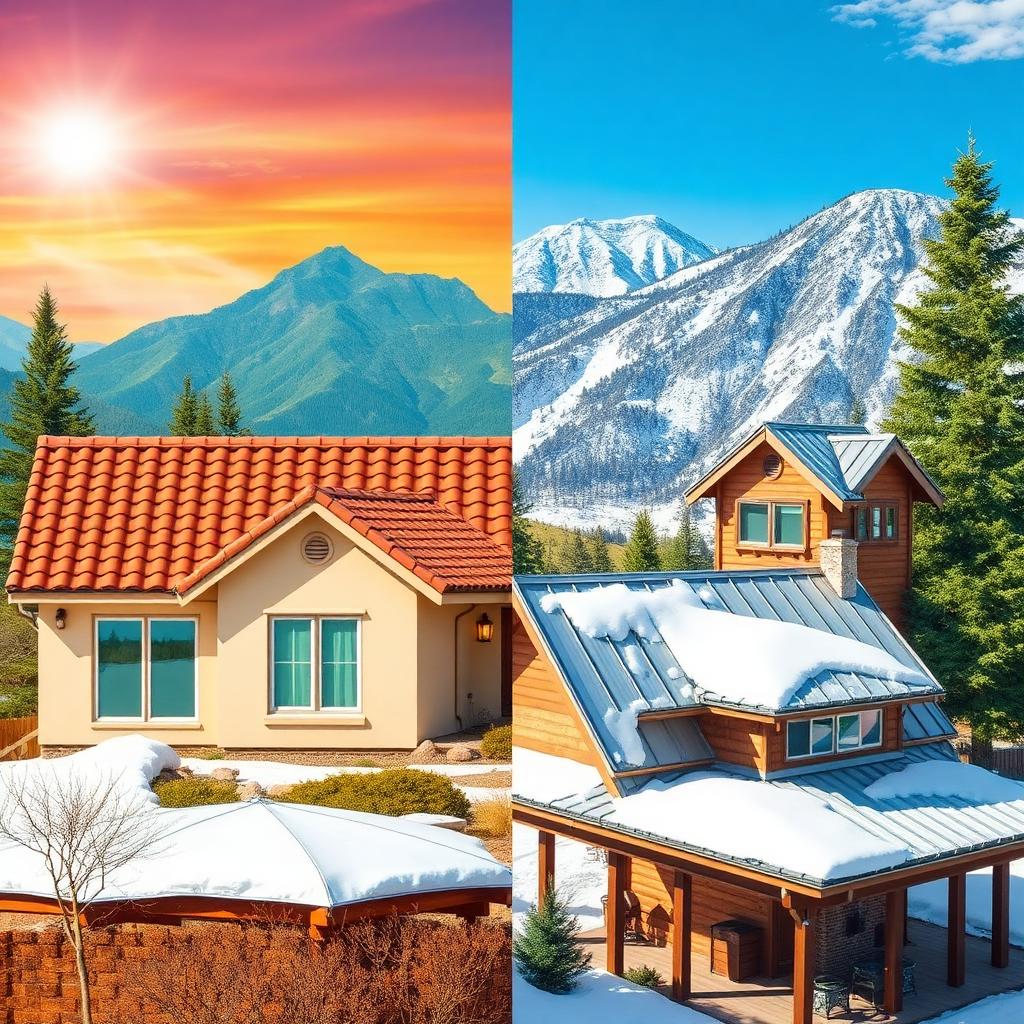
Cold Climates (Northeast, Midwest, Mountains)
Clay tiles can perform in cold climates with proper installation: - Use frost-resistant tiles rated for freeze-thaw cycles - Install with ice and water shield underlayment - Ensure proper ventilation to prevent ice dams - Select flat profiles over barrel tiles for snow shedding - Consider higher-pitched roofs for snow slide
Coastal Environments
Clay tiles resist salt air corrosion far better than metal alternatives: - Impervious to salt spray damage - Non-corroding fasteners essential (stainless steel) - Wind resistance critical—mechanical fastening required - Consider impact-rated tiles in hurricane zones
Installation Requirements and Best Practices
Proper clay tile installation demands specialized expertise and specific techniques.
Underlayment Systems
Modern clay tile installations use sophisticated underlayment systems:
Standard Approach:: 1. Roof deck preparation and repairs 2. Self-adhering membrane at eaves, valleys, and penetrations 3. Breathable synthetic underlayment over remaining area 4. Batten system for tile attachment 5. Counter-battens for enhanced ventilation (optional)
Enhanced Systems:: - Full self-adhering membrane for coastal/high-wind areas - Elevated batten systems for additional ventilation - Foam-set systems for extreme wind resistance
Attachment Methods
Clay tiles can be attached using several methods:
Nail-Only:: Traditional method using galvanized or stainless nails through pre-drilled holes. Adequate for moderate wind areas but may allow tile movement.
Hook and Nail:: Tiles hang on battens via built-in hooks while nails provide supplemental fastening. Provides excellent wind resistance for most applications.
Foam-Set:: Tiles adhered to battens using specialized roofing foam. Creates monolithic attachment meeting strictest wind requirements (hurricane zones).
Wire-Tie:: Copper or stainless wire secures tiles to battens through loops. Traditional method still used in high-wind and restoration applications.
Ventilation Requirements
Proper ventilation is crucial for clay tile longevity: - Intake vents at eaves (soffit vents) - Exhaust vents at or near ridge - Counter-batten systems provide additional airflow - Balanced ventilation prevents moisture condensation - Proper ventilation extends underlayment life
Maintenance and Repair
While clay tiles themselves require minimal maintenance, overall system maintenance ensures maximum longevity.
Regular Maintenance Tasks
Annual Inspections:: - Check for cracked or broken tiles - Examine flashing condition - Clear debris from valleys and gutters - Look for moss or algae growth - Verify ridge and hip tile security
Periodic Cleaning:: - Remove leaf debris and organic material - Treat moss or algae if present - Clean gutters and downspouts - Ensure drainage paths remain clear
Repair Considerations
Individual tile replacement is straightforward for experienced contractors: - Broken tiles can be replaced individually - Original tiles often available decades later - Custom matching available for discontinued patterns - Underlying damage should be addressed during repairs - Walking on tiles requires proper techniques to avoid breakage
Common Problems and Solutions
Cracked Tiles:: Usually from impact or improper installation. Replace individual tiles promptly to prevent water infiltration.
Lifted Tiles:: Often caused by inadequate fastening or wind damage. Refasten or replace affected tiles before storms.
Moss Growth:: Common on shaded slopes. Treat with appropriate moss killer and improve sunlight exposure if possible.
Flashing Failures:: The most common leak source. Quality flashing materials and installation are essential; repairs should use compatible premium materials.
Comparing Clay to Alternative Materials
Understanding how clay compares to alternatives helps homeowners make informed decisions.
Clay vs. Concrete Tiles
Concrete tiles offer similar appearance at lower cost:
| Factor | Clay Tiles | Concrete Tiles |
|---|---|---|
| Lifespan | 75-100+ years | 40-60 years |
| Weight | 600-1,500 lbs/sq | 600-1,100 lbs/sq |
| Cost | $1,200-$2,500/sq installed | $800-$1,500/sq installed |
| Color Retention | Permanent (integral) | Fades over time |
| Aesthetics | Superior depth/character | Good but less authentic |
| Freeze-Thaw | Excellent when rated | Can degrade over time |
Clay vs. Synthetic Tiles
Synthetic composites mimic tile appearance at reduced weight:
| Factor | Clay Tiles | Synthetic Tiles |
|---|---|---|
| Lifespan | 75-100+ years | 30-50 years |
| Weight | 600-1,500 lbs/sq | 150-350 lbs/sq |
| Cost | $1,200-$2,500/sq installed | $700-$1,200/sq installed |
| Authenticity | Genuine material | Simulated appearance |
| Sustainability | Excellent | Varies by material |
| Availability | Widespread | Limited in some areas |
Finding Qualified Clay Tile Contractors
Given the specialized nature of clay tile installation, selecting an experienced contractor is crucial.
Essential Qualifications:: - Extensive clay tile installation experience - Manufacturer certifications (multiple brands) - Portfolio of completed tile projects - Knowledge of local climate requirements - Proper insurance and licensing - References from tile roof customers
Questions to Ask:: - How many clay tile roofs have you installed? - Which tile manufacturers are you certified with? - What underlayment system do you recommend for my area? - How do you handle structural evaluation? - What warranty do you provide on workmanship?
Connect with qualified roofing contractors in your area who specialize in premium tile roofing installations.
Conclusion
Clay tile roofing represents the premium choice for homeowners seeking uncompromising beauty, exceptional durability, and century-spanning performance. While initial costs significantly exceed standard roofing materials, the lifetime value—encompassing longevity, aesthetics, and sustainability—justifies the investment for appropriate homes and budgets.
Carefully evaluate structural capacity, climate requirements, and budget before committing to clay tiles. Work with experienced, manufacturer-certified contractors who understand proper installation techniques for your region. With proper installation and minimal maintenance, your clay tile roof will protect and beautify your home for generations to come.