How Long Does a Metal Roof Last? Complete Lifespan Guide by Material Type

When homeowners invest in a metal roof, they're making a decision that will impact their property for generations. Understanding exactly how long different metal roofing systems last—and what factors influence their longevity—helps you make the smartest investment for your home. This comprehensive guide explores metal roof lifespans across all major material types and provides actionable insights for maximizing your roof's durability.
Metal Roofing Lifespan Overview
Metal roofing stands apart from conventional materials like asphalt shingles in one crucial aspect: longevity. While the average asphalt shingle roof lasts 15-30 years, metal roofing systems routinely exceed 50 years and can last over a century with proper maintenance.
Quick Lifespan Comparison:: | Material | Expected Lifespan | Maximum Potential | |----------|-------------------|-------------------| | Galvanized Steel | 40-60 years | 70+ years | | Galvalume Steel | 50-60 years | 75+ years | | Aluminum | 50-80 years | 100+ years | | Copper | 70-100 years | 200+ years | | Zinc | 80-100 years | 150+ years | | Stone-Coated Steel | 40-70 years | 80+ years |
These impressive lifespans make metal roofing a compelling choice for homeowners planning roof replacements or new construction projects across Texas, California, Florida, and nationwide.
Steel Roofing Lifespan
Steel roofing represents the most common metal roofing choice due to its balance of performance, cost, and availability. However, not all steel roofing is created equal.
Galvanized Steel (40-60 Years)
Galvanized steel features a zinc coating that protects the underlying steel from corrosion. This traditional coating method has protected buildings for over a century.
Factors Affecting Galvanized Steel Longevity:: - Coating thickness (measured in G-ratings: G60, G90, etc.) - Paint or finish system quality - Environmental exposure conditions - Installation quality and fastener selection
In coastal areas like Florida, Texas Gulf Coast, and California coastlines, galvanized steel faces accelerated corrosion challenges that can reduce lifespan without proper finish coatings.
Galvalume Steel (50-60 Years)
Galvalume combines zinc and aluminum (55% aluminum, 43.4% zinc, 1.6% silicon) for enhanced corrosion resistance. This coating outperforms pure galvanizing in most environments.
Galvalume Advantages:: - Superior cut-edge protection - Better heat reflectivity - Enhanced corrosion resistance in most climates - Consistent weathering appearance
Galvalume is particularly popular with roofing contractors in the Southwest and Southeast due to its excellent performance in hot, humid conditions.
Stone-Coated Steel (40-70 Years)
Stone-coated steel combines a steel base with acrylic-bonded stone granules, creating a product that looks like tile or shakes but performs like metal.
Lifespan Considerations:: - Granule adhesion quality affects long-term appearance - Base metal gauge impacts structural durability - Higher-quality products approach 70-year lifespans - Popular in Arizona and Nevada for tile aesthetics with metal durability
Aluminum Roofing Lifespan (50-80+ Years)
Aluminum offers exceptional longevity, particularly in challenging environments where steel might struggle.
Why Aluminum Lasts Longer
Corrosion Immunity:: Unlike steel, aluminum doesn't rust. It forms a protective oxide layer that prevents further corrosion, making it ideal for coastal and industrial environments.
Lightweight Durability:: Aluminum weighs about half as much as steel, reducing structural stress while maintaining excellent impact resistance.
No Protective Coating Required:: While paint adds aesthetics and UV protection, aluminum doesn't depend on coatings for corrosion resistance.
Ideal Applications for Aluminum
Aluminum excels in specific environments: - Coastal properties in Florida, South Carolina, Georgia - Salt air exposure zones - Industrial areas with corrosive atmospheres - Historic renovation projects requiring lightweight materials - Commercial buildings in corrosive environments
For homes near salt water in places like Miami, aluminum often provides the best long-term value despite higher initial costs.
Copper Roofing Lifespan (70-100+ Years)
Copper represents the premium choice for metal roofing, with documented examples lasting over 200 years on historic buildings throughout Europe and America.
The Patina Process
Copper's famous green patina develops through natural oxidation:
Year 1-7:: Bright copper darkens to bronze Year 7-20: Bronze transitions to dark brown Year 20+: Green patina develops fully
This patina isn't just beautiful—it's a protective layer that shields the underlying copper from further corrosion. Once developed, the patina stabilizes and provides centuries of protection.
Copper Applications
Residential Uses:: - Accent roofing (dormers, cupolas, bays) - Historic home restoration - High-end custom homes - Architectural statements
Commercial Uses:: - Churches and institutional buildings - Historic preservation projects - Civic buildings and landmarks
Copper is particularly valued by historic preservation specialists in New York, Massachusetts, and Pennsylvania.
Cost Considerations
While copper costs significantly more than steel or aluminum, the lifecycle cost often favors copper: - Zero rust or corrosion concerns - Minimal maintenance requirements - Exceptional beauty that improves with age - Potential to outlast multiple conventional roofs
Zinc Roofing Lifespan (80-100+ Years)
Zinc roofing combines exceptional longevity with self-healing properties that make it remarkably low-maintenance.
Self-Healing Patina
Zinc develops a protective patina similar to copper, but with a unique advantage: zinc's patina actively "heals" scratches and minor damage. When scratched, the zinc forms new protective oxide layer over the damaged area.
Zinc Performance Factors
Climate Impact:: - Performs exceptionally in moderate climates - Requires attention in highly acidic environments - Excellent in coastal areas - Popular in Pacific Northwest and Northeast
Architectural Flexibility:: - Highly malleable for complex shapes - Develops attractive blue-gray patina - Available in pre-weathered finishes - Excellent for architectural details and accents
Factors That Affect Metal Roof Lifespan
Regardless of material choice, several factors significantly impact how long your metal roof will last:
Installation Quality
Critical Installation Factors:: - Proper fastener selection and spacing - Correct panel overlap and alignment - Adequate ventilation provisions - Proper flashing at all penetrations - Correct sealant application
Poor installation can reduce even premium material lifespans by 50% or more. Always work with experienced roofing contractors who specialize in metal roofing.
Climate and Environment
Challenging Conditions:: - Salt air exposure (coastal areas) - Industrial pollution - Extreme temperature variations - Heavy snowfall (Michigan, Minnesota, Colorado) - Frequent severe storms - High UV exposure (Arizona, Nevada, Texas)
Understanding your local climate's impact helps you select the right material and maintenance schedule.
Roof Design and Pitch
Roof design affects metal roof longevity: - Steeper pitches shed water and debris more effectively - Complex designs require more flashings (potential failure points) - Proper ventilation prevents condensation issues - Valley and penetration designs impact water management
Coating and Finish Systems
Paint and finish systems protect steel roofing from corrosion and UV damage:
Coating Types:: - PVDF/Kynar (50-year warranty typical): Premium fluoropolymer coating with exceptional fade and chalk resistance - SMP (30-40 year warranty typical): Silicone-modified polyester offers good value - Polyester (20-30 year warranty typical): Basic protection suitable for agricultural applications
Investing in premium coating systems, especially in sunny climates, provides significant lifespan benefits.
Maintenance Practices
Regular maintenance extends metal roof lifespan significantly:
Annual Maintenance Checklist:: - Clear debris from valleys and gutters - Inspect flashings and sealants - Check fasteners for loosening or backing out - Look for coating damage or rust spots - Trim overhanging branches - Address any issues promptly
For detailed maintenance guidance, consult our roof maintenance guide.
Comparing Metal to Other Roofing Materials
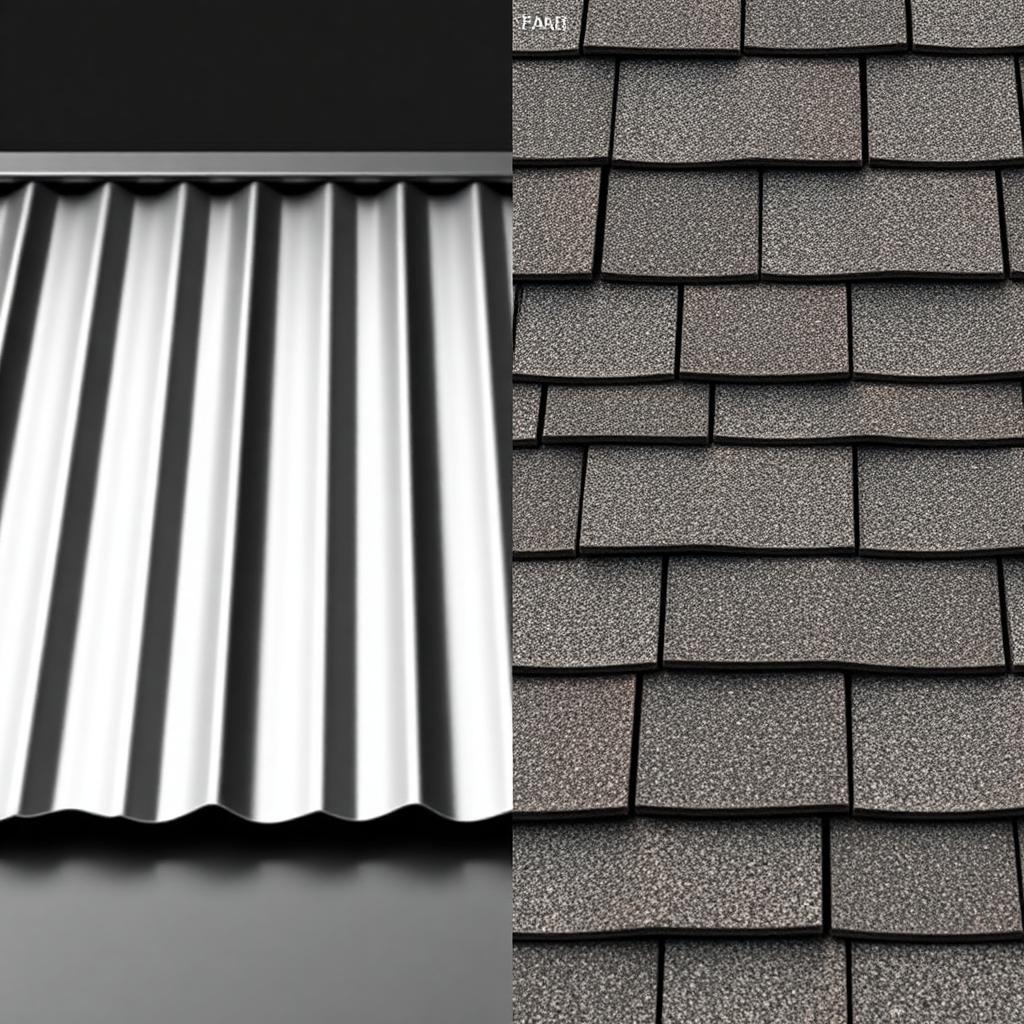
Metal vs. Asphalt Shingles
Asphalt Shingle Lifespan:: 15-30 years Metal Roofing Lifespan: 40-100+ years
Over a 50-year period, you might replace asphalt shingles 2-3 times while a quality metal roof continues performing. When factoring in replacement costs, metal often provides better lifetime value.
Metal vs. Tile
Tile Roofing Lifespan:: 50-100 years Metal Roofing Lifespan: 40-100+ years
Both materials offer excellent longevity. Key differences: - Metal weighs significantly less - Tile offers traditional aesthetics - Metal provides better impact resistance - Tile requires more structural support
Metal vs. TPO/Flat Roofing
TPO Lifespan:: 15-25 years Metal Roofing Lifespan: 40-100+ years
For low-slope applications, metal may not be suitable, making TPO and other membrane systems necessary. However, standing seam metal can work on lower slopes than traditional metal panels.
Warranty Considerations
Metal roofing warranties vary significantly by manufacturer and product line:
Typical Warranty Structure:: - Paint/Finish Warranty: 25-40 years against fading and chalking - Weathertight/Watertight Warranty: 20-50 years against leaks - Substrate Warranty: 20-lifetime against rust-through
Key Warranty Factors:: - Installer certification requirements - Coastal or industrial exclusions - Maintenance requirements - Transferability to new owners
Always read warranty fine print and ensure your roofing contractor is certified to install your chosen product.
Maximizing Your Metal Roof's Lifespan
To achieve maximum longevity from your metal roof:
Choose Quality Materials:: - Invest in appropriate gauge thickness - Select premium coating systems for your climate - Consider aluminum for coastal locations - Evaluate copper or zinc for multi-generational properties
Ensure Professional Installation:: - Hire certified, experienced metal roofing contractors - Verify proper underlayment and ventilation - Confirm correct fastener and flashing installation - Obtain manufacturer warranty registration
Maintain Regularly:: - Perform annual inspections - Address issues immediately - Keep roof clear of debris - Document maintenance for warranty compliance
Cost Analysis: Is Longer Lifespan Worth It?
Consider this comparison for a 2,500 sq. ft. roof:
Scenario A - Asphalt Shingles:: - Initial cost: $10,000-15,000 - Expected lifespan: 20 years - Replacement needed: 3 times in 60 years - Total 60-year cost: $30,000-45,000+ (plus inflation)
Scenario B - Quality Steel Roofing:: - Initial cost: $15,000-25,000 - Expected lifespan: 50+ years - Replacement needed: Once in 60 years - Total 60-year cost: $30,000-50,000
When you factor in energy savings, potential insurance discounts, and increased home value, metal roofing often provides superior long-term value.
Conclusion
Metal roofing stands as one of the wisest long-term investments homeowners can make, with lifespans ranging from 40 years for basic steel systems to over 100 years for copper and zinc. The key to maximizing this lifespan lies in selecting the right material for your environment, ensuring professional installation, and maintaining the system properly.
Whether you're considering metal roofing for a home in Dallas, Chicago, Miami, or anywhere across America, connect with experienced roofing professionals who can help you select the ideal system for your specific needs and climate conditions.
Contact local metal roofing specialists today for personalized recommendations and detailed cost estimates tailored to your property.