How Do You Calculate Pitch of a Roof? Complete Guide with Formulas & Examples

Understanding roof pitch is fundamental for any roofing project, whether you're planning a new roof installation or simply trying to estimate materials. This comprehensive guide will teach you exactly how to calculate roof pitch using multiple methods, explain why pitch matters, and help you make informed decisions about your roofing needs.
What Is Roof Pitch?
Roof pitch refers to the steepness or angle of a roof, expressed as a ratio of vertical rise to horizontal run. This measurement is crucial for determining everything from the type of roofing materials you can use to how water and snow will drain from your roof.
The most common way to express roof pitch is as a ratio, such as 4:12 or 6:12. This means for every 12 inches of horizontal distance (run), the roof rises 4 inches or 6 inches respectively. Understanding this concept is the foundation for all pitch calculations.
Roof pitch affects many aspects of your home, including attic space, drainage capability, aesthetic appeal, and even energy efficiency. Steeper pitches provide better water runoff and more attic space, while lower pitches are more economical to build and maintain.
Why Roof Pitch Matters for Your Project
Before diving into calculations, it's important to understand why accurate pitch measurement is essential:
Material Selection:: Different roofing materials have minimum pitch requirements. Asphalt shingles typically need at least a 2:12 pitch, while some metal roofing systems can be installed on nearly flat surfaces. TPO roofing and other membrane systems are ideal for low-slope applications.
Cost Estimation:: Steeper roofs require more materials and labor. Contractors in Texas, California, and across the country factor pitch into their estimates because it directly impacts installation difficulty and safety requirements.
Building Codes:: Local building codes often specify minimum pitch requirements based on climate conditions. Areas prone to heavy snowfall may require steeper pitches to prevent snow accumulation.
Insurance Considerations:: Your roof pitch can affect insurance premiums and coverage options, as certain pitches are more resistant to wind and weather damage.
The Rise Over Run Formula
The fundamental formula for calculating roof pitch is remarkably simple:
Pitch = Rise ÷ Run
Where: - Rise is the vertical distance from the roof deck to the ridge - Run is the horizontal distance from the edge to a point directly below the ridge
For a standard roof pitch expressed as X:12, you measure how many inches the roof rises for every 12 inches of horizontal run.
Step-by-Step Calculation Method
Step 1: Gather Your Tools You'll need a level (at least 12 inches long), a tape measure, and optionally a pitch gauge or smartphone app. Safety equipment is essential if you're measuring from the roof itself.
Step 2: Position Your Level Place your level horizontally against the roof surface. Using a 12-inch level makes calculations easier since you're already measuring in the standard 12-inch run.
Step 3: Measure the Rise With one end of the level touching the roof, measure the vertical distance from the other end of the level down to the roof surface. This is your rise.
Step 4: Express the Pitch If your rise measurement is 6 inches over a 12-inch run, your roof pitch is 6:12 (often written as 6/12 or simply "6 pitch").
Calculating Pitch from Inside the Attic
One of the safest methods for measuring roof pitch is from inside your attic. This approach eliminates the need to climb on the roof and provides accurate measurements.
From the Attic Method:
- Locate a rafter that runs from the ridge to the wall plate
- Hold your level against the bottom of the rafter, ensuring it's perfectly horizontal
- Measure 12 inches along the level from where it touches the rafter
- From that 12-inch mark, measure vertically up to the rafter
- This measurement is your roof pitch per 12 inches of run
This method works well for most residential homes and is particularly useful when planning roof repairs or renovations.
Converting Pitch to Degrees
Sometimes you need to express roof pitch as an angle in degrees rather than a ratio. This is common when working with architects, engineers, or when using certain software tools.
Conversion Formula:: Pitch Angle (degrees) = arctan(rise/run) × (180/π)
Or use this quick reference: - 2:12 pitch = 9.46 degrees - 4:12 pitch = 18.43 degrees - 6:12 pitch = 26.57 degrees - 8:12 pitch = 33.69 degrees - 10:12 pitch = 39.81 degrees - 12:12 pitch = 45 degrees
For homeowners in Florida or Georgia, where hurricane-resistant construction is important, understanding pitch angles helps when discussing wind resistance ratings with contractors.
Common Roof Pitch Categories
Roofs are generally categorized into three main groups based on their pitch:
Low-Slope Roofs (Less than 3:12) These roofs appear nearly flat and require special waterproofing materials like TPO, EPDM, or built-up roofing. They're common in commercial buildings and modern residential architecture.
Characteristics:: - Require membrane roofing systems - Need additional waterproofing considerations - Often more economical to construct - Popular in dry climates like Arizona and Nevada
Conventional Roofs (3:12 to 9:12) Most residential homes fall into this category. These pitches accommodate a wide range of roofing materials including asphalt shingles, metal roofing, wood shakes, and tile.
Characteristics:: - Suitable for most roofing materials - Good balance of drainage and walkability - Standard for most home constructions - Common in Texas, Ohio, and Michigan
Steep-Slope Roofs (Greater than 9:12) These dramatic roofs are often found in Victorian, Gothic, and A-frame architecture. They provide excellent drainage but require special safety equipment for installation and maintenance.
Characteristics:: - Exceptional drainage capabilities - Maximum attic space - Require specialized installation techniques - Higher material and labor costs
Calculating Roof Area Using Pitch
Once you know your roof pitch, you can calculate the actual roof area for material ordering. This is crucial for accurate cost estimates from roofing contractors.
Pitch Multiplier Table:: | Pitch | Multiplier | |-------|------------| | 3:12 | 1.031 | | 4:12 | 1.054 | | 5:12 | 1.083 | | 6:12 | 1.118 | | 7:12 | 1.158 | | 8:12 | 1.202 | | 9:12 | 1.250 | | 10:12 | 1.302 | | 12:12 | 1.414 |
Calculation Method:: 1. Measure the footprint area of your roof (length × width as seen from above) 2. Multiply by the pitch factor from the table 3. Add 10-15% for waste, valleys, and overlaps
For example, a 2,000 square foot footprint with a 6:12 pitch: 2,000 × 1.118 = 2,236 square feet of actual roof surface
Digital Tools and Apps for Pitch Calculation
Modern technology offers several convenient ways to calculate roof pitch without climbing on your roof:
Smartphone Apps:: Many free and paid apps use your phone's accelerometer to measure pitch when placed against the roof surface or a rafter.
Satellite Imagery:: Services like Google Earth Pro allow you to measure roof dimensions and estimate pitch from aerial imagery.
Drone Surveys:: Professional roofing companies increasingly use drones to measure roof dimensions and pitch accurately.
Laser Measuring Tools:: Digital measuring devices can calculate angles and distances with high precision.
Pitch Considerations for Different Climates
Your local climate should influence roof pitch decisions:
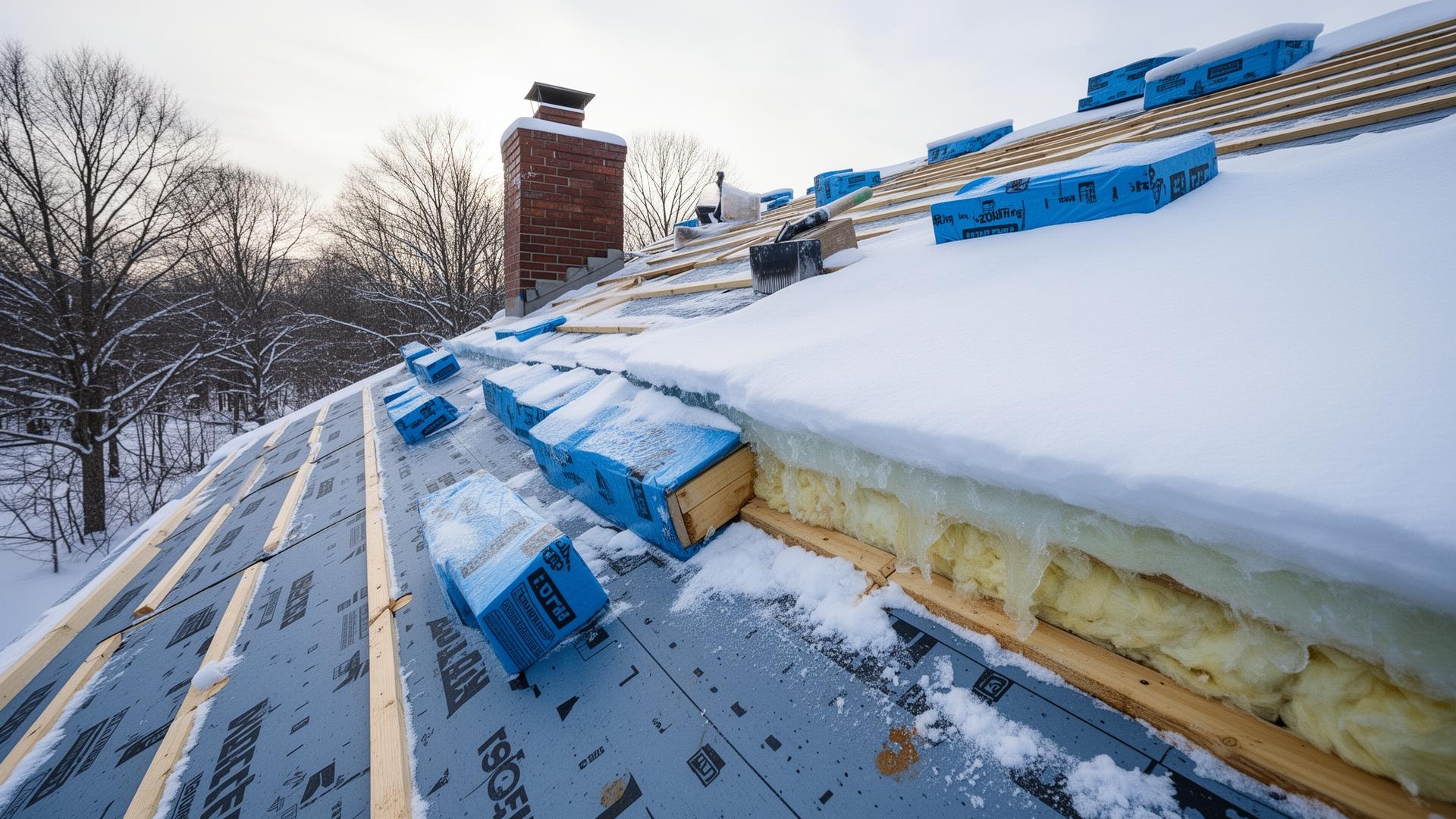
Heavy Snow Regions ([Michigan](/state/michigan), [Minnesota](/state/minnesota), [Colorado](/state/colorado)):: Steeper pitches (6:12 or greater) help snow slide off naturally, preventing dangerous accumulation and ice dams.
Hurricane-Prone Areas ([Florida](/state/florida), [Louisiana](/state/louisiana), [Texas Coast](/city/houston-texas)):: Moderate pitches (4:12 to 6:12) often perform best, as very steep roofs can catch wind like a sail during storms.
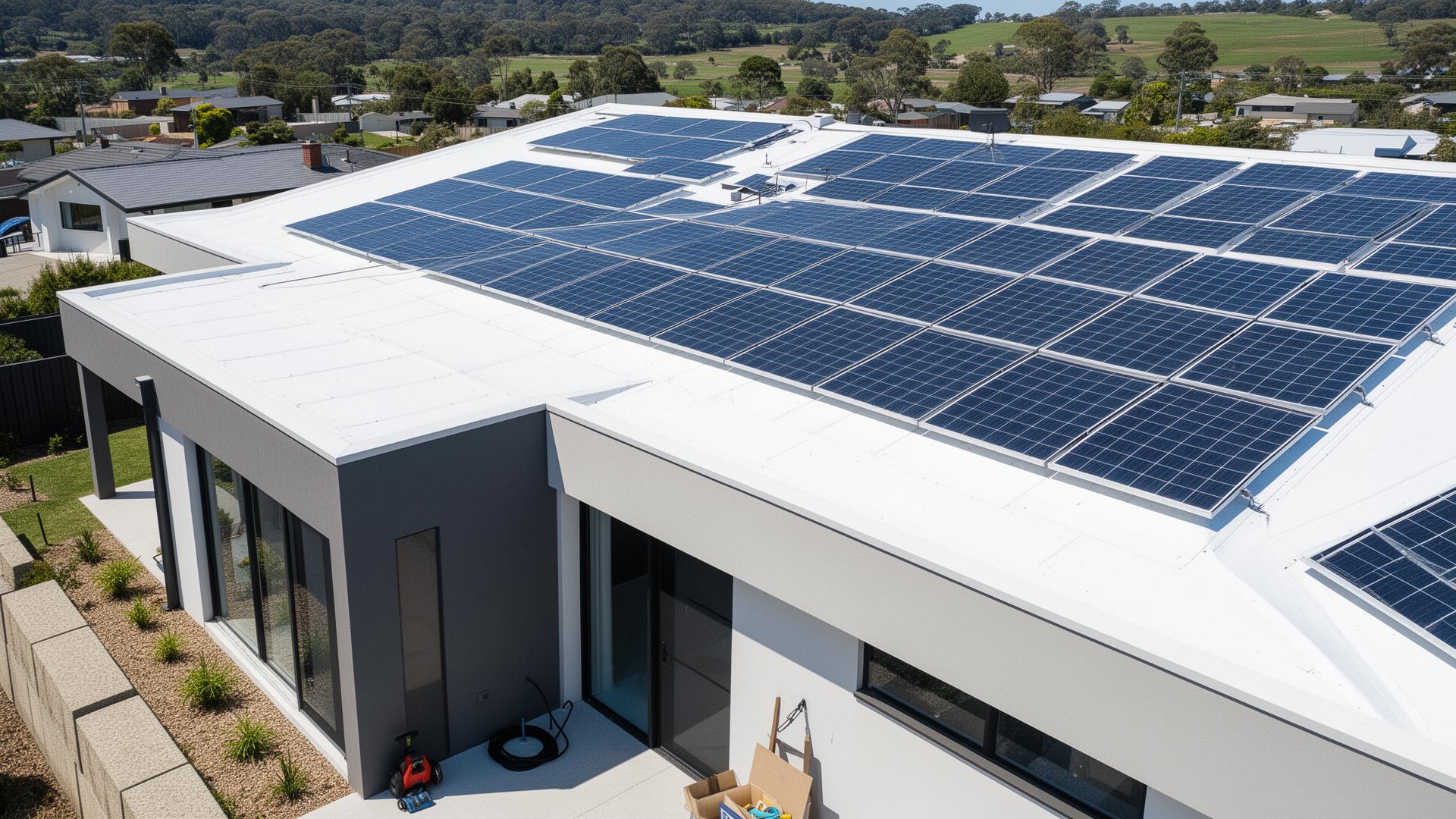
Hot, Dry Climates ([Arizona](/state/arizona), [New Mexico](/state/new-mexico)):: Lower pitches are common and can support flat roof designs that work well with cooling systems and solar panels.
Working with Roofing Contractors
When discussing your project with local roofing professionals, understanding pitch terminology helps ensure clear communication:
Questions to Ask:: - What pitch is my current roof? - Are there minimum pitch requirements for my desired roofing material? - How does my roof pitch affect the project cost? - Do you have experience with my roof's pitch level?
Professional contractors in Chicago, Dallas, Los Angeles, and other major cities can provide accurate pitch measurements during their initial inspection.
Common Mistakes to Avoid
Measuring at the Wrong Location:: Roof pitch can vary on complex roofs. Measure each section separately if your roof has multiple slopes.
Confusing Pitch with Slope:: While often used interchangeably, slope is technically the angle in degrees, while pitch is the ratio.
Ignoring Safety:: Never attempt to measure roof pitch from the exterior without proper safety equipment and fall protection.
Not Accounting for Existing Layers:: If measuring for a roof replacement, remember that existing shingles may slightly alter measurements.
Conclusion
Calculating roof pitch is a fundamental skill that empowers homeowners to better understand their roofing needs, communicate effectively with contractors, and make informed decisions about materials and repairs. Whether you're planning a complete roof replacement, exploring metal roofing options, or simply curious about your home's construction, understanding pitch calculation gives you valuable insight.
For accurate assessments and professional guidance, connect with certified roofing contractors in your area who can evaluate your specific situation and provide expert recommendations tailored to your home and climate.