Wood Shake and Shingle Roofing: A Complete Guide to Natural Wood Roofs
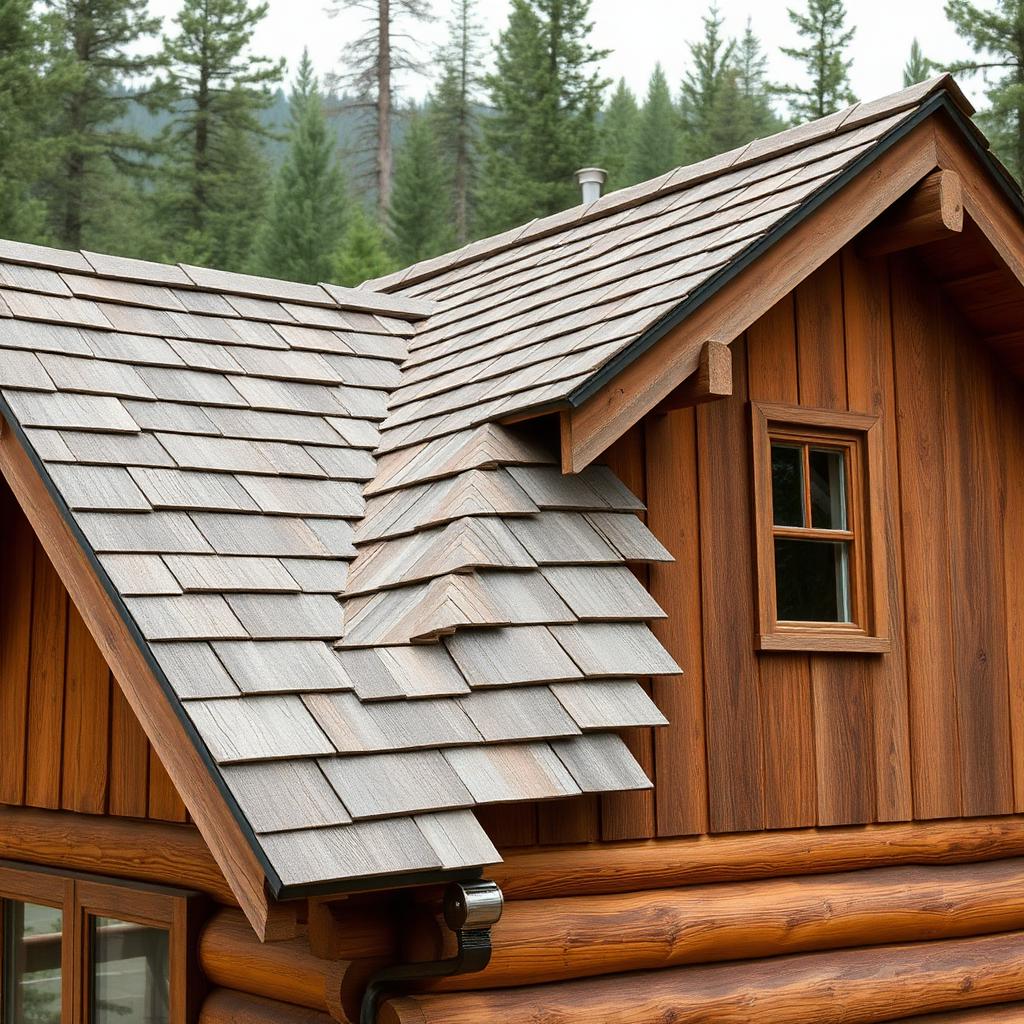
Wood shake and shingle roofing offers natural beauty and character that no manufactured product can replicate. For centuries, wood has protected homes across North America, developing distinctive silver-gray patinas and organic charm that many homeowners find irresistible. However, wood roofing also requires understanding of its unique characteristics, maintenance needs, and fire safety considerations. This comprehensive guide explores everything you need to know about wood roofing.
Understanding Wood Roofing Products
Wood roofing comes in two primary forms—shakes and shingles—each with distinct manufacturing processes and visual characteristics.
Wood Shingles
Wood shingles are machine-cut from wood blocks, producing uniform thickness and smooth surfaces on both sides.
Characteristics:: - Smooth, consistent thickness - Precise dimensions and taper - Clean, refined appearance - Easier installation than shakes - Lower profile on the roof
Grading:: - No. 1 Blue Label: 100% heartwood, clear (no defects) - No. 2 Red Label: Flat grain permitted, limited sapwood - No. 3 Black Label: Utility grade, more defects allowed
Wood Shakes
Shakes are split from wood blocks either by hand or machine, creating thicker products with at least one natural textured face.
Types:: - Handsplit and Resawn: Split on one face, sawn smooth on the other - Taper Split: Hand-split on both faces, creating rustic texture - Straight Split: Uniform thickness, heavy texture
Characteristics:: - Thicker than shingles (3/8" to 1-1/4") - Dramatic shadow lines - Rustic, informal appearance - More pronounced aging character - Higher wind resistance
Wood Species for Roofing
Several wood species are suitable for roofing, each offering different characteristics and price points.
Western Red Cedar
The most popular wood roofing material, prized for natural preservatives and dimensional stability.
Advantages:: - Natural decay resistance from plicatic acid - Excellent dimensional stability - Beautiful color (weathers to silver-gray) - Relatively lightweight - Good insulation properties
Specifications:: - Lifespan: 25-40 years (varies significantly) - Weight: 280-350 lbs per square - Fire rating: Class C (untreated)
Alaskan Yellow Cedar
Premium alternative to Western Red Cedar with enhanced durability.
Advantages:: - Superior decay resistance - Denser than Western Red Cedar - Excellent dimensional stability - Longer lifespan potential - Fine, even grain
Considerations:: - Higher cost (50-100% more than red cedar) - Limited availability - Heavier weight
Eastern White Cedar
Common in northeastern applications, offering good performance at moderate cost.
Advantages:: - Good natural decay resistance - Affordable pricing - Local availability in northeast - Traditional appearance
Considerations:: - Not as durable as western species - May require more maintenance - Shorter typical lifespan
Treated Pine
Southern Yellow Pine treated with preservatives for decay and fire resistance.
Advantages:: - Lower material cost - Good availability - Can achieve Class A fire rating - Consistent quality
Considerations:: - Requires chemical treatment - Less natural appearance - Treatment may affect aging character
Wood Roofing Costs
Wood roofing falls in the upper-mid range of roofing material costs.
Material Costs
| Product | Cost Per Square |
|---|---|
| No. 2 Cedar Shingles | $200-$350 |
| No. 1 Cedar Shingles | $300-$450 |
| Cedar Shakes (Handsplit) | $400-$600 |
| Alaskan Yellow Cedar | $500-$800 |
| Fire-Treated Products | +$50-$150/square |
Installation Costs
| Component | Cost Per Square |
|---|---|
| Labor (Shingles) | $200-$400 |
| Labor (Shakes) | $300-$500 |
| Underlayment | $50-$100 |
| Specialized Ventilation | $50-$100 |
| **Total Shingles Installed** | **$500-$950/sq** |
| **Total Shakes Installed** | **$800-$1,300/sq** |
Total Project Costs
For a 2,000 square foot roof (20 squares): - Cedar Shingles: $10,000-$19,000 - Cedar Shakes: $16,000-$26,000 - Alaskan Yellow Cedar: $20,000-$32,000
Benefits of Wood Roofing
Wood roofing offers unique advantages that attract homeowners despite higher maintenance requirements.
Natural Beauty
No manufactured product replicates genuine wood's organic character:
Visual Appeal:: - Natural color variation and grain patterns - Developing silver-gray patina with age - Dimensional texture and shadow lines - Organic integration with natural surroundings
Architectural Compatibility:: - Ideal for Craftsman, rustic, and traditional architecture - Complements natural landscaping - Enhances mountain, coastal, and woodland settings
Excellent Insulation
Wood provides natural thermal insulation superior to most roofing materials:
R-Value:: Wood shingles and shakes provide R-values of 0.87-0.94 per inch—significantly higher than asphalt, metal, or tile. Combined with proper attic insulation, wood roofs contribute to energy efficiency.
Lightweight Option
Wood roofing weighs less than tile, slate, or some metal options:
Structural Benefit:: At 280-400 pounds per square, wood rarely requires structural reinforcement. This simplifies installation and reduces overall project costs.
Wind Performance
Thick wood shakes resist wind uplift effectively:
Wind Resistance:: Properly installed shakes withstand winds of 110-130 mph. The interlocking texture and weight provide inherent wind resistance.
Challenges and Considerations
Wood roofing demands understanding of its unique challenges.
Fire Concerns
Fire risk represents the most significant wood roofing consideration:
Fire Rating Categories:: - Class C: Untreated wood—provides limited fire resistance - Class B: Moderately treated—improved fire resistance - Class A: Heavily treated—maximum fire resistance
Fire-Treated Options:: Modern fire-retardant treatments can achieve Class A ratings while maintaining wood appearance. Treatments include: - Pressure-impregnated fire retardants - Applied fire-retardant coatings - Polymer-modified treatments
Local Codes:: Many jurisdictions restrict or prohibit untreated wood roofing in wildfire-prone areas. Verify local requirements before specification.
Maintenance Requirements
Wood roofs require more maintenance than alternative materials:
Annual Tasks:: - Remove debris (leaves, needles, branches) - Clear moss, algae, and lichen growth - Check for damaged or curled shingles - Ensure proper ventilation
Periodic Tasks (every 3-5 years):: - Professional inspection - Treatment application (preservative, fire retardant) - Repair or replacement of damaged sections
Moisture and Decay
Despite natural rot resistance, wood remains vulnerable to decay:
Risk Factors:: - Inadequate ventilation - Debris accumulation holding moisture - Shaded roof sections - Poor original installation
Prevention:: - Proper attic ventilation - Regular debris removal - Moss prevention treatments - Adequate shingle spacing
Lifespan Variability
Wood roof lifespan varies dramatically based on conditions:
Factors Affecting Longevity:: - Climate (humidity, rainfall, temperature extremes) - Shade/sun exposure - Installation quality - Maintenance consistency - Wood quality and species
Typical Lifespans:: - Excellent conditions (dry climate, maintained): 35-50 years - Good conditions (moderate climate, maintained): 25-35 years - Challenging conditions (humid, shaded): 15-25 years - Poor conditions (neglected): 10-20 years
Installation Best Practices
Proper installation significantly affects wood roofing longevity.
Underlayment Requirements
Shingles:: Standard felt or synthetic underlayment over entire deck provides moisture protection without trapping humidity.
Shakes:: Require "interlay" between courses—felt or synthetic strips extending from course butt to above shake headlap. This creates drainage channels while allowing shake breathing.
Spacing Requirements
Critical for Longevity:: Wood expands when wet and shrinks when dry. Proper spacing between shingles/shakes (typically 1/4" to 3/8") allows expansion without buckling and promotes drying.
Exposure and Coverage
Shingles:: Maximum exposure varies by length: 16" shingles = 5" exposure; 18" shingles = 5-1/2" exposure; 24" shingles = 7-1/2" exposure.
Shakes:: Generally 10" maximum exposure for 24" shakes; adjust based on pitch and local conditions.
Ventilation Integration
Essential Requirement:: Wood roofs require excellent ventilation to promote drying. Standard soffit-to-ridge ventilation should meet or exceed 1:150 ratio.
Enhanced Systems:: Consider batten systems that create airspace beneath shakes, promoting faster drying and extended lifespan.
Fastener Selection
Stainless Steel:: Recommended for coastal and humid environments. Eliminates corrosion staining and failure.
Hot-Dipped Galvanized:: Acceptable for most environments. Ensure proper galvanization thickness.
Copper:: Traditional option, excellent durability but higher cost.
Avoid:: Electroplated nails, aluminum, and plain steel—all fail prematurely in wood roofing applications.
Maintenance and Care
Consistent maintenance dramatically extends wood roof life.
Annual Maintenance Checklist
Spring:: - Remove winter debris accumulation - Inspect for storm damage - Check gutters and downspouts - Treat any moss or algae growth
Fall:: - Clear fallen leaves before winter - Inspect before rain season - Ensure drainage paths are clear - Trim overhanging branches
Cleaning Practices
Debris Removal:: Blow or sweep debris regularly. Avoid power washing, which can damage wood fibers.
Moss Treatment:: Apply appropriate moss killer (zinc or copper-based). Remove dead moss gently. Consider zinc or copper ridge strips for ongoing prevention.
Algae Treatment:: Clean with appropriate solutions following manufacturer guidelines. Avoid harsh chemicals that may damage wood.
Preventive Treatments
Preservative Applications:: Every 3-5 years, consider applying wood preservative to extend lifespan. Products containing fungicides and UV inhibitors provide best results.
Fire Retardant Renewal:: If originally treated for fire resistance, periodic reapplication may be necessary (verify with product specifications).
When to Repair vs. Replace
Repair Indicators:: - Isolated damaged shingles - Localized deterioration - Storm impact damage - Less than 25% of roof affected
Replacement Indicators:: - Widespread curling or cupping - General decay throughout - Multiple leak points - Original installation age exceeded - More than 25% damaged
Geographic Considerations
Wood roofing performance varies significantly by region.
Ideal Climates
Dry, Moderate Regions:: - Pacific Northwest (inland) - Mountain West - Northern Great Plains - Upper Midwest
Wood roofs excel where they dry quickly between weather events and experience moderate temperatures.
Challenging Climates
Hot, Humid Regions:: - Gulf Coast - Southeast - Coastal areas
Constant humidity promotes decay and moss growth. Enhanced maintenance and ventilation are essential.
Extreme Cold:: - Upper Midwest - Mountain regions
Freeze-thaw cycling stresses wood. Quality installation and proper ventilation prevent ice dam damage.
Fire-Prone Regions
Wildfire Areas:: Many California, Colorado, and Pacific Northwest communities restrict or prohibit wood roofing. Where permitted, Class A fire-treated products are typically required.
Finding Qualified Contractors
Wood roofing requires specific expertise for quality results.
Contractor Qualifications
Essential Experience:: - Minimum 5 years wood roofing specific experience - Portfolio of completed wood roof projects - Understanding of regional climate requirements - Knowledge of proper spacing and ventilation
Professional Affiliations:: - Cedar Shake and Shingle Bureau (CSSB) membership - Manufacturer training and certification - Industry association membership
Questions to Ask
- How many wood roofs have you installed?
- What species and grades do you recommend for our climate?
- How do you ensure proper ventilation?
- What maintenance recommendations do you provide?
- What warranty do you offer on workmanship?
Connect with experienced roofing contractors in your area who specialize in wood roofing installations.
Conclusion
Wood shake and shingle roofing offers natural beauty and character that manufactured products cannot replicate. For homeowners who appreciate organic materials and are committed to proper maintenance, wood roofing provides a lifetime of aesthetic satisfaction.
Carefully evaluate your climate, local codes, maintenance commitment, and budget before selecting wood roofing. Work with experienced contractors who understand wood roofing's unique requirements. With proper installation and consistent care, your wood roof will develop beautiful character while protecting your home for decades.
Consider fire treatment requirements carefully, especially in wildfire-prone regions. Modern fire-treated products allow wood roofing in many areas where untreated wood is prohibited, expanding options for homeowners seeking natural materials.