Cool Roofing Materials: Energy-Efficient Options That Reduce Cooling Costs
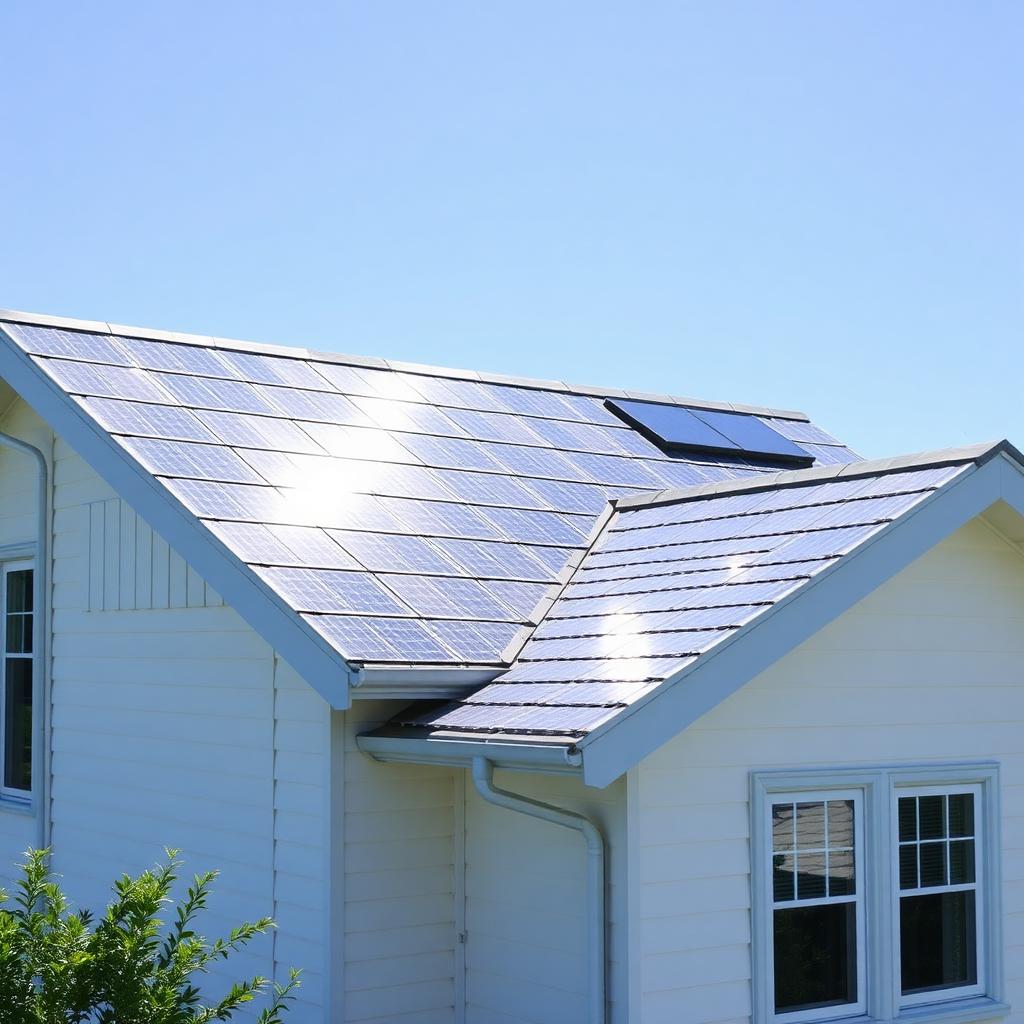
Cool roofing represents one of the most impactful energy efficiency upgrades homeowners can make, reducing air conditioning costs by 10-30% while extending roof life and improving indoor comfort. By reflecting solar radiation rather than absorbing it, cool roofs keep buildings cooler and reduce the urban heat island effect. This comprehensive guide explores cool roofing materials, benefits, and considerations.
Understanding Cool Roofing Technology
Cool roofs work through two key properties that together determine how effectively a roof rejects solar heat.
Solar Reflectance (Albedo)
Solar reflectance measures the percentage of solar energy a surface reflects. Higher reflectance means less heat absorption.
Reflectance Comparison:: - White cool roof coating: 80-90% - Light gray cool shingles: 25-40% - Standard dark shingles: 5-15% - Black EPDM membrane: 5-6%
The difference is dramatic—a white cool roof may reflect 70-80% more solar energy than a standard dark roof.
Thermal Emittance
Thermal emittance measures how efficiently a surface releases absorbed heat. Higher emittance helps roofs cool quickly after sun exposure.
Typical Values:: - Most roofing materials: 0.85-0.95 (good) - Bare metal: 0.10-0.20 (poor) - Metal with coating: 0.80-0.90 (good)
Most roofing materials have naturally high emittance; the key cool roof variable is usually reflectance.
Solar Reflectance Index (SRI)
SRI combines reflectance and emittance into a single value measuring overall cool performance:
- SRI 0: Standard black surface
- SRI 100: Standard white surface
- Higher = cooler performance
Building codes typically require SRI 75+ for steep-slope cool roofs and SRI 78+ for low-slope applications.
Cool Roofing Material Options
Cool roof technology applies to virtually every roofing material category.
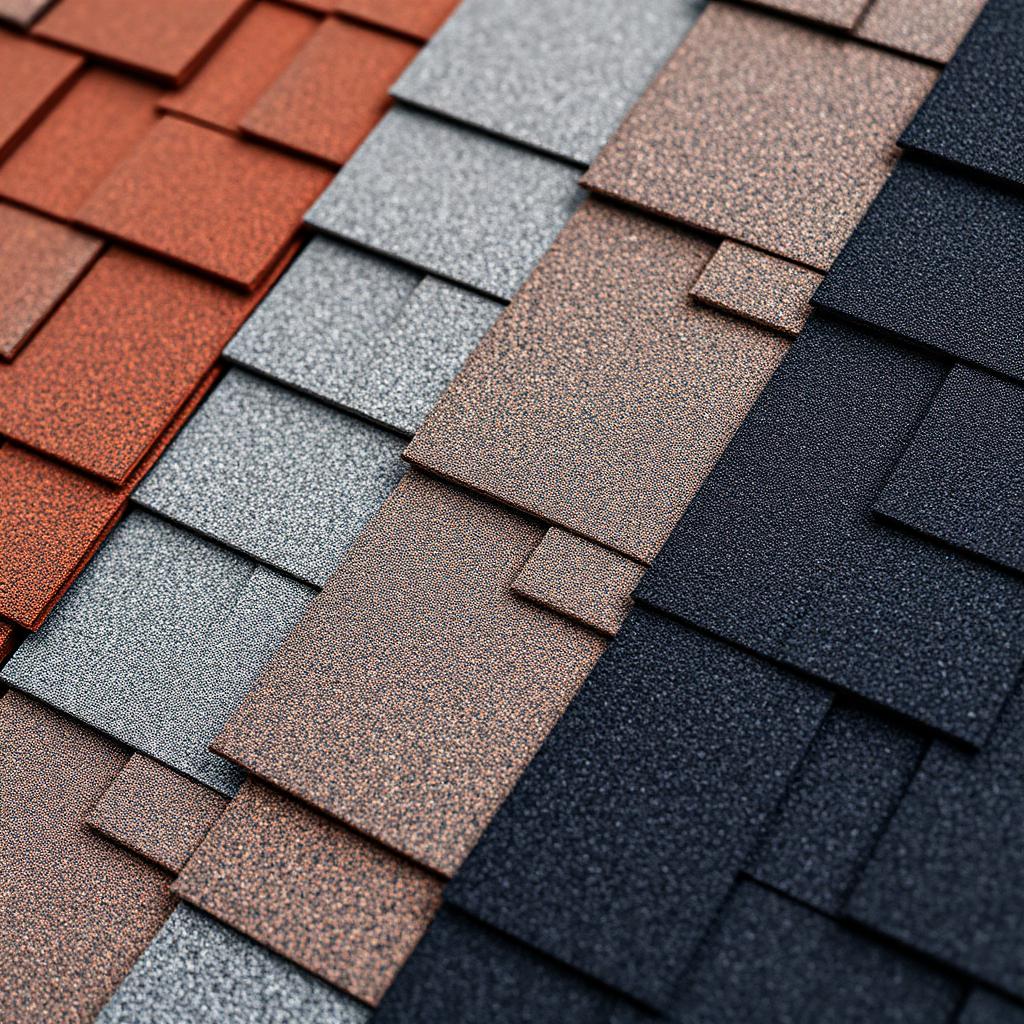
Cool Asphalt Shingles
Modern asphalt shingles incorporate cool pigments that reflect infrared radiation while maintaining desired colors.
Technology:: Cool pigments reflect invisible infrared radiation (heat) while absorbing visible light (color). This allows darker-colored shingles to achieve meaningful reflectance.
Performance:: - Cool white shingles: SRI 75-90+ - Cool light colors: SRI 25-45 - Cool dark colors: SRI 15-25 - Standard dark colors: SRI 5-15
Availability:: Most major manufacturers offer cool shingle options: - GAF Timberline Cool Series - Owens Corning Duration COOL - CertainTeed Landmark Solaris - Atlas StormMaster Shake with Scotchgard
Cost Premium:: Cool shingles typically cost 5-15% more than standard equivalents.
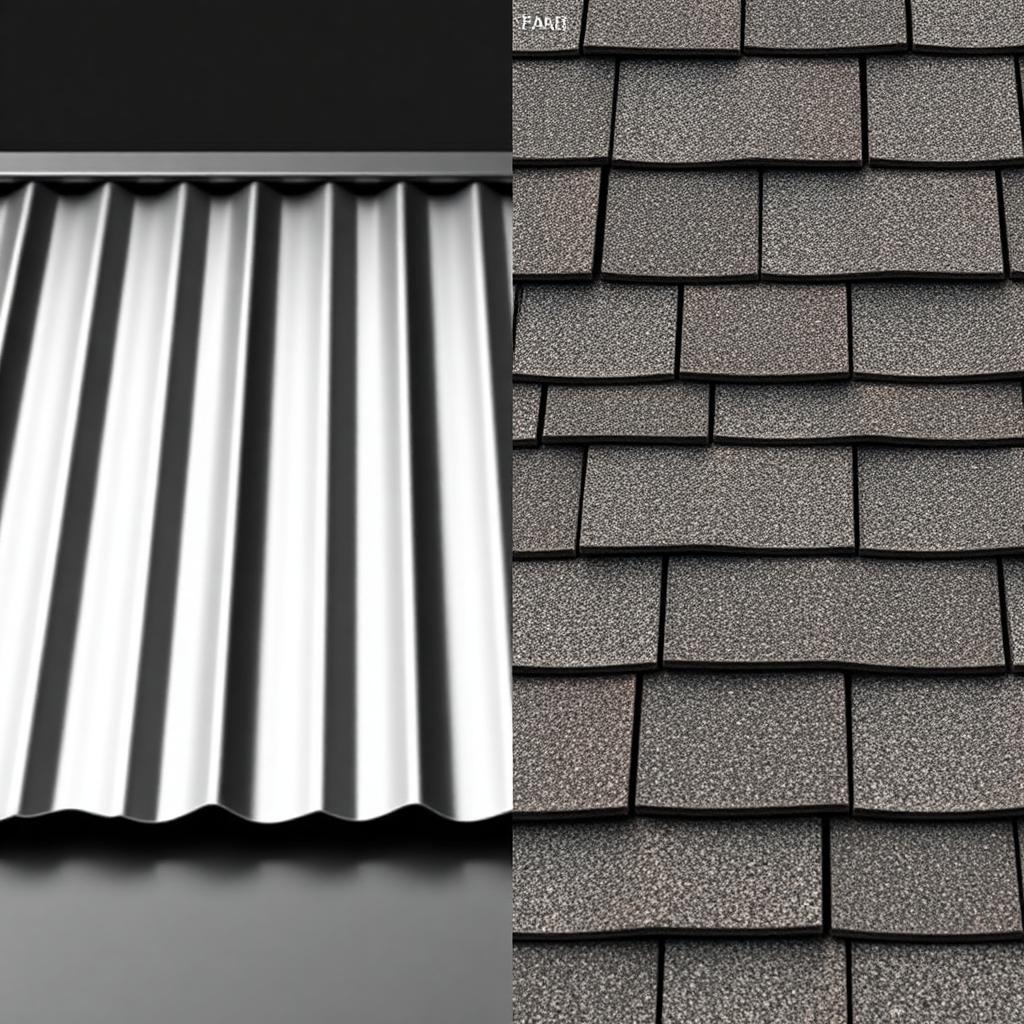
Cool Metal Roofing
Metal roofing with reflective coatings achieves excellent cool roof performance.
Coating Types:: - Factory-applied PVDF (Kynar/Hylar) - Cool pigment polyester coatings - Bare metal with clear reflective topcoat
Performance:: - White metal: SRI 80-90+ - Light colors: SRI 50-75 - Medium colors with cool pigments: SRI 30-50
Standing seam metal with cool coatings represents an excellent combination of durability and energy efficiency.
Advantages:: - Highest reflectance options available - Excellent durability - Long coating life (25+ years) - Low maintenance
Cool Tile Roofing
Both clay and concrete tiles are available with cool properties.
Cool Clay Tiles:: Natural terra cotta has moderate reflectance; white-glazed clay achieves high reflectance.
Cool Concrete Tiles:: Light-colored concrete with reflective coatings achieves SRI 75+.
Performance:: - White/light tiles: SRI 65-85 - Terra cotta: SRI 35-50 - Dark tiles: SRI 15-30
Cool Single-Ply Membranes
Flat roof membranes offer excellent cool roof options.
White TPO:: Factory white TPO achieves SRI 80+ with minimal cost premium over standard products.
White PVC:: Similar performance to TPO with excellent long-term reflectance retention.
White EPDM:: Available but less common than black EPDM; achieves good reflectance.
Cool Coatings:: Existing dark flat roofs can be converted to cool roofs with reflective coatings.
Cool Roof Coatings
Coatings offer a cost-effective way to create cool roofs on existing installations.
Coating Types:: - Acrylic (water-based, most common) - Silicone (excellent ponding water resistance) - Polyurethane (durability + insulation) - Elastomeric (flexibility and crack bridging)
Application:: Coatings are applied over existing roofing after surface preparation. Multiple coats provide thickness and durability.
Performance:: Quality white coatings achieve SRI 95+ when new; expect some decline over time due to dirt accumulation and weathering.
Cost:: $1-4 per square foot applied, depending on product and existing roof condition.
Benefits of Cool Roofing
Cool roofs provide multiple benefits beyond energy savings.
Energy Cost Reduction
The primary benefit—reduced cooling energy consumption:
Typical Savings:: - 10-30% reduction in cooling costs - Greater savings in hotter climates - Greater savings with poor insulation - Varies by building type and occupancy
Annual Savings Examples:: - Small home, moderate climate: $100-200/year - Large home, hot climate: $200-600/year - Commercial building: $1,000-10,000+/year
Extended Roof Life
Cool roofs experience less thermal stress:
Temperature Reduction:: Cool roofs may be 50-60°F cooler than dark roofs on hot days. This dramatic temperature difference reduces thermal expansion/contraction cycling that ages roofing materials.
Lifespan Extension:: Studies suggest cool roofs may last 10-25% longer than hot roofs of identical materials.
Improved Comfort
Even with air conditioning, hot roofs affect indoor comfort:
Attic Temperature:: Cool roofs reduce peak attic temperatures by 30-50°F, reducing heat transfer to living spaces.
Comfort During AC Failure:: Buildings remain more livable during power outages or AC failures with cool roofs.
Reduced Urban Heat Island Effect
Cool roofs benefit communities beyond individual buildings:
Urban Impact:: Widespread cool roof adoption reduces neighborhood temperatures, improving outdoor comfort and air quality while reducing peak electricity demand.
Community Benefits:: Lower ambient temperatures reduce smog formation and heat-related health impacts.
Environmental Benefits
Beyond direct energy savings:
Reduced Emissions:: Lower electricity consumption reduces power plant emissions including CO2 and criteria pollutants.
Peak Demand Reduction:: Cool roofs reduce afternoon electricity demand when grid stress is highest.
Climate Considerations
Cool roof benefits vary by location. Understanding climate factors guides appropriate application.
Where Cool Roofs Provide Greatest Benefit
Hot Climates:: Maximum benefit in cooling-dominated climates (Southeast, Southwest, Gulf Coast). Year-round cooling needs mean consistent energy savings.
Hot, Humid Climates:: Excellent benefit, though less dramatic than hot-dry climates due to humidity's effect on perceived temperature.
Commercial Buildings:: Internal heat gains from equipment, lighting, and occupants create cooling loads even in mild climates.
Where Benefits Are More Limited
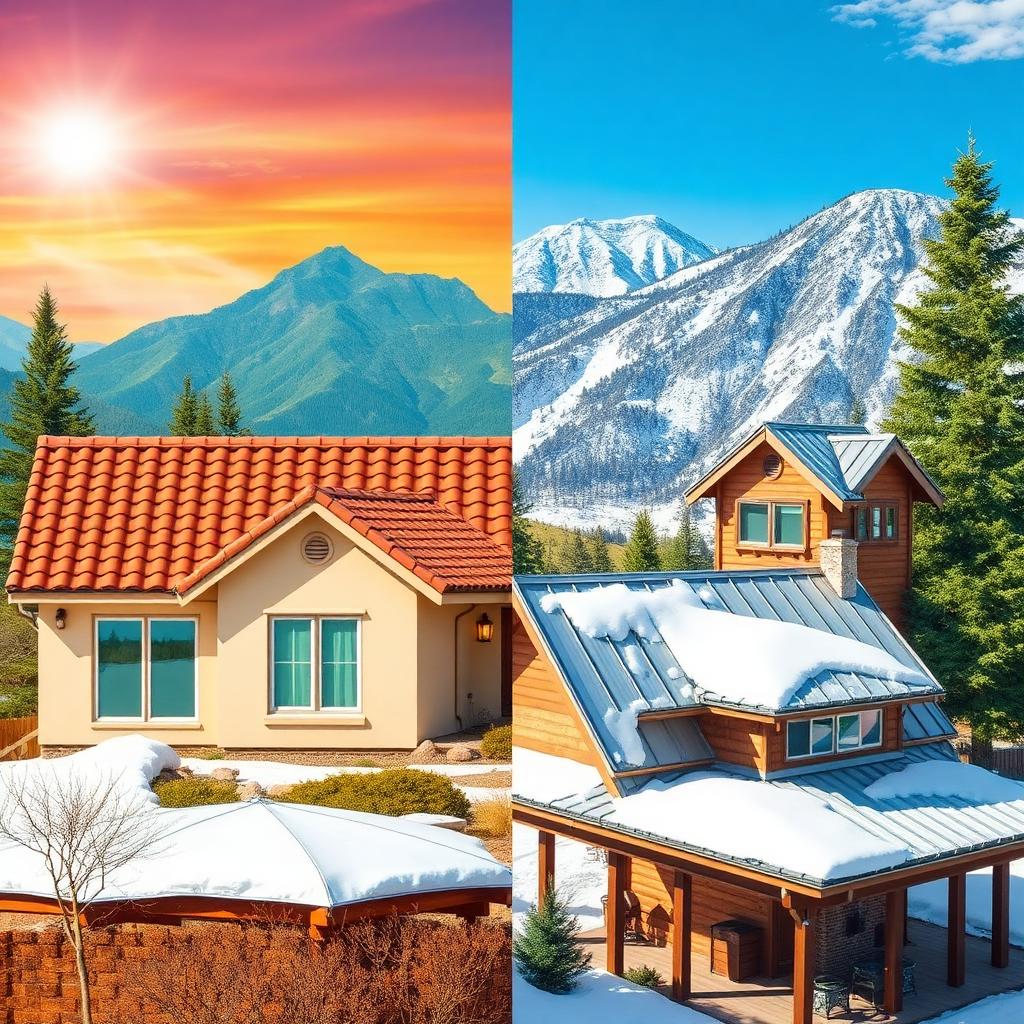
Heating-Dominated Climates:: In northern climates, cool roofs may slightly increase winter heating costs by reflecting beneficial solar heat. Overall impact depends on relative heating vs. cooling costs.
Analysis Required:: For homes in mixed climates, energy modeling helps determine net benefit. In most cases, cooling benefits exceed winter penalties.
Climate-Specific Recommendations
Hot Climates (Florida, Texas, Arizona):: Maximize reflectance with white or very light colors. Significant ROI on cool roof investment.
Mixed Climates (Mid-Atlantic, Midwest):: Moderate reflectance options (cool pigment colors) may balance summer and winter performance.
Cold Climates (Northern tier):: Cool roofs still prevent summer overheating but evaluation of net benefit is important.
Cool Roof Costs and Incentives
Understanding economics helps evaluate cool roof investments.
Cost Premiums
Cool versions of roofing materials typically cost modestly more:
| Material | Premium vs. Standard |
|---|---|
| Cool asphalt shingles | 5-15% |
| Cool metal roofing | 0-10% |
| Cool tile | 5-20% |
| White TPO vs. black EPDM | Similar or less |
| Roof coating application | $1-4/sq ft |
Available Incentives
Utility Rebates:: Many utilities offer rebates for cool roof installation. Check with your local utility for current programs.
Federal Tax Credits:: Energy efficiency improvements may qualify for federal tax credits. Verify current program details with a tax professional.
State Programs:: California Title 24 requirements make cool roofs standard in many applications. Other states offer various incentives.
LEED Credits:: Cool roofs contribute to LEED certification for green building projects.
Return on Investment
Cool roof ROI depends on multiple factors:
Fast ROI Scenarios:: - Very hot climate - High electricity rates - Poor existing insulation - Large roof area relative to building - Significant utility rebates available
Longer ROI Scenarios:: - Mild climate - Low electricity rates - Well-insulated building - Small roof area
Typical Payback:: - Roof coating on existing roof: 2-5 years - Cool shingles vs. standard: 5-10 years - Cool metal vs. standard: 7-15 years
Selection Considerations
Choosing appropriate cool roofing involves several decisions.
Color vs. Performance Trade-offs
Not everyone wants a white roof. Understanding trade-offs helps:
White/Near-White:: Maximum performance (SRI 80+) but limits aesthetic options.
Light Colors:: Good performance (SRI 40-65) with more design flexibility.
Cool Dark Colors:: Meaningful improvement over standard darks (SRI 20-35 vs. 5-15) while maintaining traditional appearance.
Material Selection
Choose cool versions of appropriate materials for your situation:
For Premium Longevity:: Cool metal roofing or cool tile
For Budget Projects:: Cool asphalt shingles
For Flat Roofs:: White TPO or PVC membranes
For Existing Roofs:: Reflective coatings
Certification and Standards
Look for verified cool roof products:
ENERGY STAR:: Certification indicates tested reflectance meeting ENERGY STAR requirements.
Cool Roof Rating Council (CRRC):: Independent testing and rating of cool roof products. Searchable product directory available.
California Title 24:: Products meeting California's stringent cool roof requirements.
Installation and Maintenance
Proper installation and maintenance preserve cool roof performance.
Installation Considerations
Professional Installation:: Standard installation practices apply; no special techniques required for most cool products.
Coating Application:: Proper surface preparation essential for coating adhesion and performance.
Warranty Requirements:: Verify manufacturer requirements for warranty coverage.
Maintenance for Continued Performance
Dirt Accumulation:: Reflectance decreases as dirt accumulates. Periodic cleaning restores performance.
Biological Growth:: Algae and moss darken surfaces. Treatment prevents reflectance loss.
Coating Reapplication:: Roof coatings may require reapplication every 10-15 years.
Working with Contractors
Select contractors experienced with cool roofing products.
Qualifications to Verify
Cool Roof Experience:: Request examples of previous cool roof installations.
Product Knowledge:: Verify familiarity with specific products being considered.
Certification:: Manufacturer certification for applicable products.
Questions to Ask
- Which cool roof products do you recommend for my climate?
- What SRI rating will the installed roof achieve?
- How will performance be maintained over time?
- What warranty coverage applies?
Connect with experienced roofing contractors in your area for cool roof consultations and proposals.
Conclusion
Cool roofing technology offers meaningful energy savings, improved comfort, and extended roof life for buildings in most climates. With cool options available across material categories—from shingles to metal to coatings—homeowners can achieve energy efficiency goals while maintaining desired aesthetics.
Evaluate your climate, energy costs, and preferences to determine appropriate cool roof options. In hot climates, maximum reflectance products provide clear economic benefits. In mixed climates, cool pigment products offer balanced performance. Work with experienced contractors to select and install cool roofing that maximizes your investment return while reducing your environmental impact.