Standing Seam Metal Roofing: The Modern Homeowner's Premium Choice
Standing seam metal roofing has transformed from a commercial and agricultural standard into one of the most desirable residential roofing options available. The distinctive raised seams, sleek appearance, and exceptional performance characteristics have made standing seam a premium choice for discerning homeowners. This guide explores everything you need to know about this increasingly popular roofing material.
Understanding Standing Seam Metal Roofing
Standing seam roofing gets its name from the raised interlocking seams that connect adjacent panels. Unlike exposed fastener metal roofing where screws penetrate the panel surface, standing seam systems hide all fasteners beneath the overlapping seams, creating a clean appearance and eliminating exposed fastener failure points.
Key Characteristics
Concealed Fastener System:: The defining feature of standing seam is the hidden fastener design. Clips attached to the roof deck secure each panel along its edge, allowing the next panel to lock over and conceal the fastening system. This eliminates hundreds of potential leak points present in exposed fastener systems.
Raised Seam Profiles:: Seams typically rise 1-2 inches above the panel surface, creating the distinctive ribbed appearance. The height and style of seams vary by manufacturer and product line.
Panel Width Options:: Standard panel widths range from 12 to 18 inches, with some systems offering wider or narrower options. Narrower panels create more seams for a more detailed appearance; wider panels produce a cleaner, more contemporary look.
Length Flexibility:: Panels can be manufactured to the exact length needed for each roof plane, minimizing horizontal seams and potential leak points. Panels exceeding 40 feet are common for residential applications.
Standing Seam Panel Materials
Standing seam systems are manufactured from several different metals, each offering distinct advantages.
Steel (Galvanized and Galvalume)
Steel remains the most common standing seam material due to its excellent balance of cost, durability, and availability.
Galvanized Steel:: Hot-dipped in zinc coating for corrosion protection. Effective for most applications but may show visible zinc crystal patterns (spangle) and can develop white rust in extremely wet environments.
Galvalume Steel:: Coated with an aluminum-zinc alloy that provides superior corrosion resistance compared to galvanized options. Galvalume has become the industry standard for quality standing seam installations.
Steel Specifications:: - Thickness: 22-26 gauge (lower gauge = thicker) - Lifespan: 40-60+ years - Cost: Moderate - Best for: Most residential and commercial applications
Aluminum
Aluminum offers premium corrosion resistance but at higher cost.
Advantages:: - Excellent salt air resistance (ideal for coastal areas) - Lightweight (easier installation, less structural load) - Will not rust - Soft metal allows custom forming on-site
Disadvantages:: - Higher material cost - Softer metal dents more easily - Fewer color options from some manufacturers
Aluminum Specifications:: - Thickness: .032" - .040" - Lifespan: 50-75+ years - Cost: 20-50% more than steel - Best for: Coastal, marine, and salt-exposure environments
Copper
Copper represents the pinnacle of metal roofing materials, prized for its natural beauty and extraordinary longevity.
Characteristics:: - Develops distinctive patina over time (brown to green) - Extremely long lifespan (100+ years) - Naturally antimicrobial - Requires no paint or coating - Highest material cost
Copper Specifications:: - Thickness: 16-20 oz per square foot - Lifespan: 100-200+ years - Cost: 3-5x steel pricing - Best for: Historic restoration, luxury applications, architectural statements
Zinc
Zinc offers similar benefits to copper with different aesthetic characteristics.
Characteristics:: - Self-healing surface (scratches disappear) - Develops attractive gray patina - Extremely long lifespan - Lower maintenance than painted metals - Premium pricing
Zinc Specifications:: - Lifespan: 80-100+ years - Cost: 2-3x steel pricing - Best for: Contemporary architecture, low-maintenance premium applications
Seam Types and Profiles
Standing seam systems utilize different seam configurations depending on application requirements and aesthetic preferences.
Mechanical Lock Seams
Single Lock (90°):: Adjacent panel edges fold together once, creating a 90-degree seam. Suitable for steeper roof pitches (3:12 or greater). Slightly lower cost than double-lock systems.
Double Lock (180°):: Panel edges fold together twice, creating an extremely tight 180-degree seam. Required for low-slope applications (as low as 1/2:12). Superior wind and water resistance.
Snap-Lock Seams
Pre-formed male and female edges simply snap together during installation without mechanical seaming. Faster installation but slightly lower weather resistance compared to mechanical seams.
Advantages:: - Faster installation (lower labor cost) - No special seaming equipment required - Good performance for moderate climates
Best For:: - Residential applications - Steeper roof pitches - Budget-conscious projects
Batten Seam
A cap covers the seam between panels rather than interlocking edges. Creates a more traditional appearance reminiscent of historical standing seam roofs.
Benefits of Standing Seam Metal Roofing
The premium cost of standing seam systems is justified by numerous performance and aesthetic benefits.
Exceptional Longevity
Properly installed standing seam roofs routinely last 50-70+ years—2-3 times longer than premium asphalt shingles. Copper and zinc systems can exceed 100 years of service.
Longevity Factors:: - Concealed fasteners eliminate expansion/contraction failures - Premium coatings resist fading, chalking, and corrosion - Interlocking seams prevent wind uplift - No organic materials to deteriorate
Superior Weather Performance
Standing seam excels in extreme weather conditions:
Wind Resistance:: Properly installed systems withstand winds exceeding 140 mph. The concealed fastener and interlocking seam design prevents wind-driven rain infiltration and resists panel uplift.
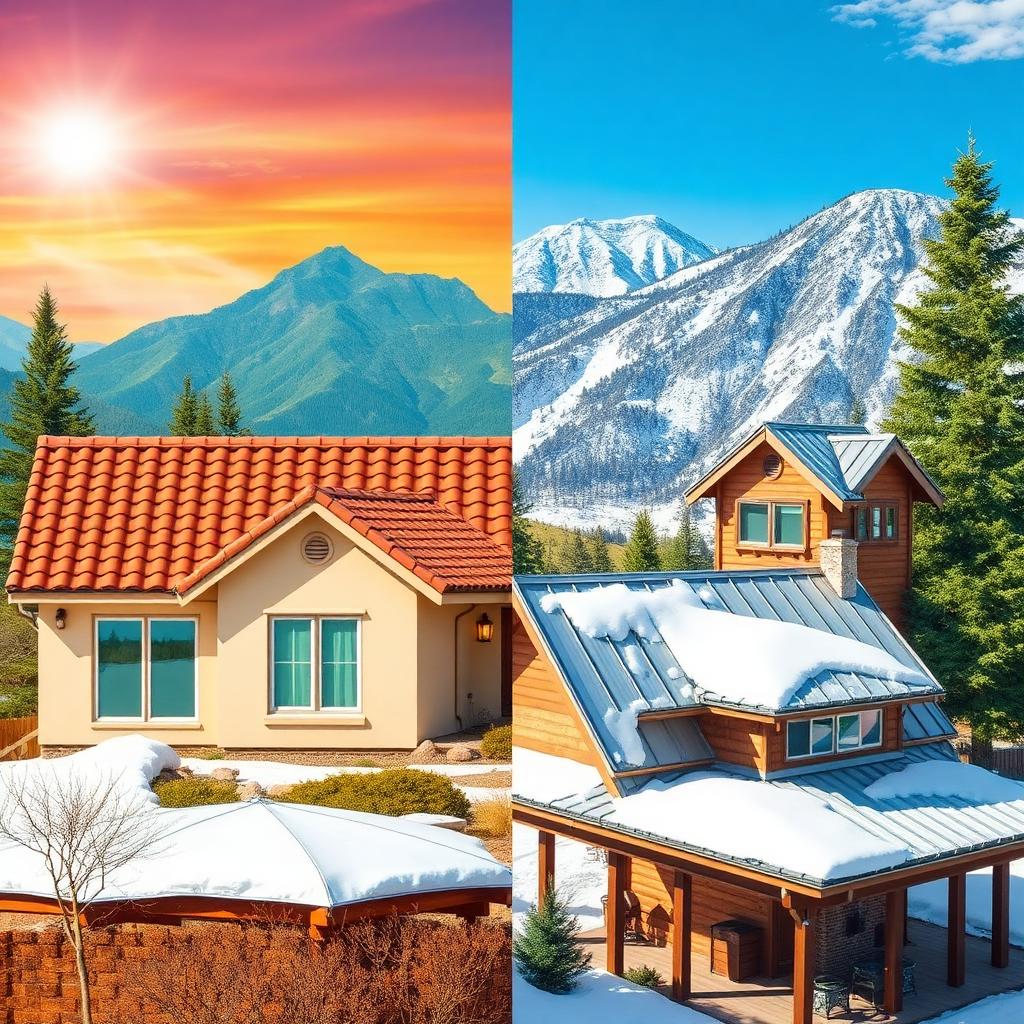
Snow and Ice:: Smooth metal surfaces shed snow efficiently, reducing structural loads. Optional snow guards control snow slide to protect landscaping and walkways below.
Rain and Moisture:: Raised seams and long panel runs minimize leak opportunities. Water flows directly to gutters without penetrating the roof surface.
Hail Resistance:: Thicker gauge steel and aluminum panels resist denting from moderate hail. For severe hail regions, consider textured finishes that hide minor impact marks.
Energy Efficiency
Metal roofing provides significant energy benefits:
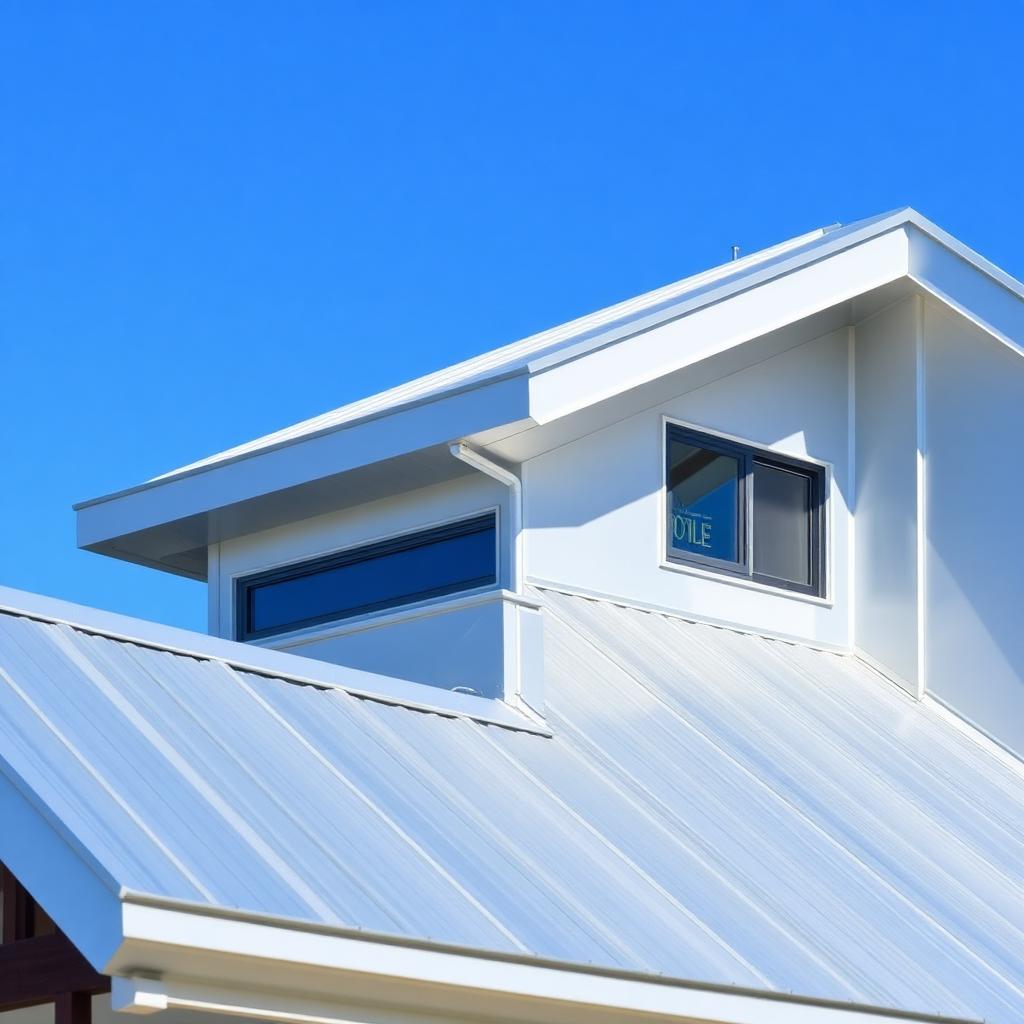
Cool Roof Coatings:: Premium paint systems reflect solar radiation rather than absorbing it, reducing cooling loads by 10-25%. Cool roof coatings in light colors can significantly lower attic temperatures.
Emissivity:: Metal roofs quickly release absorbed heat after sunset, reducing overnight cooling loads compared to materials that retain heat.
Insulation Compatibility:: Standing seam systems work excellently with both batt and rigid insulation systems, maximizing energy performance.
Environmental Sustainability
Standing seam metal represents one of the most sustainable roofing options:
Recyclability:: Steel, aluminum, copper, and zinc are all highly recyclable. Most metal roofing contains 25-95% recycled content and is 100% recyclable at end of life.
Longevity Impact:: A roof lasting 70 years versus 20 years means 3-4 fewer roof replacements over a building's lifespan—dramatically reducing waste and resource consumption.
Energy Savings:: Reduced cooling loads lower electricity consumption and associated emissions over the roof's service life.
Low Maintenance Requirements
Unlike many roofing materials, standing seam requires minimal maintenance:
Annual Tasks:: - Visual inspection from ground level - Clear debris from valleys and gutters - Check for any damaged sealants at penetrations
Periodic Tasks:: - Professional inspection every 3-5 years - Touch-up of any scratched areas (rare) - Tighten any loosened components (uncommon)
Most standing seam roofs require no maintenance beyond basic cleaning and gutter care for decades.
Standing Seam Costs and Value
Standing seam metal roofing represents a significant investment that provides exceptional long-term value.
Cost Breakdown
| Component | Cost Range Per Square |
|---|---|
| Steel Panels (Galvalume) | $150-$300 |
| Aluminum Panels | $200-$400 |
| Copper Panels | $500-$1,500 |
| Installation Labor | $300-$600 |
| Underlayment & Accessories | $75-$150 |
| **Total Steel Installed** | **$525-$1,050/sq** |
| **Total Aluminum Installed** | **$575-$1,150/sq** |
| **Total Copper Installed** | **$875-$2,250/sq** |
For a typical 2,000 square foot roof (20 squares), expect total costs of: - Steel: $10,500-$21,000 - Aluminum: $11,500-$23,000 - Copper: $17,500-$45,000
Return on Investment
Despite higher initial costs, standing seam often provides superior lifetime value:
Longevity Savings:: A standing seam roof lasting 60 years versus three 20-year asphalt roofs saves 2 complete replacements. At $15,000 per asphalt replacement, that's $30,000 in future savings.
Energy Savings:: Annual cooling cost reductions of $100-$400 compound to $6,000-$24,000 over 60 years.
Insurance Benefits:: Many insurers offer premium discounts of 15-35% for metal roofs due to fire, wind, and hail resistance.
Home Value:: Metal roofing typically recoups 60-85% of costs in increased home value—higher than most other roofing materials.
Installation Considerations
Proper installation is crucial for standing seam performance. The complexity of these systems requires experienced, qualified installers.
Substrate Requirements
Standing seam can be installed over:
Solid Decking:: Plywood or OSB provides solid support and allows underlayment installation. Most common for residential applications.
Open Framing (Purlins):: Metal can span between purlins without solid decking for agricultural and some commercial applications. Not typical for residences.
Existing Roofing:: In some cases, standing seam can be installed over existing roofs using battens or furring strips. Must evaluate existing roof condition and structural capacity.
Underlayment Options
Synthetic Underlayment:: Standard choice for most installations. Provides secondary moisture protection and allows panel sliding during thermal expansion.
Self-Adhering Membrane:: Used at eaves, valleys, and penetrations for additional protection. Some installations use full self-adhering underlayment for maximum protection.
High-Temperature Underlayment:: Required in hot climates where metal surface temperatures can exceed 160°F, potentially damaging standard underlayments.
Thermal Movement Accommodation
Metal expands and contracts significantly with temperature changes. Proper installation must accommodate this movement:
Floating Clip Systems:: Concealed clips allow panels to move independently of the structure. Fixed points at panel tops or bottoms control overall panel position while permitting expansion/contraction.
Panel Length Limits:: Extremely long panels may require expansion joints or intermediate fixed points to control cumulative movement.
Sealant Selection:: All sealants must remain flexible to accommodate movement without cracking or separating.
Ventilation Integration
Proper attic ventilation remains important with metal roofing:
Ridge Ventilation:: Specialized metal ridge vents integrate with standing seam profiles while providing exhaust ventilation.
Soffit/Eave Ventilation:: Standard soffit venting works with most standing seam installations when properly detailed.
Balanced Ventilation:: Ensure adequate intake and exhaust ventilation to prevent moisture issues, particularly in cold climates.
Choosing a Standing Seam Contractor
The specialized nature of standing seam installation requires careful contractor selection.
Essential Qualifications
Experience:: - Minimum 5 years specific standing seam experience - Portfolio of completed residential projects - References from standing seam customers
Manufacturer Relationships:: - Certified installer status with major manufacturers - Access to extended warranty programs - Training in current installation techniques
Proper Equipment:: - Panel forming equipment (for site-formed panels) - Mechanical seaming tools - Specialized safety equipment for metal roofing
Business Credentials:: - Current licensing and insurance - Workers' compensation coverage - Established local presence
Questions to Ask
- How many standing seam roofs have you installed?
- Which panel manufacturers do you work with?
- Will panels be site-formed or factory-produced?
- What underlayment system do you recommend?
- How do you handle thermal expansion?
- What warranty do you provide on labor?
Connect with qualified metal roofing contractors in your area for professional consultations and quotes.
Conclusion
Standing seam metal roofing offers an exceptional combination of longevity, performance, and contemporary aesthetics that justifies its premium cost for appropriate applications. The 50-70+ year lifespan, minimal maintenance requirements, and excellent weather resistance make standing seam an investment that pays dividends over decades of worry-free service.
Evaluate your budget, architectural preferences, and long-term plans when considering standing seam. While initial costs exceed conventional materials, the lifetime value proposition often favors metal for homeowners planning to remain in their homes long-term.
Work with experienced, manufacturer-certified contractors who understand proper installation techniques. Quality installation is essential for achieving the performance and longevity standing seam metal roofing is designed to deliver.