Natural Slate Roofing: The Ultimate Guide to Luxury Stone Roofing
Natural slate roofing represents the pinnacle of roofing materials—a genuine stone product that has protected the world's finest buildings for centuries. From European castles to American mansions, slate's combination of timeless beauty, extraordinary longevity, and proven performance makes it the ultimate luxury roofing choice. This comprehensive guide explores everything homeowners need to know about natural slate roofing.
Understanding Natural Slate
Slate is a fine-grained metamorphic rock formed from clay or volcanic ash subjected to intense heat and pressure over millions of years. This geological process creates a material with unique properties that make it ideal for roofing applications.
Geological Origins
Quality roofing slate originates from specific geological formations where conditions produced material with optimal splitting characteristics and durability.
Major Slate Regions:: - Vermont, USA - America's premier slate producing region, known for unfading colors - Pennsylvania, USA - Historic slate region with varied color options - New York, USA - Quality slate with distinctive characteristics - Wales, UK - World-renowned slate quarries, centuries of production - Spain - Large-scale production of affordable quality slate - China - Growing producer with varied quality levels - Brazil - Distinctive multicolored slate varieties
The geological source significantly affects slate characteristics including color permanence, durability, and longevity. Premium American and Welsh slates command higher prices due to proven multi-century performance.
Slate Characteristics
Cleavage:: Slate's defining characteristic is its ability to split into thin, flat sheets along natural planes. This cleavage allows production of uniform roofing tiles without sawing or significant processing.
Density:: Quality roofing slate exhibits high density (typically 2.7-2.9 g/cm³), indicating strong molecular bonding that resists water absorption and weathering.
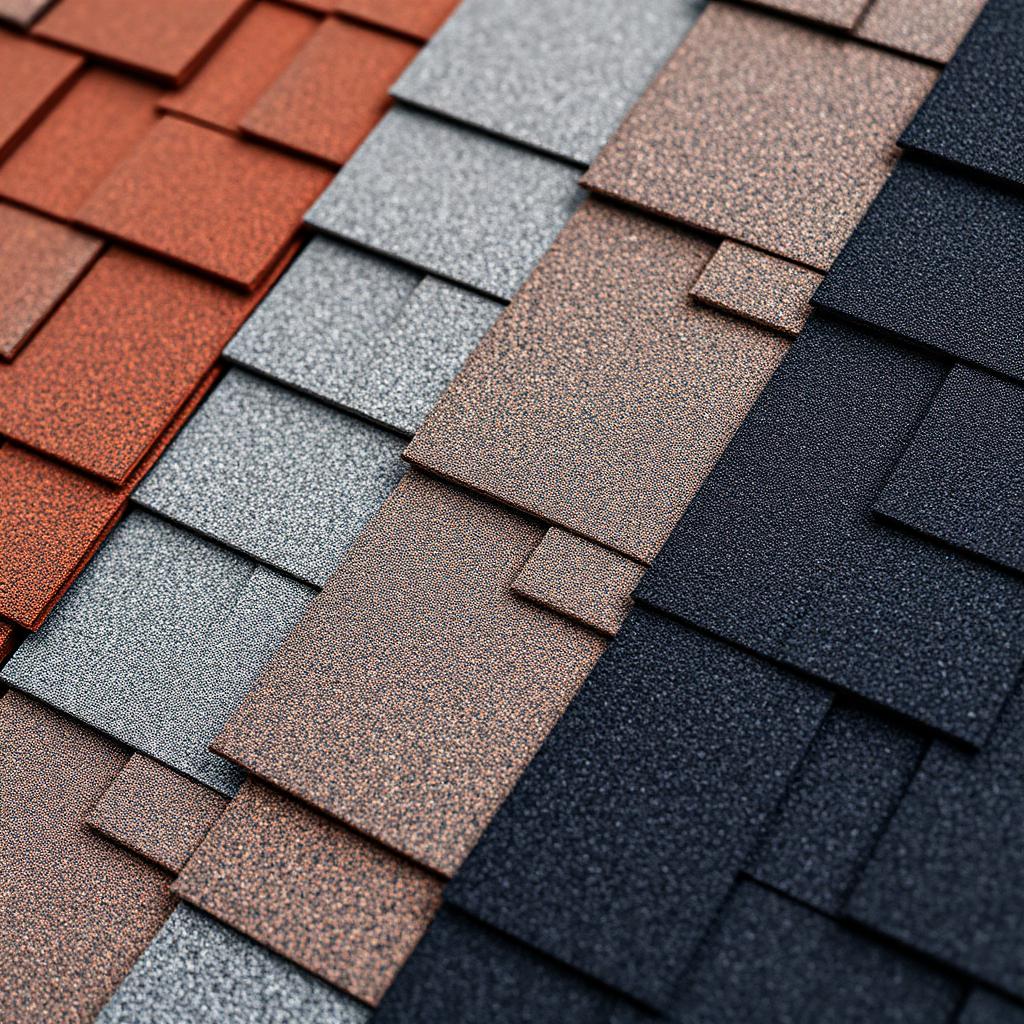
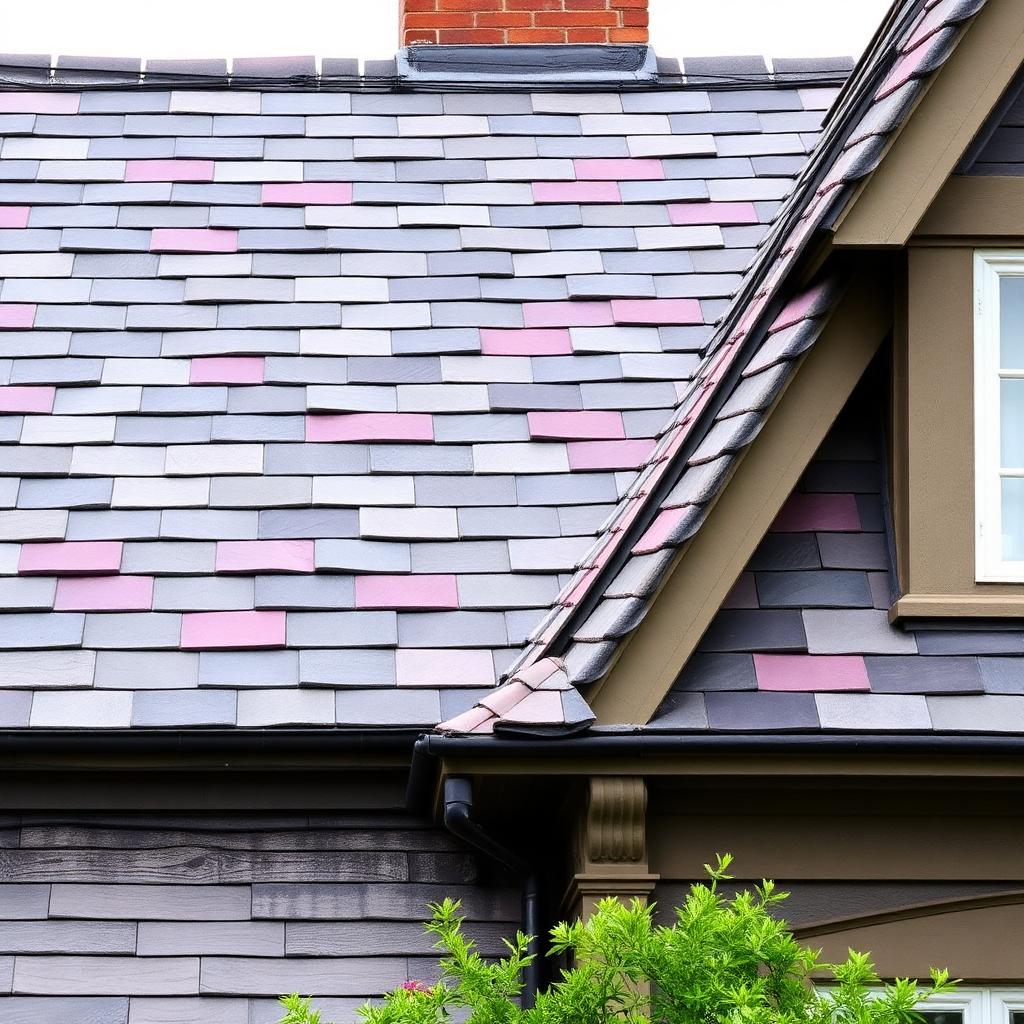
Color:: Slate occurs naturally in numerous colors: gray, black, green, purple, red, and blended varieties. Some slates maintain color indefinitely (unfading), while others develop patina over time (weathering).
Texture:: Surface texture ranges from smooth to rough depending on quarry characteristics. Most roofing slate features natural cleft surfaces with attractive texture and variation.
Types of Roofing Slate
Roofing slate is classified by multiple characteristics that affect appearance, performance, and cost.
By Color Permanence
Unfading Slate:: Maintains original color throughout service life. Contains stable mineral compositions unaffected by weathering. Premium unfading slate from Vermont and select Welsh quarries commands highest prices.
Weathering (Semi-Weathering) Slate:: Gradually changes color with exposure, typically developing warm rust or brown tones from iron oxidation. Some homeowners prefer the evolving patina; others prefer color stability.
Fading Slate:: Significantly changes color over time. Less common in premium roofing applications but available at lower cost.
By Thickness
Standard Thickness (3/16" - 1/4"):: Most common for residential applications. Balances durability with reasonable weight.
Heavy Thickness (1/4" - 3/8"):: Enhanced durability and visual presence. Preferred for high-end installations.
Graduated Thickness:: Traditional installations using thick slates at eaves graduating to thinner slates near ridge. Creates distinctive shadow lines and impressive visual depth.
By Size
Standard sizes range from 10x6 inches to 24x14 inches. Size selection affects appearance, installation complexity, and cost:
Random Width:: Traditional method using various widths creates informal, historic appearance. More material waste but authentic aesthetic.
Uniform (Dimensional):: Single size throughout for clean, contemporary appearance. More efficient installation and less waste.
Graduated:: Larger slates at eaves, smaller near ridge. Historic technique that reduces weight at roof peak and creates visual perspective.
Benefits of Natural Slate Roofing
The significant investment in slate roofing is justified by unmatched benefits no other material can replicate.
Extraordinary Longevity
The primary justification for slate's cost is its remarkable lifespan:
Premium Slate:: 75-200+ years of service is typical for quality slate properly installed. Many Vermont and Welsh slate roofs remain functional after 150+ years.
Standard Slate:: 40-75 years depending on source quality. Even standard slate significantly outlasts all common roofing alternatives.
Factors Affecting Longevity:: - Slate quality and source - Installation workmanship - Climate conditions - Maintenance practices - Flashing and accessory quality
Unmatched Natural Beauty
Nothing replicates genuine stone's visual impact:
Natural Variation:: Each slate tile exhibits unique character—subtle color variations, natural cleft texture, and mineral inclusions create living, organic roofscapes impossible to simulate.
Architectural Statement:: Slate elevates architecture, communicating quality, permanence, and attention to craft. The material enhances any architectural style from historic to contemporary.
Aging Gracefully:: Unlike materials that deteriorate, quality slate develops attractive patina while maintaining structural integrity. Historic slate roofs often look better than when new.
Superior Performance
Beyond aesthetics, slate delivers exceptional functional performance:
Fire Resistance:: Natural stone achieves Class A fire rating—the highest available. Slate won't burn, melt, or contribute to fire spread.
Weather Resistance:: Dense, non-porous slate resists water absorption, freeze-thaw damage, and wind uplift when properly installed.
Impact Resistance:: The substantial mass of slate tiles provides good impact resistance, though individual slates can crack under severe impact.
Pest Resistance:: Stone is impervious to insects, rot, and biological degradation that affects wood and composite materials.
Environmental Sustainability
Slate represents an environmentally responsible roofing choice:
Natural Material:: Extracted and minimally processed natural stone with no synthetic components or chemical treatments.
Extreme Longevity:: A 150-year roof eliminates 5-7 replacement cycles compared to asphalt—dramatically reducing lifetime environmental impact.
Recyclability:: Salvaged slate tiles are commonly reused for new installations, restoration projects, and landscaping applications.
Low Energy Processing:: Minimal energy required to produce compared to manufactured roofing materials.
Slate Roofing Costs
Natural slate represents the highest-cost roofing option, requiring significant investment that delivers exceptional long-term value.
Material Cost Factors
| Slate Type | Cost Per Square |
|---|---|
| Chinese/Import Standard | $400-$700 |
| Spanish Production Slate | $500-$900 |
| American Standard (PA, NY) | $800-$1,200 |
| American Premium (VT unfading) | $1,200-$2,000 |
| Welsh Premium | $1,500-$3,000 |
| Rare/Historic Patterns | $2,000-$5,000+ |
Installation Cost Factors
Slate installation requires specialized skills commanding premium labor rates:
| Component | Cost Per Square |
|---|---|
| Installation Labor | $500-$1,000 |
| Copper Flashing | $100-$300 |
| Underlayment | $100-$200 |
| Accessories (ridge, hips) | $50-$150 |
| **Total Installed** | **$1,150-$4,650/sq** |
Structural Considerations
Slate's substantial weight (800-1,500 lbs per square) may require structural evaluation or reinforcement:
Assessment:: Professional structural evaluation before specification. Many homes not originally designed for slate can accommodate it with modest reinforcement.
Reinforcement Costs:: If required, typically $2,000-$8,000 for residential structures. Occasionally not feasible for some building types.
Sample Project Costs
For a 2,500 square foot roof (25 squares):
| Slate Quality | Total Installed Cost |
|---|---|
| Import Standard | $28,750-$47,500 |
| Spanish Quality | $40,000-$67,500 |
| American Premium | $65,000-$95,000 |
| Welsh Premium | $90,000-$145,000+ |
Installation Requirements
Proper slate installation demands specialized expertise and techniques developed over centuries.
Roof Deck Preparation
Solid Decking Required:: Slate requires solid wood or plywood decking (typically 3/4" minimum). Skip sheathing with spaced boards was traditional but is no longer recommended.
Deck Condition:: Decking must be sound, properly fastened, and flat. Replace any deteriorated sections before installation.
Underlayment Systems
Modern slate installations use sophisticated underlayment:
Standard Approach:: - 30# asphalt-saturated felt or synthetic underlayment - Self-adhering membrane at eaves, valleys, and penetrations - Additional protection in high-risk areas
Premium Approach:: - Full self-adhering membrane in harsh climates - Reinforced underlayment for extreme conditions - Extended valley and penetration protection
Flashing Materials
Given slate's extreme longevity, flashing must match:
Copper:: The standard for quality slate installations. 16-20 oz copper provides 75-100+ year service life matching slate longevity.
Lead-Coated Copper:: Traditional material for historic restorations. Excellent longevity with aged appearance.
Stainless Steel:: Alternative to copper where appearance is less critical. Comparable longevity at lower cost.
Avoid:: Aluminum, galvanized steel, and painted metals have inadequate longevity for slate applications.
Fastener Requirements
Copper Nails:: Standard fasteners for slate installation. Proper sizing based on slate thickness and deck material.
Stainless Steel:: Alternative to copper with excellent corrosion resistance.
Nail Length:: Must penetrate decking by minimum 3/4". Nail heads should be properly countersunk.
Installation Techniques
Exposure:: The amount of slate visible below the overlapping course. Proper exposure ensures adequate coverage and weather protection.
Headlap:: The overlap of each slate by the course two above. Standard 3" headlap provides water protection.
Sidelap:: Vertical offset between courses ensuring joints are covered. Minimum 3" sidelap typical.
Hook Installation:: Some slate installations use copper hooks (bibs) that support slate weight, reducing nail stress.
Maintenance and Repair
While slate itself requires minimal maintenance, overall system care ensures maximum longevity.
Regular Maintenance
Annual Visual Inspection:: - Check for cracked, broken, or sliding slates - Examine flashing condition - Look for debris accumulation - Check gutters and drainage
Periodic Professional Inspection:: Every 5-10 years, have a slate specialist inspect the roof. They can identify developing issues invisible from ground level.
Common Repairs
Individual Slate Replacement:: Broken slates can be replaced individually using slate hooks or the ripper tool technique. Matching replacement slate is often available.
Flashing Repair:: Copper flashing may need maintenance after 50-75 years. Proper repair extends roof life without full replacement.
Re-Pointing Ridge/Hips:: Traditional mortar ridge caps may require periodic maintenance. Modern dry ridge systems reduce this need.
What Damages Slate
Impact:: Falling branches, severe hail, or foot traffic can break individual slates. Avoid walking on slate roofs when possible.
Incorrect Fasteners:: Iron or steel nails corrode, staining slate and eventually failing. Proper copper or stainless fasteners are essential.
Poor Quality Material:: Inferior slate (often from unproven sources) may delaminate or deteriorate prematurely.
Improper Installation:: Incorrect exposure, inadequate headlap, or improper fastening causes premature failures regardless of slate quality.
Selecting Quality Slate
Not all slate performs equally. Careful material selection protects your significant investment.
Quality Indicators
Source Reputation:: Established quarries with multi-generational track records provide confidence in material quality.
ASTM Testing:: Quality slate should meet ASTM C406 specifications for roofing slate, including absorption, flexibility, and depth tests.
Warranty:: Premium slate suppliers offer 75-100 year warranties on material, indicating confidence in product longevity.
Color Grade:: Unfading grades maintain appearance indefinitely. Weathering grades change over time—understand what you're purchasing.
Avoiding Inferior Slate
Unknown Sources:: Slate from unproven quarries may have undocumented quality issues that emerge years after installation.
Price-Driven Selection:: Extremely low-cost slate often comes from sources with poor track records. The savings rarely justify premature failure.
Inadequate Testing:: Insist on ASTM test results for any slate being considered. Reputable suppliers provide this documentation readily.
Working with Slate Contractors
Given the specialized nature of slate work, contractor selection is crucial.
Essential Qualifications
Specific Slate Experience:: - Minimum 10 years slate-specific experience - Portfolio of completed slate projects - References from slate roof owners - Understanding of traditional and modern techniques
Material Knowledge:: - Experience with multiple slate sources - Ability to assess slate quality - Relationships with reputable suppliers
Proper Equipment:: - Slate cutting tools - Slate ripper for repairs - Specialized safety equipment
Verification Steps
- Request and verify references
- View completed projects in person if possible
- Confirm licensing and insurance
- Discuss material sourcing and quality
- Obtain detailed written proposals
- Compare warranty offerings
Connect with qualified slate roofing specialists in your area for professional consultations.
Conclusion
Natural slate roofing represents the ultimate commitment to quality, beauty, and permanence. While the significant investment required places slate beyond many budgets, for homeowners seeking a multi-generational roof that enhances architecture and eliminates decades of maintenance and replacement concerns, slate delivers unmatched value.
Carefully evaluate slate quality, verify installer qualifications, and plan for the structural requirements this premium material demands. With proper specification and installation, your slate roof will protect and beautify your home for a century or more—a legacy of quality that few other building decisions can match.