
Wildfire and PSPS Backup: California Solar Battery Systems for Grid Resilience
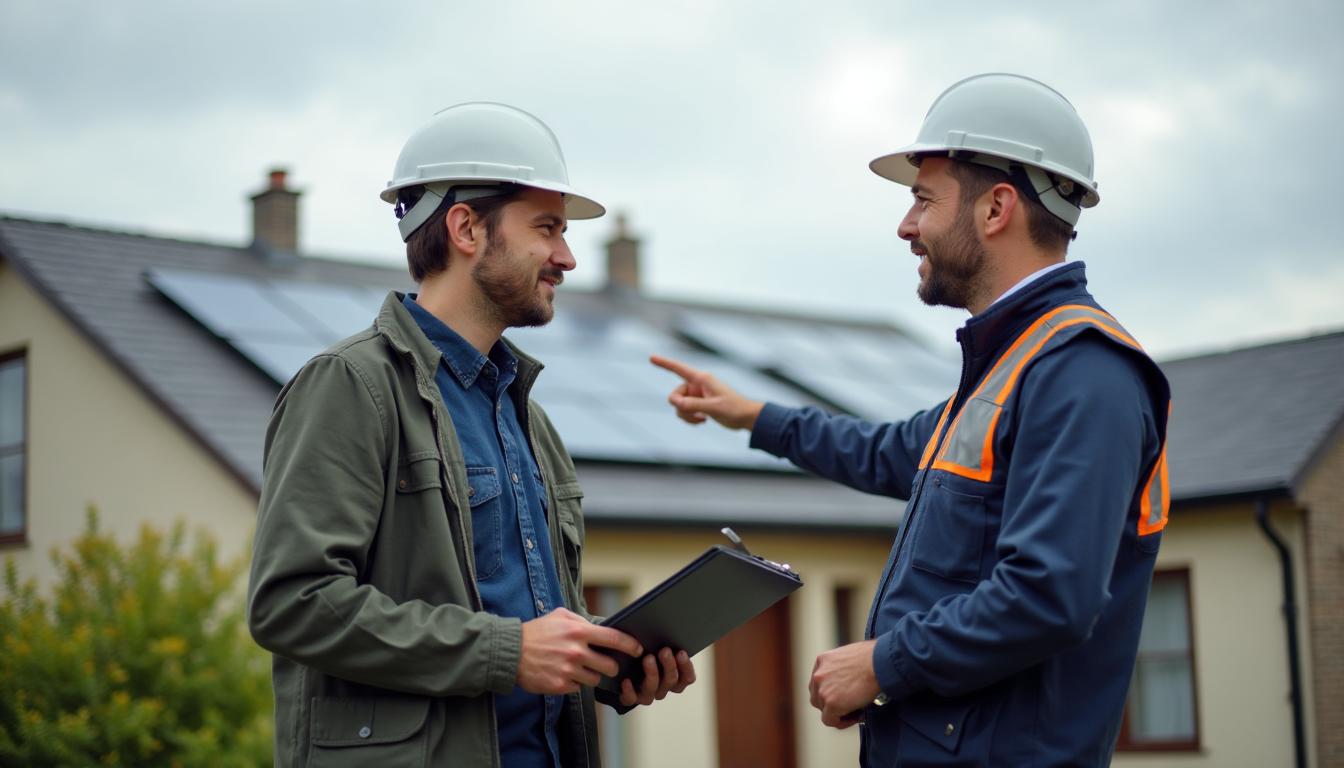
California homeowners increasingly recognize that grid reliability cannot be taken for granted. Public Safety Power Shutoffs (PSPS), wildfire-related outages, and general grid stress create extended power outages that disrupt daily life and can pose safety risks. Solar battery backup systems provide resilience against these outages while delivering economic benefits under NEM 3.0 policies. This comprehensive guide helps California homeowners design solar-plus-storage systems optimized for both backup power and daily value.
Understanding California Grid Reliability Challenges
Californias grid faces unique challenges affecting residential reliability.
Public Safety Power Shutoffs (PSPS): California utilities implement PSPS events during high fire-risk conditions, de-energizing power lines to prevent wildfire ignition. These shutoffs can affect hundreds of thousands of customers simultaneously and last for days during extreme weather patterns.
PSPS Frequency and Duration: PSPS events have become more common as climate change extends fire seasons and increases fire risk. Some California communities have experienced multiple PSPS events annually, with individual events lasting from several hours to several days.
High Fire-Threat Districts: The California Public Utilities Commission designates Tier 2 and Tier 3 High Fire-Threat Districts where PSPS events are most likely. Properties in these areas face elevated outage risk and may qualify for enhanced SGIP battery rebates.
General Grid Stress: Beyond PSPS, Californias grid experiences stress during extreme heat events when air conditioning demand peaks. Flex Alert conservation requests and potential rolling blackouts demonstrate ongoing reliability challenges.
Wildfire Damage: Wildfires directly damage electrical infrastructure, causing extended outages beyond PSPS events. Properties near fire-prone areas face higher risk of extended outages from actual fire damage to grid equipment.
Solar Battery Backup Fundamentals
Understanding how battery backup works helps with planning.
Backup System Architecture: Battery backup systems include batteries for energy storage, inverters for power conversion, and critical load panels or transfer switches that determine which circuits receive backup power. When grid power fails, systems automatically disconnect from the grid and power backed-up circuits.
Islanding Capability: During outages, battery systems island from the grid, operating independently while continuing to power your home. Anti-islanding protections prevent backfeeding to grid lines where utility workers may be making repairs.
Solar Charging During Outages: Unlike generators that require fuel, solar-connected batteries can recharge from your solar panels during daylight hours, potentially extending backup duration indefinitely if solar production meets consumption. This self-sustaining capability provides unique resilience.
Grid-Tied Operation: When the grid is operating normally, these same batteries provide daily economic benefits by storing solar for evening use under NEM 3.0 rate structures. Backup capability adds resilience value to economically productive systems.
Designing for PSPS and Wildfire Conditions
California-specific conditions affect backup system design.
Extended Outage Planning: Unlike brief power flickers, PSPS events can last multiple days. System sizing should account for extended operation, either through larger battery capacity or ensuring solar production can sustain daily cycling.
Critical Load Identification: Identify which circuits are truly critical during extended outages. Refrigeration, lighting, communication devices, medical equipment, and minimal climate control typically constitute critical loads. Non-critical loads like electric ovens, clothes dryers, and non-essential electronics can be managed.
Seasonal Timing Considerations: PSPS events typically occur during fall fire season when solar production is declining from summer peaks. Design systems considering fall production levels rather than optimal summer output.
Smoke and Air Quality Effects: Heavy wildfire smoke can reduce solar production by 10-25% or more. Extended smoke events during fire season may coincide with PSPS outages, reducing expected solar charging capacity.
Heat Wave Overlap: Some grid stress occurs during extreme heat waves when air conditioning demand is highest. Backup systems designed for PSPS may face different consumption patterns during heat-related events.
Battery Sizing for California Backup
Proper sizing ensures adequate backup capability.
Daily Consumption Analysis: Analyze your typical daily electricity consumption, particularly for circuits you identify as critical. Most California homes consume 20-40 kWh daily, though critical load subsets may be much smaller.
Critical Load Estimation: A typical critical load subset including refrigeration, essential lighting, phone/device charging, WiFi, and minimal HVAC might consume 8-15 kWh daily. Medical equipment, home offices, or other specific needs increase consumption.
Overnight Capacity Requirement: Batteries must carry critical loads overnight when solar is not producing. Sizing for 12-16 hours of overnight backup ensures morning solar can recharge before the next night.
Multi-Day Buffer: For PSPS resilience, consider sizing for more than one days backup to provide buffer against cloudy days or reduced solar production during smoke events. A 2-3 day buffer provides meaningful security.
Common Sizing Recommendations: Many California homes achieve good backup capability with 13.5-27 kWh battery capacity (one or two Tesla Powerwall units or equivalent). Larger homes or more extensive backup needs may warrant 30-40+ kWh.
Whole-Home vs. Partial Backup
Backup scope significantly affects system cost and capability.
Whole-Home Backup Requirements: Backing up your entire electrical panel requires batteries and inverters capable of handling peak loads from all circuits operating simultaneously. This includes large loads like air conditioning, electric cooking, and electric dryers that create substantial power demands.
Whole-Home Costs: Whole-home backup typically requires larger batteries (20-40+ kWh) and higher-capacity inverters, increasing system costs by $10,000-$25,000 compared to partial backup. For some homes, whole-home backup may require electrical panel upgrades.
Partial Backup Efficiency: Backing up only critical loads allows smaller, less expensive systems to provide meaningful resilience. A critical load panel or automatic transfer switch routes backup power to designated circuits only.
Essential Circuit Selection: Common essential circuit choices include refrigerator, kitchen outlets, primary lighting, bedroom outlets, home office, garage door opener, and internet equipment. Medical equipment should always be included if present.
HVAC Considerations: Air conditioning represents significant electrical load that challenges partial backup systems. Options include: backing up only heating (smaller loads), installing a mini-split for one room, or accepting limited cooling during outages.
Equipment Selection for California Conditions
Choose equipment designed for California requirements.
Popular Battery Options: Tesla Powerwall, Enphase IQ Battery, LG RESU, Generac PWRcell, and other products serve the California market. Each offers different capacity, power output, warranty terms, and feature sets.
Capacity and Power Ratings: Battery capacity (kWh) determines stored energy, while power rating (kW) determines maximum simultaneous output. Both matter for backup: capacity for duration, power for running equipment.
Indoor vs. Outdoor Installation: California climates allow outdoor battery installation in many locations. Indoor installation provides better temperature protection but requires suitable space. Consider installation location early in planning.
Temperature Management: Batteries perform best within specific temperature ranges. Californias hot inland valleys may affect outdoor battery performance, while coastal areas experience more moderate conditions.
Warranty Coverage: Review battery warranties carefully, including capacity retention guarantees and cycle life specifications. Most quality batteries carry 10-year warranties with guaranteed capacity retention.
SGIP Incentives for High Fire-Threat Districts
Enhanced incentives support resilience in fire-prone areas.
Equity Resiliency Budget: SGIP provides significantly higher rebates for customers in Tier 2 or Tier 3 High Fire-Threat Districts. These enhanced incentives recognize the elevated backup value for properties facing frequent PSPS exposure.
Income-Qualified Enhancements: Additional SGIP enhancements apply for income-qualified customers in high fire-threat districts. Combined enhancements can cover substantial portions of battery costs.
Medical Baseline Qualifications: Customers with medical baseline allowances (indicating medical equipment needs) may qualify for enhanced SGIP rebates recognizing the health and safety importance of backup power.
Application Requirements: Enhanced SGIP applications require documentation of fire-threat district status or qualifying conditions. Your installer should handle documentation requirements.
Budget Availability: Enhanced SGIP budgets can be exhausted. Check current availability before counting on specific rebate levels in project planning.
Installation and Integration Considerations
Proper installation ensures reliable backup operation.
Electrical Panel Assessment: Existing electrical panels may require modifications or upgrades for battery backup integration. Older panels with limited space or outdated components may need replacement.
Critical Load Panel Installation: Partial backup systems typically require installing a critical load panel or subpanel where backed-up circuits terminate. This installation involves moving circuits from the main panel.
Automatic Transfer Operation: Modern battery systems include automatic transfer functionality that switches to backup power seamlessly during outages. Manual intervention should not be required.
Testing and Commissioning: After installation, test backup operation by simulating outages. Verify that critical loads receive power and that solar charging operates correctly during islanded operation.
Maintenance Requirements: Battery systems require minimal maintenance but benefit from periodic monitoring to verify performance. Most modern systems include monitoring apps that track operation.
Living with Battery Backup
Understand practical aspects of backup-powered living.
Consumption Awareness: During extended outages, awareness of consumption helps extend backup duration. Understanding which loads consume significant power helps prioritize usage.
Load Management During Outages: During extended outages, running only essential loads extends backup duration. Delay non-essential high-consumption activities until solar recharges batteries.
Monitoring During Events: Modern battery systems provide smartphone monitoring showing battery state-of-charge, current consumption, and solar production. This visibility helps manage usage during outages.
Preparedness Beyond Electricity: Battery backup addresses electricity, but extended outages may involve other preparedness needs including water (if on well pumps), communication plans, and emergency supplies.
Cost-Benefit Analysis
Evaluate backup value against investment requirements.
Insurance Value Perspective: Consider backup capability partially as insurance against outage-related losses and inconveniences. Food spoilage, hotel stays, lost productivity, and health risks during outages create real costs that backup systems prevent.
Daily Economic Value: Under NEM 3.0, batteries provide daily economic value through time-shifting that partially or fully justifies investment independent of backup benefits. Backup capability adds value beyond economic returns.
Combined Value Assessment: Total battery value includes daily economic shifting value plus backup resilience value. For high fire-threat district customers facing frequent PSPS, backup value may exceed economic value.
Alternative Comparisons: Compare battery backup costs to alternatives like generators. Generators require fuel, maintenance, and manual operation, while batteries charge from solar automatically. Each approach has tradeoffs.
Conclusion
California grid reliability challenges make battery backup increasingly valuable for homeowners, particularly those in high fire-threat districts facing frequent PSPS events. Solar-plus-storage systems provide both daily economic value under NEM 3.0 and meaningful resilience against extended outages. By properly sizing systems for California-specific conditions and leveraging available SGIP incentives, homeowners can achieve grid independence that provides security and economic returns.
Build your resilience. Browse California solar installers for professionals experienced with backup system design for California conditions.