Choosing Roof Replacement Materials: Complete Comparison Guide
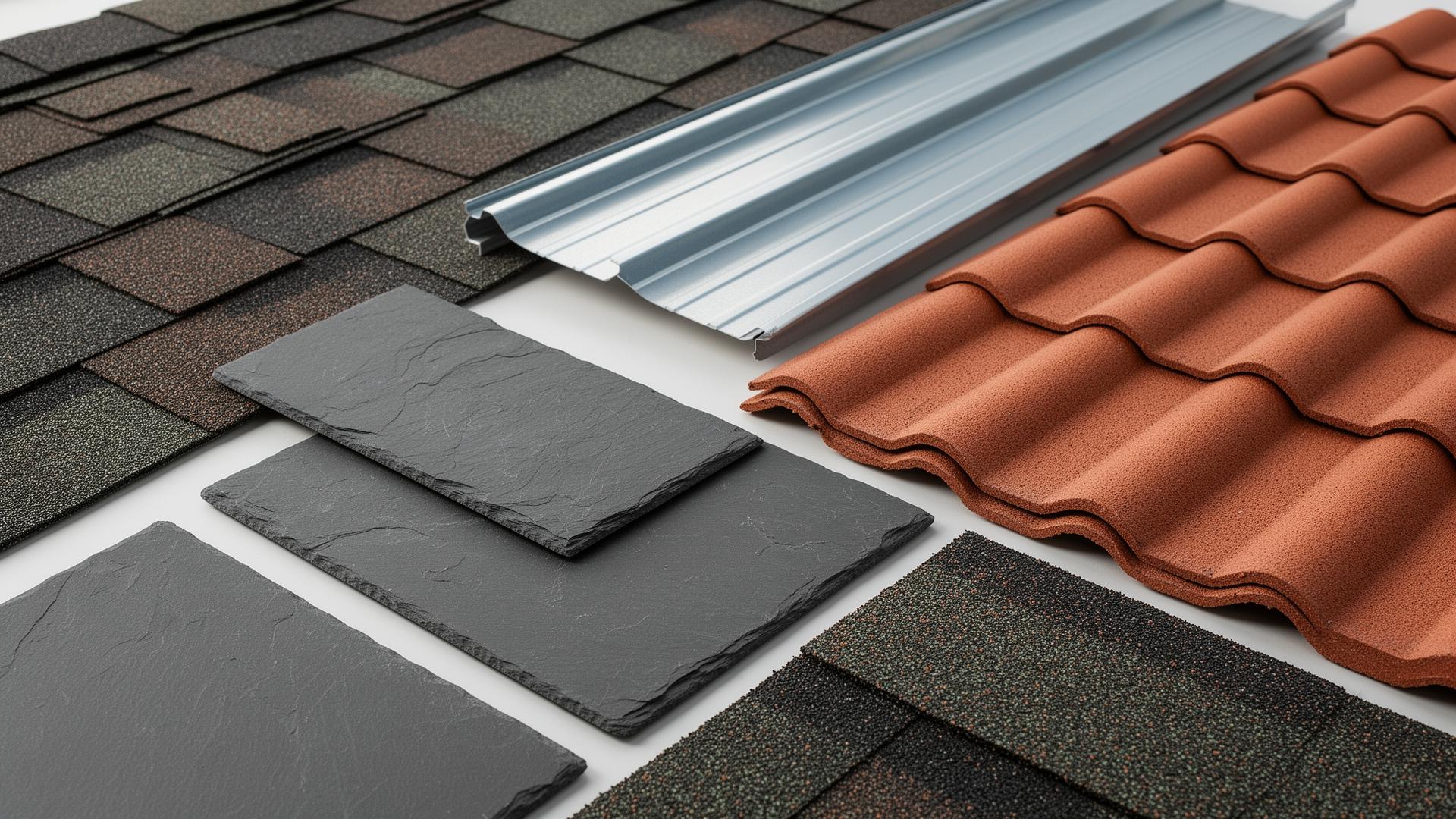
Selecting the right roofing material is among the most important decisions in your replacement project. Materials differ significantly in cost, longevity, appearance, and performance characteristics. This comprehensive comparison helps you make an informed choice.
Asphalt Shingles
The most popular residential roofing choice in North America.
Types Available: Three-tab shingles offer economy, architectural shingles provide dimensional appearance, and premium designer shingles mimic natural materials.
Lifespan: 20-30 years depending on quality level. Premium products may offer 50-year warranties.
Cost: $100-$400 per square installed depending on quality tier.
Pros: Affordable, widely available, easy installation, variety of colors and styles, broad contractor familiarity.
Cons: Shorter lifespan than premium alternatives, susceptible to wind and hail damage, less environmentally sustainable.
Best For: Budget-conscious projects, standard residential applications, areas without extreme weather.
Metal Roofing
Growing in popularity for residential applications.
Types Available: Standing seam (concealed fastener), exposed fastener panels, metal shingles, and stone-coated steel.
Lifespan: 40-70+ years with proper maintenance.
Cost: $300-$800 per square installed.
Pros: Exceptional longevity, energy efficient (reflects heat), fire resistant, lightweight, recyclable.
Cons: Higher initial cost, potential for denting, noise during rain (mitigated with proper installation), fewer local contractors.
Best For: Long-term investments, energy-conscious homeowners, areas with fire risk or extreme weather.
Clay and Concrete Tile
Traditional materials offering distinctive appearance.
Types Available: Clay tiles (barrel, flat, interlocking), concrete tiles (various profiles mimicking clay, slate, or wood).
Lifespan: 50-100+ years for quality products.
Cost: $400-$1,000+ per square installed.
Pros: Exceptional durability, fire resistant, distinctive aesthetics, excellent in hot climates, low maintenance.
Cons: Heavy weight (may require structural reinforcement), fragile under impact, higher cost, limited color options for clay.
Best For: Mediterranean and Southwestern styles, hot climates, long-term ownership, architecturally significant homes.
Natural Slate
Premium natural stone roofing.
Lifespan: 75-200 years for quality slate.
Cost: $600-$1,500+ per square installed.
Pros: Unmatched longevity and beauty, fire resistant, natural material, increases home value.
Cons: Very expensive, extremely heavy, fragile under impact, requires specialized installers, limited repairs possible.
Best For: Historic properties, luxury homes, long-term generational ownership.
Synthetic Roofing
Engineered materials mimicking natural products.
Types Available: Composite slate, synthetic shake, rubber slate, polymer tiles.
Lifespan: 30-50 years depending on product.
Cost: $300-$600 per square installed.
Pros: Lighter weight than natural materials, durable, mimics premium aesthetics at lower cost, impact resistant.
Cons: Newer products with less long-term track record, some products may fade, varying quality between manufacturers.
Best For: Homeowners wanting premium appearance without weight or cost of natural materials.
Wood Shakes and Shingles
Natural wood roofing with classic appeal.
Types Available: Cedar shakes (hand-split, rough texture), cedar shingles (machine-cut, uniform), other wood species.
Lifespan: 20-40 years with proper maintenance.
Cost: $400-$700 per square installed.
Pros: Beautiful natural appearance, good insulation value, environmentally sustainable (when sourced responsibly).
Cons: High maintenance, fire risk (prohibited in some areas), susceptible to rot and insects, weathering changes appearance.
Best For: Traditional or rustic aesthetics, areas without fire restrictions, homeowners willing to maintain.
Flat Roof Materials
Specialized materials for low-slope applications.
Types Available: TPO, EPDM, PVC membranes, modified bitumen, built-up roofing, spray foam.
Lifespan: 20-30 years depending on system.
Cost: $300-$600 per square installed.
Pros: Appropriate for low-slope applications, some offer excellent energy efficiency, various price points.
Cons: Limited aesthetic options, requires specialized contractors, drainage critical.
Best For: Flat or low-slope roof sections, commercial applications, modern architectural styles.
Material Selection Factors
Consider these factors when choosing materials.
Climate Compatibility: Materials should suit your local weather. Impact-resistant products for hail regions, fire-resistant for wildfire areas, wind ratings for coastal zones.
Architectural Style: Materials should complement your home's architecture. Mediterranean homes suit tile; colonial styles suit slate or premium shingles.
Budget Reality: Balance initial cost against lifespan. A $15,000 roof lasting 50 years costs less per year than a $10,000 roof lasting 20 years.
Weight Considerations: Heavy materials (tile, slate) may require structural evaluation or reinforcement.
HOA Requirements: Many HOAs restrict material and color choices. Verify before selecting.
Resale Implications: Premium materials can enhance home value, but over-improving for the neighborhood may not recoup costs.
Energy Efficiency Considerations
Roofing materials affect home energy performance.
Cool Roofing: Light-colored and reflective materials reduce cooling costs in hot climates. Metal and tile naturally reflect more heat than dark shingles.
Insulation Value: Some materials (wood, foam) provide inherent insulation value.
Radiant Barriers: Some products incorporate radiant barriers for enhanced efficiency.
Conclusion
Material selection should balance budget, aesthetics, climate requirements, and long-term value. Consider not just initial cost but total cost of ownership over the roof's expected life. Consulting with experienced contractors helps match materials to your specific situation.
Find roofing contractors for material recommendations and estimates.