Complete Roof Replacement Guide: Planning to Execution
A roof replacement represents one of the most significant home improvement investments you will make. Understanding the process from initial planning through project completion helps ensure successful outcomes and protects your investment.
Signs You Need Replacement
Recognizing when replacement is necessary versus when repairs suffice saves money and prevents problems.
Age Indicators: Most asphalt shingle roofs last 20-25 years. If your roof is approaching or exceeding this age, replacement planning should begin even without obvious problems.
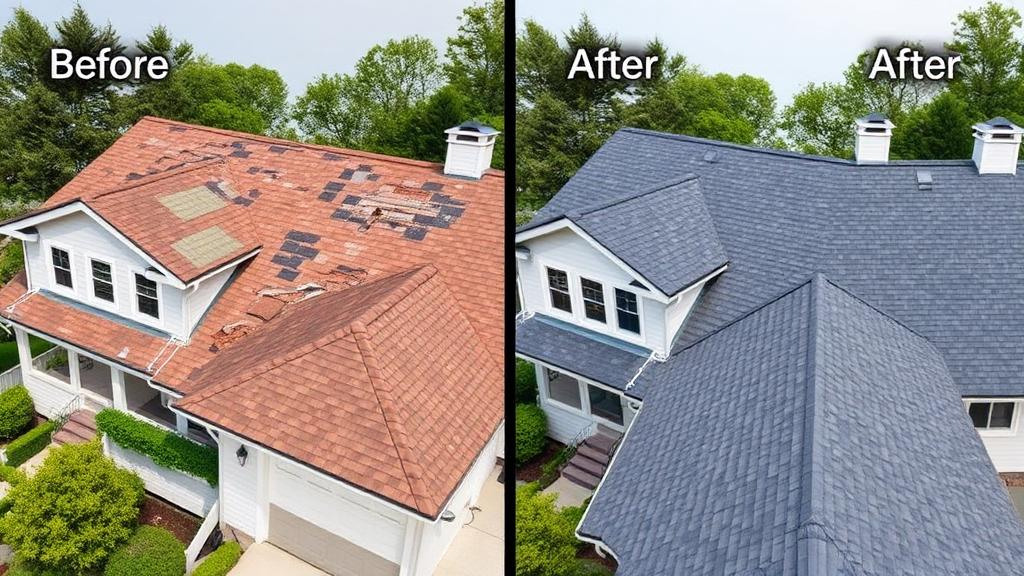
Visible Deterioration: Curling shingles, missing granules, cracked or broken shingles, and visible wear indicate materials approaching end of life.
Multiple Leaks: While individual leaks may be repairable, multiple leak locations often indicate systemic failure warranting replacement.
Sagging: Any visible sagging in the roof structure indicates potential structural problems requiring immediate professional evaluation.
Previous Repairs: Roofs with extensive previous repair history often benefit from replacement rather than continued patching.
Energy Costs: Unexplained increases in heating or cooling costs may indicate insulation failure beneath roofing materials.
Planning Your Replacement
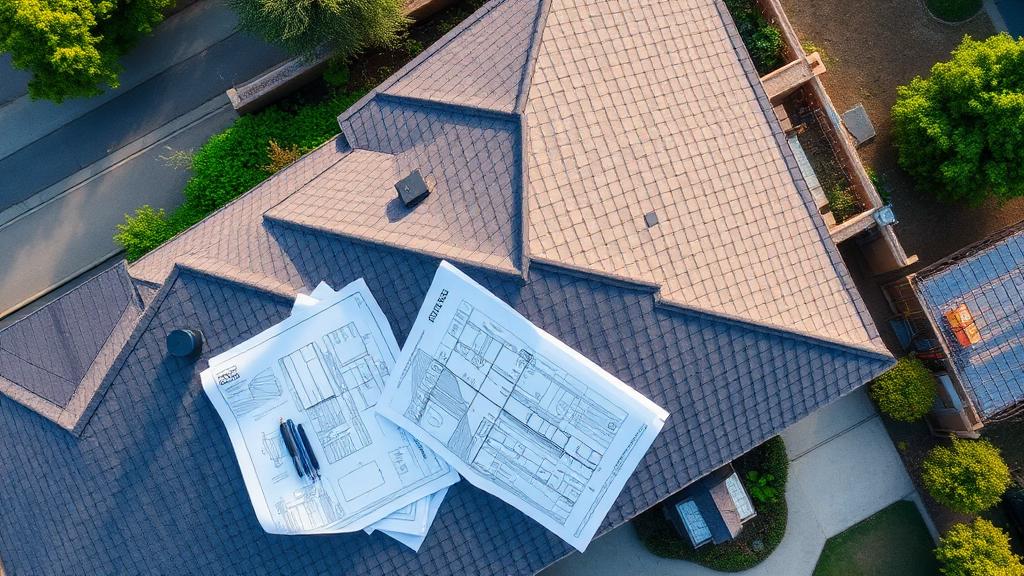
Proper planning leads to better outcomes and smoother projects.
Budget Development: Establish a realistic budget based on local market research. Include contingency funds (10-15%) for unexpected issues discovered during tear-off.
Material Selection: Research roofing materials suited to your climate, aesthetic preferences, and budget. Consider longevity, maintenance requirements, and energy efficiency.
Contractor Selection: Obtain multiple quotes from verified contractors. Check licenses, insurance, references, and manufacturer certifications.
Timing Considerations: Schedule projects during favorable weather seasons. Spring and fall typically offer best conditions and contractor availability in most regions.
Permit Requirements: Verify local permit requirements. Most jurisdictions require permits for roof replacement. Your contractor should handle permit applications.
Material Options
Today's roofing market offers numerous material choices.
Architectural Asphalt Shingles: The most popular choice offering good value, variety of styles, and 25-30 year warranties. Dimensional appearance mimics natural materials.
Premium Shingles: Impact-resistant and designer shingles offer enhanced durability and aesthetics at higher cost.
Metal Roofing: Standing seam and metal shingle options provide 50+ year lifespans with excellent durability. Higher initial cost offsets with longevity.
Tile Roofing: Concrete and clay tiles suit specific architectural styles and climates. Heavy weight requires structural verification.
Synthetic Materials: Composite slate and shake products provide natural material appearance with improved durability and lighter weight.
Wood Shake: Natural beauty with higher maintenance requirements and fire concerns in some areas.
Contractor Selection Process
Finding the right contractor is critical for successful replacement.
Verify Credentials: Confirm licensing (where required), general liability insurance, and workers compensation coverage.
Check References: Contact recent customers and view completed projects. Online reviews provide additional insight.
Written Estimates: Obtain detailed written estimates specifying materials, scope, and terms. Compare estimates carefully-the cheapest option may not be best value.
Manufacturer Certifications: Contractors certified by major manufacturers often provide enhanced warranty options and demonstrate commitment to quality.
Contract Requirements: Ensure comprehensive contracts covering all project aspects including payment terms, timeline, material specifications, and warranty information.
The Replacement Process
Understanding what happens during replacement reduces stress and surprises.
Project Preparation: The contractor should explain preparation requirements including vehicle relocation, landscaping protection, and access needs.
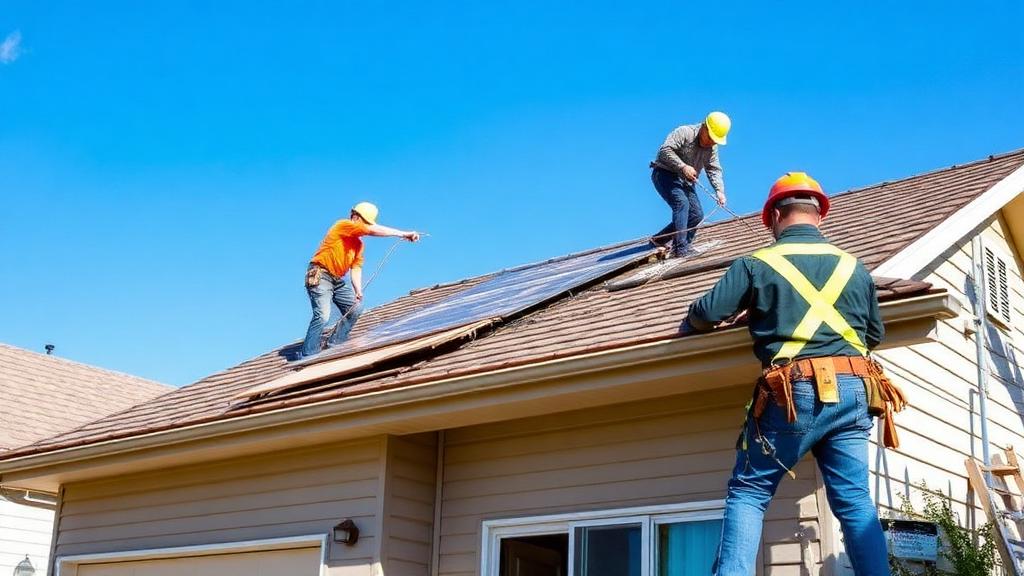
Tear-Off: Existing roofing materials are removed down to the deck. This reveals any deck damage requiring repair.
Deck Inspection and Repair: The exposed deck is inspected. Damaged or rotted sections are replaced. This is when unforeseen issues may add to project scope.
Underlayment Installation: Synthetic or felt underlayment provides a secondary water barrier. Ice and water shield protects vulnerable areas.
Roofing Installation: New roofing materials are installed following manufacturer specifications. Proper installation is critical for warranty validity and performance.
Flashing and Penetrations: All flashings, vents, and penetrations are properly integrated with new roofing.
Cleanup and Inspection: Debris is removed, magnetic sweeping collects nails, and a final inspection verifies quality completion.
Working with Your Contractor
Good communication ensures project success.
Kick-Off Meeting: Discuss project details, daily schedules, communication preferences, and any concerns before work begins.
Daily Check-Ins: Brief daily updates on progress and any issues discovered help maintain awareness.
Change Orders: Any scope changes should be documented in writing with cost implications clearly stated.
Payment Scheduling: Follow agreed payment schedules. Never pay full amount before work is complete and inspected.
Final Inspection and Warranty
Project conclusion involves verification and documentation.
Walk-Through Inspection: Inspect completed work with the contractor. Verify all scope items are complete and quality meets expectations.
Warranty Documentation: Obtain all warranty information including manufacturer product warranties and contractor workmanship warranties.
Permit Closure: Ensure required inspections are completed and permits properly closed.
Maintenance Instructions: Get maintenance recommendations to protect your warranty and maximize roof life.
Conclusion
Roof replacement success depends on careful planning, informed material selection, and partnering with qualified contractors. Taking time upfront to research options and verify contractor credentials protects your investment and ensures your new roof provides decades of reliable protection.
Find qualified roof replacement contractors in your area.