Connecticut Coastal Roofing: Protection from Noreasters and Salt Air
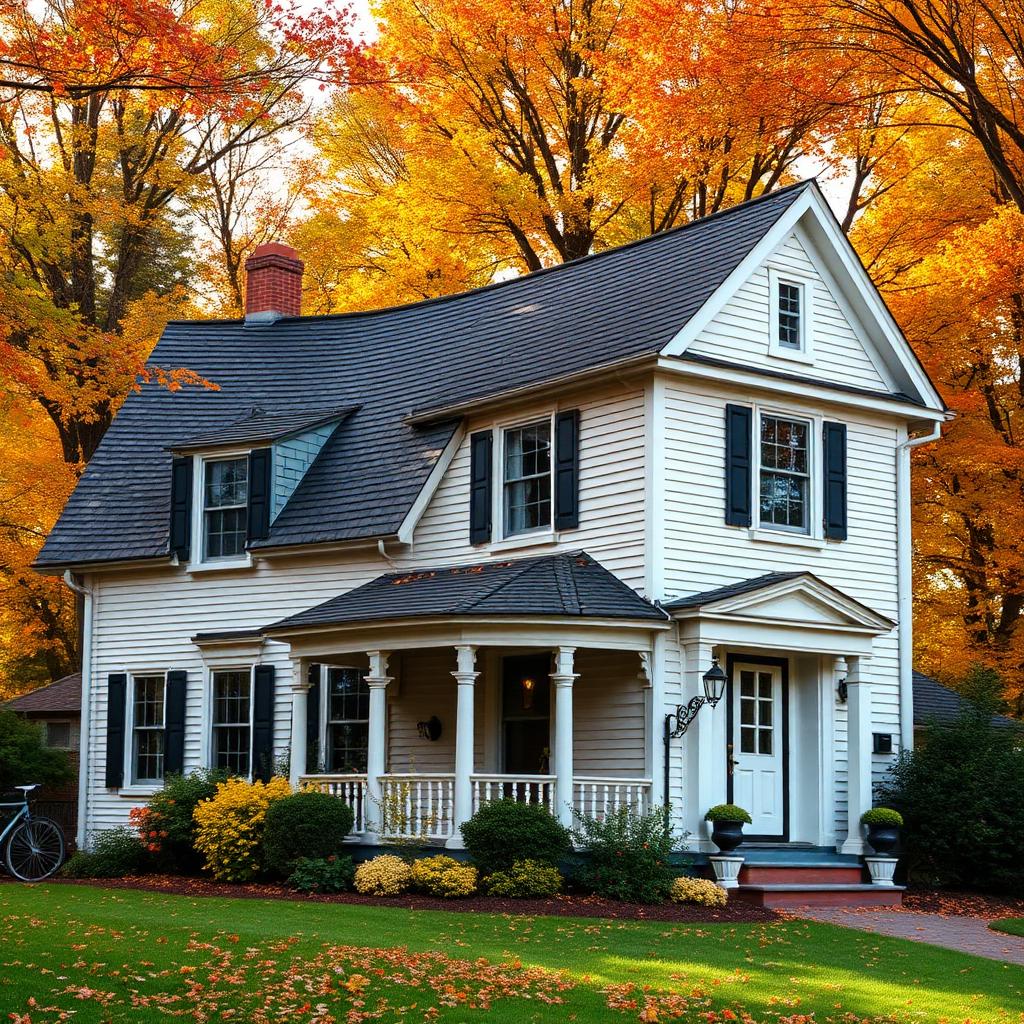
Connecticut coastal properties face unique roofing challenges from Noreasters and salt air exposure. Understanding these conditions helps protect valuable waterfront homes.
Coastal Challenges
Noreaster Winds: Powerful storms bring destructive winds.
Salt Air Corrosion: Constant salt exposure accelerates deterioration.
Driving Rain: Wind-driven rain tests waterproofing.
Storm Surge: Severe storms bring flooding threats.
Wind Resistance
High-Wind Ratings: Choose materials rated for 110+ mph.
Enhanced Fastening: Additional nails and adhesive application.
Edge Treatment: Secure starter strips and edge metal.
Hip and Ridge: Use compatible high-wind ridge caps.
Salt-Resistant Materials
Corrosion Concerns: Salt air corrodes metal components.
Aluminum or Copper: Choose corrosion-resistant metals.
Stainless Fasteners: Use stainless steel nails and screws.
Protective Coatings: Coated metals offer additional protection.
Material Selection
Asphalt Shingles: High-wind rated shingles perform well.
Metal Roofing: Use marine-grade finishes for coastal homes.
Slate: Natural slate resists salt air excellently.
Synthetic Options: Some synthetics offer excellent coastal performance.
Installation Best Practices
Sealed Deck: Full ice and water shield provides protection.
Wind-Resistant Details: All penetrations and edges secured.
Quality Flashing: Corrosion-resistant flashing throughout.
Proper Ventilation: Maintain ventilation while resisting wind.
Maintenance Requirements
Frequent Inspection: Coastal homes need more frequent checks.
Salt Removal: Periodic rinsing removes salt accumulation.
Hardware Check: Inspect metal components for corrosion.
Storm Preparation: Pre-storm inspection and preparation.
Insurance Considerations
Coastal Coverage: Understand coastal insurance requirements.
Wind/Flood Separate: Often separate policies needed.
Mitigation Credits: High-wind construction may reduce premiums.
Documentation: Maintain records of wind-resistant features.
Conclusion
Connecticut coastal roofing requires materials and installation designed for harsh conditions. Invest in quality to protect waterfront properties.
Need coastal expertise? Find Connecticut contractors experienced with waterfront properties.