Drone Roof Inspections in Minneapolis: How Technology Is Changing Roofing in 2026
Drone Roof Inspections in Minneapolis: The Future Is Here
The roofing industry in Minneapolis is embracing drone technology at a rapid pace. As Minnesota's extreme weather—from heavy snow loads to summer hailstorms—takes its toll on residential and commercial roofs, drone inspections offer a faster, safer, and more thorough way to assess roof conditions.
In this 2026 guide, we'll explore how drone roof inspections work, what they cost in Minneapolis, and why they're becoming the standard for forward-thinking roofing companies across the Twin Cities.
What Is a Drone Roof Inspection?
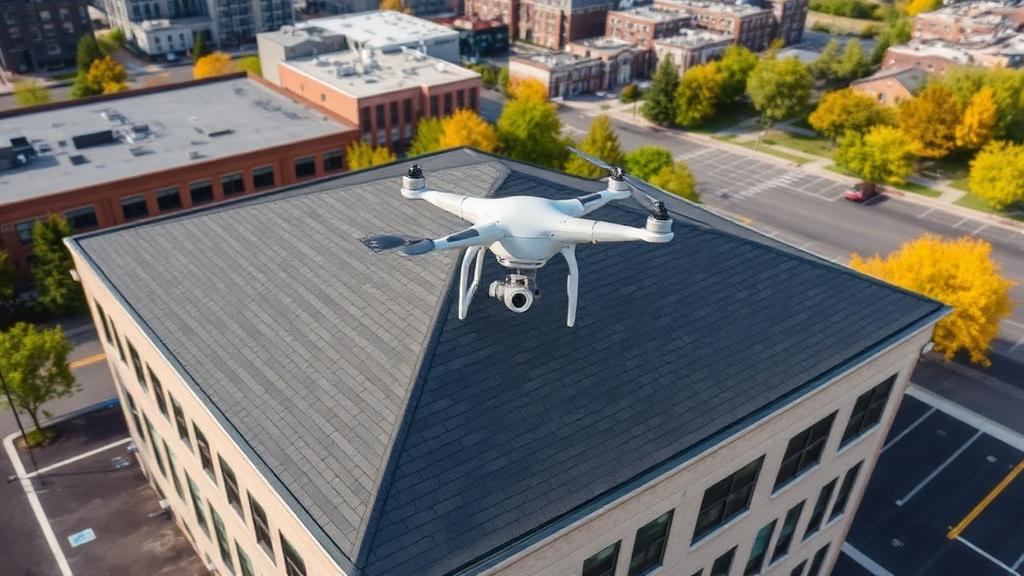
A drone roof inspection uses an unmanned aerial vehicle (UAV) equipped with high-resolution cameras and sometimes thermal imaging sensors to capture detailed images and video of your roof from multiple angles. The data is then analyzed by roofing professionals to identify damage, wear, and potential problem areas.
Modern inspection drones used in Minneapolis typically feature:
- 4K or higher resolution cameras for capturing minute details like hairline cracks, missing granules, and flashing gaps
- Thermal imaging sensors that detect moisture intrusion, insulation gaps, and heat loss—particularly valuable during Minneapolis winters
- GPS mapping that creates precise measurements and 3D models of your roof
- Zoom capabilities allowing inspectors to examine specific areas without repositioning the drone
Why Drone Inspections Are Ideal for Minneapolis
Minneapolis presents unique challenges that make drone inspections particularly valuable:
Safety in Extreme Conditions
Traditional roof inspections require someone to physically climb onto your roof. In Minneapolis, this can be dangerous:
- Ice and snow: From November through March, Minneapolis roofs are often covered in ice and snow, making them treacherous to walk on
- Steep pitch: Many Minneapolis homes feature steep-pitched roofs designed for snow shedding, which are inherently dangerous to navigate
- Multi-story buildings: Downtown Minneapolis and surrounding neighborhoods feature many multi-story residential buildings where traditional inspection requires expensive scaffolding or lifts
Drones eliminate these safety risks entirely. An inspector can assess your roof from the ground in any season, regardless of weather conditions.
Comprehensive Coverage
Traditional inspections often miss areas that are difficult to access—behind chimneys, in tight valleys, or on the back side of dormers. Drones can capture every square inch of your roof, ensuring no damage goes undetected.
Speed and Efficiency
A traditional roof inspection in Minneapolis takes 1–3 hours. A drone inspection covers the same area in 15–30 minutes, with higher-quality imagery and more comprehensive documentation.
What Drone Inspections Can Detect
Modern drone technology can identify a wide range of roofing issues common in Minneapolis:
Shingle Damage: Missing, cracked, curling, or wind-lifted shingles are easily visible in high-resolution drone imagery.
Hail Damage: Minneapolis averages 2–3 significant hailstorms per year. Drones with macro photography capabilities can detect granule loss and impact marks that are difficult to see from the ground.
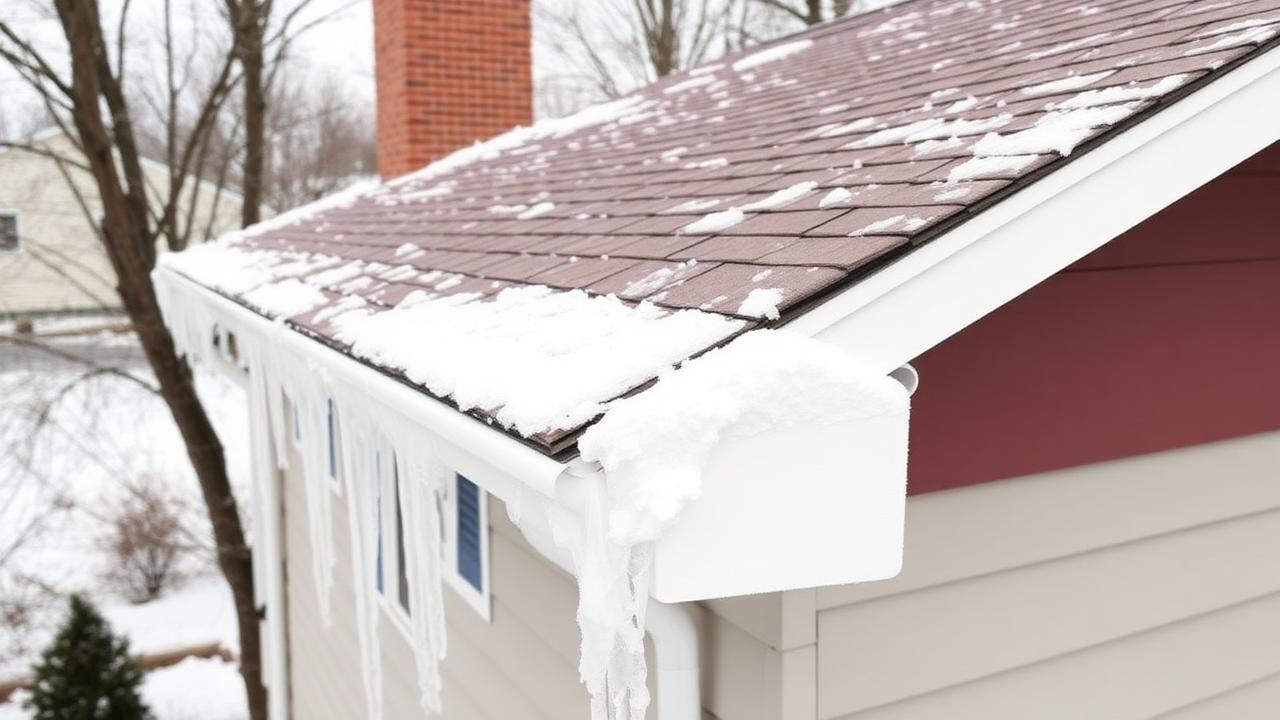
Ice Dam Evidence: Thermal imaging reveals heat loss patterns that contribute to ice dam formation—a critical issue for Minneapolis homes.
Flashing Problems: Drone cameras can zoom into flashing around chimneys, vents, skylights, and wall intersections to detect lifting, rust, or sealant failure.
Gutter Issues: Sagging, separation, and debris accumulation in gutters are clearly visible from aerial perspectives.
Flat Roof Ponding: For commercial buildings and flat-roofed Minneapolis homes, drones can detect standing water that indicates drainage problems.
Ventilation Assessment: Thermal imaging can reveal blocked or inadequate ventilation, which is a major contributor to ice dams and premature roof aging in Minnesota's climate.
Drone Inspection Costs in Minneapolis (2026)
Drone roof inspections in Minneapolis are surprisingly affordable, especially considering the quality of data they provide:
| Service Level | Cost Range | What's Included |
|---|---|---|
| Basic Visual Inspection | $150–$300 | HD photos and video, written report |
| Standard Inspection | $300–$500 | HD photos, thermal imaging, measurements, detailed report |
| Premium Inspection | $500–$800 | Full 3D model, thermal scan, moisture mapping, insurance-ready report |
| Commercial Inspection | $800–$2,000+ | Large-scale mapping, multiple thermal passes, structural analysis |
Compared to traditional inspections ($200–$500 for residential), drone inspections at the standard level offer significantly more data for a comparable price.
Thermal Imaging: A Game-Changer for Minneapolis Homes
Perhaps the most valuable feature of drone inspections for Minneapolis homeowners is thermal imaging. Minnesota's extreme temperature swings (from -20°F in winter to 95°F in summer) create significant thermal stress on roofing materials.
Thermal drone cameras can detect:
- Moisture Intrusion: Wet insulation retains heat differently than dry insulation, creating visible thermal signatures that pinpoint leaks before they cause interior damage
- Insulation Gaps: Areas of missing or compressed insulation show up as hot spots in winter and cool spots in summer
- Ice Dam Risk Zones: Heat loss through the roof deck—the primary cause of ice dams—is clearly visible in thermal imagery during cold months
- Electrical Hot Spots: Overheating electrical connections in attic spaces can be detected, preventing potential fire hazards
How to Prepare for a Drone Roof Inspection
If you've scheduled a drone inspection for your Minneapolis home, here's how to prepare:
- Clear the area: Remove vehicles, outdoor furniture, and obstacles from around your home's perimeter
- Secure pets: Keep dogs and cats inside during the inspection
- Provide access: Ensure the inspector has access to your property and neighboring areas if needed for takeoff/landing
- Share concerns: Tell the inspector about any known issues, recent storms, or areas of particular concern
- Check regulations: Minneapolis has specific drone regulations. Your inspector should have FAA Part 107 certification and know local flight restrictions
FAA Regulations for Drone Inspections in Minneapolis
All commercial drone operations in Minneapolis must comply with FAA Part 107 regulations:
- Pilot Certification: The drone operator must hold a Remote Pilot Certificate issued by the FAA
- Altitude Limits: Drones must fly below 400 feet above ground level
- Visual Line of Sight: The operator must maintain visual contact with the drone at all times
- Airspace Restrictions: Minneapolis-Saint Paul International Airport creates restricted airspace in parts of the metro area. Inspectors may need FAA authorization (LAANC) for some locations
- Weather Minimums: Operations must maintain minimum visibility and cloud clearance requirements
Choosing a Drone-Certified Roofing Inspector in Minneapolis
Not all roofing companies offer drone inspections, and not all drone operators understand roofing. Look for the intersection of both skills:
Roofing Knowledge: Your inspector should be a licensed roofing professional who understands Minnesota building codes, common failure points, and local material requirements.
FAA Certification: Verify that the drone operator holds a current FAA Part 107 Remote Pilot Certificate.
Insurance Coverage: Drone operators should carry specific drone liability insurance in addition to standard general liability coverage.
Equipment Quality: Ask about the drone model and camera specifications. Consumer-grade drones (like basic DJI Mini models) may not provide the image quality needed for thorough inspections. Professional-grade drones with 20+ megapixel cameras and thermal sensors deliver the best results.
Report Quality: Request a sample inspection report before hiring. Quality reports include annotated photographs, thermal overlays, measurements, and clear recommendations.
Find qualified roofing inspectors in Minneapolis who offer drone inspection services through our contractor directory.
Drone Inspections for Insurance Claims
Minneapolis homeowners frequently file insurance claims for hail, wind, and ice dam damage. Drone inspections provide superior documentation for these claims:
- Timestamped, GPS-tagged imagery proves exactly when and where damage was documented
- Before-and-after comparison capabilities help demonstrate storm-related changes
- Comprehensive coverage ensures no damaged area is overlooked in the claim
- Professional reporting meets insurance adjuster documentation requirements
Many Minneapolis insurance adjusters now accept and even prefer drone inspection reports, as they provide clearer evidence than traditional ground-level photographs.
The Future of Drone Roofing Technology
The drone inspection industry is evolving rapidly. Here's what Minneapolis homeowners can expect in the coming years:
AI-Powered Analysis: Machine learning algorithms are being trained to automatically identify roofing defects in drone imagery, reducing human error and speeding up report generation.
LiDAR Integration: Light Detection and Ranging sensors are becoming available on inspection drones, enabling precise 3D measurements of roof geometry without manual measurement.
Autonomous Inspection: Pre-programmed flight paths will allow drones to conduct identical inspection routes over time, enabling precise comparison of roof condition changes.
Frequently Asked Questions
How often should I get a drone roof inspection in Minneapolis? We recommend annual drone inspections, ideally in spring after winter weather has passed. Additional inspections should be conducted after any significant hailstorm or wind event.
Can drones inspect my roof in winter? Yes, though effectiveness varies. Visual inspections are limited when roofs are snow-covered, but thermal imaging is actually most effective during cold weather, as temperature differentials are more pronounced.
Will a drone damage my roof? No. Inspection drones never touch your roof. They hover 10–30 feet above the surface, capturing images remotely.
Is a drone inspection as good as a traditional inspection? For most purposes, drone inspections provide equal or superior results. However, some situations (like inspecting the underside of flashing or testing shingle adhesion) still require hands-on examination.
Conclusion
Drone roof inspections represent the future of roofing assessment in Minneapolis. With superior safety, comprehensive coverage, and advanced thermal imaging capabilities, they're the smart choice for Minnesota homeowners who want to stay ahead of roof problems before they become expensive repairs.
Ready to schedule a drone roof inspection? Browse Minneapolis roofing contractors and ask about drone inspection services.