Ice Dam Prevention in Minneapolis: Protect Your Roof Before Winter 2026
Ice Dam Prevention in Minneapolis: Get Ready for Winter 2026
Minneapolis homeowners know the frustration and expense of ice dams all too well. These ridges of ice that form along roof eaves during winter can cause thousands of dollars in damage to roofs, gutters, walls, and interiors. But ice dams are preventable with proper planning and roof system design. This guide covers everything Minneapolis homeowners need to know about preventing ice dams before the winter of 2026-2027.
Understanding Ice Dams in Minneapolis
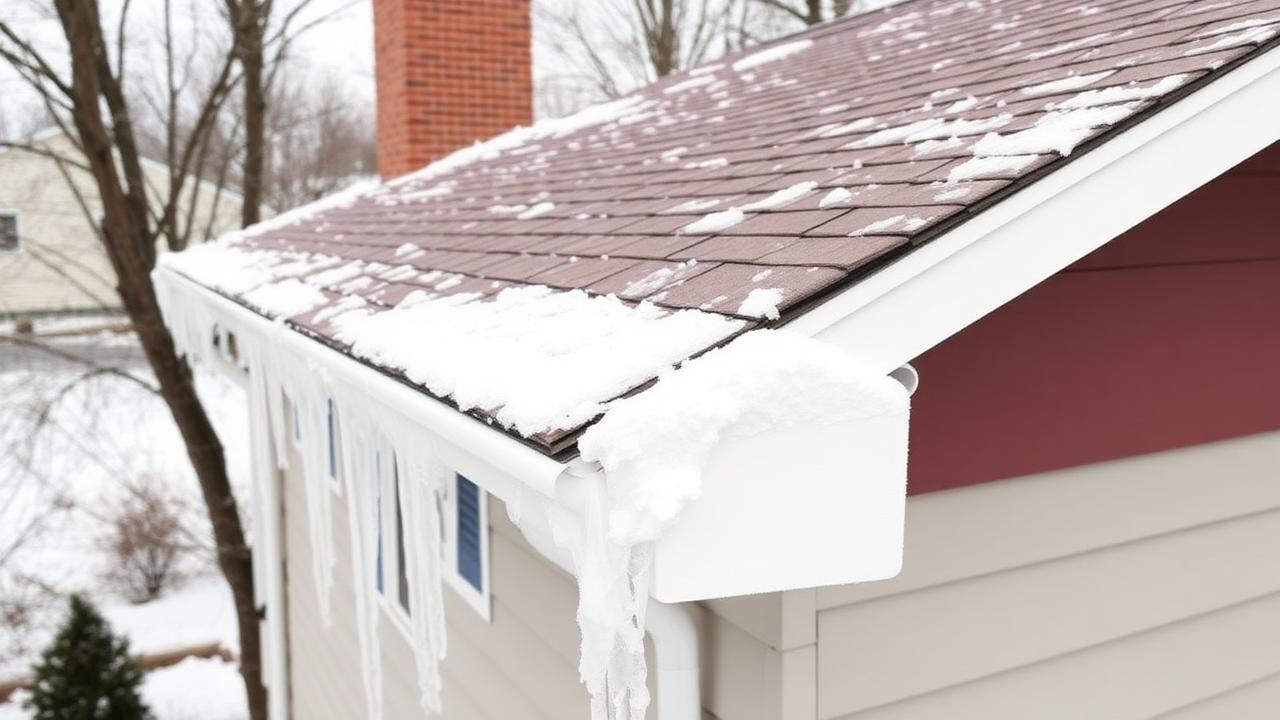
Ice dams form when heat escaping through the roof melts snow on the upper portions of the roof. The meltwater flows down toward the eaves, where the roof surface is colder (extending beyond the heated building envelope), and refreezes. Over time, this cycle creates a dam of ice that prevents subsequent meltwater from draining, forcing it under shingles and into the building.
Minneapolis Ice Dam Risk Factors:: - Average winter low temperatures of 5-15°F - Average annual snowfall of 54 inches - Extended periods of sub-freezing temperatures - Frequent freeze-thaw cycling - Older housing stock with inadequate insulation - Complex roof geometries common in Minneapolis homes - Heavy snow loads remaining on roofs for weeks
The Three-Pronged Prevention Strategy
Effective ice dam prevention requires addressing three interconnected factors: heat loss, ventilation, and moisture protection.
1. Reduce Heat Loss Through the Ceiling
The primary cause of ice dams is heat escaping from your living space into the attic. Sealing air leaks and adding insulation are the most effective long-term solutions.
Air Sealing Priority Areas:: - Around recessed light fixtures (use IC-rated fixtures) - At the top of interior partition walls - Around plumbing and electrical penetrations - At the attic hatch or pull-down stair opening - Around chimney and flue pipe penetrations - At knee walls and cathedral ceiling transitions
Insulation Recommendations for Minneapolis (Zone 6A):: - Minimum R-49 attic insulation (current code) - R-60 recommended for optimal ice dam prevention - Spray foam at roof deck for conditioned attic approach - Blown cellulose or fiberglass fill for standard attic floors
2. Ensure Proper Attic Ventilation
Adequate ventilation keeps the underside of the roof deck cold, preventing snowmelt on the roof surface.
Ventilation Requirements:: - Continuous soffit venting at eaves (minimum 1 sq in per lineal foot) - Continuous ridge vent at peak - Maintain clear ventilation channels from soffit to ridge - Install insulation baffles at every rafter bay to prevent blockage - Ensure at least 1 inch clearance between insulation and roof deck
3. Install Ice and Water Shield Membrane
Even with excellent insulation and ventilation, Minneapolis conditions can still produce some ice damming. Ice and water shield membrane provides a critical last line of defense.
Ice and Water Shield Guidelines:: - Install from eave edge to minimum 24 inches past the exterior wall line - Minnesota code requires minimum 2-foot coverage past wall line - Consider extending coverage to 3-6 feet for maximum protection - Apply at all valleys, around skylights, and at all penetrations - Premium self-adhering products (Grace Ice & Water Shield, CertainTeed WinterGuard)
Heated Cable Systems
For homes where structural solutions aren't feasible, heated cable systems provide an active defense against ice dams.
Types of Heated Cable:: - Self-regulating cables: Adjust heat output based on temperature. More energy-efficient and safer than constant-wattage cables. - Constant-wattage cables: Less expensive but less efficient. Require thermostat control. - In-gutter heating: Prevents ice dam formation in gutters and downspouts.
Installation Tips:: - Professional installation recommended for safety and effectiveness - Route cables in zigzag pattern along eave edge - Extend cables into gutters and downspouts - Use dedicated circuit with GFCI protection - Annual inspection before winter season
Emergency Ice Dam Removal
If ice dams form despite prevention efforts, proper removal is essential to prevent damage.
Safe Removal Methods:: - Professional steam removal (safest, most effective) - Calcium chloride ice melt in stockings placed on dam - Professional roof raking to remove snow above dam
NEVER Do This:: - Hack at ice dams with axes, picks, or chisels - Use pressure washers or hot water - Use rock salt or sodium chloride (damages roofing and landscaping) - Walk on icy roof surfaces
Conclusion
Ice dam prevention is a year-round concern for Minneapolis homeowners, but the best time to act is before winter arrives. By addressing heat loss, improving ventilation, and installing proper moisture barriers, you can eliminate or dramatically reduce ice dam risk. Don't wait for the first snowfall—contact a qualified Minneapolis roofing contractor to assess your home's ice dam vulnerability and implement prevention strategies before winter 2026-2027.