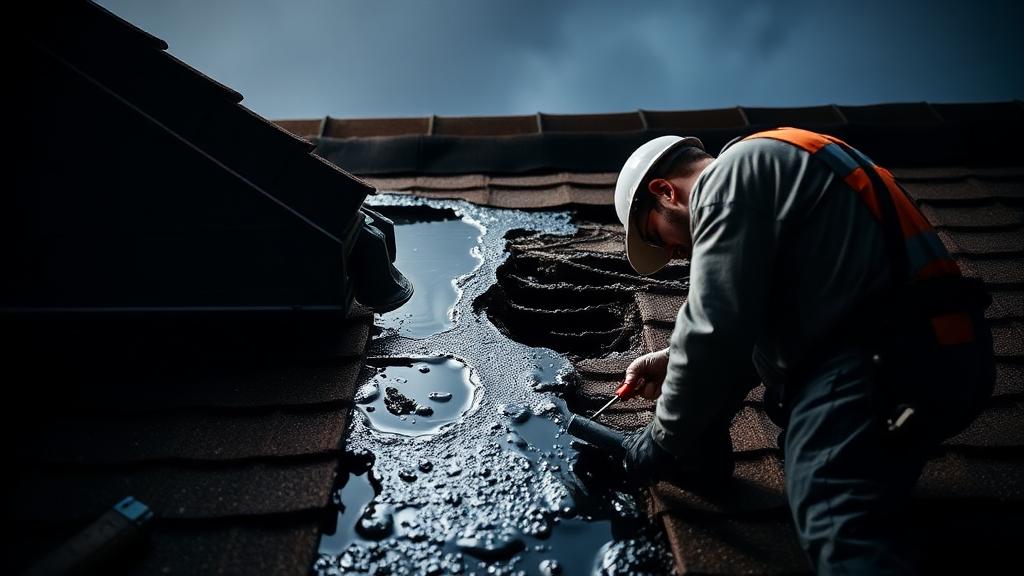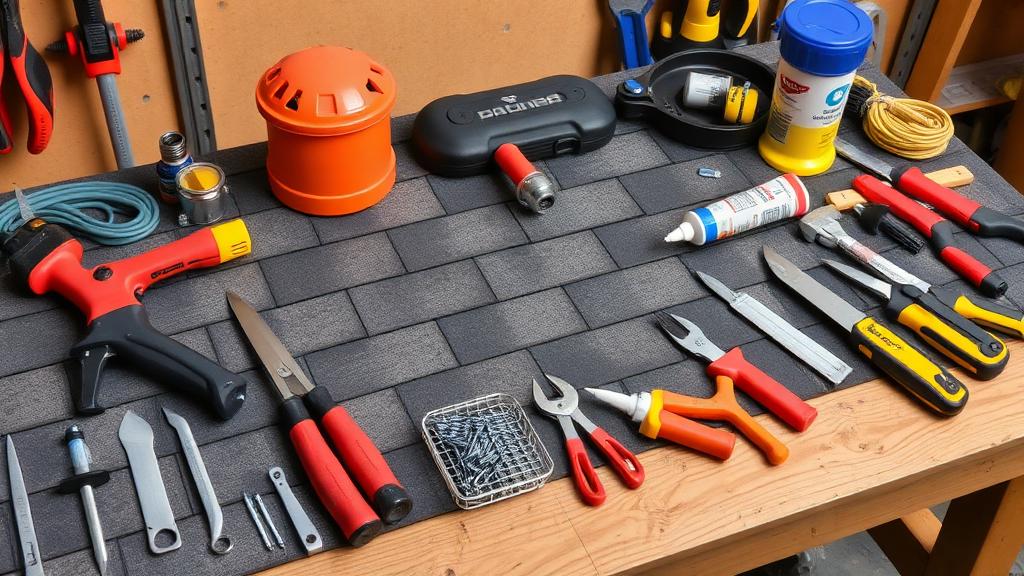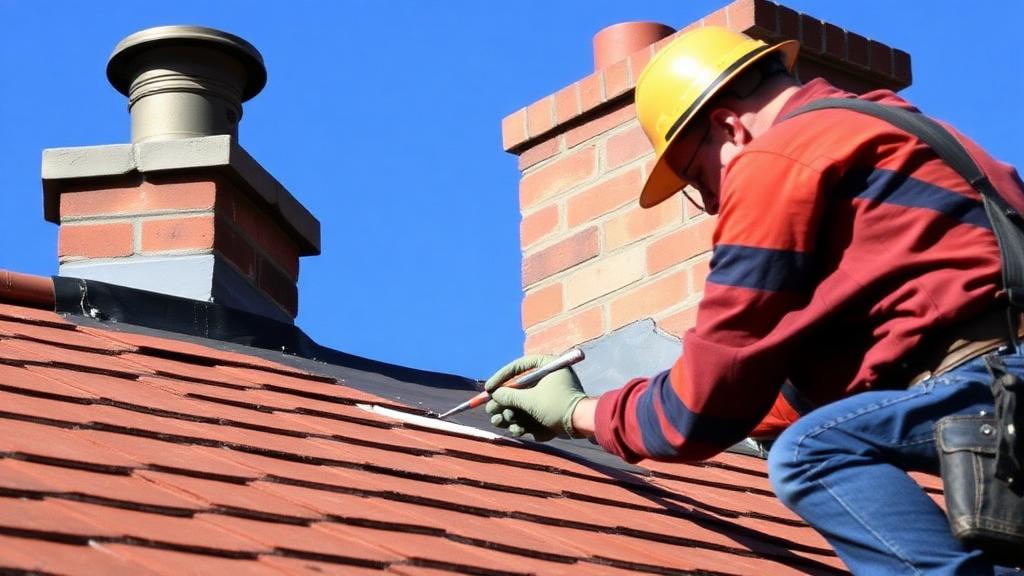
Complete Guide to Roof Repair: When to Fix vs. Replace Your Roof
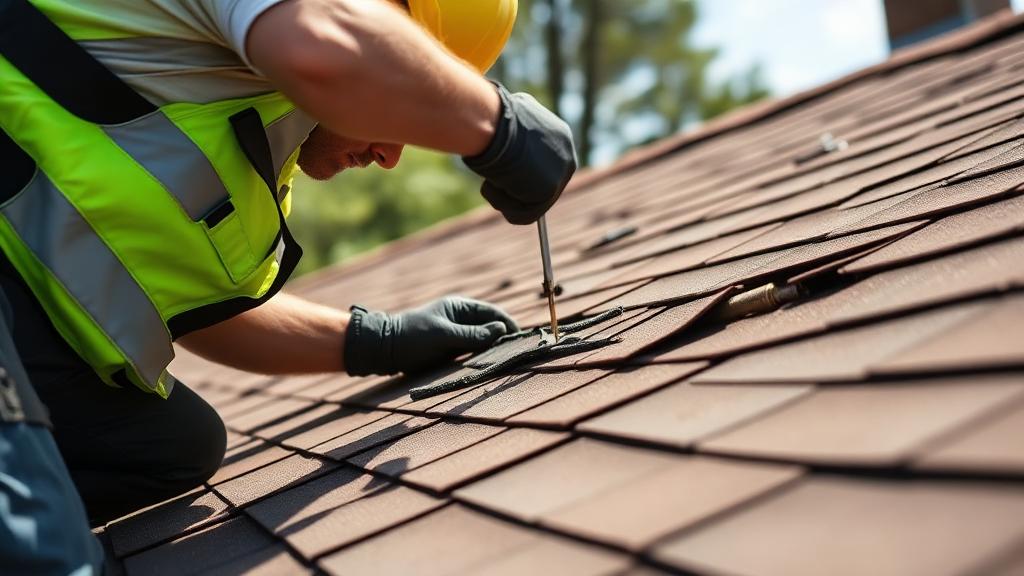
Deciding between roof repair and replacement is one of the most significant home improvement decisions you'll face. This comprehensive guide will help you understand when repairs are sufficient and when replacement becomes the smarter long-term investment.
Understanding Roof Damage Assessment
Before making any decisions, understanding the extent and type of damage is crucial. Professional roof inspections reveal problems that aren't visible to untrained eyes.
Types of Roof Damage:
- Surface Damage - Affects only the outer roofing material
- - Missing or damaged shingles
- - Granule loss on asphalt shingles
- - Cracked or broken tiles
- - Minor rust on metal roofing
- Structural Damage - Affects underlying components
- - Damaged roof decking
- - Rotted rafters or trusses
- - Compromised flashing
- - Failed underlayment
- Water Damage - Results from prolonged exposure
- - Saturated insulation
- - Mold or mildew growth
- - Stained ceilings
- - Damaged drywall
Damage Assessment Factors:: - Age of the roof relative to expected lifespan - Percentage of roof area affected - Cause of damage (age, storm, impact) - Previous repair history - Current roof condition overall
When Roof Repair Makes Sense
Repairs are often the most economical choice when damage is limited and the roof has significant remaining lifespan.
Ideal Repair Scenarios:
| Situation | Typical Repair Cost | Best Approach |
|---|---|---|
| 1-10 missing shingles | $150-$400 | Shingle replacement |
| Minor flashing damage | $200-$500 | Flashing repair/replacement |
| Small leak area | $300-$700 | Targeted repair |
| Vent boot failure | $150-$350 | Boot replacement |
| Minor ridge cap damage | $250-$500 | Ridge cap repair |
Repair-Favorable Conditions:: - Roof is less than 15 years old (asphalt) or 25 years (tile/metal) - Damage affects less than 25% of roof area - No underlying structural damage - Single isolated problem rather than widespread issues - Storm damage covered by insurance
Cost-Benefit Analysis:: If repair costs less than 30% of replacement cost and adds 5+ years of useful life, repair typically makes financial sense.
When Replacement Is the Better Investment
Sometimes repairs only delay the inevitable, making replacement the smarter choice.
Replacement Indicators:
- Age-Related Decline
- - Asphalt shingles beyond 20 years
- - Multiple age-related issues appearing
- - Widespread granule loss
- - General brittleness and deterioration
- Extensive Damage
- - More than 30% of roof affected
- - Multiple leak points
- - Underlying deck damage
- - Failed underlayment
- Multiple Previous Repairs
- - Repeated repairs in same areas
- - Patched appearance reducing home value
- - Accumulating repair costs
- Energy Efficiency Concerns
- - Poor attic ventilation from old design
- - Inadequate insulation compatibility
- - Missing modern energy features
Hidden Replacement Benefits:: - New material options improve durability - Modern underlayments provide better protection - Updated building codes enhance storm resistance - Improved energy efficiency reduces utility costs
Types of Roof Repairs
Understanding common repairs helps you evaluate contractor recommendations.
Shingle Repairs:: Individual shingles can be replaced when damage is limited. Matching existing shingles becomes difficult as roofs age because colors fade and product lines discontinue.
Process: 1. Remove damaged shingle 2. Check underlying felt for damage 3. Install new shingle with proper nailing 4. Apply sealant to edges 5. Check surrounding shingles
Cost: $150-$400 for minor repairs
Flashing Repairs:: Flashing around chimneys, vents, skylights, and valleys is a common leak source.
Repair options: - Resealing existing flashing - Partial flashing replacement - Complete flashing system upgrade
Cost: $200-$600 depending on location and extent
Leak Repairs:: Leak repair complexity varies dramatically based on source.
Simple leaks: - Obvious source like missing shingle - Direct path to visible interior damage - Recent occurrence before extensive damage
Complex leaks: - Source distant from visible damage - Multiple potential entry points - Traveled through insulation before appearing
Cost: $300-$1,500+ depending on complexity
Valley Repairs:: Roof valleys channel significant water and are prone to problems.
Common valley repairs: - Debris removal and cleaning - Flashing repair or replacement - Shingle replacement along valley - Complete valley reconstruction
Cost: $500-$2,000 per valley
The Repair Process
Understanding what professional repairs involve helps you evaluate quality.
Step 1: Inspection and Diagnosis Professional contractors examine visible damage and investigate underlying causes. Quick visual inspections miss hidden problems that lead to recurring issues.
Step 2: Scope Definition The contractor defines exactly what will be repaired, including: - Specific materials needed - Labor hours estimated - Access requirements - Warranty coverage
Step 3: Material Matching For seamless repairs, matching existing materials matters. Experienced contractors: - Identify exact shingle type and color - Source matching or compatible products - Advise when matching isn't possible - Recommend alternatives when needed
Step 4: Repair Execution Quality repair work includes: - Proper safety precautions - Careful removal of damaged materials - Thorough inspection of exposed areas - Correct installation procedures - Appropriate sealants and fasteners - Clean worksite upon completion
Step 5: Post-Repair Verification Responsible contractors verify work with: - Water testing when appropriate - Visual inspection documentation - Warranty paperwork provision - Maintenance recommendations
DIY vs. Professional Repairs
Some minor repairs are within homeowner capability, while others require professional expertise.
DIY-Appropriate Repairs:: - Replacing a few shingles on walkable roof - Applying roof sealant to minor gaps - Cleaning debris from valleys - Basic gutter repairs
Requires Professional Expertise:: - Flashing repairs and replacement - Anything involving structural damage - Steep or high roofs - Tile or slate repairs - Multiple leak sources - Warranty-protected roofs
DIY Risks:: - Personal injury from falls - Improper repairs causing more damage - Voided warranties - Missing hidden problems - Incorrect material selection
Read our DIY vs. Professional guide for detailed assessment criteria.
Repair Costs by Type
Understanding typical costs helps you evaluate quotes and budget appropriately.
Minor Repairs ($100-$500):: - Single shingle replacement - Vent boot replacement - Minor sealant application - Small gutter repair - Pipe collar repair
Moderate Repairs ($500-$1,500):: - Multiple shingle replacement - Flashing repair - Small leak repair - Valley cleaning and repair - Ridge cap replacement
Major Repairs ($1,500-$5,000):: - Extensive shingle damage - Major flashing replacement - Complex leak repair - Partial deck replacement - Multiple valley repairs
Factors Affecting Repair Costs:: - Roof pitch and accessibility - Material type - Geographic location - Damage extent - Emergency timing
Making the Repair vs. Replace Decision
Use this framework to make an informed decision.
Calculate Total Costs:
| Factor | Repair | Replace |
|---|---|---|
| Immediate cost | Lower | Higher |
| Expected additional repairs | Add projected costs | None for years |
| Energy savings | None | Potential improvement |
| Home value impact | Minimal | Positive |
| Peace of mind | Temporary | Long-term |
The 50% Rule:: If repair costs exceed 50% of replacement cost and roof is past half its expected lifespan, replacement typically makes more sense.
The 3-Repair Rule:: After three significant repairs in five years, ongoing patching often costs more than proactive replacement.
Working with Insurance
Storm damage repairs often involve insurance claims.
Insurance Repair Coverage:: - Sudden damage typically covered - Age-related wear typically excluded - Deductible applies to covered claims - Contractor estimates help substantiate claims
Documentation for Claims:: - Before and after photographs - Professional inspection reports - Repair or replacement estimates - Proof of roof age and maintenance
Learn more about navigating roof insurance claims.
Choosing a Repair Contractor
Quality repairs require skilled contractors.
Contractor Qualities:: - Licensed and insured - Experience with your roof type - Written estimates provided - Warranty on workmanship - References available - Professional communication
Red Flags:: - Pressure for immediate decision - Cash-only requests - No written documentation - Vague scope descriptions - Significantly below-market pricing
Maintaining Repaired Roofs
Repairs are investments worth protecting.
Post-Repair Maintenance:: - Annual visual inspections - Prompt addressing of new issues - Regular gutter cleaning - Tree trimming near roof - Attic ventilation monitoring
Documentation:: Keep records of all repairs including: - Date of repair - Contractor information - Work performed - Materials used - Warranty details - Cost
Conclusion
The repair vs. replace decision requires honest assessment of damage extent, roof age, cost comparison, and long-term goals. Minor damage on newer roofs deserves repair, while extensive damage or aging roofs benefit from replacement investment. Professional inspection provides the information needed for confident decisions.
Ready to assess your roof's repair needs? Find qualified local contractors who can provide honest evaluations and quality workmanship.