DIY Roof Repair: Which Repairs You Can Handle and Which Need Professionals
Many homeowners wonder which roof repairs they can tackle themselves versus when to call professionals. This guide provides honest assessment of DIY possibilities, safety requirements, and professional thresholds.
Assessing Your DIY Capabilities
Before attempting any roof work, honestly evaluate your situation.
Physical Requirements:: - Comfort with heights (minimum 10-15 feet) - Balance and stability on inclined surfaces - Physical strength for material handling - Mobility for attic and roof access
Skill Requirements:: - Basic construction knowledge - Tool proficiency - Ability to follow detailed instructions - Problem-solving when unexpected issues arise
Equipment Requirements:: - Appropriate ladder (extending above roofline) - Safety harness and anchor system - Proper footwear with good grip - Basic roofing tools
Roof Conditions Affecting DIY Feasibility:
| Condition | DIY Feasibility | Notes |
|---|---|---|
| Low slope (3:12 or less) | Good | Most walkable |
| Medium slope (4:12 to 8:12) | Moderate | Requires caution |
| Steep slope (9:12 or more) | Poor | Professional territory |
| Single story | Better | Safer access |
| Multi-story | Worse | Higher risk |
DIY-Appropriate Repairs
These repairs are within reach for capable homeowners with proper safety precautions.
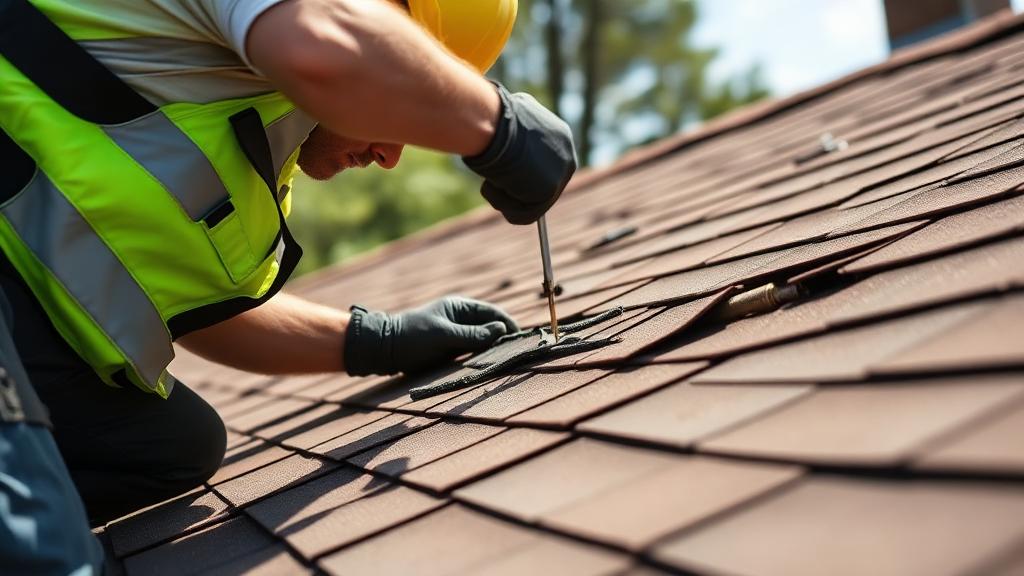
Shingle Replacement (1-5 shingles):
Suitable when: - Damage is isolated to few shingles - Roof is walkable slope - Matching shingles are available - Weather is dry and mild
Tools needed: - Flat pry bar - Roofing nails - Hammer or nail gun - Roofing sealant - Replacement shingles
Process: 1. Carefully lift tabs of shingles above damaged area 2. Remove nails from damaged shingle using pry bar 3. Slide out damaged shingle 4. Slide in new shingle, aligning with surrounding pattern 5. Nail in approved nailing zone (usually 6 inches from bottom) 6. Seal edges with roofing sealant 7. Press down tabs of overlapping shingles
Cost savings: $150-$300 versus professional service call
Roof Sealant Application:
Suitable when: - Minor gaps or cracks are visible - Sealant is appropriate repair (not structural) - Areas are safely accessible
Applications: - Nail heads showing through shingles - Minor flashing gaps - Small punctures - Vent pipe collar seams
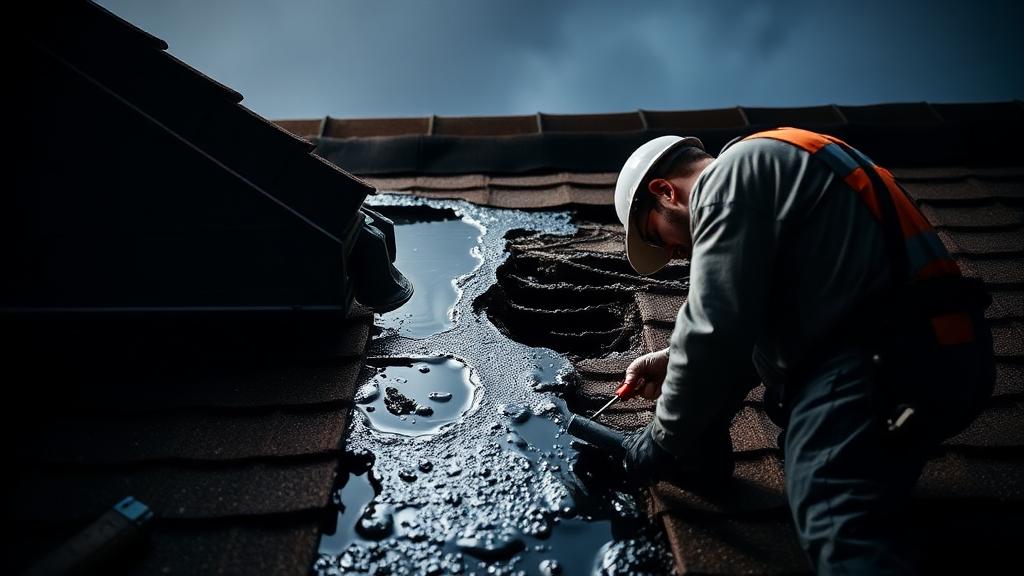
Process: 1. Clean area of debris and old sealant 2. Apply roofing sealant liberally 3. Smooth with putty knife 4. Allow proper curing time
Cost savings: $100-$200 versus professional visit
Gutter Repairs and Cleaning:
Suitable when: - Gutters are safely accessible - Problems are minor leaks or loose sections - No significant ladder height required
Common DIY gutter repairs: - Cleaning debris from gutters - Sealing small leak joints - Reattaching loose hangers - Adjusting downspout alignment
Read our complete gutter maintenance guide for detailed instructions.
Vent Boot Replacement:
Suitable when: - Boot is clearly failed (cracked, separated) - Roof slope allows safe work - Boot is standard size available at home stores
Process: 1. Remove shingles overlapping the boot 2. Remove old boot 3. Apply roofing cement around pipe base 4. Install new boot, pressing into cement 5. Nail boot flange 6. Replace shingles over boot edges 7. Seal all edges with roofing cement
Cost savings: $150-$300 versus professional replacement
Repairs Requiring Professionals
These repairs require expertise, specialized equipment, or carry significant risk.
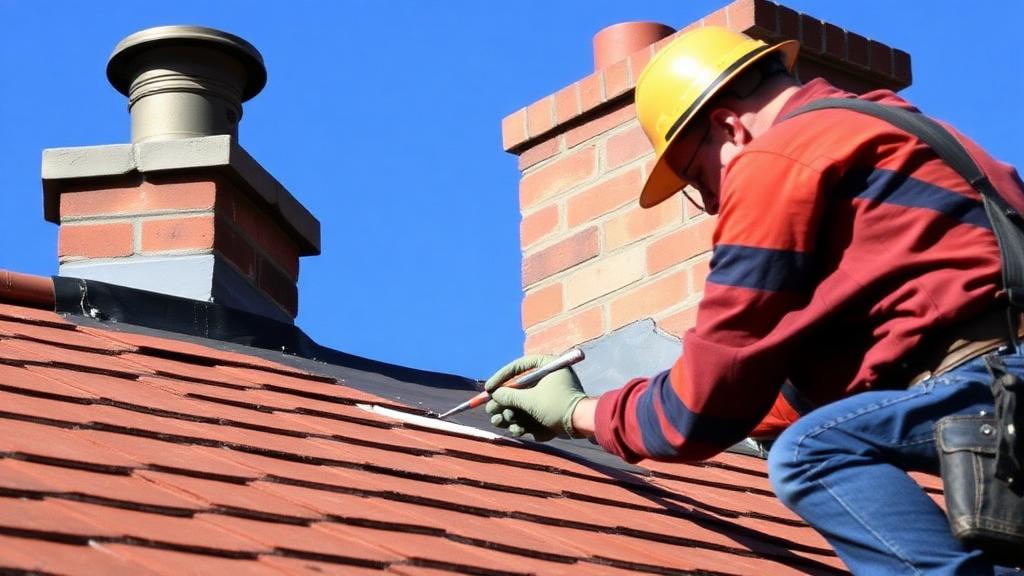
Complex Flashing Repairs:: Flashing requires precise installation to prevent leaks. Poor flashing work causes recurring water problems.
Why professional: - Requires proper integration with roofing system - Often involves removing and replacing multiple components - Mistakes lead to expensive water damage - Chimney and skylight flashing especially complex
Structural Repairs:: Any repair involving rafters, trusses, or roof decking requires professional assessment and execution.
Why professional: - Structural implications require engineering knowledge - Building code compliance required - Improper repairs create safety hazards - Often requires permits and inspections
Large Area Repairs:: When damage extends beyond a few shingles, professional installation ensures proper water shedding.
Why professional: - Pattern alignment critical for appearance - Proper nailing essential for wind resistance - Flashing integration at repair edges - Warranty implications for materials
Steep Roof Work:: Roofs steeper than 8:12 require specialized equipment and experience.
Why professional: - Extreme fall risk without proper equipment - Specialized safety systems required - Staging and material handling challenges - Many DIY injuries occur on steep roofs
Tile, Slate, or Metal Repairs:: These materials require specialized knowledge and techniques.
Why professional: - Material-specific installation methods - Easy to cause additional damage - Replacement materials may need sourcing - Walking on these materials requires expertise
Essential Safety Equipment
If proceeding with DIY roof work, proper safety equipment is non-negotiable.
Minimum Safety Gear:
| Equipment | Purpose | Approximate Cost |
|---|---|---|
| Safety harness | Fall protection | $75-$150 |
| Roof anchor | Harness attachment point | $50-$200 |
| Safety rope | Connection to anchor | $50-$100 |
| Non-slip footwear | Traction on roof | $50-$150 |
| Safety glasses | Eye protection | $15-$30 |
| Gloves | Hand protection | $15-$40 |
Ladder Safety:: - Extend ladder 3 feet above roofline - Maintain 4:1 angle (1 foot out for every 4 feet up) - Secure ladder at top or have spotter - Never reach beyond safe range - Use ladder standoffs near gutters
Weather Conditions:: Never work on roofs during: - Rain or wet conditions - High winds (over 20 mph) - Extreme heat (surface temperatures exceed 120°F) - Frost, ice, or snow conditions - Lightning or storm threats
Tools for DIY Roof Repair
Proper tools make repairs safer and more effective.
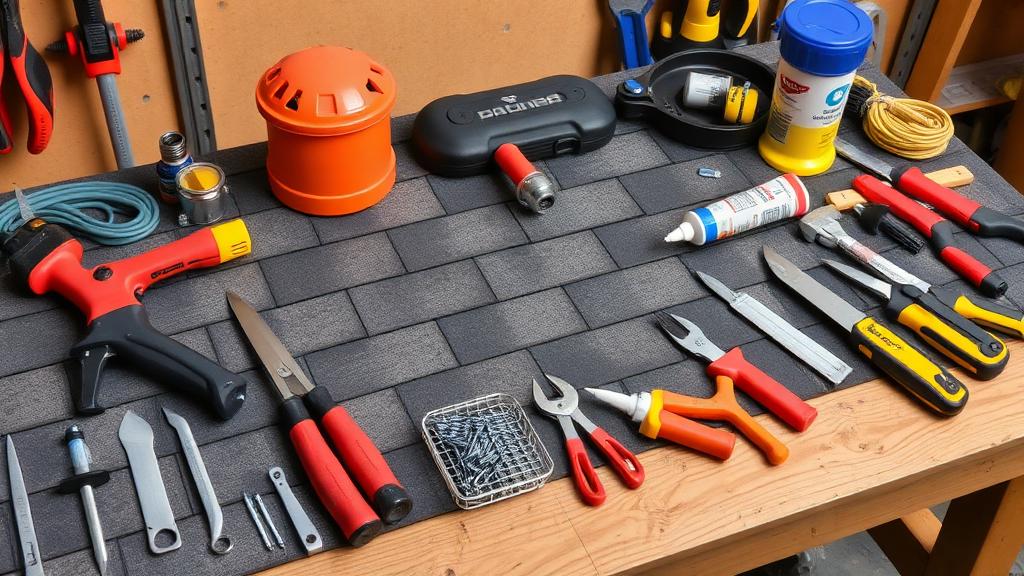
Basic Tool Kit:: - Flat pry bar or shingle remover - Roofing hammer or nail gun - Utility knife with hook blade - Tape measure - Chalk line - Roofing cement and caulk gun - Putty knife - Bucket for debris
Specialized Tools (optional but helpful):: - Magnetic nail sweeper - Roofing shovel (for larger projects) - Seam roller - Pry bar set - Tool belt or bucket
Material Considerations:: - Match existing shingle brand/color when possible - Buy extra for future repairs - Store materials properly (flat, protected from sun) - Check material warranty requirements
When Small Repairs Reveal Bigger Problems
Sometimes DIY attempts uncover issues requiring professional help.
Stop and Call a Professional If:: - Deck appears rotted or damaged - Damage extends further than visible - Multiple layers of roofing discovered - Structural issues become apparent - Proper repair seems beyond capability
Signs of Bigger Problems:: - Spongy or soft deck when walking - Widespread granule loss - Multiple leak sources - Daylight visible through deck - Mold or significant moisture
Cost-Benefit Analysis
DIY isn't always the most economical choice when risks are considered.
True DIY Costs:: - Materials: Varies by repair - Safety equipment: $200-$500 (first time) - Tools: $100-$300 (first time) - Time investment: 2-8 hours - Risk of injury: Priceless
Professional Comparison:: - Service call: $150-$300 - Minor repair: $200-$500 - Warranty provided: Yes - Insurance coverage: Yes - Risk of injury: Transferred
When DIY Makes Sense:: - Very minor repairs - Safe roof access - Proper equipment already owned - Physical capability confirmed - Weather conditions favorable
When Professional Makes Sense:: - Any complexity beyond basic - Safety concerns exist - Warranty protection desired - Time is limited - Insurance requires professional work
Building Contractor Relationships
Even DIY-capable homeowners benefit from professional relationships.
Advantages of Having a Regular Contractor:: - Expert advice when questions arise - Honest assessment of repair needs - Priority service for emergencies - Knowledge of your specific roof - Documentation for insurance
Find trusted local contractors to establish relationships before emergencies arise.
Conclusion
DIY roof repairs can save money for capable homeowners tackling appropriate projects with proper safety precautions. However, recognizing the limits of DIY and knowing when to call professionals prevents injuries and expensive mistakes. When in doubt, a professional consultation costs far less than improper repairs.
Ready to find professional help for repairs beyond DIY scope? Connect with qualified roofing contractors in your area.