Emergency Roof Repair in New Orleans: What to Do When Disaster Strikes (2026 Guide)
Emergency Roof Repair in New Orleans: Your Disaster Response Playbook
New Orleans homeowners know that severe weather isn't a matter of "if" but "when." Located at the convergence of Gulf of Mexico hurricanes, Mississippi River flooding, and severe thunderstorm corridors, the Crescent City faces more roof emergencies per capita than almost any other American city.
When disaster strikes your roof—whether from a Category 4 hurricane or a sudden summer microburst—knowing what to do in the critical hours and days afterward can mean the difference between a manageable repair and a catastrophic loss. This 2026 guide is your emergency response playbook.
Immediate Steps After Roof Damage
Priority 1: Safety First (Minutes 0–30)
Stay Inside If Possible: Don't go onto a damaged roof during or immediately after a storm. Weakened structures, standing water, and electrical hazards make rooftop access extremely dangerous.
Check for Structural Compromise: If you see sagging ceilings, hear creaking, or notice walls bowing, evacuate immediately. These signs indicate potential structural failure.
Address Interior Water: Place buckets, tarps, and towels to manage active leaking. Move electronics and valuables away from leak zones.
Shut Off Electricity: If water is leaking near electrical fixtures, switches, or outlets, turn off the circuit breaker for affected areas. If you're unsure which circuits are affected, shut off the main breaker and call an electrician.
Priority 2: Documentation (Hours 1–4)
Photograph Everything: Before moving anything or making any temporary repairs, document all damage with photos and video: - Exterior roof damage (from ground level—do not climb the roof) - Interior water damage (ceilings, walls, floors) - Damaged personal property - Surrounding property damage (trees, fences, vehicles) - Timestamp all photos (your phone does this automatically)
Record Storm Details: Note the date, time, and type of storm event. Save weather service alerts and local news reports documenting the storm.
Contact Your Insurance Company: Most Louisiana policies require notification within 24–72 hours of damage discovery. Call your agent or the company's 24-hour claims line immediately.
Priority 3: Temporary Protection (Hours 4–24)
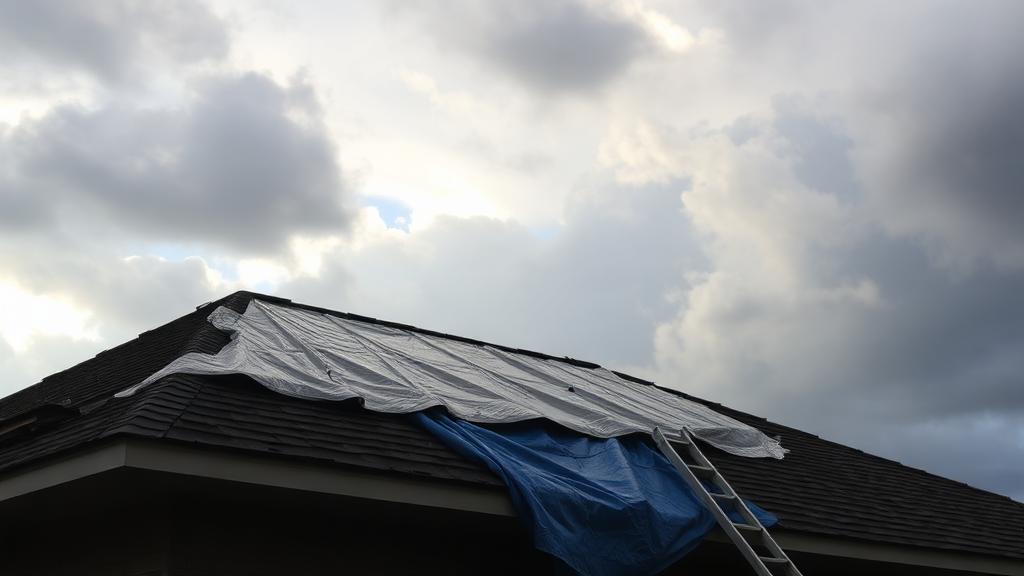
Emergency Tarping: Covering the damaged area with a heavy-duty tarp is the most critical temporary repair: - Use a minimum 6-mil polyethylene tarp (blue tarps from hardware stores work) - Extend the tarp at least 4 feet past the damaged area on all sides - Secure with 2x4 lumber and screws (not nails) through the tarp into the roof deck - Weight the edges with sandbags if screwing isn't possible
Board Up Openings: If wind or debris has created openings in the roof structure, board them with plywood to prevent further water intrusion and secure the home.
Professional Emergency Service: Many New Orleans roofing companies offer 24/7 emergency tarping services. Expect to pay $200–$800 for professional emergency tarping, depending on damage extent.
Types of Emergency Roof Damage in New Orleans
Hurricane Damage
New Orleans's most devastating roof threat. Hurricanes cause: - Complete roof structure failure (truss uplift, decking removal) - Widespread shingle or tile loss - Penetration from airborne debris - Water intrusion from wind-driven rain
Typical Repair Range: $5,000–$50,000+ depending on severity Insurance Coverage: Generally covered under windstorm/hurricane provisions
Tornado/Microburst Damage
Sudden, localized destruction: - Concentrated structural damage in a narrow path - Complete removal of roofing material in affected area - Severe debris impact damage
Typical Repair Range: $3,000–$30,000+ Insurance Coverage: Covered under windstorm provisions
Fallen Tree Damage
New Orleans's massive live oaks are beautiful—until they fall on your roof: - Structural penetration through the roof deck - Widespread shingle/material damage around impact zone - Potential structural damage to trusses or rafters
Typical Repair Range: $2,000–$25,000+ Insurance Coverage: Covered under standard homeowners policies (tree removal often has a sub-limit)
Flash Flooding and Rain Damage
While not technically roof "damage," overwhelmed drainage systems cause roof-related problems: - Standing water on flat roofs causing membrane failure - Gutter overflow leading to soffit and fascia damage - Interior flooding from drainage system overload
Typical Repair Range: $1,000–$10,000 Insurance Coverage: Flood damage requires separate flood insurance (critical in New Orleans)
Working with Insurance After Emergency Damage
Louisiana-Specific Insurance Tips
Hurricane Deductibles: Louisiana allows separate hurricane deductibles, typically 2–5% of your home's insured value. For a $300,000 home, that's $6,000–$15,000 out of pocket before coverage kicks in.
Proof of Loss: Louisiana requires a signed, sworn proof of loss within 60 days of the insurer's request. Missing this deadline can forfeit your claim.
Supplemental Claims: If your contractor discovers additional damage during repairs, you can file a supplemental claim. This is common with roof damage, where full extent isn't visible until work begins.
Bad Faith Claims: Louisiana's Insurance Code provides penalties for insurers who delay or underpay claims without valid reason. Know your rights.
Maximizing Your Claim
- Get multiple contractor estimates (at least 2–3 from local, reputable companies)
- Be present for the adjuster's inspection and have your contractor present too
- Don't accept the first offer if it doesn't cover the full scope of damage
- Keep all receipts for temporary repairs, hotel stays, and damaged property
- Consider a public adjuster for large or complex claims (they typically charge 10–15% of the settlement)
Emergency Repair Costs in New Orleans (2026)
| Service | Cost Range | Typical Timeline |
|---|---|---|
| Emergency tarping (small area) | $200–$500 | Same day |
| Emergency tarping (large area) | $500–$1,500 | Same day |
| Board-up service | $150–$500 | Same day |
| Temporary shingle repair | $300–$1,500 | 1–3 days |
| Emergency flat roof patching | $500–$2,000 | 1–2 days |
| Tree removal from roof | $500–$3,000 | 1–3 days |
| Structural emergency shoring | $1,000–$5,000 | 1–3 days |
Important: Emergency service pricing is typically 25–50% higher than standard rates due to urgency, after-hours work, and demand surges after major storms.
Finding Reliable Emergency Roofers in New Orleans
After major storms, New Orleans is flooded with out-of-town contractors. Here's how to find trustworthy emergency help:
Local Companies First: Established New Orleans roofing companies with permanent offices, local references, and Louisiana State Licensing Board (LSLB) credentials should be your first call.
Verify Licensing: Louisiana requires all contractors to hold an active license from the Louisiana State Licensing Board for projects over $7,500. Verify at lslb.louisiana.gov.
Beware of Storm Chasers: Out-of-town contractors who appear after storms often provide substandard work, disappear before warranty claims, and may not be properly licensed or insured.
Emergency Contact List: Prepare your emergency contractor list BEFORE storm season. Don't wait until a crisis to research options.
FEMA Blue Roof Program: After major disasters, FEMA sometimes activates the Blue Roof Program, providing free temporary tarping. Check fema.gov for current program availability.
Find trusted emergency roofing contractors in New Orleans through our verified directory.
Preparing for the Next Emergency
New Orleans homeowners should prepare for roof emergencies before they happen:
Pre-Season Inspection: Have your roof professionally inspected before each hurricane season (June 1). Address any existing issues before storms arrive.
Emergency Kit: Keep tarps, plywood, screws, a cordless drill, and flashlights accessible. Don't wait until a storm is approaching to buy supplies.
Insurance Review: Review your homeowner's and flood insurance policies annually. Understand your deductibles, coverage limits, and documentation requirements.
Contractor Relationships: Establish relationships with 2–3 local roofing companies before emergency season. Having an existing relationship means faster response during crises.
Tree Maintenance: Trim branches that overhang your roof. Remove dead trees and weak limbs before storm season.
Frequently Asked Questions
Should I make temporary repairs before the insurance adjuster visits? Yes. Your policy requires you to mitigate further damage. Document the damage with photos first, keep all receipts, and make reasonable temporary repairs. Your insurer will reimburse reasonable mitigation costs.
How long after a hurricane can I expect permanent repairs? After major hurricanes, wait times for permanent repairs can extend 3–12 months due to contractor demand, material shortages, and insurance processing delays. Temporary repairs must sustain your home during this period.
Will my insurance pay for temporary housing? If your home is uninhabitable due to roof damage, most policies include Additional Living Expense (ALE) coverage for temporary housing, meals, and related costs. Check your policy limits.
What if I can't afford my hurricane deductible? Louisiana's Office of Community Development and FEMA may offer disaster assistance programs. Additionally, some roofing companies offer financing for the deductible portion.
Conclusion
Emergency roof repair readiness is essential for every New Orleans homeowner. By preparing before storms, knowing the right steps to take when damage occurs, and working with trusted local contractors, you can minimize damage, navigate insurance claims effectively, and get your home back to normal as quickly as possible.
Build your emergency plan now—find reliable roofing contractors in Louisiana and establish your emergency contacts before the next storm season.