Best Roofing Materials for Hot Climates: 2026 Expert Guide
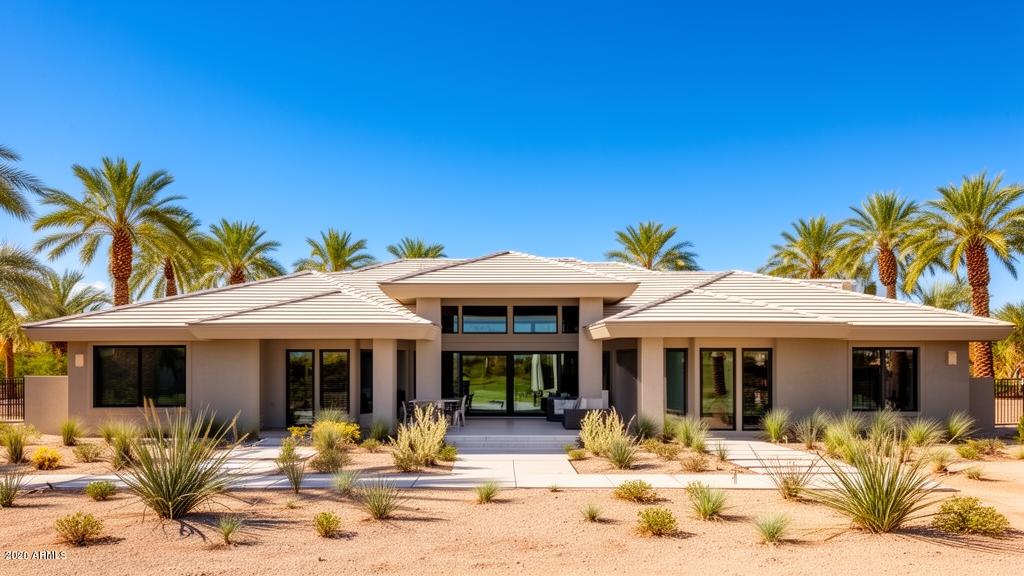
Living in a hot climate puts extraordinary demands on your roof. Intense UV radiation, extreme temperatures exceeding 110°F, thermal cycling, and (in some regions) monsoon rains and hurricanes create a punishing environment that not every roofing material can withstand. Choosing the right roof for your hot-climate home isn't just about aesthetics—it directly impacts your energy bills, indoor comfort, and how often you'll need repairs or replacement.
In this expert guide, we rank and compare the best roofing materials for hot climates in 2026, covering performance, costs, pros and cons, and which material best fits your specific situation.
Why Roofing Material Matters More in Hot Climates
In cooler regions, nearly any quality roofing material performs adequately. But in states like Arizona, Texas, Florida, Nevada, and Southern California, the wrong roof can cost you thousands in excess cooling bills and deteriorate years before its expected lifespan.
Key challenges in hot climates:: - Solar heat gain: Dark roofs can reach surface temperatures of 150–170°F on summer days, radiating that heat into your attic and living spaces - UV degradation: Intense ultraviolet radiation accelerates material breakdown, causing cracking, fading, and granule loss - Thermal cycling: Daily temperature swings of 40–60°F cause expansion and contraction that stresses fasteners and seams - Moisture extremes: Some hot climates (Gulf Coast, Southeast) combine heat with high humidity, creating conditions for algae, mold, and rot
A properly chosen roof can reduce cooling costs by 20–40% compared to a poorly suited material.
Top 7 Roofing Materials for Hot Climates (Ranked)
1. Clay Tile — Best Overall for Hot Climates
Cost:: $12–$20 per square foot installed Lifespan: 50–100+ years Energy Rating: Excellent
Clay tile has been the gold standard for hot-climate roofing for centuries, and for good reason. The natural thermal mass of clay absorbs heat slowly during the day and releases it slowly at night, creating a natural buffering effect that reduces cooling loads.
Why it excels in heat:: - Natural airflow gap between tiles and the roof deck creates a ventilation channel that reduces heat transfer by up to 40% - Exceptional UV resistance—clay doesn't degrade from sun exposure - Available in light, reflective colors that meet ENERGY STAR Cool Roof requirements - Virtually zero maintenance in dry climates (no rot, no insects, no algae) - Fire-resistant (Class A rating)
Considerations:: - Heavy—requires structural verification (typically 600–1,100 lbs per roofing square) - Higher upfront cost than asphalt or metal - Individual tiles can crack from impact (hail, falling branches) - Installation requires specialized expertise; find tile roofing specialists in your area
Best for:: Arizona, Southern California, New Mexico, South Florida, and Texas homeowners who plan to stay long-term. The 75–100+ year lifespan makes clay tile the most economical choice over the life of your home.
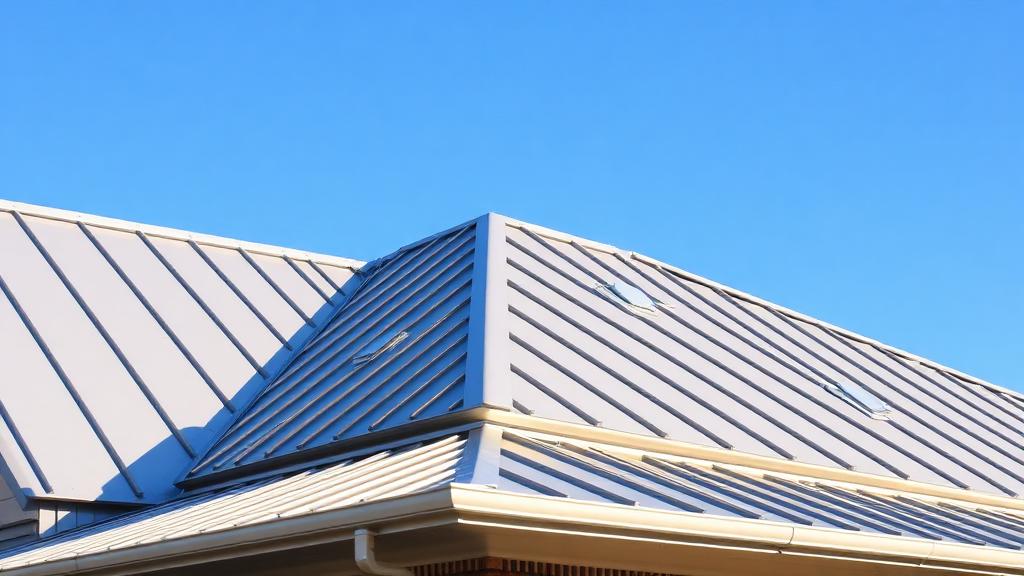
2. Metal Roofing (Standing Seam) — Best Energy Efficiency
Cost:: $10–$16 per square foot installed Lifespan: 40–70 years Energy Rating: Excellent (with reflective coating)
Metal roofing has exploded in popularity across the Sun Belt. Modern standing seam metal roofs with reflective coatings (known as "cool metal roofing") can reflect up to 70% of solar energy, dramatically reducing attic temperatures and cooling costs.
Why it excels in heat:: - Reflective coatings bounce solar radiation away from your home - Metal doesn't absorb and re-radiate heat the way asphalt does - Superior resistance to thermal cycling—metal expands and contracts predictably without damage - No granule loss, no cracking, no UV degradation - Excellent wind resistance (up to 140 mph for standing seam)—critical in hurricane zones
Considerations:: - Higher upfront cost than asphalt shingles - Can be noisy during rain without proper underlayment and insulation - Denting from large hail (though most modern panels are rated for 2" hail) - Requires experienced installers to ensure proper expansion joints
Best for:: Texas, Florida, Louisiana, and Gulf Coast homeowners who want maximum energy savings. Metal roofing is particularly ideal for homes with existing solar panels or those planning solar installation.
3. Concrete Tile — Best Value in Tile
Cost:: $10–$16 per square foot installed Lifespan: 40–60 years Energy Rating: Very Good
Concrete tile offers many of the same benefits as clay tile at a lower price point. Modern manufacturing allows concrete tiles to closely mimic the appearance of clay, slate, or wood shakes.
Why it excels in heat:: - Similar thermal mass benefits to clay tile - Air gap beneath tiles provides natural insulation - Highly reflective when manufactured in light colors - Class A fire rating - Excellent impact resistance (better than clay in hail-prone areas)
Considerations:: - Slightly shorter lifespan than clay (40–60 years vs. 75–100+) - Heavy—structural assessment required - Can absorb moisture in humid climates, potentially leading to algae growth - Color may fade faster than clay over decades
Best for:: Budget-conscious homeowners in Arizona, Nevada, and inland California who want tile aesthetics without clay's premium price.
4. Cool-Roof Asphalt Shingles — Best Budget Option
Cost:: $5–$8 per square foot installed Lifespan: 20–30 years Energy Rating: Good (with cool-roof granules)
Traditional dark asphalt shingles are among the worst performers in hot climates. However, modern "cool roof" shingles featuring highly reflective granules have changed the equation. These shingles can reflect up to 40% of solar energy compared to just 5–15% for standard dark shingles.
Why they work in heat:: - ENERGY STAR-rated cool-roof shingles can reduce roof surface temperatures by 50–60°F compared to standard dark shingles - Significantly lower cost than tile or metal - Familiar appearance that satisfies HOA requirements - Easy to install—most roofing crews are experienced with shingles - Available from all major manufacturers (GAF Timberline Cool Series, CertainTeed Landmark Solaris, Owens Corning Duration COOL)
Considerations:: - Shorter lifespan than metal or tile (20–30 years vs. 40–100+) - Still absorbs more heat than metal or tile - Limited color options in cool-roof variants (primarily lighter shades) - Granule loss accelerates in extreme UV environments
Best for:: Homeowners on a tight budget, investment properties, or anyone planning to sell within 10–15 years. The lower upfront cost offsets the shorter lifespan.
5. TPO (Thermoplastic Polyolefin) — Best for Flat Roofs
Cost:: $5–$9 per square foot installed Lifespan: 20–30 years Energy Rating: Excellent
For homes with flat or low-slope roof sections (common in modern Southwestern architecture), TPO is the go-to material in hot climates.
Why it excels in heat:: - Bright white surface reflects up to 85% of solar radiation - Heat-welded seams create watertight, durable joints - Excellent resistance to UV radiation and ozone - Lightweight—no structural concerns - Proven track record in desert environments
Considerations:: - Not suitable for pitched roofs - Limited aesthetic appeal (it's a flat white membrane) - Puncture-vulnerable without protective walkway pads - Requires professional installation for proper seam welding
Best for:: Flat-roofed homes in Phoenix, Las Vegas, Tucson, and other desert cities. Also excellent for covered patio roofs and commercial-style residential buildings.
6. Slate Roofing — Best Luxury Option
Cost:: $20–$40 per square foot installed Lifespan: 75–200 years Energy Rating: Very Good
Natural slate is the longest-lasting roofing material available. Its dense stone composition provides excellent thermal mass, naturally moderating heat transfer.
Why it works in heat:: - Incredibly durable—completely immune to UV degradation - Natural thermal mass moderates temperature extremes - Fire-proof (natural stone) - Zero maintenance in dry climates - Unmatched aesthetic prestige
Considerations:: - Extremely expensive (2–4x the cost of metal roofing) - Very heavy—significant structural requirements - Requires highly specialized installation - Individual slate tiles can crack from severe hail impact
Best for:: High-end custom homes where budget is less of a concern and the homeowner wants a century-long roof. Most common in upscale neighborhoods of Scottsdale, Beverly Hills, and similar markets.
7. Synthetic/Composite Roofing — Best Emerging Option
Cost:: $7–$12 per square foot installed Lifespan: 30–50 years Energy Rating: Good to Very Good
Engineered composite materials (made from recycled rubber, plastic, and polymer blends) are rapidly improving and gaining market share in hot climates.
Why they're worth considering:: - Lightweight (can mimic slate or tile without structural upgrades) - Excellent UV resistance with color-through manufacturing - Impact-resistant (Class 4 ratings available) - Eco-friendly (often made from recycled materials) - Increasingly realistic aesthetics
Considerations:: - Relatively new—longest track records are only 15–20 years - Quality varies significantly between manufacturers - Some products have experienced premature degradation in extreme heat - Limited availability of experienced installers
Best for:: Homeowners who want the look of slate or tile without the weight or cost, and are comfortable with a material that has a shorter track record.
Energy Savings Comparison
The financial impact of choosing the right roof in a hot climate is substantial. Here's what typical annual cooling savings look like when upgrading from standard dark asphalt shingles:
| Material | Roof Temp Reduction | Annual Cooling Savings | 20-Year Savings |
|---|---|---|---|
| Cool-roof shingles | 40–60°F | $150–$350 | $3,000–$7,000 |
| Metal (reflective) | 50–70°F | $250–$500 | $5,000–$10,000 |
| Clay/concrete tile | 40–55°F | $200–$450 | $4,000–$9,000 |
| TPO (flat roof) | 55–75°F | $300–$550 | $6,000–$11,000 |
These savings compound when combined with proper attic insulation and ventilation.
Climate-Specific Recommendations
Desert Southwest (Phoenix, Las Vegas, Tucson, Albuquerque) Top pick: Clay or concrete tile Runner-up: Standing seam metal with cool coating Why: Extreme heat with minimal rainfall makes tile's longevity and thermal mass ideal. Virtually no moisture-related concerns.
Gulf Coast (Houston, Miami, Tampa, New Orleans) Top pick: Standing seam metal roofing Runner-up: Cool-roof architectural shingles Why: Hurricane resistance is paramount. Metal's wind rating (up to 140 mph) combined with its heat reflection makes it the best all-around performer for hot, humid, hurricane-prone areas.
Inland Texas and Oklahoma Top pick: Metal roofing (hail-rated panels) Runner-up: Impact-resistant cool-roof shingles (Class 4) Why: Extreme heat combined with severe hail storms requires materials that handle both. Class 4 impact-rated materials may qualify for insurance discounts of 10–28%.
Southern California Top pick: Clay tile or concrete tile Runner-up: Metal or composite Why: Fire resistance is critical in wildfire zones. Both clay tile and metal carry Class A fire ratings. Many California jurisdictions now require fire-resistant roofing materials.
Making Your Decision
When choosing a roofing material for your hot-climate home, consider these factors in order of importance:
- Budget (upfront vs. lifetime cost): A $10,000 metal roof that lasts 50 years costs less per year than a $7,000 asphalt roof that lasts 20 years
- Local hazards: Hurricane zone? Prioritize wind resistance. Hail alley? Prioritize impact resistance. Wildfire zone? Prioritize fire resistance
- Structural capacity: Can your home support heavy materials like tile or slate without costly reinforcement?
- HOA and local codes: Some communities restrict material or color choices
- Aesthetics: Your roof accounts for 40% of your home's visible exterior—choose something you'll love for decades
The best next step is to request free quotes from licensed contractors who specialize in your preferred material and understand your local climate challenges.
---
*Ready to upgrade your hot-climate roof? Find verified roofing contractors in your city who specialize in heat-resistant materials and energy-efficient installations.*