How Long Do Metal Roofs Last in Texas
Metal roofing has surged in popularity across Texas as homeowners discover its exceptional performance in the state's demanding climate. From the humid Gulf Coast to the scorching heat of West Texas, metal roofs consistently outperform traditional materials in longevity, energy efficiency, and storm resistance. This comprehensive guide explores exactly how long you can expect a metal roof to last in Texas and what factors influence its lifespan.
Metal Roof Lifespan Expectations in Texas
The straightforward answer is that a quality metal roof in Texas typically lasts 40 to 70 years, with some systems exceeding this range significantly. This impressive lifespan is two to four times longer than asphalt shingles, which typically last only 12 to 20 years under Texas conditions.
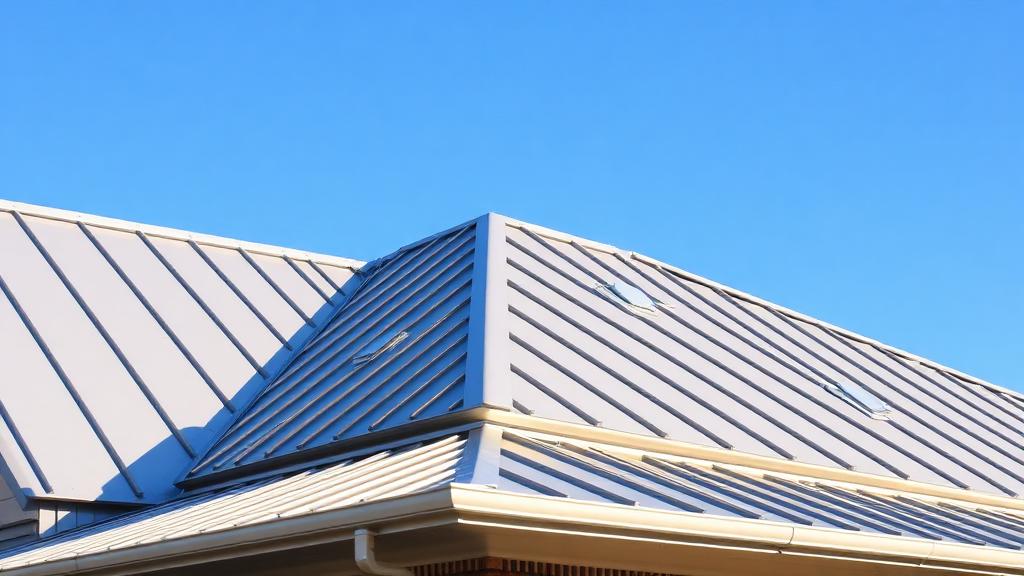
Standing seam metal roofs represent the gold standard, typically lasting 50 to 70 years in Texas with proper installation and minimal maintenance. Metal shingle systems, designed to mimic traditional roofing materials, generally last 40 to 60 years. Corrugated metal panels, common on agricultural and some residential properties, can last 30 to 50 years depending on gauge and coating quality.
These impressive lifespans are why many Texas roofing professionals recommend metal as the best long-term investment for Lone Star State homes.
Why Metal Roofs Excel in Texas Climate
Understanding why metal performs so well in Texas helps explain its exceptional longevity. Several key properties make metal ideally suited to Texas conditions.
Heat reflection is perhaps the most significant advantage. Metal roofs reflect a substantial portion of solar radiation rather than absorbing it like asphalt shingles. Cool metal roof coatings can reflect up to 70 percent of solar energy, dramatically reducing roof surface temperatures. This not only extends the roof's life by reducing thermal stress but also lowers cooling costs by 10 to 25 percent.
UV resistance sets metal apart from organic roofing materials. While asphalt shingles gradually degrade under intense Texas UV radiation, losing granules and becoming brittle, metal maintains its integrity decade after decade. Quality metal roofing coatings are specifically formulated to resist UV damage, with many carrying 40-year fade warranties.
Thermal cycling tolerance gives metal an edge in the Texas environment where daily temperature swings can exceed 40 degrees. Metal's ability to expand and contract without cracking or breaking means it handles these cycles without the damage that shortens other materials' lives.
Types of Metal Roofing and Their Texas Lifespans
Different metal roofing materials offer varying lifespans and performance characteristics. Understanding these options helps Texas homeowners make informed decisions.
Steel roofing is the most common choice for Texas homes, offering an excellent balance of durability and affordability. Galvanized steel, coated with zinc for corrosion resistance, typically lasts 40 to 60 years. Galvalume steel, which combines zinc and aluminum coating, offers even better corrosion resistance and often lasts 50 to 70 years. Stone-coated steel provides the appearance of shingles, slate, or tile while delivering 40 to 50 year longevity.
Aluminum roofing excels in coastal Texas regions from Galveston to Corpus Christi, where salt air accelerates corrosion of other metals. Aluminum's natural corrosion resistance means it can last 50 to 75 years in coastal environments where steel might deteriorate faster. The material is also lighter, reducing structural requirements.
Copper roofing represents the ultimate in longevity, with properly installed copper roofs lasting 100 years or more. While the initial cost is substantial, copper develops a beautiful patina over time and never needs painting or coating. Historic Texas buildings often feature copper that has performed beautifully for over a century.
Zinc roofing offers similar longevity to copper at somewhat lower cost, typically lasting 80 to 100 years. Like copper, zinc develops a protective patina and has self-healing properties that extend its life.
Factors Affecting Metal Roof Longevity in Texas
While metal roofs offer exceptional longevity, several factors influence exactly how long your specific roof will last. Understanding these helps you maximize your investment.
Installation quality is paramount for metal roof longevity. Proper installation includes correct fastener placement and sealing, adequate allowance for thermal expansion, appropriate underlayment selection for Texas climate, correct flashing details at all penetrations and transitions, and proper ventilation to prevent moisture accumulation. Poor installation can reduce a metal roof's lifespan by 20 years or more, making contractor selection crucial. Always choose experienced metal roofing specialists for installation.
Metal gauge and quality significantly impact longevity. Residential metal roofing typically ranges from 22 to 29 gauge, with lower numbers indicating thicker, more durable metal. In Texas, 24 to 26 gauge is generally recommended for residential applications, providing good durability without excessive weight or cost.
Coating quality matters as much as the base metal. Premium PVDF coatings like Kynar 500 or Hylar 5000 offer superior fade and chalk resistance compared to standard polyester coatings. The difference is particularly important in Texas, where intense UV exposure accelerates coating degradation.
Storm Resistance and Texas Weather
Texas weather can be severe, and metal roofs' storm resistance contributes significantly to their longevity. Rather than accumulating damage over years of storms, metal roofs maintain their integrity.
Hail resistance varies by metal roofing type. Standing seam roofs with thicker gauge metal can withstand significant hail without functional damage, though cosmetic denting may occur. Stone-coated steel offers excellent hail resistance, with many products carrying Class 4 impact ratings. Homeowners in hail-prone areas like Dallas and Fort Worth should consider impact-rated products.
Wind resistance is exceptional for properly installed metal roofs. Standing seam systems with concealed fasteners can withstand winds of 140 miles per hour or more, making them excellent choices for hurricane-prone coastal regions. Even in the devastating winds of major hurricanes, metal roofs often remain intact while shingle roofs suffer extensive damage.
Fire resistance provides additional value in drought-prone Texas. Metal roofs are completely non-combustible, offering important protection in wildfire-risk areas and from fires that can spread via airborne embers.
Maintenance Requirements for Maximum Lifespan
One advantage of metal roofing is its minimal maintenance requirements. However, some basic care helps ensure you achieve maximum lifespan.
Annual inspections should check for loose fasteners, especially on exposed fastener systems, debris accumulation in valleys and against penetrations, sealant condition at flashings and penetrations, any signs of corrosion or coating failure, and gutter and drainage functionality.
Debris removal is important in areas with overhanging trees. While metal is resistant to debris damage, accumulated organic material can hold moisture and promote conditions that accelerate corrosion on steel roofs.
Prompt repairs of any damage, whether from fallen branches, severe hail, or other causes, prevent secondary deterioration. Metal is relatively easy to repair, and addressing issues quickly extends overall roof life.
Coating maintenance may be needed on some metal roofs after 25 to 30 years. Recoating with appropriate products can extend a metal roof's life significantly and improve energy efficiency.
Cost Considerations and Long-Term Value
Metal roofing costs more initially than asphalt shingles, but the long-term value proposition is compelling for Texas homeowners. Understanding the true cost comparison requires looking beyond initial installation.
A quality metal roof installation in Texas typically costs $8 to $18 per square foot, compared to $4 to $8 for architectural asphalt shingles. However, when you factor in lifespan, the picture changes dramatically.
Consider a 2,000 square foot roof. An asphalt shingle roof might cost $10,000 and last 15 years. Over 60 years, you would need four roofs for a total cost of $40,000 plus cumulative maintenance and repairs. A metal roof might cost $25,000 and last the entire 60 years with minimal maintenance.
Energy savings add to metal's value proposition. Texas homeowners with metal roofs typically save 10 to 25 percent on cooling costs compared to dark asphalt shingles. Over 60 years, these savings can total tens of thousands of dollars.
Insurance benefits may apply as well. Many Texas insurers offer premium discounts of 5 to 35 percent for impact-resistant metal roofs, particularly in hail-prone regions.
Signs Your Metal Roof Needs Attention
While metal roofs last decades, they are not maintenance-free forever. Knowing when to seek professional inspection or repairs extends lifespan and prevents major problems.
Visible rust spots on steel roofs indicate coating failure and should be addressed promptly. Left untreated, rust can spread and eventually compromise the metal itself.
Loose or missing fasteners can allow water intrusion and should be replaced or resealed. Exposed fastener systems require more attention to this issue than concealed fastener systems.
Oil canning or waviness in metal panels is usually cosmetic but can indicate installation issues that should be evaluated.
Fading or chalking of the coating suggests the finish is aging, though this typically takes 20 years or more with quality coatings. Eventually, recoating may be beneficial.
Choosing the Right Metal Roof for Your Texas Home
Selecting the optimal metal roofing system for your specific situation maximizes value and longevity. Consider your location within Texas, as coastal areas benefit from aluminum's corrosion resistance, while inland areas have more flexibility. Hail-prone regions should prioritize impact resistance.
Think about your home's architecture and your aesthetic preferences. Standing seam offers a modern look, while metal shingles can mimic traditional materials. Consider whether exposed or concealed fastener systems better suit your needs and budget.
Evaluate your long-term plans. If you expect to sell the home within a few years, the premium for copper or zinc may not make sense. If this is your forever home, investing in maximum longevity pays dividends.
Work with qualified metal roofing contractors who can assess your specific situation and recommend appropriate materials and systems. Their expertise ensures proper installation that maximizes your roof's lifespan.
Conclusion
Metal roofing offers exceptional longevity for Texas homes, with quality installations lasting 40 to 70 years or more. This impressive lifespan, combined with energy efficiency, storm resistance, and minimal maintenance requirements, makes metal an excellent investment for Lone Star State homeowners.
While the initial cost is higher than asphalt shingles, the total cost of ownership over decades is often lower. When you factor in energy savings, potential insurance discounts, and the elimination of multiple reroof projects, metal roofing frequently proves to be the most economical choice for Texas homes.
If you are considering a metal roof, work with experienced local contractors who understand Texas conditions and can recommend the optimal system for your specific needs. With proper selection and installation, your metal roof will protect your home for generations to come.