Georgia Residential Roofing Guide: Materials for Southern Climate
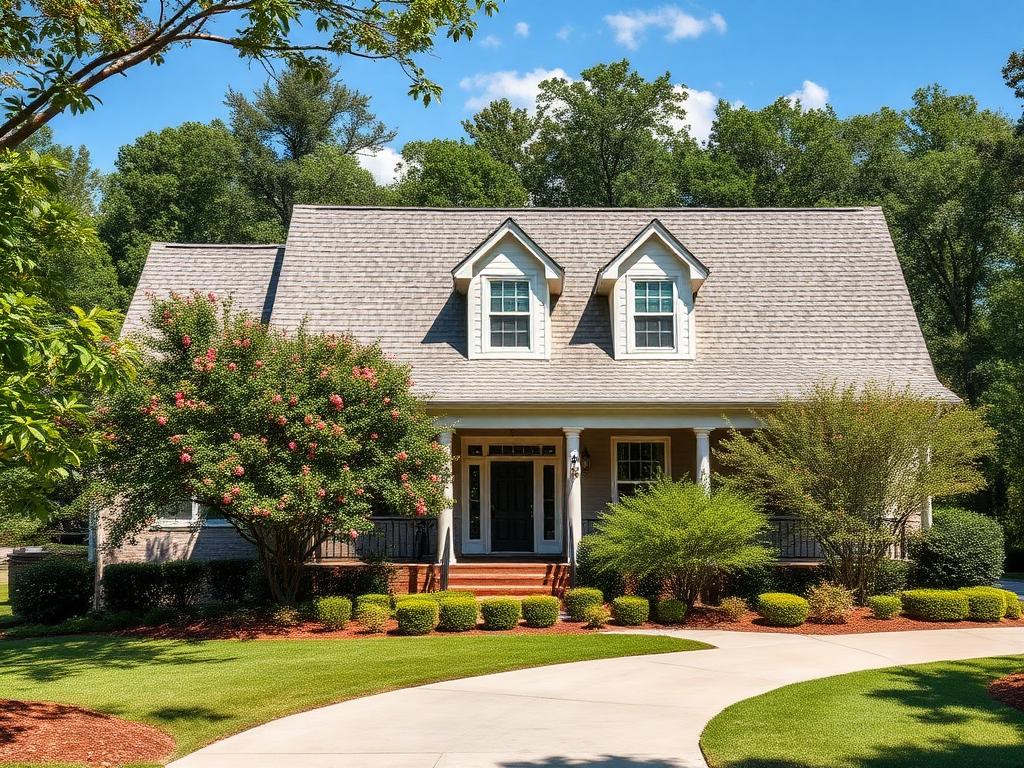
Georgia roofing must address the unique challenges of the Southern climate. From Atlanta suburbs to coastal Savannah, Georgia homes face high humidity, intense summer heat, and occasional severe storms. This guide explores material options suited to Georgia conditions.
Understanding Georgia Climate Challenges
Georgias subtropical climate creates specific roofing challenges. High humidity promotes moss and algae growth on roof surfaces. Summer temperatures routinely exceed 95 degrees, stressing roofing materials. Thunderstorms bring heavy rain and occasional hail.
Coastal Georgia faces additional challenges from salt air exposure and hurricane-force winds. Roofing for coastal properties must meet enhanced wind resistance standards.
The combination of heat and humidity accelerates material degradation. Materials that perform well in dry climates may fail prematurely in Georgia conditions.
Best Materials for Georgia Conditions
Architectural Shingles: High-quality architectural asphalt shingles with algae-resistant granules provide excellent value for Georgia homes. Choose products rated for humid climates with built-in algae resistance.
Metal Roofing: Metal resists Georgia humidity and reflects solar heat. Standing seam and stone-coated steel offer durability with various aesthetic options. Metal roofing is increasingly popular throughout Georgia.
Tile Roofing: Clay and concrete tiles handle Georgia heat and humidity well. The thermal mass helps moderate temperature swings. Tile adds distinctive aesthetics to upscale homes.
Slate: Natural slate provides century-long durability and handles Georgia conditions excellently. High cost limits slate to high-end applications, but investment is justified for historic and luxury properties.
Humidity Management
Proper ventilation is essential for Georgia roofs. Adequate attic ventilation removes moisture that promotes mold and material deterioration. Ridge and soffit ventilation creates airflow that keeps attic spaces dry.
Choose algae-resistant shingles to prevent black streaking caused by algae growth. Copper or zinc strips at roof ridges also inhibit algae growth on downstream surfaces.
Wind Resistance
All Georgia roofing should meet enhanced wind resistance standards. Choose shingles rated for high-wind installation with proper fastening patterns. Coastal properties may require materials rated for extreme wind speeds.
Proper installation is as important as material selection. Enhanced nailing patterns and appropriate underlayment significantly improve wind resistance.
Working with Georgia Contractors
Georgia does not require statewide contractor licensing for residential work under $2,500. However, reputable contractors maintain insurance and demonstrate experience. Verify insurance coverage and check references before hiring.
Conclusion
Georgia roofing requires materials suited to high humidity and heat. Proper material selection and installation provide lasting protection for Georgia homes.
Ready to find qualified Georgia contractors? Browse verified Georgia roofers experienced with Southern climate conditions.