How to Choose the Right Roofing Contractor: The Definitive 2026 Hiring Guide
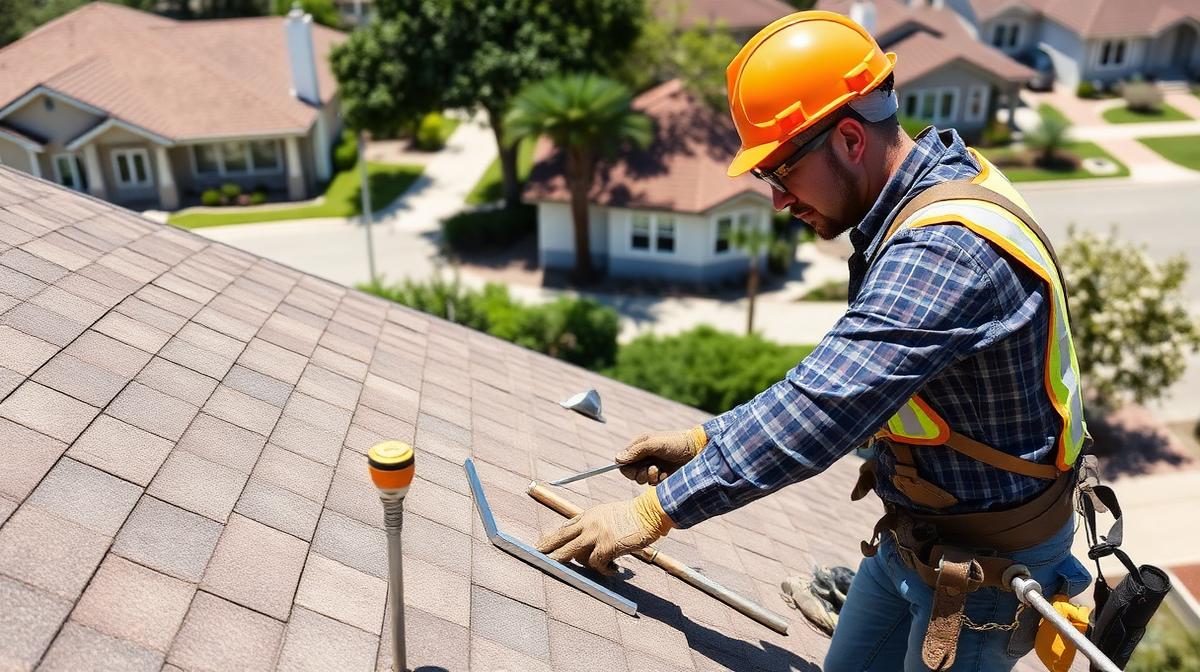
Finding a reliable roofing contractor is one of the most important decisions a homeowner can make. Whether you need a simple repair or a complete roof replacement, the contractor you choose will determine the quality, durability, and value of your investment. This definitive guide walks you through every step of the hiring process so you can make an informed decision.
Why Choosing the Right Roofing Contractor Matters
Your roof is your home's first line of defense against the elements. A poorly installed or repaired roof can lead to water damage, mold growth, structural issues, and thousands of dollars in additional costs. According to the National Roofing Contractors Association (NRCA), improper installation is the leading cause of premature roof failure.
The difference between a skilled roofing contractor and an inexperienced one isn't always obvious from the outside. That's why homeowners need a systematic approach to evaluating and comparing contractors before signing any contract.
The Cost of a Bad Hire:: - Water damage repairs averaging $3,000–$10,000 - Voided manufacturer warranties - Failed building code inspections - Shortened roof lifespan by 5–15 years - Potential liability for worker injuries on your property
Step 1: Verify Licensing and Insurance
Every reputable roofing contractor carries proper licensing and insurance. This protects both you and the workers on your property. Before even requesting an estimate, verify these credentials:
Licensing Requirements:: - Check your state's contractor licensing board for active status - Confirm the license covers roofing work specifically - Verify there are no complaints or disciplinary actions on file - Ask for the license number and verify it independently
Insurance Coverage:: - General liability insurance ($1 million minimum recommended) - Workers' compensation for all employees - Request certificates of insurance directly from the insurer - Verify coverage is current and won't expire during your project
Many states allow you to verify contractor licenses online. For example, Texas requires contractors to register with the Texas Department of Licensing and Regulation, while Florida mandates state certification through the Department of Business and Professional Regulation. Always check your local requirements, as they vary significantly by state.
Step 2: Research Reputation and Reviews
In the digital age, a roofing contractor's reputation is more transparent than ever. Use multiple sources to build a complete picture:
Online Review Platforms:: - Google Business Profile ratings and reviews - RoofingPros contractor directory with verified reviews - Better Business Bureau (BBB) rating and complaint history - HomeAdvisor and Angi verified reviews
What to Look For in Reviews:: - Consistent patterns of praise or complaints - How the contractor responds to negative reviews - Specific details about project quality, communication, and cleanup - Reviews from projects similar to yours in scope and budget
Red Flags in Online Presence:: - No reviews or only a handful of perfect 5-star ratings - Multiple complaints about the same issues (communication, delays, quality) - No physical business address listed - Recently created business profiles with no history
Step 3: Get Multiple Detailed Estimates
Never accept the first estimate you receive. Getting at least three written proposals allows you to compare pricing, materials, timelines, and approach. Here's what every estimate should include:
Essential Estimate Components:: 1. Scope of Work — Detailed description of all work to be performed 2. Materials Specification — Brand, product line, color, and quantity of all materials 3. Labor Costs — Breakdown of labor charges including crew size and projected timeline 4. Removal and Disposal — Cost for tearing off old roofing and disposal fees 5. Permits and Inspections — Who obtains permits and the associated costs 6. Warranty Information — Both manufacturer and workmanship warranty details 7. Payment Schedule — When payments are due and what triggers each payment 8. Start and Completion Dates — Realistic timeline with provisions for weather delays
Comparing Estimates Effectively:: - Don't automatically choose the lowest price — it often signals cut corners - Ensure all estimates cover the same scope of work for fair comparison - Ask about the materials being proposed and why - Inquire about the crew that will perform the actual work - Clarify what happens if unexpected issues are discovered during the project
Step 4: Evaluate Experience and Specialization
Not all roofing contractors are created equal. Some specialize in residential work, others in commercial roofing, and some focus on specific materials like metal, tile, or slate. Match the contractor's expertise to your project:
Questions to Ask About Experience:: - How many years has the company been in business? - How many projects similar to mine have you completed? - Are you certified by any roofing material manufacturers? - Can you provide references from recent local projects? - Who will supervise the work on-site?
Manufacturer Certifications Matter:: Leading roofing material manufacturers like GAF, Owens Corning, and CertainTeed offer certification programs for contractors. Certified contractors receive specialized training, access to premium warranties, and ongoing quality oversight. Hiring a certified contractor often gives you access to extended warranty coverage that isn't available otherwise.
Step 5: Understand Warranties and Guarantees
Warranties are your safety net after the project is complete. Understanding the different types of coverage ensures you're protected:
Types of Roofing Warranties:: - Manufacturer's Material Warranty — Covers defects in roofing materials (typically 25–50 years) - Workmanship Warranty — Covers installation errors by the contractor (varies widely, 2–25 years) - System Warranty — Comprehensive coverage when certified contractors install specific material systems
Warranty Red Flags:: - Very short workmanship warranties (less than 5 years) - Transferability restrictions that affect resale value - Excessive exclusions that limit practical coverage - No written warranty documentation before work begins
Step 6: Check for Local Presence and Accountability
Local roofing contractors have a vested interest in maintaining their reputation in the community. They're also easier to reach if issues arise after the project:
Benefits of Hiring Local:: - Familiarity with local building codes and permit requirements - Knowledge of regional weather patterns and their impact on roofing - Established relationships with local suppliers for better material pricing - Easier to verify reputation through personal referrals - Accessible for warranty service and follow-up visits
Warning Signs of Storm Chasers:: - Out-of-state license plates on work vehicles - No local office or permanent address - High-pressure sales tactics demanding immediate decisions - Offers to pay your insurance deductible (this is insurance fraud) - Door-to-door solicitation immediately after storms
Step 7: Review the Contract Thoroughly
Before any work begins, you should have a detailed written contract. Never rely on verbal agreements or handshake deals:
Contract Must-Haves:: - Complete scope of work with specific materials listed - Total project cost with payment schedule - Start date and estimated completion date - Change order procedures and pricing - Cleanup and debris removal responsibilities - Lien waiver provisions - Cancellation terms and cooling-off period - Permit acquisition responsibilities
Common Roofing Contractor Scams to Avoid
Protect yourself by recognizing these common tactics used by dishonest contractors:
- Extremely low bids — Often a sign of unlicensed work, inferior materials, or hidden upcharges
- Large upfront deposits — Reputable contractors rarely ask for more than 10–30% upfront
- Pressure to sign immediately — Legitimate contractors give you time to decide
- Cash-only requests — This suggests the contractor is avoiding taxes or accountability
- No written contract — A professional always provides detailed written documentation
- Door-to-door storm chasers — These contractors appear after storms and often deliver poor work
Making Your Final Decision
After completing your research, narrow your choices to two or three contractors and make your final decision based on the full picture:
Decision Checklist:: - ✅ Valid license and current insurance verified - ✅ Strong reputation with positive reviews - ✅ Detailed written estimate provided - ✅ Relevant experience for your project type - ✅ Comprehensive warranty coverage - ✅ Local presence with verifiable address - ✅ Professional communication throughout the process - ✅ Fair pricing (not the cheapest, not the most expensive)
Choosing the right roofing contractor takes time and effort, but the investment in research pays off with a quality roof that protects your home for decades. Use RoofingPros' directory to find vetted, reviewed contractors in your area and start your search with confidence.