Green Roofs in 2026: Benefits, Costs, Installation & ROI for Property Owners
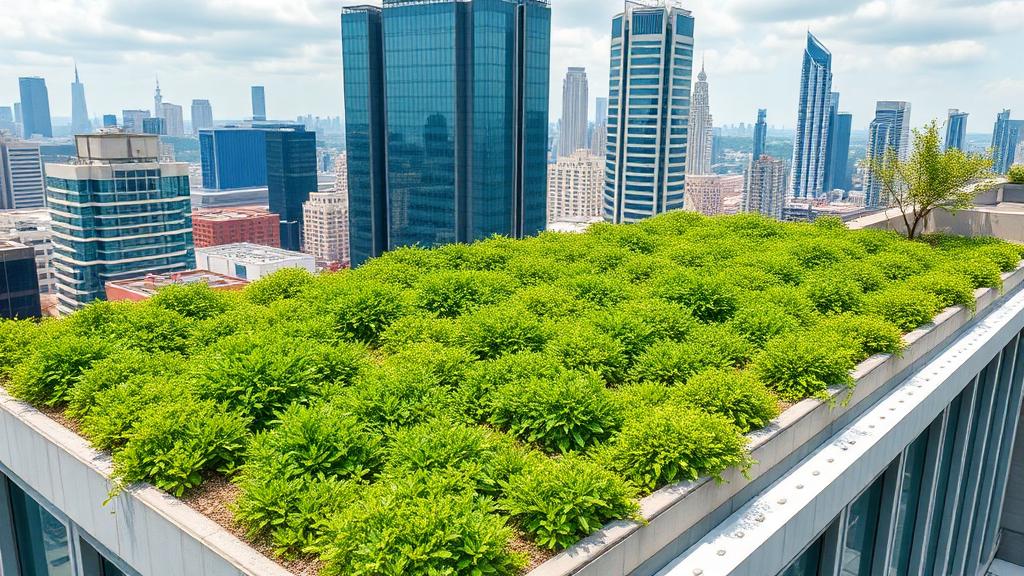
The Rise of Green Roofs in 2026
Green roofs—also called living roofs or vegetated roofs—have moved from niche architectural curiosity to mainstream building strategy. In 2026, green roof installations have increased 40% over the past five years, driven by stormwater regulations, energy codes, sustainability goals, and increasingly attractive financial incentives.
Whether you're a commercial property owner looking to meet municipal stormwater requirements or a homeowner wanting to create an urban oasis, this guide covers everything you need to know about green roofs in 2026.
Types of Green Roof Systems
Extensive Green Roofs
The most common and affordable type, extensive green roofs feature a thin growing medium (2–6 inches) planted with hardy, low-maintenance vegetation like sedums, mosses, and native grasses.
Characteristics:: - Growing medium depth: 2–6 inches - Weight: 12–35 lbs per square foot (saturated) - Plant types: Sedums, mosses, native drought-resistant species - Maintenance: Minimal (2–3 visits per year) - Irrigation: Often self-sustaining after establishment (1–2 years) - Accessibility: Not designed for regular foot traffic
Cost:: $15–$30 per square foot installed
Intensive Green Roofs (Roof Gardens)
Intensive systems support deeper soil profiles and diverse plantings, including shrubs, trees, and even food gardens. They function as true outdoor living spaces.
Characteristics:: - Growing medium depth: 6–48+ inches - Weight: 35–150+ lbs per square foot (saturated) - Plant types: Trees, shrubs, perennials, vegetables, lawns - Maintenance: Regular (weekly during growing season) - Irrigation: Required irrigation system - Accessibility: Designed for regular human use and enjoyment
Cost:: $30–$80+ per square foot installed
Semi-Intensive Green Roofs
A hybrid approach combining areas of extensive and intensive planting.
Characteristics:: - Growing medium depth: 4–10 inches - Weight: 25–50 lbs per square foot - Plant types: Diverse perennials, grasses, small shrubs - Maintenance: Moderate (monthly during growing season)
Cost:: $25–$50 per square foot installed
Benefits of Green Roofs
Environmental Benefits
Stormwater Management:: Green roofs absorb and retain 50–90% of rainfall depending on the system depth and local climate. For a 10,000-square-foot extensive green roof in New York City, that translates to retaining approximately 55,000 gallons of stormwater annually.
Urban Heat Island Reduction:: Conventional dark roofs can reach surface temperatures of 150°F+ in summer. Green roofs stay within 10–15°F of ambient air temperature, significantly reducing the urban heat island effect.
Air Quality Improvement:: Green roofs filter particulate matter and absorb CO2. Research shows that 1,000 square feet of extensive green roof removes approximately 40 lbs of particulate matter and absorbs 100 lbs of CO2 annually.
Biodiversity Support:: Even simple extensive green roofs provide habitat for pollinators, birds, and beneficial insects. In urban environments where green space is limited, rooftop habitats are increasingly recognized as critical for maintaining biodiversity.
Financial Benefits
Energy Savings:: Green roofs reduce heating costs by 10–25% in winter (insulation effect) and cooling costs by 25–40% in summer (evapotranspiration cooling). For a 10,000-square-foot commercial building, expect annual energy savings of $3,000–$8,000.
Extended Roof Membrane Life:: The growing medium and vegetation protect the waterproof membrane from UV radiation, thermal cycling, and physical damage. A green roof can extend membrane lifespan from 20 years to 40–60 years, potentially eliminating one full roof replacement cycle.
Property Value Increase:: Green roofs increase property values by 6–15% depending on the market and system quality. In urban markets like New York City, Portland, and Seattle, the premium can be even higher.
Stormwater Fee Reductions:: Many municipalities offer stormwater fee credits for green roofs: - New York City: Up to $100,000 through the Green Infrastructure Grant program - Portland: 35% stormwater fee reduction - Washington, DC: Stormwater retention credits worth $2–$4 per gallon per year - Philadelphia: Significant stormwater fee discounts through the Green City Clean Waters program
Tax Incentives in 2026
Federal:: - Green roofs on commercial properties qualify for the Section 179D Energy Efficient Commercial Building Deduction (up to $5.36/sq ft in 2026) - Solar green roof combinations qualify for the 30% Investment Tax Credit
State and Local:: - New York: Green roof tax abatement of $5.23/sq ft (up to $200,000) - Maryland: Green building tax credit program - Washington, DC: Green roof rebate of $15/sq ft - Multiple states include green roof costs in energy efficiency incentive programs
Installation Process
Phase 1: Structural Assessment (1–2 weeks)
A structural engineer evaluates the building's capacity to support the additional weight. Key considerations: - Dead load capacity of existing structure - Column and foundation adequacy - Wind uplift requirements with vegetated surface - Seismic considerations in applicable zones
Cost: $2,000–$5,000 for structural assessment
Phase 2: Waterproofing (1–2 weeks)
The most critical component—a green roof is only as good as its waterproofing layer. - Root-resistant waterproof membrane installation - Leak detection system (electronic or flood testing) - Edge and penetration detailing
Phase 3: Green Roof Assembly (1–4 weeks)
Layered installation from bottom to top: 1. Protection layer (geotextile or drainage mat) 2. Drainage layer (specialized panels or aggregate) 3. Filter fabric (prevents growing medium from clogging drains) 4. Growing medium (engineered lightweight soil blend) 5. Vegetation (pre-grown mats, plugs, or seed)
Phase 4: Establishment Period (3–12 months)
The critical establishment period requires: - Supplemental irrigation until plants are self-sustaining - Fertilization at manufacturer-recommended rates - Weed management - Replanting of any failed areas
Cost Summary Table
| Component | Extensive | Semi-Intensive | Intensive |
|---|---|---|---|
| Structural assessment | $2,000–$5,000 | $3,000–$6,000 | $5,000–$10,000 |
| Waterproofing | $5–$10/sq ft | $6–$12/sq ft | $8–$15/sq ft |
| Drainage system | $2–$4/sq ft | $3–$6/sq ft | $4–$8/sq ft |
| Growing medium | $3–$6/sq ft | $5–$10/sq ft | $8–$20/sq ft |
| Plants/vegetation | $3–$6/sq ft | $6–$12/sq ft | $10–$25/sq ft |
| Installation labor | $3–$6/sq ft | $5–$10/sq ft | $8–$15/sq ft |
| **Total installed** | **$15–$30/sq ft** | **$25–$50/sq ft** | **$30–$80+/sq ft** |
30-Year ROI Analysis (10,000 sq ft Extensive Green Roof)
| Factor | Value |
|---|---|
| Installation cost | $150,000–$300,000 |
| Annual maintenance | $3,000–$5,000 |
| 30-year maintenance total | $90,000–$150,000 |
| Energy savings (30 years) | $90,000–$240,000 |
| Avoided roof replacement | $50,000–$100,000 |
| Stormwater credits (30 years) | $30,000–$90,000 |
| Property value increase | $60,000–$150,000 |
| **Net 30-year ROI** | **$90,000–$330,000 positive** |
Conclusion
Green roofs in 2026 represent a convergence of environmental responsibility and financial opportunity. With expanding tax incentives, proven performance data, and growing municipal requirements, investing in a green roof has never made more sense. Whether you choose a simple extensive system or a full rooftop garden, you're making a decision that benefits your building, your budget, and your community for decades to come.
*Ready to explore green roofing options? Find contractors experienced with green roof installations in your area.*