How to Find Licensed Roofing Contractors in Atlanta, GA (2026 Guide)
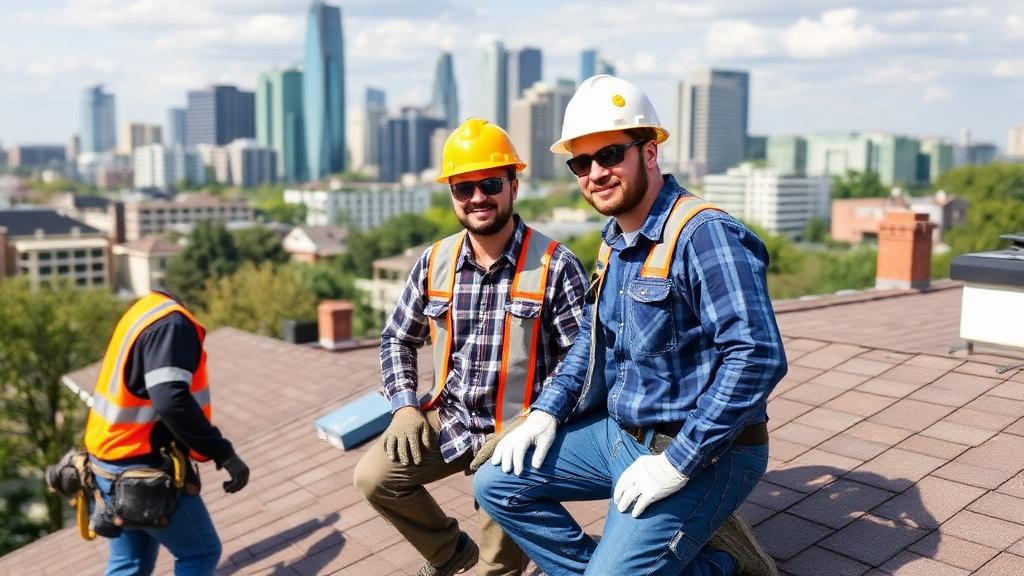
How to Find Licensed Roofing Contractors in Atlanta
Hiring the right roofing contractor in Atlanta can mean the difference between a roof that protects your family for decades and one that fails within years. Georgia's licensing requirements, combined with Atlanta's active storm chaser population after severe weather events, make it essential for homeowners to know exactly how to verify contractor credentials.
This comprehensive guide walks Atlanta homeowners through the complete process of finding, vetting, and hiring a licensed roofing professional in 2026.
Why Licensing Matters for Atlanta Roofing Projects
Georgia requires roofing contractors to be properly licensed, but the requirements differ based on the type and value of work:
Georgia Residential and General Contractor License:: Required for all roofing projects valued at $2,500 or more. Administered by the Georgia Secretary of State's Licensing Division.
Key requirements include:: - Passing the Georgia contractor exam - Proof of liability insurance (minimum $300,000) - Workers' compensation coverage (if employing workers) - A surety bond (amount varies by license classification) - Ongoing continuing education credits
Why this protects you:: - Licensed contractors are accountable to the state licensing board - You have legal recourse through the contractor's bond if work is substandard - Insurance protects you from liability if a worker is injured on your property - Licensed contractors are more likely to follow building codes correctly
Step 1: Verify Georgia Contractor Licensing
Before speaking with any roofing contractor, verify their license online:
Georgia Secretary of State License Search:: The official database allows you to search by company name, individual name, or license number. You can verify: - License status (active, expired, revoked, or suspended) - License type and classification - Disciplinary history or complaints - Insurance and bond status
Red flags to watch for:: - Claims of being "licensed" without providing a verifiable number - License under a different company name than what's advertised - Expired or suspended license - License classification that doesn't cover roofing work
Step 2: Check Insurance Coverage
Beyond licensing, proper insurance is critical for your protection:
General liability insurance:: Covers damage to your property during the roofing project. Minimum $300,000 required by Georgia law, but $1 million is standard for reputable contractors.
Workers' compensation insurance:: Covers medical expenses if a worker is injured on your property. Without it, YOU could be liable for medical bills and lost wages.
How to verify:: Request a Certificate of Insurance (COI) directly from the contractor's insurance company—not just a copy from the contractor. Certificates can be forged or expired. Call the insurance company to confirm the policy is active.
Step 3: Research Reputation and Track Record
Licensing and insurance are the minimum. To find truly excellent Atlanta roofers, dig deeper:
Online reviews:: Check multiple platforms—Google, Yelp, BBB, and RoofingPros. Look for consistent patterns rather than individual reviews. A contractor with 200+ reviews averaging 4.5 stars is more reliable than one with 10 five-star reviews.
Better Business Bureau (BBB):: Check for accreditation, complaints filed, and response patterns. An accredited contractor with resolved complaints shows accountability.
Ask for references:: Request 3–5 references from recent Atlanta projects similar to yours. Contact them and ask: - Was the project completed on time and on budget? - How did the contractor handle unexpected issues? - Would you hire them again? - How does the roof look and perform now?
Portfolio of work:: A professional contractor should show you photos of completed Atlanta projects. Look for quality workmanship, clean job sites, and attention to detail.
Step 4: Get Multiple Written Estimates
Always obtain at least three detailed written estimates from licensed contractors. Each estimate should include:
Scope of work:: - Exact roofing materials to be used (brand, product line, color) - Whether existing roofing will be removed (tear-off vs. overlay) - Underlayment type and ice/water shield locations - Ventilation modifications if needed - Flashing replacement scope - Gutter work if included
Cost breakdown:: - Materials cost (itemized) - Labor cost - Disposal/dump fees - Permit fees - Any additional charges
Timeline:: - Estimated start date - Expected completion date - Contingency plan for weather delays
Warranty information:: - Manufacturer material warranty details - Contractor workmanship warranty (minimum 5 years for quality contractors) - What's covered and what's not
Step 5: Avoid Storm Chasers and Scams
Atlanta's location in the Southeast storm belt makes it a prime target for roofing scams, especially after severe weather:
Warning signs of storm chasers:: - Unsolicited door-to-door visits after a storm - Offering to "waive your insurance deductible" (this is insurance fraud) - Pressure to sign contracts immediately - Requesting large upfront payments - Out-of-state license plates on work vehicles - No local business address or phone number - Unable to provide references from Atlanta projects
Common scam tactics:: - Bait and switch: Quoting premium materials then installing cheap alternatives - Hidden damage: Creating additional damage during inspection to inflate the claim - Advance payment fraud: Collecting deposit money then never returning to do the work - Incomplete work: Doing a partial job then demanding additional payment to finish
How to protect yourself:: - Never pay more than 30% upfront - Never sign a contract under pressure - Always verify licensing before signing anything - Get everything in writing—verbal promises are unenforceable - Use a local, established roofing company with Atlanta roots
Atlanta-Specific Considerations
Local Building Permits
All roofing projects in the City of Atlanta and surrounding municipalities require building permits. Your contractor should handle permit applications, but verify:
- Permit has been pulled before work begins
- Permit is posted visibly at the job site
- All required inspections are scheduled and completed
- Final inspection approval is obtained
Typical permit costs in Atlanta:: $150–$500 depending on the municipality and project scope.
HOA Approval
Many Atlanta neighborhoods—from Buckhead to Brookhaven—have HOAs with specific roofing requirements: - Pre-approved material types and colors - Architectural review board approval required before work begins - Specific contractor requirements or approved vendor lists - Timeline restrictions on construction activities
Climate Considerations
Atlanta's climate affects contractor scheduling and material selection: - Best installation months: March–May and September–November - Summer installations: Possible but extreme heat affects adhesive performance - Hurricane/storm season: June–November brings risk of project delays - Winter installations: Usually fine in Atlanta but cold temperatures affect sealant curing
Cost Expectations for Atlanta Roofing Projects (2026)
| Project Type | Cost Range |
|---|---|
| Standard asphalt shingle replacement (2,000 sq ft) | $8,000–$15,000 |
| Architectural shingle upgrade | $10,000–$20,000 |
| Metal roof installation | $15,000–$30,000 |
| Flat roof replacement/repair | $5,000–$15,000 |
| Emergency storm damage repair | $500–$5,000 |
| Full roof inspection | $200–$400 |
Questions to Ask Before Hiring
Ask every potential contractor these questions:
- What is your Georgia contractor license number?
- Can I see your Certificate of Insurance?
- How many roofing projects have you completed in the Atlanta area?
- Who will be the on-site project supervisor?
- What manufacturer certifications do you hold?
- What is your workmanship warranty coverage?
- Will you handle the building permit process?
- What is your payment schedule?
- How do you handle change orders or unexpected issues?
- Can you provide three recent Atlanta references?
Where to Find Licensed Atlanta Roofers
Best resources for verified contractors:
- RoofingPros Georgia directory — verified, reviewed contractors
- Georgia Secretary of State Licensing Division — official license verification
- Better Business Bureau of Metro Atlanta — accreditation and complaint records
- Local building supply companies — can recommend established contractors
Browse verified roofing contractors in Atlanta with reviews, licensing information, and contact details.
Conclusion
Finding a licensed, reputable roofing contractor in Atlanta requires due diligence, but the effort protects your home and your wallet. Follow this step-by-step guide, verify every credential, and never let urgency or pressure override careful decision-making. The right contractor will welcome your questions and make the process transparent from start to finish.
Start your search for trusted Atlanta roofers today and get the quality roofing work your home deserves.