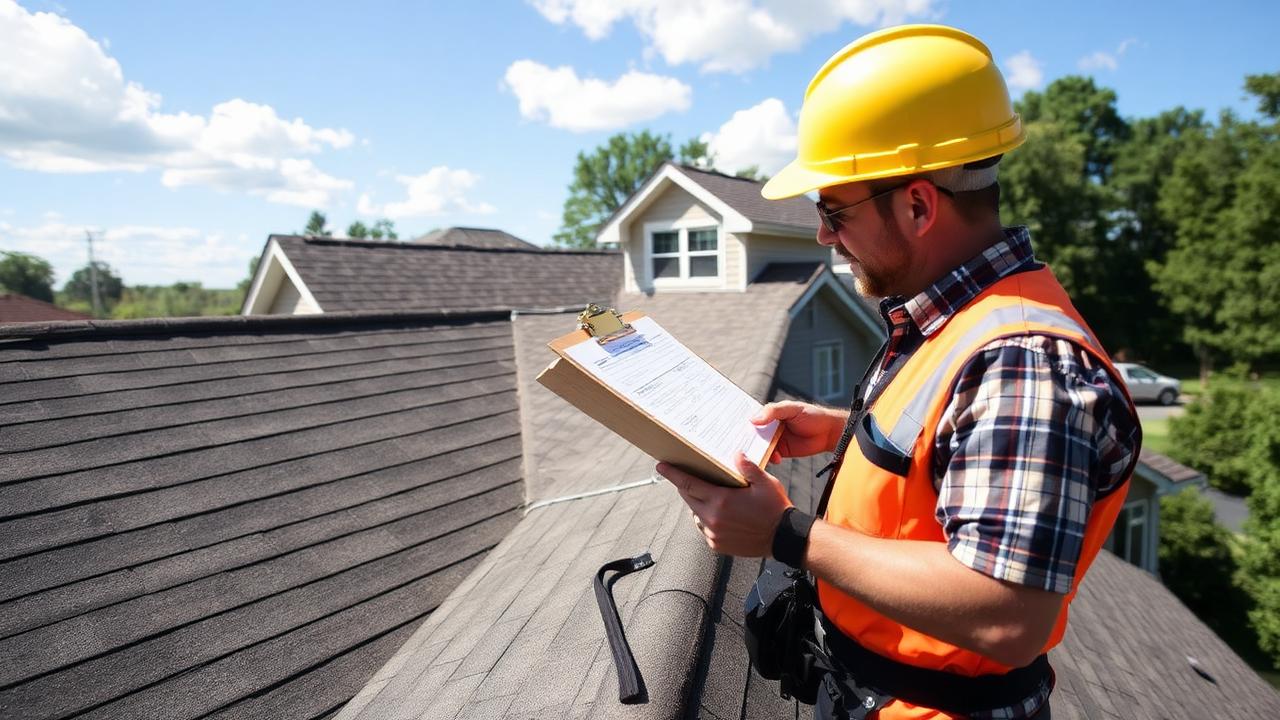
Understanding Roofing Warranties: What Seattle Homeowners Need to Know (2026)
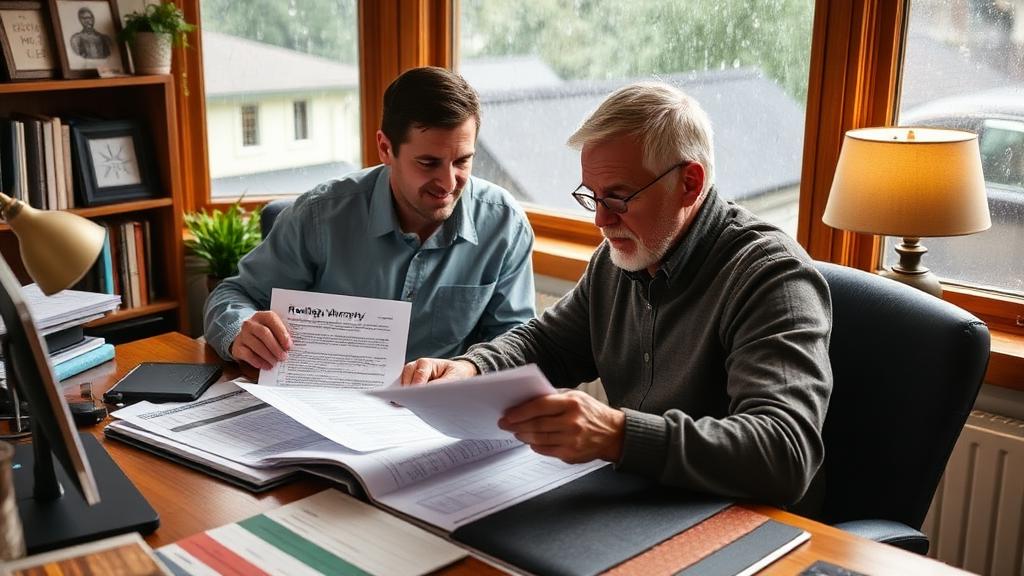
Understanding Roofing Warranties for Seattle Homeowners
A roofing warranty is your safety net—but only if you understand exactly what it covers. For Seattle homeowners dealing with the Pacific Northwest's relentless rain, proper warranty coverage can mean the difference between a free repair and a costly out-of-pocket expense.
This guide demystifies roofing warranties for Seattle homeowners in 2026, explaining the different types, what's actually covered, and how to ensure you're fully protected.
Types of Roofing Warranties
Manufacturer Material Warranty
This warranty covers defects in the roofing materials themselves—shingles, membranes, tiles, or metal panels.
What's typically covered:: - Manufacturing defects in the roofing material - Premature failure of the material under normal conditions - Color fading beyond manufacturer specifications (some products) - Algae resistance failure (for algae-resistant shingles)
What's NOT covered:: - Damage from improper installation - Normal wear and aging - Storm damage (wind, hail, fallen trees) - Damage from foot traffic or other external forces - Consequential damages (interior water damage, mold, etc.)
Duration:: 20–50 years for most asphalt shingles; lifetime for premium products. Metal roofing warranties range from 30 years to lifetime depending on the product and finish.
Important Seattle note:: Most manufacturer warranties require proof of adequate attic ventilation. In Seattle's humid climate, improper ventilation leads to moisture buildup that can void your warranty.
Contractor Workmanship Warranty
This warranty covers the installation itself—errors made by the roofing crew during application.
What's typically covered:: - Leaks caused by installation errors - Improper flashing installation - Incorrect nailing patterns or fastener placement - Missed underlayment or ice/water shield areas - Ventilation issues created during installation
Duration varies widely:: - Budget contractors: 1–2 years (bare minimum) - Average contractors: 5–10 years - Premium contractors: 10–25 years - GAF Master Elite or CertainTeed SELECT contractors: up to lifetime workmanship warranties backed by the manufacturer
Key consideration for Seattle:: Workmanship warranties are only as reliable as the contractor who backs them. If the company goes out of business, the warranty is worthless. Choose established Seattle roofing companies with long track records.
Enhanced System Warranties
The most comprehensive coverage comes from manufacturer system warranties, which combine material and workmanship protection:
GAF Golden Pledge:: 50-year material + 25-year workmanship coverage. Requires installation by a GAF Master Elite certified contractor using the complete GAF roofing system.
CertainTeed SureStart PLUS:: 50-year material + 25-year workmanship. Requires CertainTeed SELECT ShingleMaster installer and complete CertainTeed system.
Owens Corning Platinum Protection:: Lifetime material + lifetime workmanship. Requires Owens Corning Platinum Preferred Contractor status.
Why this matters in Seattle:: Enhanced system warranties transfer responsibility from a local contractor to a major manufacturer. Even if your roofer goes out of business, the manufacturer stands behind the warranty.
Seattle-Specific Warranty Considerations
Moisture and Ventilation Requirements
Seattle's high humidity and frequent rain create conditions that can void warranties:
Ventilation requirements:: Most manufacturers require a 1:150 ventilation ratio (1 sq ft of net free vent area per 150 sq ft of attic floor space). In Seattle, adequate ventilation is even more critical to prevent moisture buildup.
Moisture barriers:: Warranties often require specific underlayment products in high-moisture climates. In Seattle, ice and water shield at eaves, valleys, and penetrations is both code-required and warranty-essential.
Moss and algae:: Seattle's damp climate promotes moss growth on roofs. Most warranties specifically exclude damage from moss, algae, or vegetation. Regular cleaning (or choosing algae-resistant products) is your responsibility.
Wind Speed Ratings
Seattle's waterfront and hillside locations can experience significant wind events. Verify that your warranty covers the wind speeds common in your specific area:
- Standard shingle warranties cover 60–130 mph winds
- Enhanced wind warranties cover up to 130–150 mph
- High-wind warranty upgrades are available for exposed coastal properties
Rain and Water Infiltration
While roofing warranties cover leaks from material defects or installation errors, they typically exclude: - Wind-driven rain that enters through properly installed materials - Flooding or standing water - Condensation from interior moisture - Water damage from blocked gutters or drainage failures
How to Protect Your Warranty
During Installation
- Hire certified installers: Use manufacturer-certified contractors for the best warranty coverage
- Document everything: Photograph the installation at every stage
- Verify materials: Ensure the exact products specified in your contract are being installed
- Confirm permit and inspection: Proper permitting protects your warranty and ensures code compliance
- Get everything in writing: Written warranty documents should be provided at project completion
After Installation
- Register your warranty: Many manufacturers require online registration within 30–90 days of installation. Miss this deadline and you may lose enhanced coverage.
- Schedule regular maintenance: Most warranties require "reasonable maintenance" to remain valid
- Document maintenance: Keep records of inspections, cleanings, and repairs
- Report problems promptly: Most warranties require timely notification of issues
- Use approved contractors for repairs: Having unqualified workers modify your roof can void the warranty
What to Do When You Need a Warranty Claim
For Manufacturer Claims
- Contact the manufacturer's warranty department (phone number on your warranty document)
- Provide your warranty registration number and installation date
- Describe the problem and provide photographs
- The manufacturer will typically send an inspector to evaluate
- If approved, the manufacturer covers materials (and sometimes labor under enhanced warranties)
For Workmanship Claims
- Contact your original roofing contractor
- Provide documentation of the problem
- Reference your workmanship warranty agreement
- The contractor should schedule an inspection and repair at no cost
- If the contractor is unresponsive, contact the manufacturer (for system warranties) or your state licensing board
Common Warranty Myths
Myth: "Lifetime warranty means it lasts forever" Reality: "Lifetime" typically means the reasonable useful life of the product OR the original homeowner's tenure. Coverage often decreases after the first 10–20 years through prorating.
Myth: "The warranty covers everything" Reality: Most warranties have extensive exclusion lists. Read the fine print carefully before assuming coverage.
Myth: "I don't need to maintain my roof if it's under warranty" Reality: Failure to maintain your roof is one of the most common reasons warranty claims are denied.
Myth: "Any roofer can do repairs without affecting my warranty" Reality: Having unqualified contractors work on your roof can void both manufacturer and workmanship warranties.
Warranty Comparison Table
| Warranty Type | Duration | Coverage | Transferable? | Cost |
|---|---|---|---|---|
| Standard manufacturer | 20–30 years | Materials only | Limited | Included with materials |
| Enhanced manufacturer | 50 years–lifetime | Materials + labor | Yes (usually) | Requires certified installer |
| Basic workmanship | 1–5 years | Installation errors | Rarely | Included with installation |
| Premium workmanship | 10–25 years | Installation errors | Sometimes | Premium contractor required |
| System warranty | 50 years–lifetime | Materials + workmanship | Yes | Certified installer + full system |
Choosing the Right Warranty for Your Seattle Home
Budget-conscious option:: Standard manufacturer warranty + 5-year workmanship warranty from a licensed Seattle roofer. Adequate protection for most homeowners.
Best value option:: Enhanced system warranty (GAF Golden Pledge, CertainTeed SureStart PLUS, or similar). Combines strong coverage with manufacturer backing.
Maximum protection:: Premium system warranty + separate supplemental home warranty policy covering roofing. The most comprehensive protection available.
Find certified roofing contractors in Seattle who offer the best warranty coverage for your budget and needs.
Conclusion
A roofing warranty is only as good as your understanding of it. Before your next Seattle roofing project, take the time to compare warranty options, choose certified contractors, and commit to the maintenance requirements that keep your warranty valid. Your future self will thank you when a warranty claim saves you thousands of dollars on repairs.