Ice Dam Prevention in Milwaukee: Protect Your Roof This Winter (2026 Guide)
Ice Dam Prevention in Milwaukee: Your Winter Roof Survival Guide
Milwaukee winters are no joke. With average snowfall exceeding 50 inches per year and temperatures regularly dropping below 0°F, ice dams are one of the most damaging and frustrating roofing problems for Milwaukee homeowners. These ridges of ice that form along roof edges can cause thousands of dollars in damage to roofs, gutters, walls, and interiors.
This 2026 guide provides Milwaukee homeowners with a comprehensive strategy for preventing ice dams—and dealing with them when they occur.
What Are Ice Dams and Why Do They Form?
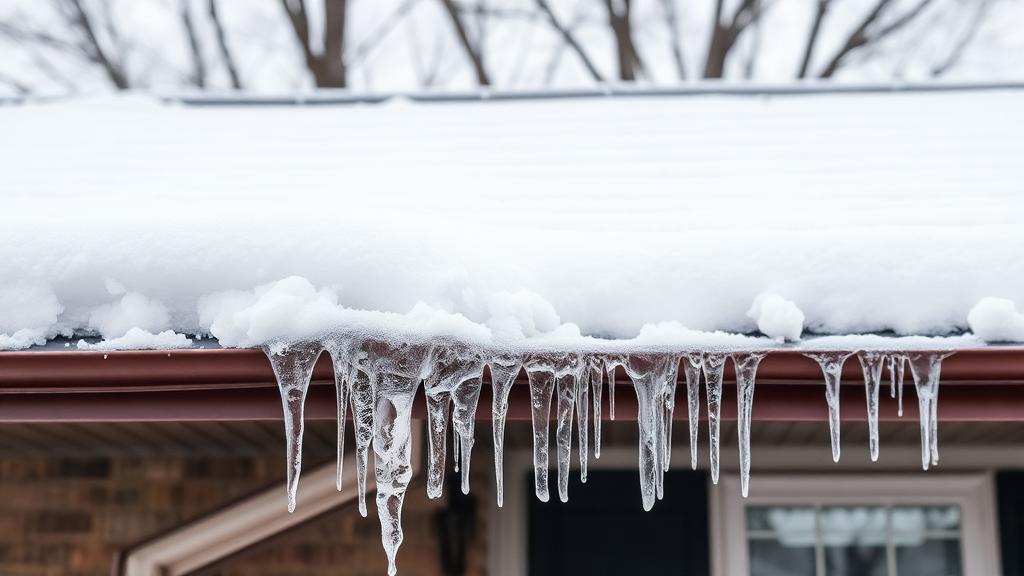
An ice dam is a ridge of ice that forms along the edge (eave) of a roof, preventing melted snow from draining off. As more snow melts above the dam, water pools behind it and can work its way under shingles, into your attic, and eventually into your home's interior.
The Ice Dam Formation Process
- Heat Loss: Warm air from your living space rises into the attic through inadequate insulation, air leaks, or bypasses
- Snow Melting: The warm attic heats the roof deck, melting the snow on upper portions of the roof
- Refreezing: Meltwater flows down to the eave (which overhangs the exterior wall and stays cold), where it refreezes
- Dam Growth: Repeated melt-freeze cycles build the ice dam larger and larger
- Water Backup: Eventually, water pools behind the dam and penetrates beneath shingles
Why Milwaukee Is Especially Vulnerable
Milwaukee's climate creates perfect ice dam conditions:
- Heavy Snowfall: 50+ inches annually provides ample raw material for ice dam formation
- Extended Cold: Sustained below-freezing temperatures keep eaves cold while interior heat warms the upper roof
- Older Housing Stock: Many Milwaukee homes (especially in neighborhoods like Bay View, Riverwest, and the East Side) were built before modern insulation and ventilation standards
- Lake Effect: Lake Michigan's influence creates additional snowfall and temperature fluctuations
Prevention Strategy #1: Attic Insulation
The most effective ice dam prevention is proper attic insulation, which keeps heat inside your living space and away from the roof deck.
Current Milwaukee Building Code Requirement: R-49 attic insulation (approximately 16–20 inches of fiberglass batts or 13–14 inches of blown cellulose).
Reality in Older Milwaukee Homes: Many pre-1980s homes have only R-11 to R-19 attic insulation—far below current standards.
Insulation Options and Costs
| Type | R-Value/Inch | Cost (1,000 sq ft attic) | Best For |
|---|---|---|---|
| Blown Fiberglass | R-2.5 | $1,500–$2,500 | Open attics, DIY-friendly |
| Blown Cellulose | R-3.7 | $1,200–$2,200 | Dense packing, irregular spaces |
| Spray Foam (Open Cell) | R-3.7 | $3,000–$5,000 | Air sealing + insulation |
| Spray Foam (Closed Cell) | R-6.5 | $5,000–$8,000 | Maximum R-value, moisture barrier |
| Fiberglass Batts | R-3.2 | $800–$1,500 | New construction, accessible attics |
Our Recommendation: For most Milwaukee homes, blown cellulose to R-49 combined with air sealing provides the best ice dam prevention value at $1,500–$3,000.
Prevention Strategy #2: Attic Ventilation
Proper ventilation keeps the attic cold (matching outdoor temperatures), preventing snowmelt on the roof deck.
Balanced Ventilation Formula: For every 150 sq. ft. of attic floor, provide 1 sq. ft. of net free ventilation, split evenly between intake (soffit vents) and exhaust (ridge vents or roof vents).
Common Milwaukee Ventilation Issues: - Soffit vents blocked by insulation (extremely common in older homes) - Insufficient ridge venting on hip roofs - Bathroom exhaust fans venting into the attic instead of outdoors - Gable vents that short-circuit ridge-to-soffit airflow
Ventilation Improvement Costs
| Improvement | Cost | Impact on Ice Dams |
|---|---|---|
| Install soffit baffles | $300–$600 | High—ensures intake airflow |
| Add ridge vent (retrofit) | $500–$1,500 | High—provides balanced exhaust |
| Install powered attic ventilator | $500–$1,000 | Moderate—supplement to passive system |
| Redirect bathroom fans outdoors | $200–$500 per fan | Moderate—eliminates moisture source |
Prevention Strategy #3: Air Sealing
Air leaks from your living space into the attic are often the primary cause of ice dams. Common leak points in Milwaukee homes:
- Recessed light fixtures: Each can-light opening leaks warm air into the attic
- Plumbing and electrical penetrations: Gaps around pipes and wires
- Attic hatch/door: Unsealed access points are major heat loss sources
- Chimney chase: The gap between the chimney and framing is often unsealed
- Ductwork: Leaky ducts in the attic dump heated air into the space
- Top plates: The gaps along the top of wall framing where it meets the attic floor
Air Sealing Cost: $500–$2,000 for a professional air sealing job in a typical Milwaukee home. This is often the most cost-effective ice dam prevention measure.
Prevention Strategy #4: Ice and Water Shield
When re-roofing, installing ice and water shield membrane provides a last line of defense:
Wisconsin Building Code Requirement: Ice and water shield must extend at least 24 inches past the interior face of the exterior wall. In Milwaukee, this typically means 3–6 feet of coverage at the eaves.
Enhanced Protection: For Milwaukee homes with persistent ice dam issues, consider extending ice and water shield coverage to 6–10 feet from the eave, covering valleys, and around all penetrations.
Cost: $1.00–$2.00 per square foot additional (over standard underlayment) during a re-roof. For a typical Milwaukee home, this adds $500–$1,500 to the total project cost.
Prevention Strategy #5: Heat Cables
Electric heat cables (also called heat tape) are a supplemental prevention method that melts channels through ice dams, allowing water to drain.
How They Work: Self-regulating heat cables are installed in a zigzag pattern along the eave and through gutters/downspouts. They activate automatically when temperatures drop near freezing.
Cost: $500–$2,000 installed for a typical Milwaukee home Operating Cost: $50–$150 per month during winter (depending on cable length and winter severity)
Important Note: Heat cables treat the symptom, not the cause. They should be used in conjunction with insulation and ventilation improvements, not as a standalone solution.
Emergency Ice Dam Removal
If an ice dam has already formed and is causing leaking, emergency removal may be necessary:
Professional Steam Removal (Recommended)
Low-pressure steam safely melts ice without damaging roofing materials. - Cost: $400–$800 per visit - Time: 2–4 hours for most Milwaukee homes - Safety: No risk of roof damage
Chemical De-Icers
Calcium chloride (NOT rock salt) in pantyhose or mesh tubes placed on the ice dam creates channels for drainage. - Cost: $50–$100 DIY - Effectiveness: Moderate—creates channels but doesn't remove the dam - Caution: Can stain roofing and damage landscaping below
What NOT to Do
- Never chop ice dams with axes, hammers, or chisels—you'll damage your shingles and potentially your roof deck
- Never use rock salt—it corrodes metal and damages shingles
- Never use a pressure washer with hot water—dangerous on icy roofs and can damage materials
- Never climb on an icy roof—this is extremely dangerous
Long-Term Investment: Cost vs. Savings
Investing in proper ice dam prevention saves money over time:
Average Ice Dam Damage Repair in Milwaukee: $3,000–$10,000 per incident (including interior water damage, mold remediation, and roof repair)
Comprehensive Prevention Package: - Air sealing: $1,000–$2,000 - Insulation upgrade to R-49: $1,500–$3,000 - Ventilation improvements: $500–$1,500 - Total: $3,000–$6,500
The prevention investment typically pays for itself after a single avoided ice dam incident, plus you'll enjoy lower heating bills (10–20% reduction) year after year.
Finding an Ice Dam Prevention Expert in Milwaukee
Look for contractors who offer comprehensive solutions, not just one approach:
- BPI (Building Performance Institute) Certification: Indicates training in building science, air sealing, and insulation
- Energy Audit Capability: Can identify specific heat loss points in your home
- Roofing + Insulation: Contractors who handle both roofing and insulation can provide integrated solutions
- Wisconsin DSPS License: Verify contractor licensing through the Wisconsin Department of Safety and Professional Services
Find qualified roofing and insulation contractors in Milwaukee through our directory.
Frequently Asked Questions
When should I address ice dam prevention? Ideally in fall before winter weather arrives. However, insulation and air sealing work can be done year-round.
Will a new roof prevent ice dams? A new roof alone won't prevent ice dams unless it includes proper insulation, ventilation, and ice and water shield installation. Address the root causes, not just the roofing surface.
Are ice dams covered by homeowners insurance? Most policies cover damage caused by ice dams (interior water damage) but do not cover the cost of removing the ice dam or preventive improvements. Check your specific policy.
How do I know if I have an ice dam problem? Look for icicles hanging from eaves, ice buildup in gutters, water stains on interior ceilings or walls after snow events, and ice formations along the roof edge.
Conclusion
Ice dams are preventable with the right combination of insulation, air sealing, ventilation, and protective membranes. For Milwaukee homeowners, investing in comprehensive prevention is far more cost-effective than dealing with repeated water damage.
Don't wait for the first freeze—connect with Milwaukee roofing professionals now to prepare your home for winter.